Whole Foods vs Protein Products: 5 Simple Reasons Real Wins
Whole foods vs protein products — discover why real food delivers better nutrition every time. Simple plant-forward swaps inside. Start today.

Real, whole foods deliver complete nutrition that processed high-protein products simply cannot replicate — no matter what the label promises. When you choose lentils over protein isolates, chickpeas over engineered bars, and nuts over powdered supplements, you're giving your body the full spectrum of fiber, minerals, and plant compounds it actually recognizes and uses. That's the honest truth about whole foods vs protein products, and once you understand it, everything about eating well becomes simpler. I know you've seen the flashy packaging, the bold protein claims, the promises of convenience. But here's what years of plant-forward living have taught me: the most nourishing path is often the most ancient one. Our great-grandparents didn't need protein calculators or fortified bars. They ate beans, grains, seeds, and vegetables — and their bodies thrived. This post is your invitation to rediscover that simplicity, to understand why whole foods consistently outperform processed alternatives, and to find a way of eating that finally feels sustainable.

Why Whole Foods vs Protein Products Matters for Your Plate
The conversation around whole foods vs protein products isn't about demonizing convenience or making you feel guilty for grabbing a protein bar on a busy afternoon. It's about understanding what happens inside your body when you choose one path over another. Whole foods arrive as nature designed them — complete packages of macronutrients, micronutrients, fiber, and thousands of plant compounds that scientists are still discovering. Processed protein products, by contrast, isolate one component and discard everything else, often adding sweeteners, stabilizers, and artificial flavors to make them palatable.
The Difference Between Isolated and Complete Nutrition
When you eat a bowl of black beans, you're not just consuming protein. You're getting resistant starch that feeds beneficial gut bacteria, iron that supports energy levels, folate that cells need for proper function, and antioxidants that help protect against oxidative stress. A processed protein powder might match the grams on a nutrition label, but it cannot replicate this symphony of nutrients working together. According to Harvard Health, whole plant foods provide fiber and phytonutrients that isolated supplements lack, which may explain why food-based nutrition consistently shows better outcomes in research than supplementation alone.
How Processing Changes What Your Body Receives
Processing doesn't just remove nutrients — it fundamentally changes how your body interacts with food. Whole grains digest slowly, releasing energy steadily throughout the morning. Refined protein products often spike blood sugar or leave you hungry an hour later because the fiber and complex carbohydrates have been stripped away. Your digestive system evolved over millennia to handle whole foods. It knows what to do with a handful of almonds or a scoop of quinoa. It's less certain about hydrolyzed pea protein isolate mixed with maltodextrin and natural flavors. The whole foods vs protein products question ultimately comes down to this: do you want to work with your body's design or around it?
What Processed Protein Products Actually Contain
Walk down any grocery store aisle and you'll find protein bars, shakes, powders, and snacks promising impressive numbers. Twenty grams of protein! Thirty grams per serving! The marketing suggests that more protein equals better health, but rarely does the packaging mention what else comes along for the ride. Understanding the full picture helps you make informed choices that align with how you actually want to feel.
Hidden Ingredients That Work Against You
Most processed protein products contain a lengthy list of additives designed to improve taste, texture, and shelf life. Sugar alcohols can cause digestive discomfort in many people. Artificial sweeteners may affect gut bacteria in ways researchers are still investigating. Thickeners and gums, while generally considered safe, can trigger sensitivities in some individuals. Emulsifiers help ingredients blend together but don't exist anywhere in traditional food preparation. None of these ingredients appeared in human diets until the last century, and our bodies haven't had time to fully adapt. When you choose whole foods vs protein products, you're choosing ingredients your body has recognized for thousands of generations.
The Marketing Behind High-Protein Claims
Food companies understand that protein has a health halo in modern culture. Adding protein powder to cookies, cereals, and chips allows them to market junk food as health food. But protein content alone doesn't make something nutritious. A processed protein brownie might contain twenty grams of protein alongside refined flour, added sugars, and seed oils. Meanwhile, a simple plate of hummus with vegetables delivers protein alongside fiber, healthy fats, and dozens of micronutrients — without any need for creative marketing. The whole foods vs protein products debate becomes clearer when you look beyond the front-of-package claims to the actual ingredient list.
Plant-Forward Whole Foods That Deliver Complete Protein
One common misconception suggests that you need processed products to meet protein needs on a plant-forward path. Nothing could be further from reality. Traditional cuisines around the world have provided adequate protein through whole plant foods for centuries. The trick isn't finding special products — it's learning which combinations of ordinary foods create complete nutrition. This is exactly the approach our ancestors used, and it remains the simplest path today.
Legumes: The Forgotten Protein Powerhouses
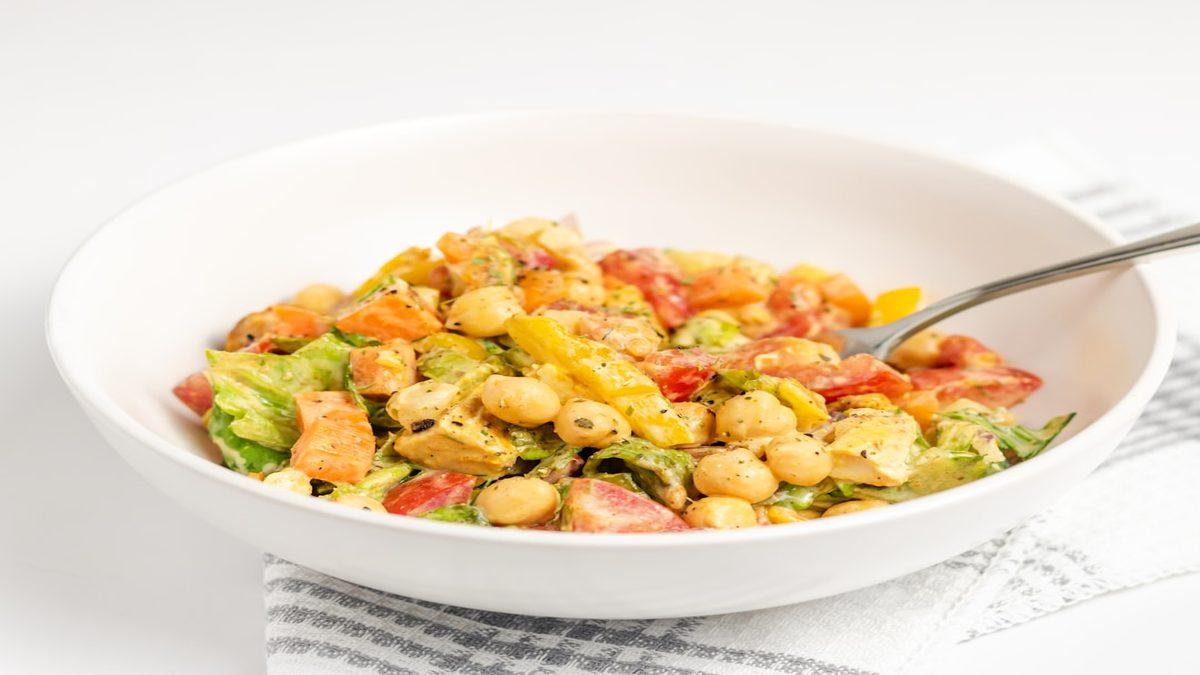
Lentils, chickpeas, black beans, and split peas form the foundation of protein-rich plant eating. A single cup of cooked lentils provides about eighteen grams of protein along with significant fiber, iron, and folate. These humble foods cost pennies per serving, require minimal preparation, and deliver nutrition that no engineered product can match. Research published through PubMed consistently shows that legume consumption correlates with positive health markers across populations worldwide. When comparing whole foods vs protein products, legumes represent perhaps the clearest example of nature's superiority. A bowl of dal, a simple bean soup, or a chickpea salad provides everything you need without laboratories or factories.
Seeds, Nuts, and Ancient Grains
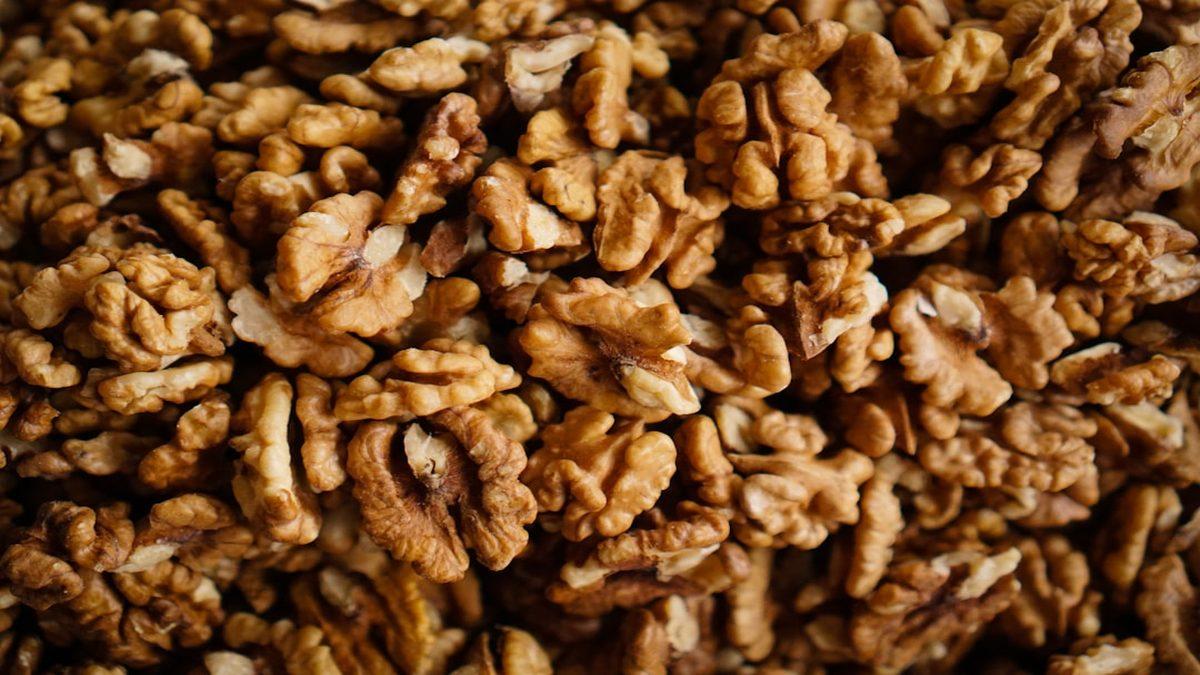
Beyond legumes, the plant kingdom offers remarkable protein diversity. Hemp seeds provide complete protein with all essential amino acids. Pumpkin seeds deliver zinc alongside their protein content. Quinoa and amaranth cook like grains but offer protein profiles similar to animal foods. Almonds, walnuts, and cashews contribute healthy fats that support nutrient absorption. Building meals around these whole foods creates satisfying plates that sustain energy for hours without blood sugar crashes or digestive complaints. The traditional Mediterranean, Asian, and Latin American diets all understood this intuitively — they combined grains with legumes, added nuts and seeds, and created complete nutrition without any awareness of protein science.
Making the Shift: Whole Foods vs Protein Products in Daily Life
Understanding why whole foods outperform processed alternatives is one thing. Actually changing daily habits is another. The good news is that plant-forward whole food eating often proves simpler than the complicated systems you may have tried before. No measuring, tracking, or special products required — just real food prepared simply, the way humans have eaten for most of history.
Simple Swaps That Transform Your Mornings
Instead of reaching for a protein shake, consider overnight oats topped with hemp seeds and chopped walnuts. Rather than a processed protein bar, try a small handful of almonds with a piece of fruit. Swap the engineered breakfast cereal for whole grain toast with almond butter and sliced banana. Each of these choices represents a shift from whole foods vs protein products thinking toward integrated, complete nutrition. The transition doesn't require perfection — even replacing one processed item with one whole food represents meaningful progress. Over time, these small changes compound into an entirely different relationship with food.
Batch Cooking and Preparation Strategies
One reason processed products appeal to busy people is convenience. You can absolutely create that same convenience with whole foods through simple batch preparation. Cook a large pot of lentils on Sunday and use them throughout the week in soups, salads, and grain bowls. Prepare a batch of hummus that lasts several days. Roast chickpeas for a crunchy, portable snack. The initial investment of an hour or two saves countless moments of decision fatigue and removes the temptation of processed convenience foods. If you're looking for a simple system to structure plant-forward meals without complexity, my Instant Plate Builder offers a formula that works for any ingredient combination.
Frequently Asked Questions About Whole Foods vs Protein Products
Can whole foods provide enough protein without supplements?
Absolutely. Legumes, nuts, seeds, and whole grains provide ample protein for most adults when consumed in reasonable variety. Cultures around the world have thrived on plant-forward diets without any processed protein products. The key is eating enough total food and including protein-rich plants at most meals. Unless you have specific medical requirements determined by a healthcare provider, whole foods can meet your needs beautifully.
What about athletes or people with higher protein needs?
Even those with elevated protein requirements can meet them through whole foods by increasing portions of legumes, tofu, tempeh, and seeds. Many successful plant-forward athletes rely entirely on food rather than supplements. The whole foods vs protein products conversation applies equally here — more isn't always better, and quality matters as much as quantity. Whole foods deliver protein alongside the other nutrients that support recovery and performance.
Are all processed protein products problematic?
Not necessarily. Some minimally processed options like simple plant protein powders with few ingredients can serve occasional convenience purposes. The issue arises when processed products replace whole foods as dietary staples or when heavily engineered products loaded with additives become daily habits. Using the whole foods vs protein products framework helps you evaluate each choice individually rather than following rigid rules.
Understanding whole foods vs protein products ultimately leads back to a beautifully simple truth: the most nourishing foods require no factories, no laboratories, and no marketing budgets. They grow from the earth, require minimal transformation, and offer exactly what human bodies have thrived on for millennia. This isn't about perfection or rigid restrictions — it's about returning to an approach that actually makes sense, one plate at a time. When you build meals around lentils, beans, seeds, grains, and vegetables, you're not following a trend. You're reconnecting with an ancient wisdom that your body inherently recognizes.
Your Next Step
If you're ready to simplify your approach to plant-forward eating and leave the confusion of processed products behind, I've gathered everything I use into one place. You'll find my favorite kitchen tools, simple resources, and the complete Instant Plate Builder system — my plant-forward kit is waiting whenever you're ready to explore. No pressure, no complicated plans. Just simple tools for building nourishing meals that actually stick.