Ancestral Eating: 7 Simple Steps to Plant-Forward Living
Ancestral eating made simple with plant-forward whole foods. Rediscover how our ancestors nourished their bodies naturally. Start today.
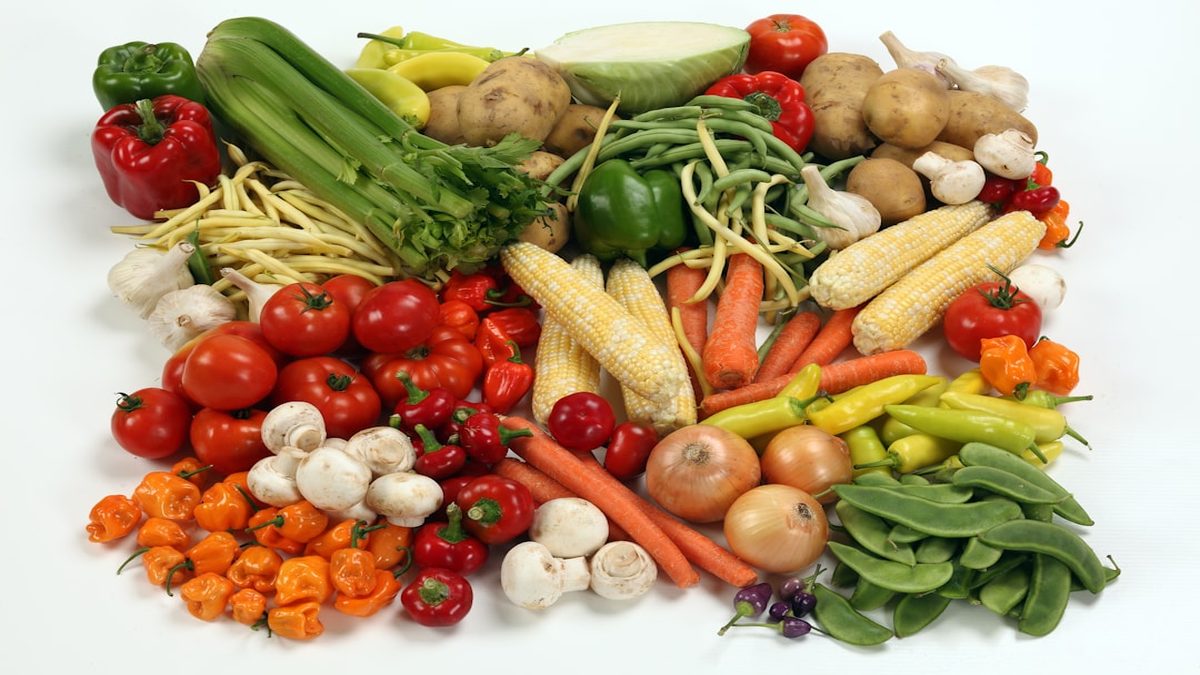
Ancestral eating plant-forward means building your plate around whole vegetables, legumes, grains, nuts, and seeds—the same foods that sustained human communities for thousands of years before industrialization changed everything. It's not about perfection or following rigid rules. It's about returning to a simpler, more intuitive way of nourishing yourself with foods that grow from the earth. If you've tried countless diets and wellness trends only to feel exhausted by the complexity, this approach offers something different: a quiet, grounded way of eating that honors both your body and the natural world. Ancestral eating plant-forward isn't a trend—it's a homecoming to what your body already knows.
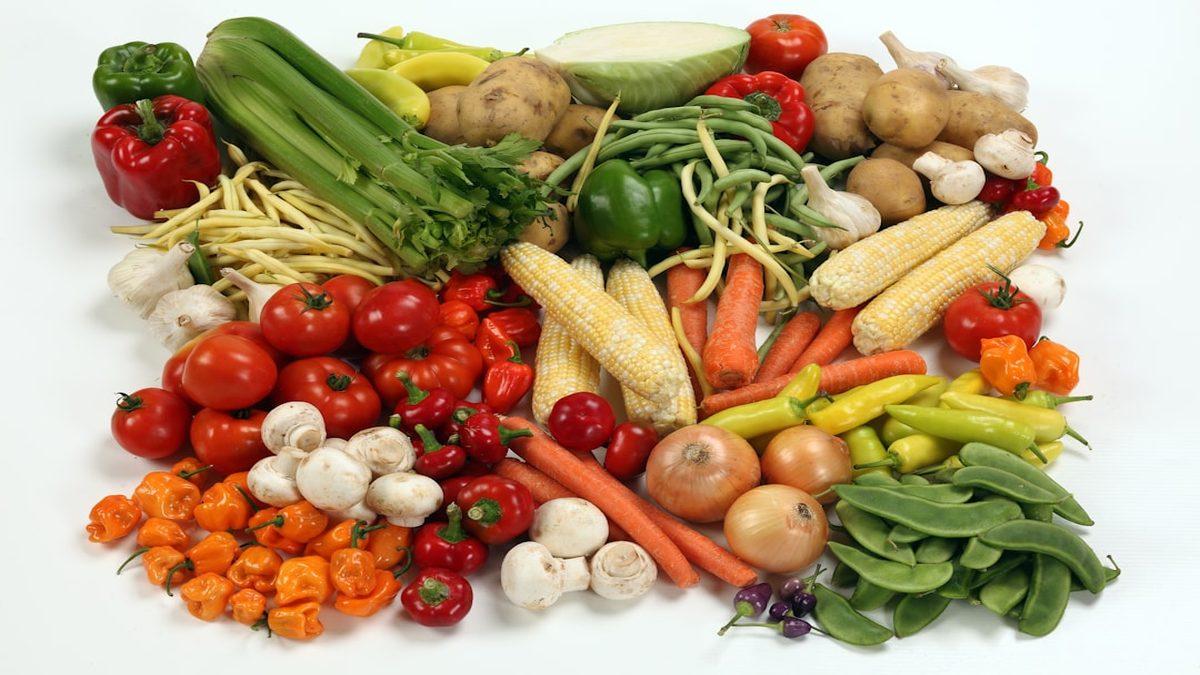
Understanding Ancestral Eating Plant-Forward: What It Really Means
Before processed foods lined grocery store shelves, before nutrition became a complicated science, people ate what the land provided. They gathered wild greens, foraged for nuts and berries, cultivated grains and legumes, and preserved vegetables through fermentation and drying. This wasn't a "diet" in the modern sense—it was simply life. When we talk about ancestral eating plant-forward today, we're talking about reclaiming that simplicity while adapting it to our modern kitchens.
The Foundation: Plants as the Center of Every Meal
Traditional eating patterns across virtually every culture shared one thing in common: plants formed the foundation of daily meals. Whether it was the Mediterranean reliance on olive oil, vegetables, and legumes, the Asian emphasis on rice, greens, and fermented soy, or the African traditions built around millet, sorghum, and leafy vegetables—plants were never an afterthought. They were the main event. According to Harvard Health's research on plant-based eating, diets centered around whole plant foods consistently support long-term wellness across populations. This isn't about eliminating anything entirely; it's about shifting the balance back toward what nature provides most abundantly.
Whole Foods Over Processed Alternatives
Our ancestors didn't have access to protein powders, vitamin-fortified cereals, or plant-based meat substitutes engineered in laboratories. They ate food in its whole, recognizable form. A bean was a bean. A carrot was a carrot. When you embrace ancestral eating plant-forward, you learn to see whole foods as complete packages of nourishment rather than collections of isolated nutrients. A handful of walnuts provides healthy fats, fiber, and minerals all working together. A bowl of lentils offers protein alongside iron and folate in their natural forms. This wholeness is something no processed alternative can truly replicate.
Why Our Modern Plates Lost Their Way
Somewhere along the way, we stopped trusting the simplicity of real food. Marketing convinced us we needed special products, complicated meal plans, and expensive supplements to be healthy. We outsourced our nourishment to corporations and forgot that our great-grandparents thrived on gardens, pantries stocked with dried beans, and kitchens where meals were made from scratch. The industrialization of food brought convenience, certainly—but it also brought confusion, disconnection, and plates increasingly filled with things that barely resemble food at all.
The Rise of Complexity and Confusion
Every few years, a new villain emerges in the nutrition world. First it was fat, then carbs, then sugar, then gluten. We've been told to count calories, track macros, eliminate food groups, and follow increasingly restrictive protocols. Meanwhile, the simple wisdom of ancestral eating plant-forward traditions—eat real food, mostly plants, in reasonable amounts—gets buried under noise. The truth is that our ancestors never needed a nutrition app. They ate what was available, what was seasonal, and what their communities had prepared for generations. There's profound freedom in returning to that simplicity.
Reconnecting with Food as Nourishment
When you begin practicing ancestral eating plant-forward, something shifts. Food stops being a source of anxiety and becomes a source of pleasure and grounding. You start noticing the sweetness of a ripe tomato, the earthiness of freshly cooked quinoa, the satisfying creaminess of well-prepared hummus. You remember that eating is one of life's great joys—not a problem to be solved or a calculation to be optimized. This reconnection is perhaps the most valuable thing traditional eating patterns offer us today.
Building Your Ancestral Plate: Practical Foundations
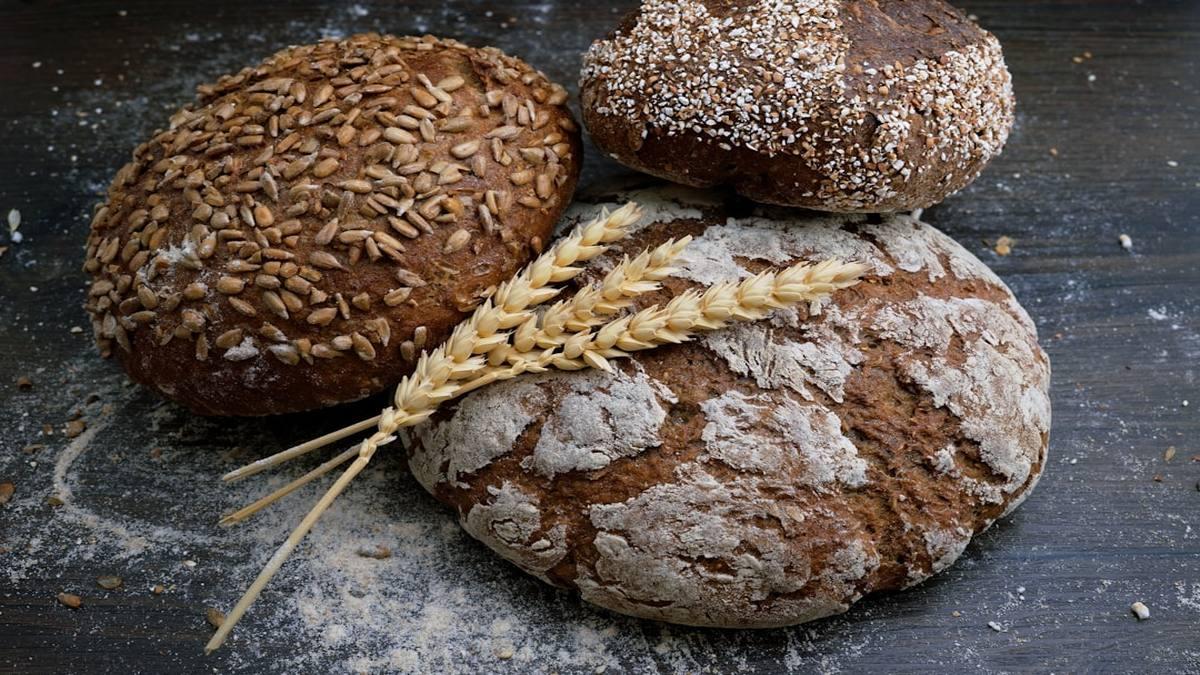
So what does ancestral eating plant-forward actually look like on a daily basis? It's simpler than you might imagine. Think of your plate in three parts: a generous portion of vegetables (both raw and cooked), a serving of whole grains or starchy roots, and a source of plant protein like beans, lentils, or tempeh. Add healthy fats from nuts, seeds, or olive oil, and finish with herbs, spices, and fermented foods for flavor and digestive support. That's the template—endlessly adaptable to your tastes, your season, and your kitchen.
Vegetables: The True Stars
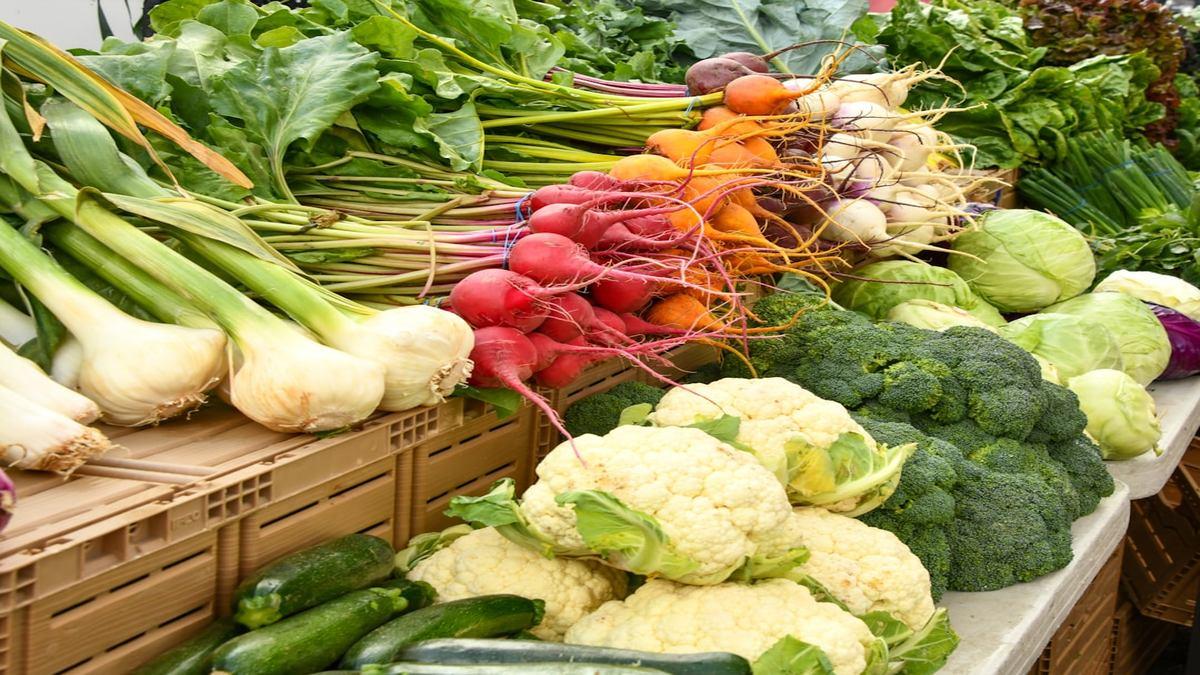
In ancestral traditions, vegetables weren't side dishes—they were central. Leafy greens, root vegetables, alliums like onions and garlic, cruciferous vegetables like cabbage and broccoli—these formed the bulk of daily eating. When you embrace this approach, aim to fill at least half your plate with vegetables at every meal. This isn't about forcing yourself to eat foods you don't enjoy. It's about exploring the incredible variety available and finding preparations that genuinely delight you. Roasted carrots with cumin. Sautéed greens with garlic. Raw cucumber salads with fresh herbs. The possibilities are endless when you make vegetables your foundation.
Grains, Legumes, and the Power of Simplicity
Whole grains and legumes have sustained human civilizations for millennia. Rice and lentils in India. Beans and corn in Central America. Wheat and chickpeas in the Middle East. These humble ingredients provide sustained energy, plant protein, and deep satisfaction. According to Mayo Clinic's guidance on whole grains, these foods support digestive health and provide essential nutrients in their unrefined forms. Keep a well-stocked pantry with a few varieties of each, and you'll always have the foundation for a nourishing meal. Brown rice, quinoa, oats, black beans, chickpeas, green lentils—these simple staples become the canvas for countless delicious meals.
Seven Steps to Embrace Ancestral Eating Plant-Forward Today
Transitioning to this way of eating doesn't require a dramatic overhaul of your life. Small, consistent changes create lasting transformation. Here are seven practical steps to guide your journey toward ancestral eating plant-forward living, each one building naturally on the last.
Step One Through Three: Clear, Stock, and Simplify
Begin by gently clearing your pantry of ultra-processed foods—those with ingredient lists you can't pronounce. You don't need to throw everything away at once; simply stop replacing these items as they run out. Next, stock your kitchen with whole food staples: dried beans and lentils, whole grains, nuts and seeds, olive oil, and a variety of spices. If you're looking for a simple framework to make this transition effortless, my Instant Plate Builder offers a straightforward system for creating balanced meals without overthinking. Finally, simplify your approach to cooking. Traditional meals were not complicated. A pot of beans, a grain, some vegetables, good seasoning—this is enough. Release the pressure to create elaborate dishes every night.
Steps Four Through Seven: Cook, Ferment, Season, and Gather
Step four: learn to batch cook basics like grains and legumes so you always have nourishing foundations ready in your refrigerator. Step five: introduce fermented foods slowly—sauerkraut, kimchi, miso, or naturally fermented pickles. These traditional preparations support digestion and add complex flavors to simple meals. Step six: build a collection of quality herbs and spices. Our ancestors used these not just for taste but as part of traditional wellness practices. Step seven: whenever possible, share meals with others. The communal aspect of eating is something modern life has often stripped away, yet it remains central to how humans are meant to nourish themselves. These seven steps, practiced consistently, transform how you relate to food entirely.
Frequently Asked Questions About Ancestral Eating Plant-Forward
Is ancestral eating plant-forward the same as being vegan?
Not exactly. While this approach centers plants as the foundation of every meal, it's not about strict labels or rigid restrictions. Traditional eating patterns were primarily plant-based by necessity and wisdom, but they weren't defined by modern dietary categories. The focus here is on whole, natural foods from the earth—vegetables, fruits, grains, legumes, nuts, and seeds—without the pressure of perfection. It's a flexible, intuitive way of eating rather than a rulebook to follow.
How do I get enough protein with ancestral eating plant-forward?
Protein concerns often stem from modern misconceptions about what our bodies need. Legumes, whole grains, nuts, seeds, and certain vegetables all contain protein. When you eat a variety of these foods throughout the day, you naturally meet your body's needs without obsessive tracking. Traditional cultures thrived on combinations like rice and beans, hummus and pita, or lentils with greens—complete nourishment without any calculations required.
Can children follow this way of eating too?
Absolutely. Children often take naturally to simple, whole foods when they're introduced early and presented without pressure. The same principles apply—vegetables, grains, legumes, fruits, nuts, and seeds in age-appropriate preparations. For families looking for practical guidance, my Kids Plate Builder adapts the same plant-forward system for younger palates, making mealtimes simpler for the whole family.
There's something deeply reassuring about returning to ancestral eating plant-forward patterns. In a world of endless nutrition debates and conflicting advice, this approach offers clarity and peace. It reminds us that nourishment doesn't have to be complicated—that for most of human history, it wasn't. One plate at a time, one meal at a time, we can reconnect with the simple abundance that sustained generations before us.
Your Next Step
If this way of eating resonates with you—if you're ready to step off the diet roller coaster and embrace something simpler and more sustainable—I'd love to support your journey. Everything I use and recommend, including my meal-building guides and plant-forward resources, lives in one place. Visit my plant-forward kit and take the first step toward nourishing yourself the way your body was always meant to be nourished. No pressure, no perfection required—just real food, simple rhythms, and a quieter way of living fully.