Cow's Milk vs. Plant Milk: A Nutrition Guide
Confused by the milk aisle? This guide compares cow's milk and popular plant-based alternatives on nutrition, health goals, and kitchen use. Make your best choice.
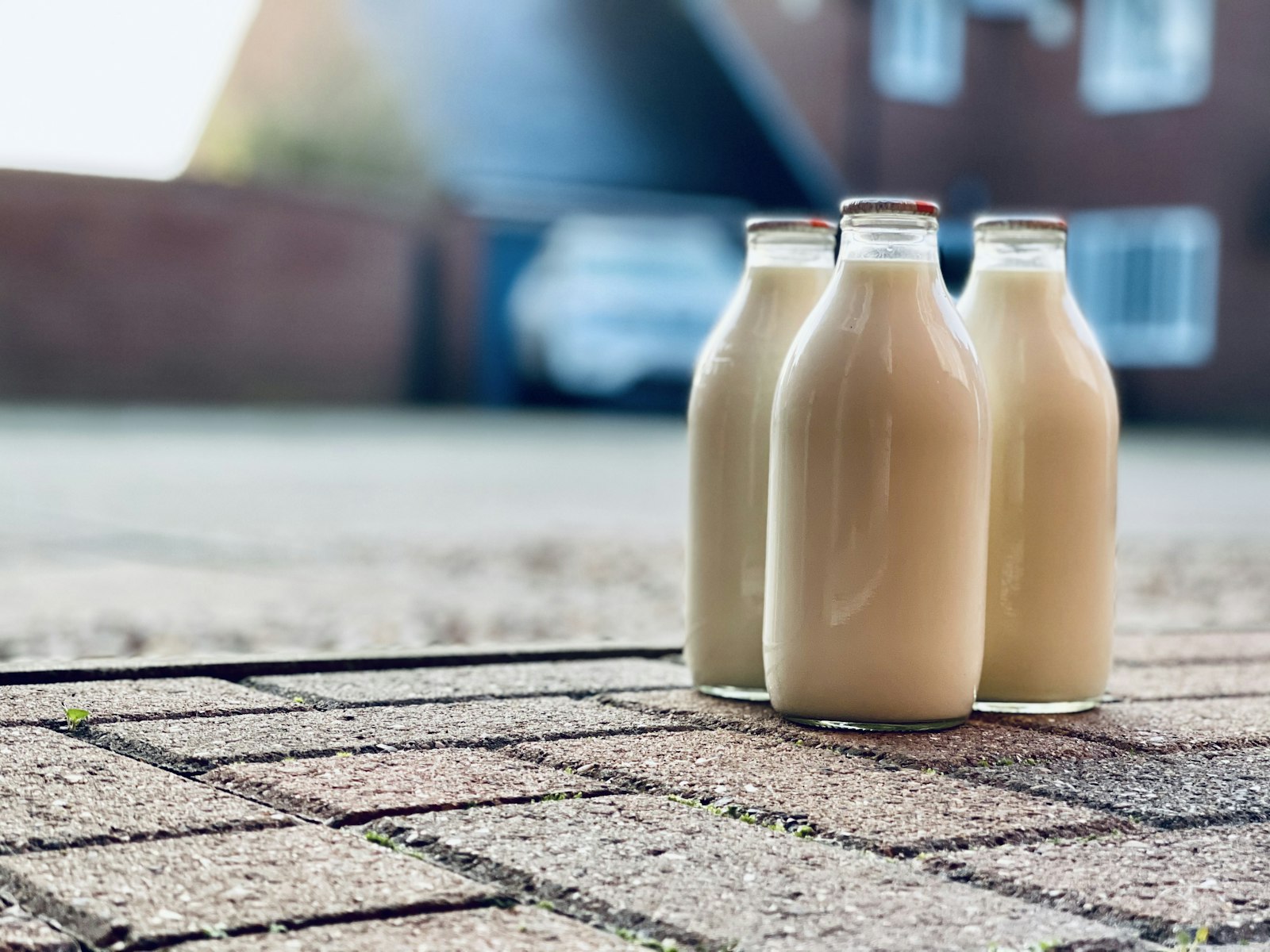
Choosing a milk used to be simple. Now, the dairy aisle is crowded with options derived from nuts, seeds, legumes, and grains, each with its own nutritional profile. This guide offers a clear, evidence-based comparison to help you choose the right milk for your body and your kitchen.
We'll compare the most common plant-based milks to traditional cow's milk, focusing on unsweetened versions to provide a fair baseline. As the Mayo Clinic notes, understanding these differences is key to building a balanced diet.
Nutritional Snapshot: Milk vs. Plant-Based Alternatives
This table compares the approximate nutritional values per 1 cup (240ml) serving for several popular milk types. Values can vary by brand, so always check the label.
| Milk Type | Calories | Protein (g) | Fat (g) | Carbs (g) | Notes |
|---|---|---|---|---|---|
| Whole Cow's Milk | 150 | 8 | 8 | 12 | Contains natural sugars (lactose). A good source of calcium and vitamin D. |
| Skim Cow's Milk | 90 | 8 | 0 | 12 | Lower in calories and fat, but with the same protein and carbs as whole milk. |
| Soy Milk (Unsweetened) | 80 | 7 | 4 | 4 | The most comparable plant-based milk to cow's milk in terms of protein. |
| Almond Milk (Unsweetened) | 30 | 1 | 2.5 | 1 | Low in calories, protein, and carbs. Not a significant source of nutrition unless fortified. |
| Oat Milk (Unsweetened) | 120 | 3 | 5 | 16 | Higher in carbohydrates and naturally sweeter. Contains some soluble fiber. |
| Coconut Milk (Beverage) | 70 | 0 | 5 | 7 | Very low in protein. Higher in saturated fat than other plant milks. (Do not confuse with canned coconut milk). |
Choosing a Milk for Your Health Goals
The "best" milk depends entirely on your individual needs and dietary goals.
For Muscle Support
Protein is essential for building and repairing muscle tissue. Cow's milk and soy milk are the clear winners here, providing 8 and 7 grams of complete protein per cup, respectively. Most other plant-based milks are not a significant source of protein.
For Weight Management
If your goal is calorie reduction, unsweetened almond milk is an excellent choice, with only about 30 calories per cup. Skim cow's milk is also a relatively low-calorie, high-protein option.
For Blood Sugar Control
For those managing blood sugar, unsweetened milks are a must. Unsweetened almond milk and soy milk are very low in carbohydrates. While oat milk is popular, be mindful that it is significantly higher in carbohydrates and can have a greater impact on blood sugar levels than other alternatives.
For Gut Comfort
Lactose, a sugar found in cow's milk, can cause digestive issues for many people. If you are lactose intolerant, all plant-based milks are a safe and comfortable alternative.
How to Read a Milk Label
When buying plant-based milk, a quick label check can ensure you're getting a high-quality product.
- Look for "Unsweetened": Many flavored or original versions of plant milks contain significant amounts of added sugar. "Unsweetened" is your best bet for health.
- Check for Fortification: Cow's milk is naturally rich in calcium. Plant-based milks are not, so it's important to choose one that has been fortified with calcium and vitamin D to match the micronutrient profile of dairy.
- Scan the Ingredient List: Don't be alarmed by a long ingredient list, but be aware of additives like gums and thickeners. These are generally considered safe but can cause digestive upset in a small number of people.
Frequently Asked Questions
Is one type of milk better for coffee?
Oat milk is the fan favorite for coffee because its higher fat and carbohydrate content allows it to steam and froth into a creamy, stable foam similar to cow's milk. Soy milk also performs well. Almond and coconut milks can sometimes separate in hot liquid.
Are gums and thickeners in plant milk unhealthy?
Gums like gellan gum and locust bean gum are common, FDA-approved additives used to create a smooth, stable texture. For most people, they are perfectly safe. However, individuals with very sensitive digestive systems may find they cause bloating or discomfort.
Why is my homemade plant milk so different from store-bought?
Commercial plant milks contain emulsifiers and thickeners to prevent separation and create a homogenous, creamy texture. Homemade milk is simply the plant product and water, so it will naturally separate and have a thinner consistency.
The Bottom Line
Both cow's milk and plant-based milks can be part of a healthy diet. Cow's milk and soy milk offer the highest quality protein. Unsweetened almond milk is a great low-calorie option. Oat milk provides creaminess but comes with more carbs. Reading labels and aligning your choice with your personal health goals will always lead you to the best decision. For more deep dives into nutrition research, NutritionFacts.org is an excellent resource.