5 Traditional Herbs Backed by Clinical Evidence
Five traditional herbs—garlic, turmeric, ashwagandha, ginkgo, and ginseng—whose traditional uses are supported by clinical research, with doses, mechanisms, and safety notes.
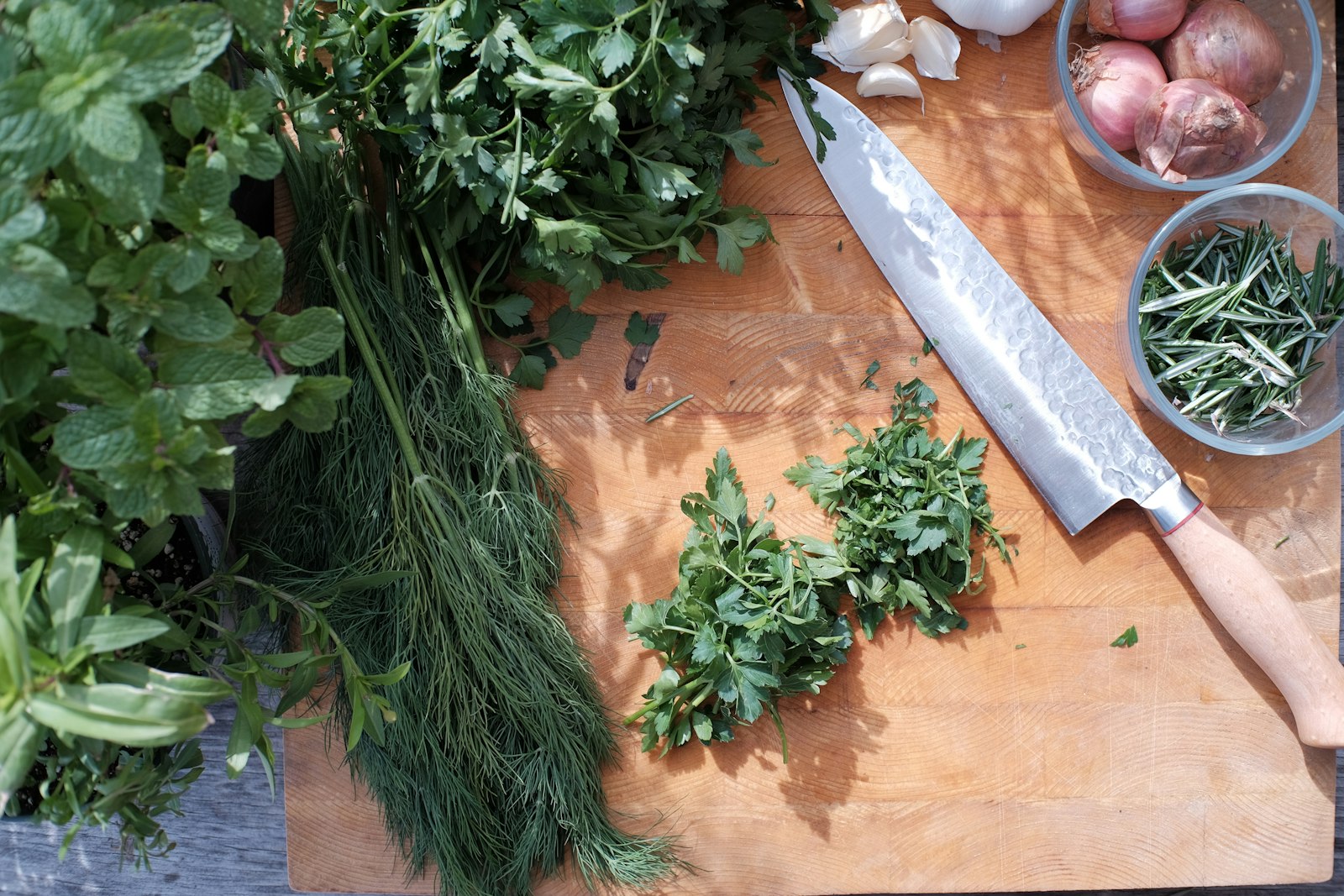
Herbs: When Dr. Sarah Chen began her career as an oncologist she dismissed traditional herbal remedies as unscientific folklore. That changed when a colleague shared recent research on turmeric’s anti-inflammatory properties. “I was stunned by the rigor of the clinical trials,” she recalls. “It made me rethink my entire approach to complementary medicine.”
Dr. Chen’s change of heart reflects a broader shift in healthcare. Traditional herbs once relegated to alternative medicine are increasingly entering mainstream clinical practice, supported by controlled studies, standardized extracts, and clearer safety guidance. This aligns with holistic approaches that integrate traditional wisdom with modern science, such as those described in our guide to holistic health strategies.
The scientific revolution in herbal medicine
Traditional systems—Ayurveda, Traditional Chinese Medicine (TCM), and indigenous herbal practices—relied on careful observation passed down through generations. The World Health Organization recognizes that traditional medicine emphasizes nature-based remedies and holistic approaches to restore balance, while noting the need for safety and quality standards (WHO Traditional Medicine).
Modern herbal research typically follows a sequence: ethnobotanical leads point to promising plants, laboratory studies isolate active compounds, animal models test safety and mechanisms, and randomized controlled trials in humans confirm clinical effects. The National Center for Complementary and Integrative Health (NCCIH) provides resources on how clinical validation clarifies benefits, risks, and interactions (NCCIH).
Market trends also reflect growing interest: the brain health supplement market is currently valued at approximately $7.6 billion and is projected to grow to $15.59 billion by 2030, according to recent market research. That expansion is driven not only by consumer demand but by an accumulating body of clinical evidence for specific natural compounds.
Garlic (Allium sativum): the heart’s ancient guardian
Traditional background
Garlic’s medicinal use spans more than 5,000 years across cultures from ancient Egypt to China, India, and Greece. Traditional uses emphasized infection control, improved circulation, and heart health—intuitions that modern research has largely validated.
Clinical evidence
Recent meta-analyses show garlic preparations can reduce blood pressure by approximately 9% when using 0.6–1.2 g of garlic powder daily. That magnitude of effect is comparable to some first-line blood pressure medications but often with fewer side effects. Research published in PMC reports an inverse correlation between garlic consumption and reduced risk of cardiovascular disease progression (PMC review).
Multiple studies also demonstrate garlic’s ability to:
- Lower total cholesterol by 7–10%
- Inhibit platelet aggregation, reducing clot formation risk
- Improve arterial elasticity
A 2023 study in The Journal of Nutrition found that aged garlic extract significantly reduced progression of coronary atherosclerosis in patients already receiving standard care.
How it works
- Allicin and sulfur compounds released when garlic is crushed interact with red blood cells to produce hydrogen sulfide, a vasodilator.
- Garlic increases nitric oxide production, relaxing blood vessels.
- Antioxidant and anti-inflammatory pathways reduce oxidative stress and vascular inflammation involved in atherosclerosis.
Clinical applications
Standardized aged garlic extract (AGE) offers consistent potency and reduced odor. Typical protocols recommend 600–1,200 mg daily of standardized extract, roughly equivalent to 1–2 cloves of fresh garlic. Healthcare providers suggest AGE as a complementary option for patients with mild to moderate hypertension or those seeking preventive cardiovascular care, because extracts tend to cause minimal digestive discomfort or breath issues compared with raw garlic.
For clinical integration, see our piece on pharmacist-herbalist collaboration.
Turmeric (Curcuma longa): the golden anti-inflammatory
Traditional roots
Turmeric has been a cornerstone of Ayurvedic medicine for over 4,000 years, used for inflammation, digestion, wound healing, and skin conditions. Traditional formulations such as golden milk (turmeric with black pepper) align with modern strategies to improve absorption and efficacy.
Scientific validation
More than 3,000 studies have been published on curcumin, turmeric’s primary bioactive compound. Harvard Health notes clinical trials showing curcumin effects comparable to non-steroidal anti-inflammatory drugs (NSAIDs) for some conditions (Harvard Health).
Key findings include:
- A 2021 systematic review found curcumin significantly reduced visual analogue scale (VAS) pain scores in knee osteoarthritis patients compared to placebo.
- Clinical data report up to 58% reductions in pain and stiffness in arthritis patients using standardized extracts.
- Multiple studies show reductions in inflammatory biomarkers, including C-reactive protein and pro-inflammatory cytokines.
Johns Hopkins Medicine notes turmeric may help with osteoarthritis symptoms when used consistently (Johns Hopkins Medicine).
Bioavailability breakthrough
Early trials with unenhanced curcumin often showed limited effects because of poor absorption. Recent innovations improved bioavailability, explaining stronger results in newer studies:
- Piperine combination: black pepper extract can enhance curcumin absorption by up to 2,000%.
- Liposomal delivery: encapsulating curcumin in phospholipid vesicles increases bloodstream absorption.
- Phytosome technology: binding curcumin to phosphatidylcholine improves cellular uptake.
- Nano-curcumin: microscopic particles allow better absorption.
Clinical applications
Current evidence supports 500–1,000 mg of curcumin with piperine daily for inflammatory conditions, particularly osteoarthritis. Some integrative clinics use curcumin to reduce post-surgical inflammation, typically starting two days before surgery and continuing through recovery. Clinicians often recommend curcumin as a first-line option for mild inflammation or as a complementary therapy for chronic inflammatory conditions. See our plant-based wellness strategies for related guidance.
Ashwagandha (Withania somnifera): the stress-fighting adaptogen
Ayurvedic heritage
Ashwagandha has been used for over 3,000 years in Ayurveda as a rasayana, a rejuvenative herb intended to promote physical and mental health. Its Sanskrit name means “smell of horse,” referring to its odor and the traditional belief it imparts strength and vitality.
Clinical research breakthroughs
The NIH Office of Dietary Supplements summarizes clinical trials showing ashwagandha significantly reduces stress and anxiety (NIH ODS).
Notable findings include:
- A landmark study in the Journal of Alternative and Complementary Medicine reported a 27.9% reduction in cortisol after 60 days of ashwagandha supplementation versus a 7.9% reduction in the placebo group.
- Multiple randomized controlled trials demonstrate significant reductions in stress and anxiety scores.
- Studies in healthy adults show improved strength and muscle mass with supplementation.
- Research indicates improved sleep quality and reduced insomnia severity.
Memorial Sloan Kettering Cancer Center notes limited clinical data suggesting ashwagandha promotes growth and improves various health parameters (MSKCC).
Mechanism of action
- HPA-axis modulation: helps regulate the hypothalamic-pituitary-adrenal axis, the central stress response system.
- GABAergic activity: components mimic gamma-aminobutyric acid, supporting calming effects.
- Neuroprotective withanolides: steroid lactones protect brain cells from stress-related damage.
Clinical protocols
Modern applications focus on standardized extracts, such as KSM-66, which preserve the herb’s active profile. Typical protocols include:
- Stress reduction: 300–600 mg of KSM-66 daily
- Sleep improvement: 300 mg before bedtime
- Exercise recovery: 500 mg twice daily
- Cognitive support: 300 mg twice daily
Most protocols require 4–12 weeks for maximal benefit, with many people noticing changes within the first month of consistent use.
Ginkgo biloba: the memory tree
Ancient wisdom
Ginkgo is a living fossil, essentially unchanged for some 270 million years and long used in traditional Chinese medicine to improve circulation and brain function.
Cognitive research
The literature on ginkgo shows mixed but promising results. The NCCIH provides an overview of ginkgo research and cautions (NCCIH ginkgo overview).
Key points include:
- A 2020 systematic review found modest cognitive improvements in patients with mild cognitive impairment using standardized ginkgo extract.
- Studies show increased cerebral blood flow and improved microcirculation in brain tissue.
- Research indicates enhanced neuroplasticity and neuroprotection against oxidative damage.
Not all trials show benefit, especially in healthy individuals without cognitive decline. The strongest evidence supports ginkgo for early-stage cognitive changes rather than as a broad preventive measure.
Active compounds
Ginkgo’s effects are attributed mainly to two groups of compounds:
- Flavonoids (ginkgo-flavone glycosides): antioxidant protection and improved blood vessel elasticity
- Terpenoids (ginkgolides and bilobalide): reduce inflammation and improve circulation by inhibiting platelet-activating factor
Evidence-based use
Clinical applications center on the standardized EGb 761 extract. Evidence supports:
- 120–240 mg daily of standardized EGb 761 for cognitive support
- Divided doses (morning and evening) for optimal effect
- Consistent use for at least 6–12 weeks before evaluating benefit
- Potential improvements in attention, processing speed, and memory in age-related cognitive changes
Some European formularies include standardized ginkgo extracts for treating mild cognitive impairment.
Ginseng (Panax ginseng): the energy root
Royal heritage
Ginseng has been revered in Traditional Chinese Medicine for over 2,000 years as a superior tonic that increases vital energy and supports longevity.
Clinical evidence
Clinical trials listed in the WHO database and reviews describe multiple therapeutic effects for various ginseng species (PMC clinical review).
Research indicates:
- Reduced mental and physical fatigue during cognitively demanding tasks
- Enhanced immune function, particularly natural killer cell activity
- Improved glucose regulation in diabetic and non-diabetic individuals
- Improvements in attention, working memory, and processing speed
A 14-week randomized controlled trial in the Journal of Translational Medicine found Korean Red Ginseng significantly increased immune cell activity compared with placebo (Journal of Translational Medicine study).
Ginsenoside science
Ginseng’s active compounds are ginsenosides, triterpene saponins with adaptogenic properties:
- Over 40 ginsenosides have been identified with varying effects.
- Different ginsenoside profiles explain differences between white, red, and American ginseng.
- Processing methods (steaming, drying, fermentation) alter ginsenoside composition and therapeutic properties.
Clinical applications
Common clinical uses and dosing include:
- Energy and stress: 200–400 mg standardized extract daily
- Immune support: 400 mg Korean Red Ginseng daily
- Cognitive enhancement: 200–400 mg standardized extract, often cycled (4 weeks on, 2 weeks off)
- Metabolic support: 200–400 mg American ginseng before meals
Asian ginseng (Panax ginseng) tends to be more stimulating, while American ginseng (Panax quinquefolius) is milder and often preferred for metabolic support.
How each herb works in the body
Across the five herbs discussed, common mechanistic themes include antioxidant protection, anti-inflammatory activity, modulation of stress-response systems, improved microcirculation, and effects on neurotransmitter or hormonal pathways. Modern labs use mass spectrometry, genomic analysis, and advanced imaging to map these interactions more precisely.
Integration into modern healthcare
Working with healthcare providers
Integration requires communication and coordination. Key considerations:
- Disclosure: always inform providers about herbs you are taking.
- Interactions: some herbs affect medication metabolism or have additive effects.
- Timing: separate herbal supplements from medications when appropriate.
- Monitoring: follow up for benefits and potential side effects.
- Quality: choose manufacturers with third-party testing.
Mayo Clinic emphasizes that herbal supplements can interact with medications used to treat heart and blood vessel problems (Mayo Clinic guidance).
Quality and standardization
Research-backed herbs require standardization, third-party testing, Good Manufacturing Practices (GMP), and formulations matching clinical trials. The difference between raw herbs and standardized extracts can be substantial; standardized extracts often concentrate active compounds at levels difficult to achieve with traditional preparations. WebMD offers guidance on what to know before taking herbal supplements (WebMD).
Dosage and safety reference
Safety considerations
The NCCIH provides detailed information about herb-drug interactions (NCCIH on interactions). Selected cautions from clinical literature and guidance include:
- Garlic: may increase bleeding risk; consider temporarily discontinuing before surgery.
- Turmeric: generally well tolerated; use caution with gallbladder issues or when taking blood-thinning medications.
- Ashwagandha: avoid during pregnancy; may interact with thyroid medications.
- Ginkgo biloba: can increase bleeding risk; avoid with anticoagulant medications.
- Ginseng: may affect blood sugar; monitor closely if diabetic or using stimulants.
Start with lower doses and increase gradually, particularly with adaptogens like ashwagandha and ginseng. Monitor response and work with a knowledgeable clinician.
The future of evidence-based herbalism
Ongoing research
ClinicalTrials.gov lists thousands of active studies investigating herbal medicines (ClinicalTrials.gov). Trends include advanced -omics technologies, personalized responses based on genetics, improved delivery systems for absorption, and combination studies examining synergistic effects. Current trial listings show over 3,000 active studies investigating herbal medicines, reflecting sustained scientific interest.
Regulatory evolution
Regulatory frameworks are adapting. The FDA’s Botanical Drug Development guidance provides a pathway for botanical products to receive drug approval. International harmonization and evidence-based monographs, such as those from the American Herbal Pharmacopoeia, are improving quality standards and narrowing the gap between “natural” and “pharmaceutical” interventions.
Frequently asked questions
Are standardized extracts necessary?
Standardized extracts ensure consistent levels of active compounds and match what was used in clinical trials. For herbs with variable constituents, standardization and third-party testing improve reliability and safety.
How long before I should expect results?
Many herbs require consistent use for 4–12 weeks for maximal benefit. Some people notice changes within the first few weeks, especially for stress and sleep outcomes, but chronic conditions often need longer trials.
Can these herbs replace prescription medications?
These herbs are generally used as complementary approaches. Some studies show effects comparable to conventional drugs for specific outcomes, but you should not stop prescribed medications without consulting your healthcare provider.
How do I choose a reputable product?
Look for manufacturers that follow Good Manufacturing Practices, provide third-party testing, and use standardized extracts at doses aligned with clinical studies.
Who should avoid these herbs?
Pregnant or breastfeeding people, individuals on anticoagulants, or those with complex medical conditions should consult a qualified clinician before starting herbal supplements.
The bottom line
Garlic, turmeric, ashwagandha, ginkgo, and ginseng illustrate how traditional remedies can move from folklore to the clinic when studied with modern scientific methods. Clinical trials, standardized extracts, and clearer safety data allow these herbs to be used responsibly alongside conventional care.
This article is for informational purposes only and does not constitute medical advice. The herbs discussed may not be suitable for everyone and can interact with medications or health conditions. Always consult a qualified healthcare provider before starting any herbal supplement regimen, especially if you are pregnant, nursing, have a medical condition, or are taking medications. The dosages mentioned are based on clinical studies but may not be appropriate for your situation. Never delay seeking professional medical advice because of something you have read here. The authors and publisher disclaim liability for any adverse effects resulting directly or indirectly from information in this article.
Further resources
- PubMed
- ClinicalTrials.gov
- Cochrane Library
- National Center for Complementary and Integrative Health (NCCIH)
- WHO – Traditional Medicine
- NIH Office of Dietary Supplements
Related reads on The Holistic Life-Hub: The Timeless Tradition of Herbal Therapy, Your Pharmacist + Your Herbalist, and Unearthing Ancient Wisdom.