Whole Foods vs Processed Protein: 5 Simple Truths
Whole foods vs processed protein—discover why real food wins for lasting energy and wellness. Simple swaps inside. Start today.
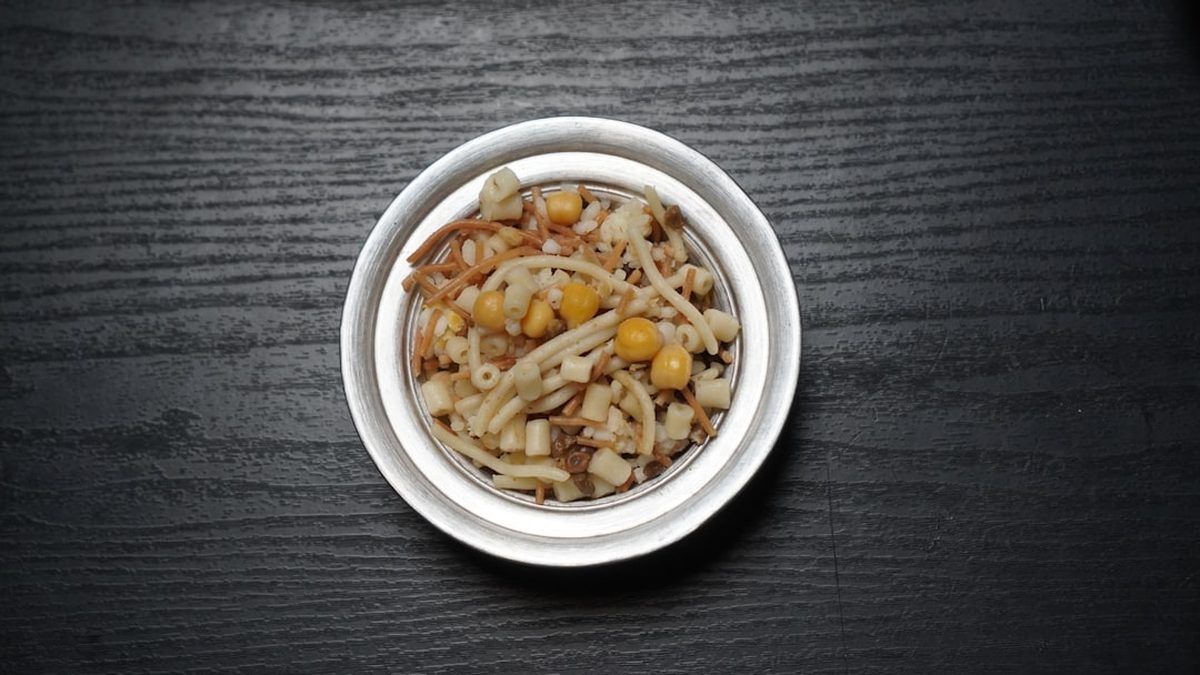
Whole foods beat processed high-protein products because they deliver protein alongside fiber, vitamins, minerals, and phytonutrients that work together—something no engineered powder or bar can replicate. When you eat a bowl of lentils or a handful of almonds, you're not just getting protein; you're receiving a complete nutritional package that your body recognizes and uses efficiently. This is the heart of whole foods vs processed protein, and understanding it can shift everything about how you nourish yourself. If you've ever felt confused by protein powders, bars wrapped in health claims, or supplements promising quick fixes, take a breath. There's a simpler path—one that honors how our ancestors ate and how our bodies actually thrive. Let's explore why returning to real, whole foods might be the most effortless choice you make for your wellbeing.
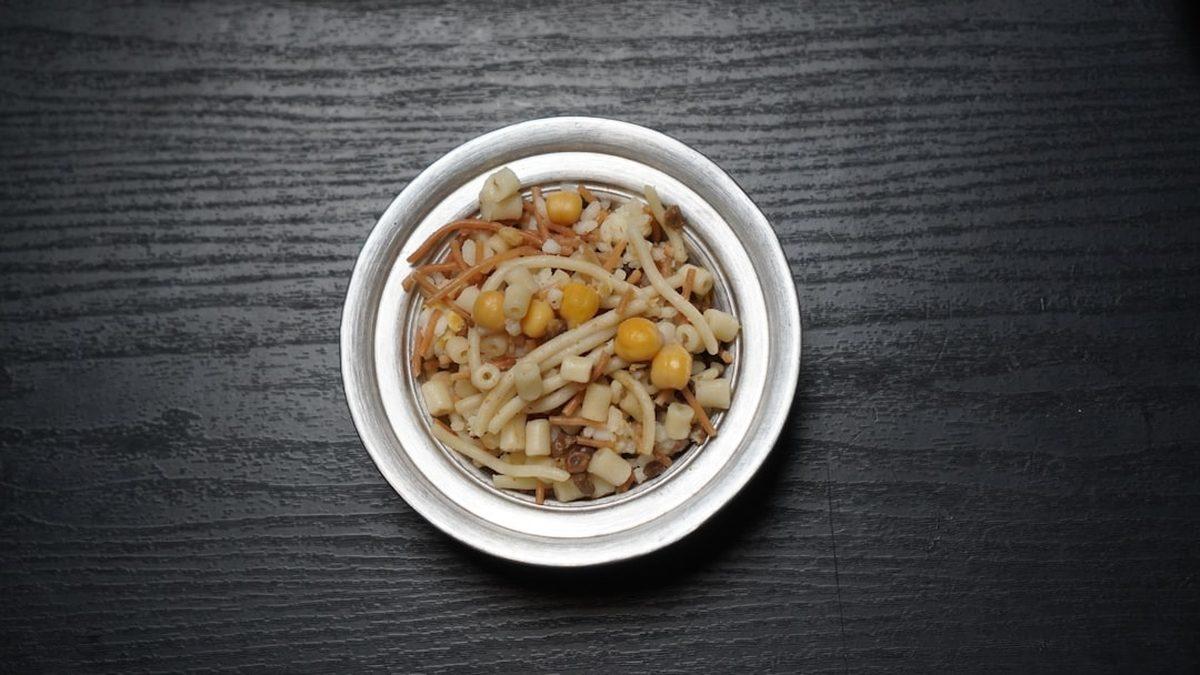
Why Whole Foods vs Processed Protein Matters for Your Body
The conversation around whole foods vs processed protein isn't just about trends or dietary preferences—it's about how your body actually processes what you eat. When you consume protein from whole plant sources like beans, quinoa, or hemp seeds, you're eating food in its natural matrix. This means the protein comes bundled with fiber that slows digestion, healthy fats that support absorption, and micronutrients that assist metabolic processes.
Processed protein products, on the other hand, are isolated compounds. They've been extracted, refined, and often combined with additives to improve taste, texture, or shelf life. While they may technically contain protein, they lack the symphony of nutrients that whole foods provide. According to Harvard Health research on plant-based nutrition, diets rich in whole plant foods are associated with better overall health outcomes than those relying on processed alternatives.
The Synergy of Nutrients in Real Food
Think of whole foods as a team where every player has a role. In a simple serving of black beans, you're getting protein, yes, but also iron, folate, magnesium, and resistant starch that feeds beneficial gut bacteria. These nutrients don't work in isolation—they enhance each other's absorption and effectiveness. This is called food synergy, and it's something that cannot be manufactured into a protein bar or powder.
When you eat processed protein products, you're essentially getting the star player without the supporting team. The protein might show up on the nutrition label, but without its natural companions, your body may not utilize it as efficiently. Some studies suggest that isolated nutrients behave differently in the body than the same nutrients consumed within whole foods.
What Processing Actually Removes
The journey from whole food to processed product involves stripping away components that manufacturers consider unnecessary—fiber, fats, and certain vitamins that don't survive the extraction process. What remains is a concentrated protein source, but concentration isn't the same as nourishment.
Many processed protein products also require additives to make them palatable. Sweeteners, emulsifiers, thickeners, and artificial flavors are common additions. Even products marketed as clean or natural often contain ingredients that wouldn't exist in your great-grandmother's kitchen. When we look at whole foods vs processed protein through the lens of simplicity, real food wins every time.
Understanding Your Body's Natural Protein Needs
There's a pervasive myth in wellness culture that we need massive amounts of protein to thrive. This belief has fueled the processed protein industry, convincing people that they need shakes, bars, and supplements to meet their daily requirements. But here's something worth considering: humans thrived for thousands of years on whole food diets without ever measuring grams of protein.
The truth is that protein needs are often overstated. Most adults eating a varied diet of whole plant foods—legumes, whole grains, nuts, seeds, and vegetables—naturally meet their protein requirements without any special supplementation. The question isn't whether you're getting enough protein; it's whether the protein you're consuming is serving your overall health.
How Whole Plant Foods Meet Protein Requirements
Consider the protein density of everyday plant foods. One cup of cooked lentils provides about 18 grams of protein. A cup of chickpeas offers around 15 grams. A quarter cup of almonds contains 7 grams. These aren't exotic superfoods—they're simple, affordable staples that have nourished communities across cultures for generations.
When you build your plates around these foods, protein takes care of itself. A morning bowl of oats with hemp seeds and walnuts, a lunch featuring a hearty bean salad, and a dinner with quinoa and roasted vegetables easily provides adequate protein for most adults. This is the approach I outline in my Instant Plate Builder—simple formulas that make balanced eating effortless.
The Myth of Protein Deficiency
Actual protein deficiency is rare in developed countries where food is abundant. What's far more common is an excess of processed foods and a deficiency of fiber, which most people don't get enough of. Interestingly, when you shift toward whole food protein sources, you naturally increase your fiber intake—something no protein powder can offer.
The processed protein industry benefits from keeping people worried about getting enough. But when we return to traditional eating patterns—plates filled with legumes, grains, and vegetables—the anxiety around protein dissolves. Your body knows what to do with real food.
Five Reasons Real Food Protein Supports Lasting Wellness
Moving beyond the basic comparison of whole foods vs processed protein, let's explore the specific ways that choosing real food sources can support your long-term wellbeing. These aren't dramatic claims or promises—just observations about how whole foods tend to work in our bodies compared to their processed counterparts.
According to Mayo Clinic guidelines on dietary fiber, whole plant foods provide essential fiber that supports digestive health, helps maintain healthy cholesterol levels, and promotes feelings of fullness. Processed protein products simply cannot compete in this regard.
Sustained Energy Without Crashes
One of the most noticeable differences people experience when switching from processed to whole food protein is energy stability. Processed products, especially bars and sweetened shakes, often cause blood sugar fluctuations that lead to energy peaks and valleys throughout the day.
Whole foods, with their intact fiber and complex carbohydrates, release energy slowly and steadily. A lunch built around chickpeas and vegetables keeps you feeling satisfied and energized for hours, without the mid-afternoon slump that often follows a processed protein bar. This isn't magic—it's simply how real food works in the body.
Better Digestive Comfort
Many people report digestive discomfort from protein powders and bars—bloating, gas, or general unease. This isn't surprising when you consider the isolated proteins, artificial sweeteners, and additives these products often contain. The digestive system evolved to process whole foods, not engineered compounds.
When you eat protein from sources like beans, lentils, or tempeh, you're also consuming fiber that supports healthy gut motility and feeds beneficial bacteria. The transition to whole food protein often brings unexpected improvements in digestive comfort that people hadn't realized were possible.
Making the Shift: Simple Whole Foods vs Processed Protein Swaps
Understanding the benefits is one thing; making practical changes is another. The good news is that shifting toward whole food protein doesn't require dramatic overhauls or complicated meal planning. It's about simple swaps that gradually become second nature.
The key is thinking in terms of real food first. Before reaching for a processed product, ask yourself: is there a whole food that could serve the same purpose? Almost always, the answer is yes—and the whole food option usually costs less while offering more nutritional value.
Breakfast Transformations
Instead of a protein shake, consider a bowl of steel-cut oats topped with chia seeds, walnuts, and fresh berries. This simple breakfast provides protein, fiber, healthy fats, and antioxidants—all in a form your body recognizes and uses efficiently.
If smoothies are your preference, blend whole foods rather than relying on protein powder. Hemp seeds, nut butters, oats, and silken tofu all add protein naturally. A smoothie built from real ingredients satisfies differently than one built around isolated powders—the fullness lasts longer, and the energy feels cleaner.
Snack Upgrades
Protein bars are perhaps the most common processed protein product people reach for. While convenient, they're often glorified candy bars with added protein powder. A handful of almonds and a piece of fruit offers comparable protein with none of the additives—and takes the same amount of time to grab.
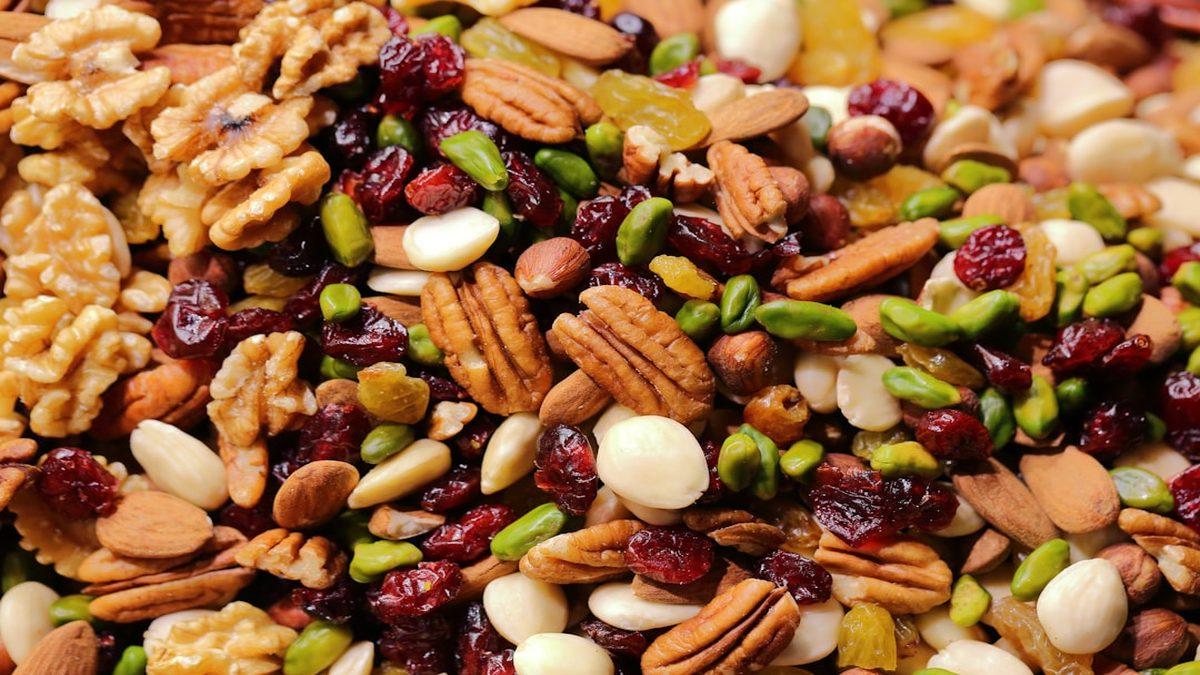
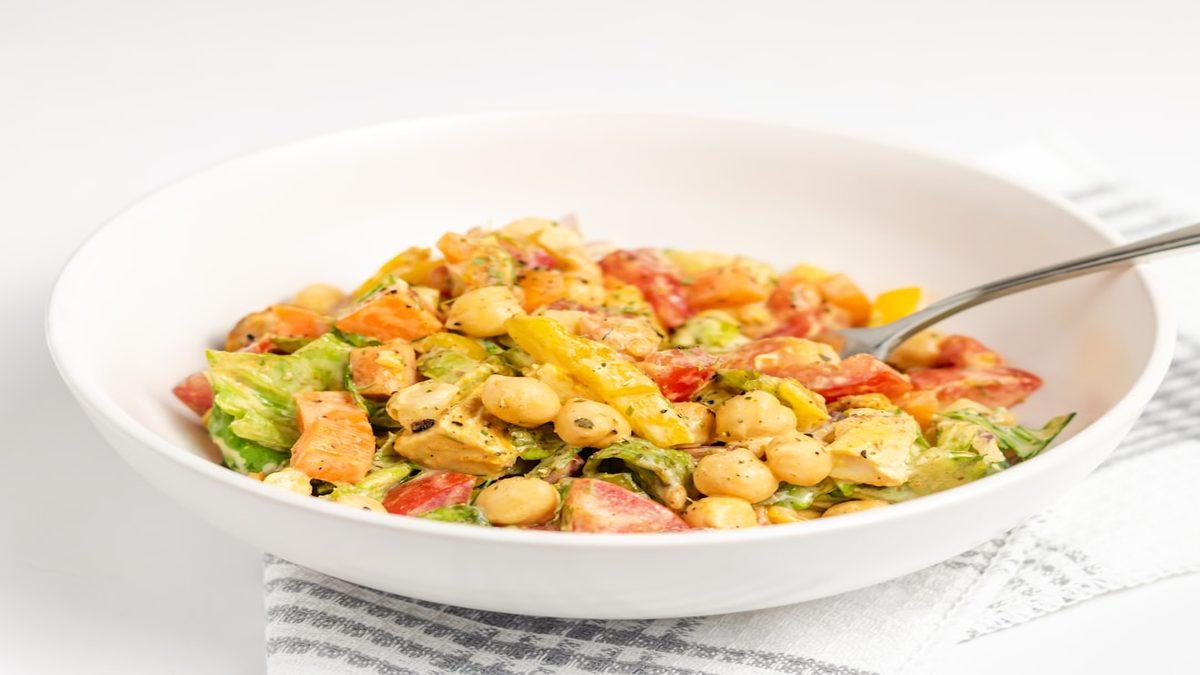
Other whole food snack options include hummus with vegetables, a small portion of trail mix with nuts and seeds, or leftover bean salad from dinner. These options might seem less glamorous than products in shiny wrappers, but they're far more aligned with how our ancestors fueled themselves between meals.
Frequently Asked Questions About Whole Foods vs Processed Protein
Can I get enough protein from whole plant foods alone?
Absolutely. A varied diet including legumes, whole grains, nuts, seeds, and vegetables provides ample protein for most adults. Traditional cultures around the world have thrived on plant-forward diets without protein supplements. The key is variety and adequate calories—when you eat enough whole plant foods, protein takes care of itself naturally.
Are all processed protein products equally problematic?
Not all processed products are created equal. Some minimally processed options, like simple pea protein with few additives, may be preferable to highly engineered bars loaded with sweeteners and fillers. However, even the cleanest processed protein lacks the nutritional synergy of whole foods. When comparing whole foods vs processed protein, the whole food option remains superior for overall nourishment.
How do I transition if I'm currently reliant on protein supplements?
Start gradually. Replace one processed protein serving per day with a whole food alternative—perhaps swapping your afternoon protein bar for a handful of nuts and an apple. As you become more comfortable, continue substituting until whole foods become your primary protein sources. The Instant Plate Builder offers simple frameworks that make this transition feel natural and sustainable.
The conversation around whole foods vs processed protein ultimately comes back to simplicity. Our bodies evolved eating real food—plants pulled from the earth, seeds, legumes, and grains prepared with care. No laboratory can improve upon what nature designed over millions of years. When we return to this way of eating, something settles. The confusion lifts, the anxiety around nutrition fades, and we find ourselves nourishing simply, one plate at a time.
Your Next Step
If you're ready to embrace whole food eating without the overwhelm, I've gathered everything I use into one simple place. From meal formulas to practical guides, you'll find resources designed to make plant-forward living genuinely effortless. Visit my plant-forward kit and discover what resonates with where you are right now. No pressure, no perfection required—just real food, made simple.