Whole Foods Beat Processed Diet Products: 5 Simple Reasons
Whole foods beat processed diet products for lasting wellness. Discover why real food nourishes better than any package promises. Start today.
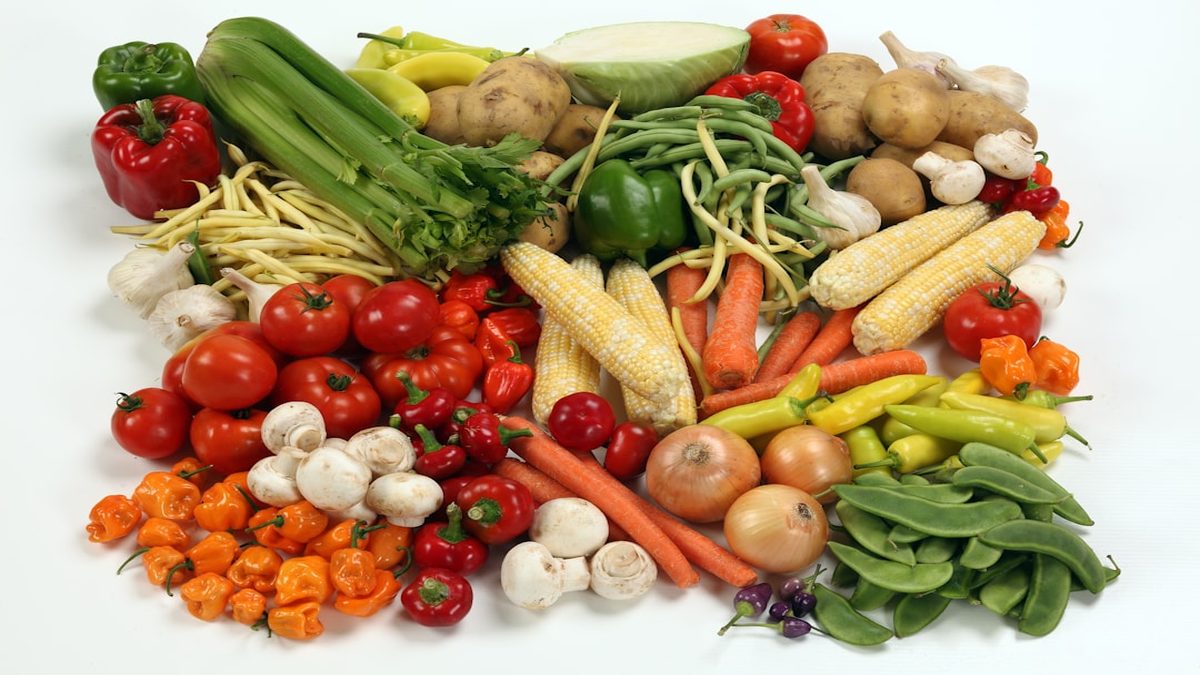
Whole foods beat processed diet products because real, unaltered ingredients provide complete nutrition that manufactured alternatives simply cannot replicate—no clever marketing or laboratory formulation changes this fundamental truth. Your body recognizes an apple, understands lentils, and knows exactly what to do with a handful of walnuts. It often struggles with the isolated compounds, synthetic additives, and stripped-down nutrients found in most diet products lining grocery store shelves. This is not about being perfect or following rigid rules. It is about returning to a simpler way of eating—the way our ancestors nourished themselves for generations—one plate at a time. If you have tried every diet shake, protein bar, and miracle supplement only to feel more confused and less energized, you are in good company. The path forward might be wonderfully simple: choosing real food over processed promises.
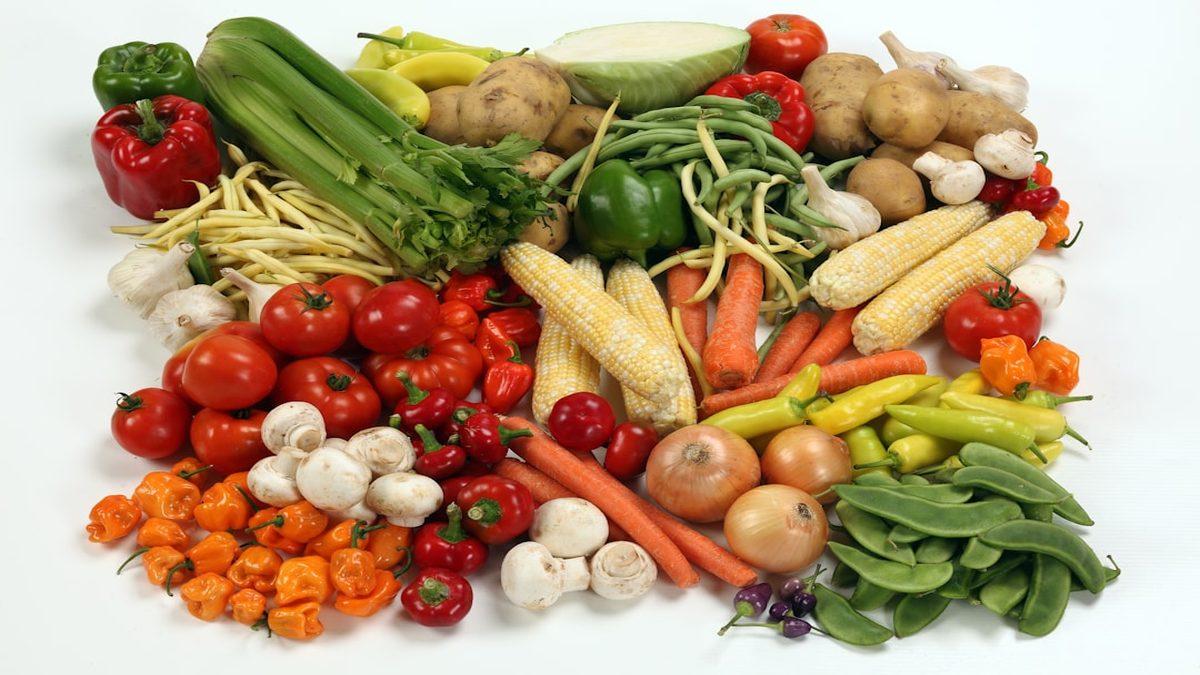
Why Whole Foods Beat Processed Diet Products in Your Body
When you bite into a ripe peach or scoop warm oatmeal into a bowl, something remarkable happens. Your digestive system engages with food in the form nature intended—fiber intact, nutrients bound together in their original matrix, and countless phytocompounds working in harmony. Processed diet products, even those marketed as healthy, often deliver nutrients in isolation. That vitamin C added to a diet shake behaves differently than the vitamin C nestled within an orange alongside bioflavonoids and fiber that help your body absorb and use it effectively.
The Synergy of Nutrients in Real Food
Scientists call it the food matrix effect, and it explains why whole foods beat processed diet products at the cellular level. When you eat a bowl of black beans, you receive protein, fiber, iron, folate, and dozens of other compounds that work together. The fiber slows digestion, allowing steady nutrient absorption. The vitamin C in the tomatoes you add helps your body absorb the iron from the beans. This is nutritional teamwork that no laboratory can fully recreate. Research from Harvard Health consistently points to whole food patterns as foundational for lasting wellness, noting that isolated nutrients rarely deliver the same benefits as their whole food sources.
How Processing Strips Away What Matters
Consider what happens when wheat becomes a processed diet cracker. The bran and germ—where most fiber, B vitamins, and minerals live—are often removed to extend shelf life and create a uniform texture. What remains is primarily starch, sometimes fortified with synthetic versions of the nutrients that were stripped away. Your body notices the difference. Blood sugar spikes faster without fiber to slow things down. Satiety signals come later or not at all. Meanwhile, that simple bowl of intact wheat berries delivers everything in perfect proportion, keeping you satisfied and nourished for hours.
The Hidden Cost of Processed Diet Products
Walk down any supermarket aisle and you will find products shouting promises: low-fat, high-protein, fortified with vitamins, supports metabolism. The packaging suggests these items are shortcuts to wellness. But look closer at the ingredient lists, and a different story emerges. Many processed diet products rely on additives, stabilizers, and sweeteners to make up for what natural processing removes. These additions keep products shelf-stable and palatable, but they also introduce compounds your great-grandmother would not recognize as food.
Reading Labels With Clear Eyes
There is nothing wrong with occasionally enjoying convenient foods. Life is busy, and perfection is not the goal. However, becoming a gentle observer of ingredient lists can be illuminating. When a diet bar contains twenty-five ingredients, most of which require a chemistry degree to pronounce, consider what that means. Compare it to a simple snack of apple slices with almond butter—two ingredients, both recognizable, both nourishing. This awareness is not about creating fear around food. It is about understanding that whole foods beat processed diet products not through deprivation but through genuine nourishment that satisfies on every level.
The Marketing Machine Behind Diet Products
Billions of dollars flow into convincing us that health comes in packages. Diet products are positioned as solutions to problems, often problems that simple whole food eating would address naturally. Feeling sluggish? Here is an energy bar. Wanting to manage weight? Try this meal replacement shake. Craving something sweet? Reach for this sugar-free, artificially sweetened treat. Each purchase feeds an industry that profits from complexity. Meanwhile, a farmers market apple costs pennies, requires no marketing budget, and delivers exactly what your body needs—fiber, natural sweetness, hydration, and quiet satisfaction.
Building a Plant-Forward Whole Food Foundation
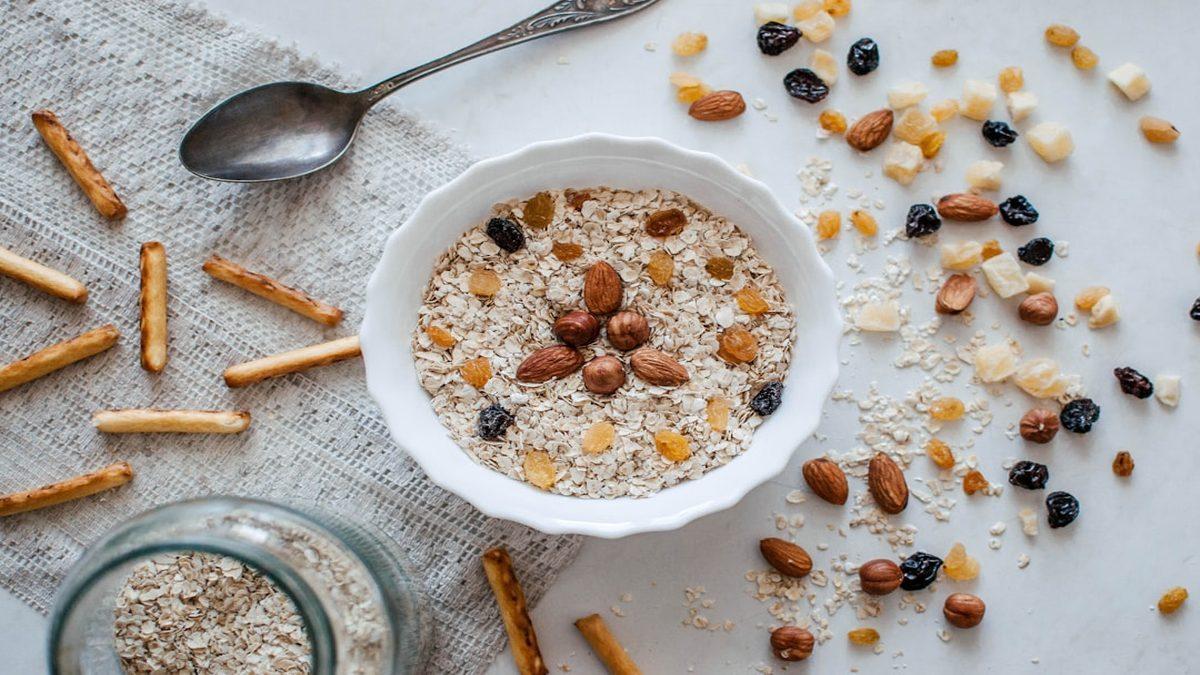
Embracing whole foods does not require overhauling your entire life overnight. Small shifts create lasting change. Starting with breakfast, you might swap a processed cereal bar for overnight oats topped with fresh berries and a sprinkle of seeds. At lunch, instead of reaching for a diet-branded frozen meal, perhaps a simple grain bowl with roasted vegetables and a tahini drizzle becomes your new routine. These changes feel less like sacrifice and more like coming home to something your body has always wanted.
Simple Swaps That Actually Stick
The swaps that work are the ones that feel satisfying, not punishing. If you currently start mornings with a protein shake made from processed powder, consider blending frozen bananas, spinach, nut butter, and oats instead. You get protein from the oats and nut butter, natural sweetness from the banana, and a flood of nutrients from the greens. The texture is creamy, the taste is genuinely delicious, and the satisfaction lasts until lunch without the strange aftertaste that many diet products leave behind. If you want structure for building these kinds of meals, the Instant Plate Builder offers a simple formula that makes plant-forward eating intuitive rather than complicated.
Whole Grains, Legumes, and Vegetables as Your Foundation
Our ancestors did not count macros or worry about isolated nutrients. They ate what grew around them—grains, beans, vegetables, fruits, nuts, and seeds—prepared simply and shared with others. This pattern sustained human health for thousands of years before processed diet products existed. Returning to this foundation does not mean rejecting modern life. It means recognizing that the most sophisticated nutrition technology already exists in a lentil, a sweet potato, or a handful of leafy greens. Mayo Clinic research supports what traditional cultures always knew: whole grains and plant foods form the backbone of eating patterns associated with vitality and longevity.
Why Whole Foods Beat Processed Diet Products for Lasting Energy
Energy is about more than calories. It is about how your body receives, processes, and utilizes fuel throughout the day. Processed diet products often deliver quick energy followed by crashes, leaving you reaching for another product to restore balance. Whole foods operate differently. They provide sustained energy through complex carbohydrates, fiber, and natural fats that digest slowly and steadily. This is not a marketing claim—it is simple physiology that anyone can experience by shifting their plate toward real food.
The Blood Sugar Connection
When you eat a processed diet product with added sugars or refined carbohydrates, your blood sugar rises quickly. Your body responds by releasing insulin to bring it back down, sometimes overcorrecting and leaving you feeling tired, foggy, or hungry again within an hour. Whole foods, with their intact fiber and complex structures, create a gentler curve. Blood sugar rises slowly, stays stable, and decreases gradually. You feel alert and focused longer without the rollercoaster that drives so much snacking and cravings. This steady energy is one clear reason whole foods beat processed diet products in daily life.
Nourishing Your Microbiome With Real Food
Inside your digestive system lives a vast community of beneficial bacteria that influence everything from mood to immune function. These microbes thrive on fiber and diverse plant compounds—exactly what whole foods provide abundantly. Processed diet products, often low in fiber and high in additives, offer little to feed this inner ecosystem. Some research suggests that certain artificial sweeteners and emulsifiers common in diet products may actually disrupt gut bacteria balance. Choosing whole foods is an act of kindness toward the trillions of tiny partners working to keep you well.

Frequently Asked Questions About Whole Foods Beat Processed Diet Products
Are all processed foods bad for wellness?
Processing exists on a spectrum. Frozen vegetables, canned beans, and rolled oats are technically processed but retain most of their nutritional value. The concern is with ultra-processed diet products that contain numerous additives, stripped nutrients, and isolated compounds. Focus less on perfection and more on choosing foods that still resemble their original form. A jar of natural peanut butter with one ingredient—peanuts—sits in a completely different category than a low-fat, artificially sweetened diet spread.
How can I transition away from diet products without feeling overwhelmed?
Start with one meal or snack. Perhaps breakfast becomes your whole food anchor while other meals remain unchanged for now. Once that feels easy, expand to another eating occasion. Keeping it simple matters more than keeping it perfect. A bowl of steel-cut oats with cinnamon and walnuts is both whole and quick once you get into a rhythm. Batch cooking grains and legumes on weekends creates building blocks for effortless weeknight meals without needing any packaged diet product.
Why do whole foods beat processed diet products for weight management?
Whole foods naturally support satiety through fiber, water content, and nutrient density. You feel satisfied eating reasonable portions because your body receives complete nourishment. Many processed diet products are engineered to be palatable without being filling, which can lead to overeating or constant hunger. When real food becomes your foundation, the struggle with portion control often diminishes because your body stops sending desperate signals for nutrients it is not receiving.
Understanding why whole foods beat processed diet products is really about understanding yourself—recognizing that your body already knows how to thrive when given proper fuel. This is not about restriction, guilt, or following complicated rules. It is about simplicity, about trusting what grows from the earth, and about nourishing yourself in a way that feels sustainable for the long journey ahead. Plant-forward eating rooted in whole foods is not a trend to try. It is a return to something we have always known.
Your Next Step
If you are ready to simplify your approach to eating well, all the resources I use and recommend live in one place. Visit my plant-forward kit to find everything you need—including the Instant Plate Builder—to make whole food eating feel effortless and enjoyable, one plate at a time.