5 Simple Small Appetite Meals: Plant-Forward Eating Guide
Small appetite meals that nourish fully with plant-forward whole foods. Gentle, nutrient-dense eating when hunger feels quiet. Start today.
When your appetite feels smaller, focus on nutrient-dense whole foods in gentle portions that deliver maximum nourishment without overwhelming your system—think creamy smoothie bowls, warming soups, and soft cooked vegetables that comfort rather than challenge. This is the quiet wisdom of plant-forward eating, and it works beautifully when hunger whispers instead of shouts. If you have been pushing through meals that feel too heavy or skipping food altogether because nothing sounds appealing, you are not alone. Small appetite meals built around whole, plant-rich ingredients offer a path that honors where your body is right now. These are the foods our grandparents turned to during quieter seasons of hunger—simple, digestible, deeply nourishing. In the next few minutes, I will walk you through exactly how to approach eating when your appetite shrinks, using gentle whole-food strategies that still deliver the vitamins, minerals, and energy your body needs to thrive.
Understanding Small Appetite Meals and Why They Matter
A smaller appetite is not a problem to fight—it is information your body is sharing with you. Perhaps you are recovering from an illness, navigating stress, adjusting to seasonal shifts, or simply moving through a phase where big meals feel like too much. Whatever the reason, forcing large portions rarely serves anyone well. Instead, small appetite meals invite us to rethink how we nourish ourselves, prioritizing quality and digestibility over quantity.
Plant-forward eating naturally supports this shift. Whole foods like leafy greens, cooked grains, ripe fruits, and creamy legumes tend to be easier on the digestive system than heavy processed foods or large portions of animal protein. They deliver concentrated nutrition in smaller packages, which is exactly what a gentle appetite needs. According to Harvard Health's research on plant-based eating, diets rich in whole plant foods support digestive health and overall vitality—benefits that become even more meaningful when eating feels like a challenge.
Listening to Your Body's Quiet Signals
When appetite decreases, many people panic and try to eat the same volume they always have. This approach often backfires, leading to discomfort, food aversion, or mealtime anxiety. A gentler path involves tuning into what actually sounds appealing—usually softer textures, milder flavors, and smaller portions. Your body knows what it can handle right now. Trust that knowing.
Plant-forward small appetite meals work with this intuition rather than against it. A warm bowl of oatmeal with mashed banana requires less digestive effort than a heavy breakfast plate. A simple vegetable broth with soft-cooked greens feels welcoming rather than overwhelming. These are not lesser meals—they are appropriately sized meals for where you are today.
The Nutrient Density Principle
When you eat less volume, each bite matters more. This is where the plant-forward approach truly shines. Whole foods like avocados, nut butters, seeds, dark leafy greens, and cooked legumes pack remarkable nutritional value into small servings. A quarter cup of pumpkin seeds delivers protein, zinc, magnesium, and healthy fats. A small handful of spinach stirred into a smoothie adds iron and folate without changing the texture much.
Building small appetite meals around these nutrient-dense whole foods ensures you still receive essential vitamins and minerals even when total food intake drops. This is the quiet magic of eating the way our ancestors did—simple ingredients, prepared simply, delivering everything the body needs.
Building Gentle Plant-Forward Plates
Creating small appetite meals does not require complicated recipes or special ingredients. It requires a shift in perspective—from filling the plate to nourishing the body. Start with what feels manageable and build from there. A small bowl is friendlier than a large plate. Warm foods often feel more comforting than cold ones. Soft textures typically digest more easily than crunchy or fibrous ones.
The foundation of every gentle plate remains the same: whole, plant-forward ingredients prepared in ways that support easy digestion. This might mean cooking vegetables until very soft, blending fruits into smooth textures, or choosing well-cooked grains over raw salads. There is no single right answer—only what works for your body in this moment.
Smoothies and Blended Bowls
Blended meals are often the most accessible option when appetite feels small. A smoothie made from ripe banana, a handful of spinach, a spoonful of nut butter, and a splash of plant milk delivers protein, healthy fats, vitamins, and natural sweetness in a form that requires almost no chewing. This is not about hiding vegetables—it is about making nutrition effortless to consume.
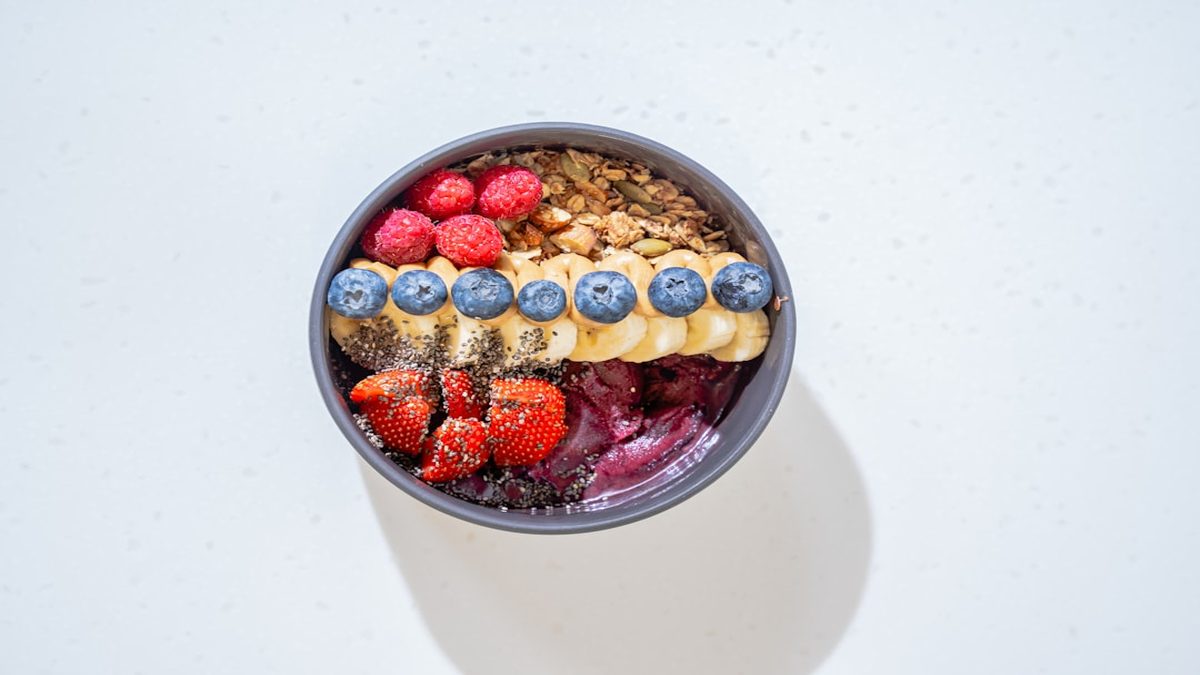
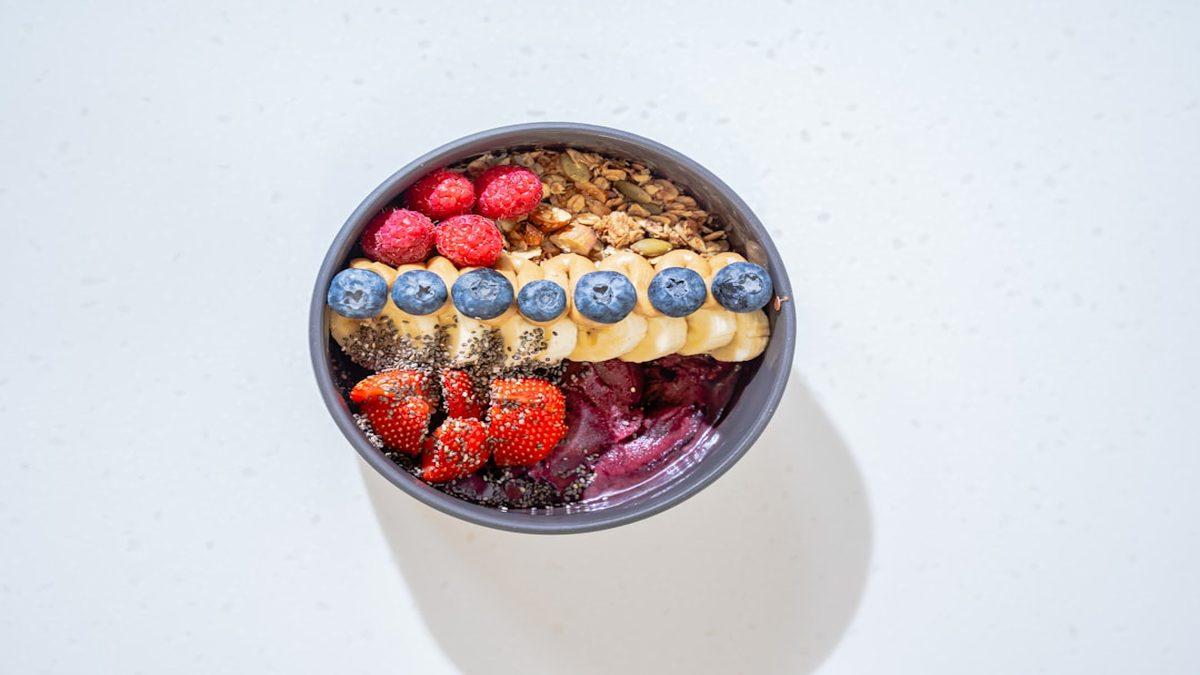
Smoothie bowls offer a slightly more substantial option. Blend the same ingredients thicker, pour into a small bowl, and top with a few seeds or soft berries. The act of eating with a spoon can feel more satisfying than drinking, which matters when appetite is fragile. These small appetite meals provide gentle nourishment without demanding too much from your digestive system.
Warming Soups and Broths
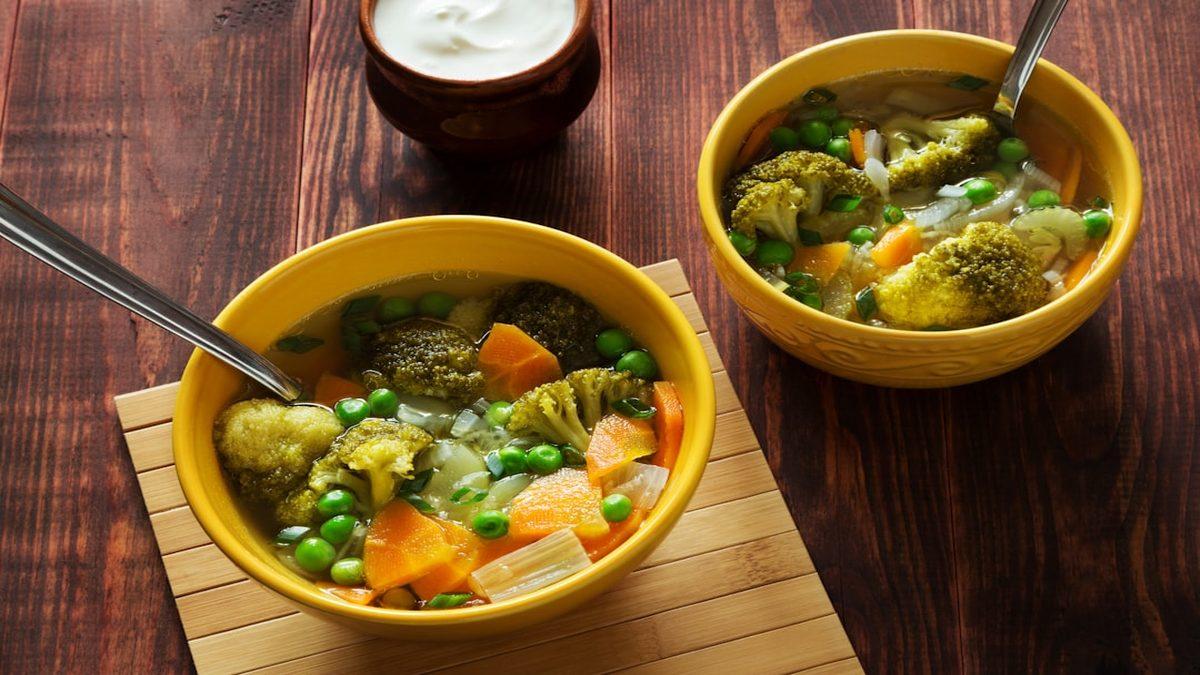
There is a reason every culture has a healing soup tradition. Warm liquids soothe the digestive tract, deliver hydration, and carry nutrients in easily absorbed forms. A simple vegetable broth made from onions, carrots, celery, and herbs provides minerals and comfort with minimal digestive effort. Adding soft-cooked lentils or white beans introduces gentle protein.
Pureed soups work especially well for smaller appetites. Blend roasted butternut squash with a little coconut milk and warming spices. Simmer zucchini with white beans and blend until smooth. These small appetite meals feel substantial and satisfying without overwhelming the system. Keep portions modest—a cup or so at a time—and eat slowly.
Strategic Timing for Smaller Appetites
When appetite shrinks, meal timing often needs adjustment. The traditional three-large-meals approach rarely works well. Instead, consider spacing smaller eating occasions throughout the day—perhaps five or six modest moments of nourishment rather than three overwhelming ones. This takes pressure off each individual meal and allows the body to digest and absorb nutrients more efficiently.
Plant-forward eating supports this flexible timing beautifully. Whole foods like fresh fruit, nut butter on a small piece of toast, or a few spoonfuls of hummus with soft vegetables require minimal preparation. They can be ready whenever a small wave of appetite arrives, which matters when hunger comes unpredictably.
Morning Ease and Gentle Starts
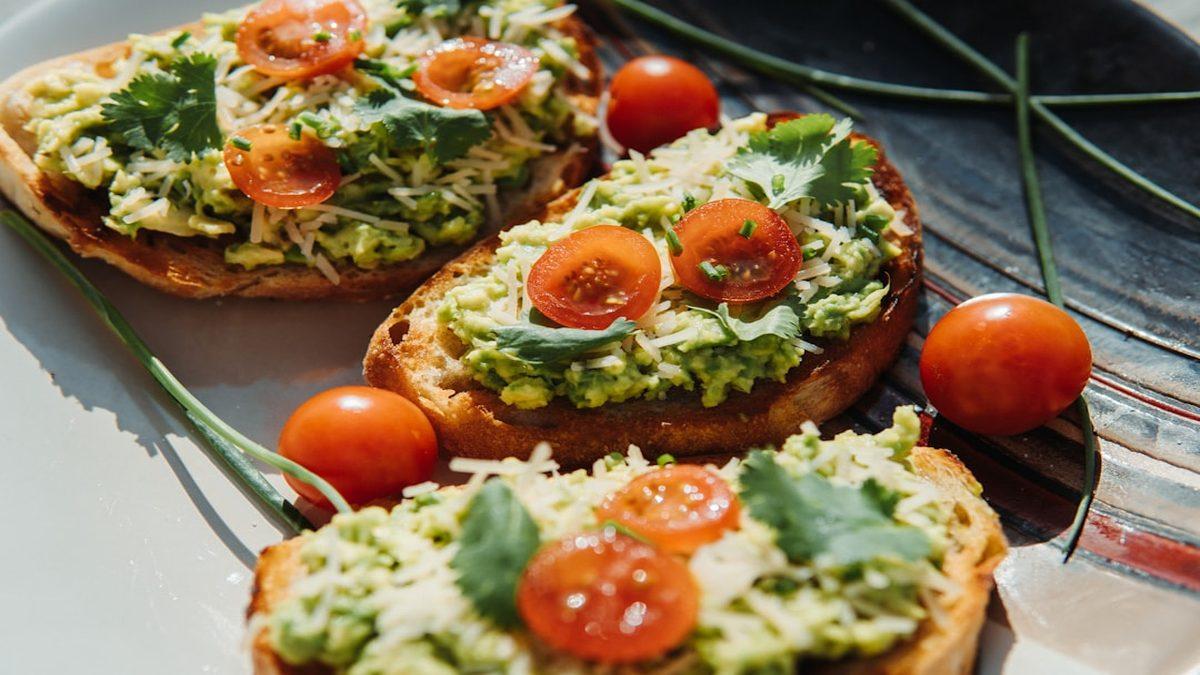
Mornings can feel especially challenging when appetite is low. Rather than forcing a full breakfast, consider starting with something small and easy—a few bites of ripe fruit, a small cup of warm oatmeal, or half an avocado mashed on a piece of toast. These gentle beginnings honor where the body is while still providing fuel to start the day.
If solid food feels impossible first thing, a warm cup of vegetable broth or a small smoothie can bridge the gap. The goal is not to eat a large meal—it is to offer the body something nourishing without creating resistance. Small appetite meals in the morning set a gentle tone for the entire day.
Evening Nourishment Without Overwhelm
Evening meals often feel like the highest-pressure eating occasion, especially if others in the household eat larger portions. Release any expectation that your plate must match anyone else's. A small bowl of soft-cooked vegetables with a drizzle of olive oil and a few spoonfuls of quinoa constitutes a complete, nourishing meal. So does a cup of lentil soup with a small piece of crusty bread.
According to Mayo Clinic's nutrition guidance, incorporating vegetables into meals in whatever form feels accessible supports overall health. When appetite is smaller, this might mean pureed vegetables in soup rather than a large salad. The nutrition still counts.
Practical Small Appetite Meals for Every Day
Theory only takes us so far—what does plant-forward eating actually look like when appetite feels small? Here are practical approaches that honor gentle hunger while still delivering real nourishment. None of these require complicated preparation or unusual ingredients. They are the simple, whole-food meals that have sustained people through quieter seasons of appetite for generations.
The key is keeping things genuinely simple. When energy is low and appetite is smaller, elaborate cooking rarely happens. These small appetite meals come together quickly, store well, and taste good even when nothing sounds particularly appealing. If you find yourself wanting a complete system for building simple plates, my Instant Plate Builder ebook walks through the exact formula I use—no complicated recipes, just a straightforward approach that works.
Quick Assembly Ideas
Keep these building blocks on hand for effortless small appetite meals: cooked grains like quinoa or soft rice, a jar of nut butter, ripe bananas, frozen berries, canned white beans, good olive oil, and fresh or frozen greens. From these simple ingredients, countless gentle meals emerge.
A small bowl of warm grain topped with mashed banana and a drizzle of almond butter. A cup of beans mashed roughly with olive oil and lemon, eaten with soft bread. A smoothie of frozen berries, banana, spinach, and a spoonful of nut butter. These are not complicated—they are simply nourishing, which is exactly what a smaller appetite needs.
Batch Cooking for Gentle Days
When energy allows, prepare a few things that make smaller-appetite days easier. A pot of soft-cooked lentil soup stored in small portions. A batch of roasted sweet potatoes ready to warm and mash. A container of cooked oatmeal that reheats quickly with a splash of plant milk. These prepared foods remove decision-making and cooking effort when appetite is low.
Having gentle options ready means small appetite meals happen even when motivation feels absent. The goal is reducing friction between hunger—however small—and nourishment. Plant-forward whole foods lend themselves to this kind of simple preparation. They are forgiving ingredients that reheat well and taste good without fussy finishing touches.
Frequently Asked Questions About Small Appetite Meals
How can I get enough protein with small appetite meals?
Plant-based proteins like legumes, nut butters, seeds, and whole grains deliver protein in easily digestible forms. A spoonful of hemp seeds in a smoothie, a quarter cup of white beans stirred into soup, or some almond butter on toast all contribute meaningful protein without requiring large portions. When appetite is smaller, spreading protein throughout the day in these modest amounts often works better than trying to consume large amounts at once.
What if even small appetite meals feel like too much?
Start smaller than you think you need to. A few spoonfuls of soup, half a smoothie, a single piece of fruit with a little nut butter—these count as nourishment. Sometimes the gentlest approach is offering the body tiny amounts frequently rather than anything resembling a traditional meal. Trust that your appetite will expand when ready, and meet it wherever it is right now without judgment.
Are there specific plant foods that work best for smaller appetites?
Soft, easily digestible foods tend to work best: ripe bananas, cooked oatmeal, mashed avocado, pureed soups, nut butters, soft-cooked vegetables, and well-cooked grains. These require less digestive effort than raw vegetables, tough whole grains, or highly fibrous foods. Let texture and digestibility guide your choices when building small appetite meals.
Eating when appetite feels small is not about forcing food or following rigid rules—it is about gentle nourishment that honors exactly where your body is today. Small appetite meals built around whole, plant-forward ingredients offer a path that feels sustainable and kind. One soft bowl of soup, one small smoothie, one modest plate at a time, you can continue nourishing yourself well even when hunger whispers quietly.
Your Next Step
If building simple, nourishing plates feels overwhelming right now, I have gathered everything I use—my go-to ebooks, tools, and plant-forward resources—in one place. Visit my plant-forward kit whenever you are ready. No pressure, no complicated programs. Just simple support for eating well, one gentle plate at a time.