Plant-Forward Eating for Energy: 5 Simple Ways to Focus
Plant-forward eating for energy boosts focus naturally with whole foods. Discover simple, sustainable strategies that actually work. Start today.
That afternoon slump hits hard. The brain fog rolls in around 2 PM, your focus scatters, and suddenly even simple tasks feel like climbing a mountain. Sound familiar? Here's what most people don't realize: the answer isn't another cup of coffee or a quick sugar fix. It's plant-forward eating for energy — a gentle, sustainable approach that works with your body instead of against it. This isn't about perfection or following rigid rules. It's about understanding how real, whole foods can transform your energy levels and sharpen your focus, one plate at a time.
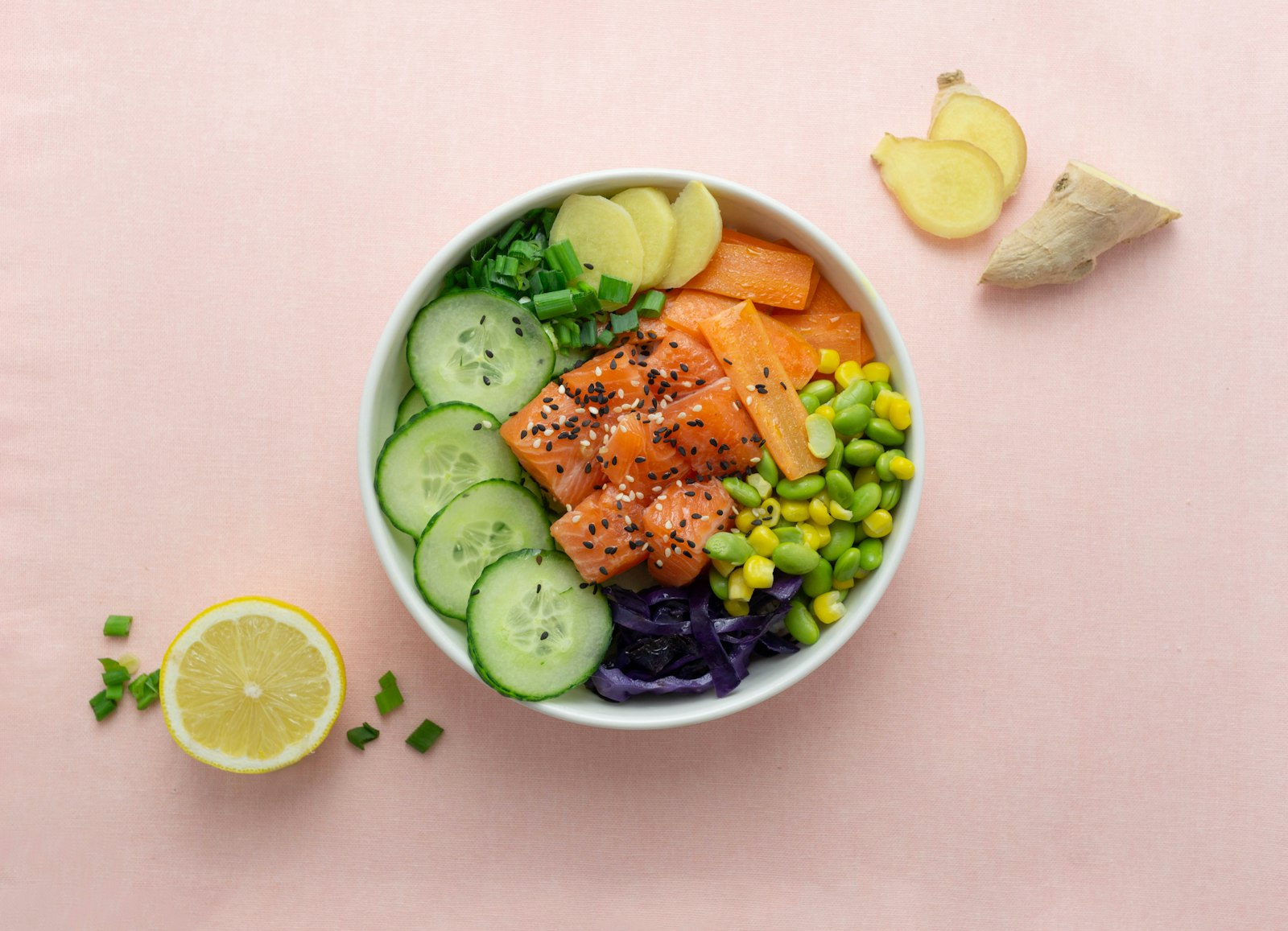
Photo by yakshi virmani on Unsplash
Why Plant-Forward Eating for Energy Actually Works
The connection between what we eat and how we feel isn't complicated, but it is profound. When you prioritize plants — vegetables, fruits, whole grains, legumes, nuts, and seeds — you're giving your body the building blocks it needs to produce steady, sustained energy throughout the day. Unlike processed foods that spike your blood sugar and leave you crashing an hour later, plant-rich meals provide complex carbohydrates that your body breaks down slowly, releasing energy gradually.
According to research from Harvard Health, the quality of the foods we eat directly impacts our energy levels and cognitive function. Foods high in fiber, vitamins, and minerals support mitochondrial function — the powerhouses within our cells that generate energy. When you embrace plant-forward eating for energy, you're essentially upgrading your cellular machinery.
The Science Behind Sustained Energy
Your brain consumes about 20% of your daily caloric intake, making it remarkably hungry for quality fuel. Complex carbohydrates from whole grains, legumes, and starchy vegetables break down into glucose slowly, providing your brain with a steady stream of its preferred energy source. This contrasts sharply with refined sugars and processed foods, which cause rapid spikes followed by equally rapid crashes that leave you reaching for more stimulants.
The fiber content in plant foods plays a crucial role here. Fiber slows digestion, which means glucose enters your bloodstream gradually rather than all at once. This steady-state energy translates directly into better focus, improved mood, and the ability to concentrate for longer periods without mental fatigue setting in.
Beyond Calories: Micronutrients That Matter
Energy isn't just about calories — it's about the vitamins, minerals, and antioxidants that help your body convert food into usable fuel. B vitamins, found abundantly in leafy greens, legumes, and whole grains, are essential for energy metabolism. Iron, magnesium, and zinc all play supporting roles in keeping your energy systems running smoothly. Plant-forward meals naturally deliver these nutrients in forms your body recognizes and absorbs efficiently.
Building Your Plate for All-Day Focus
Knowing that plants support energy is one thing. Actually building meals that deliver on that promise is another. The good news? It doesn't require complicated recipes or expensive ingredients. It requires a simple framework — a system you can apply to any meal, any day, without overthinking.
Think of your plate in zones. Half your plate fills with colorful vegetables — the more variety, the better. A quarter holds complex carbohydrates like quinoa, brown rice, sweet potatoes, or whole grain bread. The remaining quarter features protein-rich foods like beans, lentils, tofu, or if you include animal products, a modest portion of fish or eggs. Add a drizzle of healthy fat — olive oil, avocado, nuts — and you've built a meal designed for sustained energy.
Morning Meals That Set the Tone
How you start your day matters enormously for energy and focus. A breakfast built around plants provides the foundation for steady energy until lunch. Consider overnight oats topped with berries and walnuts, a smoothie bowl with spinach, banana, and chia seeds, or avocado toast on whole grain bread with a side of sautéed greens. These meals combine fiber, healthy fats, and complex carbohydrates — the trifecta for morning energy.
Skip the sugary cereals and pastries that promise quick energy but deliver a mid-morning crash. Instead, invest a few extra minutes in a breakfast that actually supports your goals. Your 10 AM self will thank you.
Lunch and Dinner Strategies
Midday and evening meals offer opportunities to double down on plant-forward eating for energy. Grain bowls, hearty salads with legumes, vegetable stir-fries over brown rice, and bean-based soups all fit the framework. The key is variety and balance — rotating different vegetables, grains, and protein sources keeps meals interesting while ensuring you're getting a broad spectrum of nutrients.
Photo by THLT LCX on Unsplash
The Focus-Food Connection
Energy and focus are intimately linked, but they're not identical. You can have energy — even jittery, anxious energy — without the ability to concentrate. True focus requires not just fuel, but the right kind of fuel delivered in the right way. This is where plant-forward eating for energy truly shines, because the same principles that support sustained energy also support clear, calm mental function.
Certain plant foods contain compounds that specifically support cognitive function. Blueberries, for example, are rich in anthocyanins that research published in PubMed suggests may improve memory and cognitive performance. Leafy greens provide folate, which supports neurotransmitter production. Walnuts contain omega-3 fatty acids that support brain cell membrane health. These aren't supplements or superfoods requiring a special trip to the health food store — they're ordinary ingredients you can find anywhere.
Hydration and Mental Clarity
We can't discuss focus without mentioning hydration. Even mild dehydration impairs cognitive function, making it harder to concentrate and think clearly. Many plant foods — cucumbers, watermelon, lettuce, oranges — contain high water content, contributing to your daily hydration needs. Pairing water-rich foods with adequate fluid intake creates the optimal environment for mental clarity.
Herbal teas, infused water, and even broths count toward hydration. The goal is consistent intake throughout the day rather than gulping large quantities occasionally. Your brain needs steady hydration just like it needs steady fuel.
Timing Your Meals for Peak Performance
When you eat matters almost as much as what you eat. Large, heavy meals divert blood flow to your digestive system, leaving less available for your brain. This is why enormous lunches often lead to afternoon sluggishness. Smaller, more frequent meals or well-portioned main meals keep energy and focus stable throughout the day.
Listen to your body's rhythms. Some people thrive with three meals daily; others prefer smaller meals with snacks. The plant-forward framework adapts to either approach. What matters is consistency and quality — not rigid timing rules that don't fit your life.
Simple Shifts for Plant-Forward Eating for Energy
Transformation doesn't require revolution. Small, sustainable shifts accumulate into significant change over time. This is the heart of making plant-forward eating for energy work in real life — not overhauling everything at once, but making gentle adjustments that stick.
Start where you are. If you currently eat one serving of vegetables daily, aim for two. If you already eat plenty of vegetables but rely heavily on processed grains, swap one refined option for a whole grain alternative. These modest changes feel manageable, and success builds momentum for further shifts.
The Power of Addition, Not Subtraction
Rather than focusing on what to eliminate, focus on what to add. Add a handful of spinach to your morning smoothie. Add chickpeas to your salad. Add a side of roasted vegetables to your dinner. When you fill your plate with nourishing foods, less nutritious options naturally get crowded out. This approach feels generous rather than restrictive — an important psychological distinction that supports long-term success.
This philosophy aligns perfectly with the approach in the Instant Plate Builder, which provides a simple formula for creating balanced, energy-supporting meals without complicated planning or calorie counting. It's about building habits that feel natural, not forcing yourself into an unsustainable routine.
Making It Work for Your Whole Family
If you're feeding others — especially children — plant-forward eating for energy can extend to the whole household. Kids benefit from the same steady energy that adults do, and establishing plant-rich eating patterns early sets them up for lifelong health. The key is presentation and involvement. Let children choose which vegetables to include, involve them in simple food preparation, and model the eating patterns you want them to adopt.
Families navigating this transition might find the Kids Plate Builder helpful — it adapts the same simple system for children's needs and preferences, making family meals easier to plan and more likely to succeed.
Photo by Thought Catalog on Unsplash
Frequently Asked Questions About Plant-Forward Eating for Energy
How quickly will I notice energy improvements from plant-forward eating?
Most people notice subtle shifts within the first week — fewer energy dips, more stable moods, and improved afternoon focus. More significant changes typically emerge over three to four weeks as your body adjusts to the consistent influx of quality nutrients. Patience pays off here. Your cells are literally rebuilding with better materials, and that process takes time.
Do I need to eliminate meat entirely for plant-forward eating for energy?
Absolutely not. Plant-forward means plants take center stage, but it doesn't mean other foods are forbidden. Many people find that reducing meat while dramatically increasing vegetables, whole grains, and legumes delivers the energy benefits they're seeking. This isn't about purity — it's about balance. Find the ratio that works for your body, your preferences, and your life.
What if I don't have time for complicated meal prep?
The most sustainable approach is the simplest one. Batch-cook grains and legumes once or twice weekly. Keep pre-washed salad greens on hand. Stock your freezer with frozen vegetables that cook quickly. A nourishing, energy-supporting meal can come together in fifteen minutes with the right staples available. Complexity is the enemy of consistency.
Plant-forward eating for energy isn't a destination — it's a direction. Every meal is an opportunity to choose foods that support how you want to feel. Some days will be more plant-forward than others, and that's completely fine. What matters is the overall pattern, the gentle accumulation of better choices that, over time, transform your energy, your focus, and your relationship with food. You don't have to be perfect. You just have to keep showing up, one plate at a time.
Your Next Step
Ready to simplify this even further? The Instant Plate Builder gives you a clear, easy-to-follow formula for creating plant-forward meals that support steady energy and clear focus — without the guesswork or overwhelm. It's the system that makes eating well feel effortless, so you can spend less time planning and more time living fully. Nourish simply. One plate at a time.