5 Simple Plant-Forward Small Appetite Meals That Satisfy
Plant-forward small appetite meals that nourish without overwhelm. Discover gentle, nutrient-rich eating for lighter days. Start today.
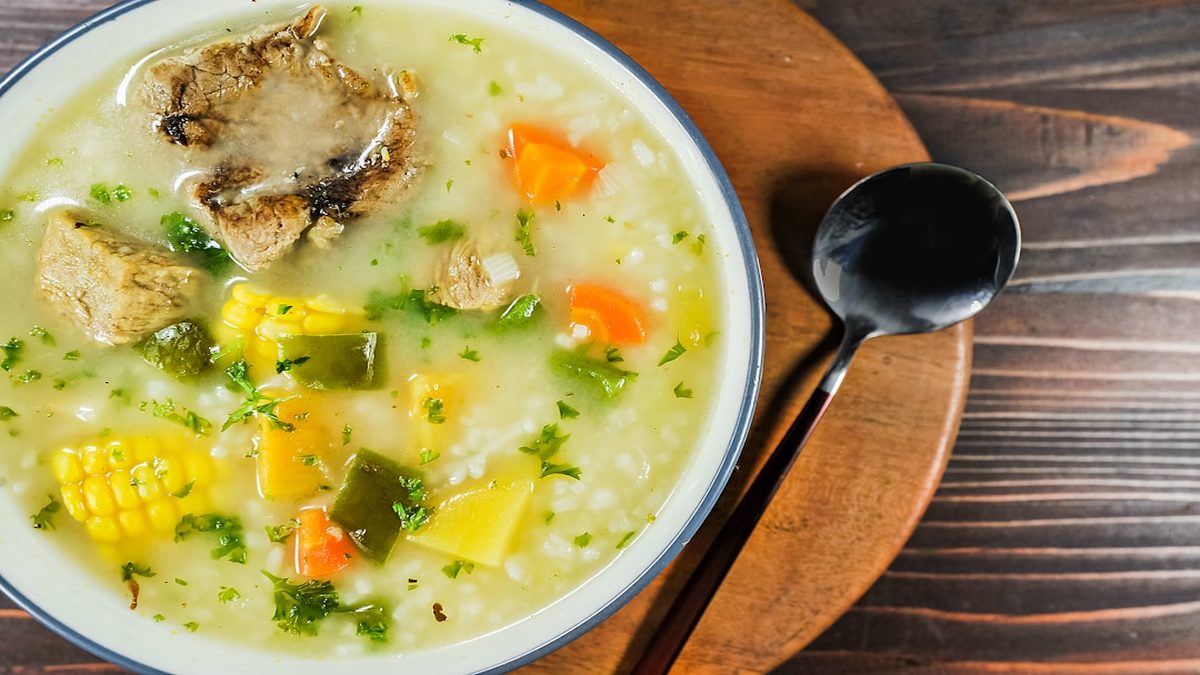
When your appetite shrinks, every bite matters more—so those bites should be gentle, nourishing, and filled with real nutrition from whole plants. That's the heart of plant-forward small appetite meals: smaller portions that still deliver what your body needs without forcing yourself to eat more than feels comfortable. Maybe your appetite has shifted with age, stress, recovery, or simply the changing rhythms of life. Whatever the reason, you're not broken, and you don't need to fight against your body's signals. Instead, you can learn to work with a lighter hunger by choosing foods that pack genuine nourishment into every spoonful. This is about eating with intention, not restriction—honoring where you are while still giving yourself the vitamins, minerals, and energy that whole foods provide so beautifully.
Understanding Plant-Forward Small Appetite Meals
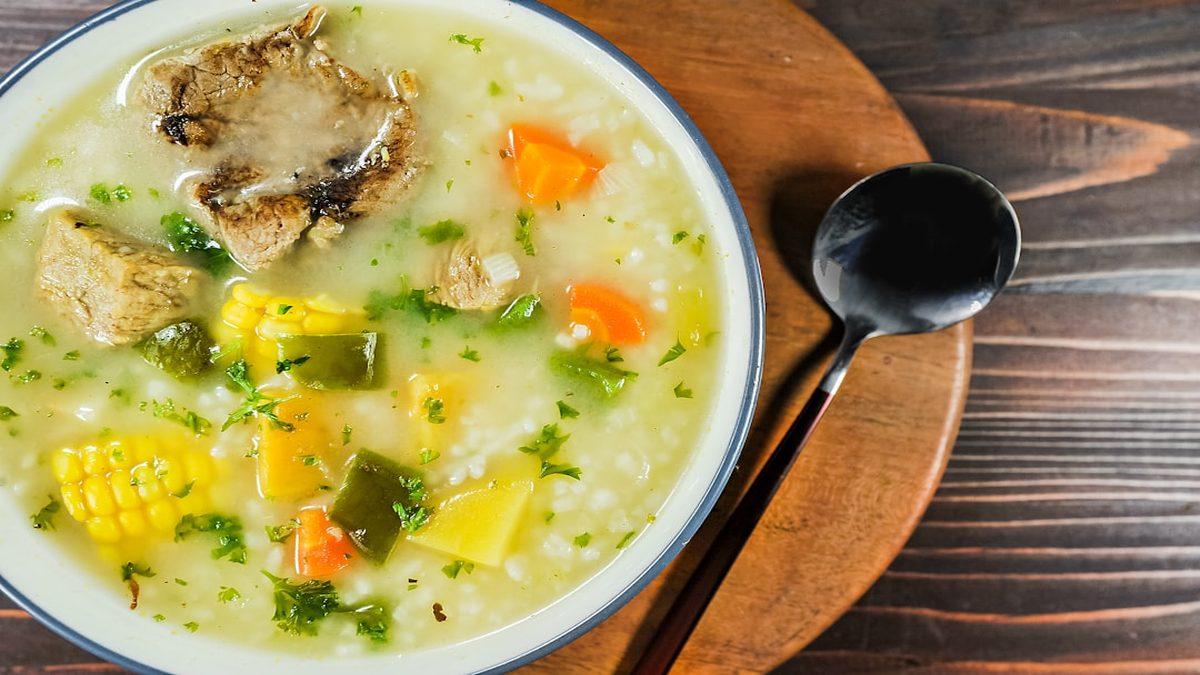
A smaller appetite doesn't mean your nutritional needs disappear. Your body still requires protein, healthy fats, fiber, and the full spectrum of micronutrients to function well. The difference is that you're working with less volume, so every ingredient needs to earn its place on your plate. This is where the plant-forward philosophy becomes especially powerful. Whole plant foods are naturally dense with nutrients relative to their size—think leafy greens loaded with iron and calcium, seeds bursting with omega-3s, and legumes offering protein alongside fiber and B vitamins.
Why Whole Plants Work for Lighter Eating
Our ancestors understood something we often forget: food from the earth provides nourishment in perfect packages. A handful of walnuts delivers healthy fats, protein, and minerals without requiring you to eat a large meal. A small bowl of lentil soup offers warmth, comfort, and substantial nutrition in just a few gentle spoonfuls. When you focus on whole, unprocessed plant foods, you naturally concentrate nutrients without artificial fortification or empty fillers. According to Harvard Health, plant-forward eating patterns consistently support overall wellness when centered on whole, minimally processed foods. This approach respects your body's current capacity while still providing genuine sustenance.
Listening to Your Body's Wisdom
There's a certain freedom in releasing the pressure to eat a specific amount at every meal. Some days call for more, others for less. When you build plant-forward small appetite meals with nutrient-rich whole foods, you can trust that even a modest portion is doing real work for your body. This isn't about counting calories or measuring obsessively—it's about choosing quality over quantity and letting your natural hunger guide the way. Your appetite has its own intelligence, shaped by countless factors including sleep, activity, emotions, and season. Honoring that intelligence while selecting truly nourishing foods creates a sustainable rhythm that feels good rather than forced.
Building Blocks for Satisfying Light Meals
Creating plant-forward small appetite meals that actually satisfy requires understanding which foods deliver the most benefit in the smallest package. Think of your plate as valuable real estate where every ingredient must contribute something meaningful. This doesn't mean complicated recipes or exotic superfoods—quite the opposite. The most effective approach relies on simple, accessible whole foods combined thoughtfully.
Protein-Rich Plant Foods for Smaller Portions
Protein helps maintain muscle, supports immune function, and contributes to feeling genuinely satisfied even when eating less. Legumes like chickpeas, black beans, and lentils offer protein alongside fiber that keeps digestion steady. Hemp seeds and pumpkin seeds provide complete protein in just a tablespoon or two. Tempeh, made from fermented soybeans, delivers concentrated plant protein that our ancestors in certain cultures enjoyed for centuries. You don't need enormous servings—a quarter cup of cooked legumes or a tablespoon of seeds adds meaningful protein to any small meal. The Mayo Clinic notes that plant proteins can effectively support nutritional needs when incorporated thoughtfully into daily eating patterns.
Healthy Fats That Enhance Every Bite
Fats are your friend when appetite is smaller because they increase the caloric density and nutrient absorption of foods without adding bulk. A drizzle of extra virgin olive oil over steamed vegetables transforms them into something more substantial. Half an avocado mashed onto whole grain toast turns a light snack into a genuinely nourishing mini-meal. Nut butters, tahini, and coconut cream add richness and staying power to smoothies, soups, and bowls. These whole-food fats also carry fat-soluble vitamins and support brain health—particularly important when you're eating less overall. Choose fats that are minimally processed and close to their natural state for the most benefit.
Practical Meal Ideas for Lighter Days
Theory is helpful, but what does plant-forward eating actually look like when your appetite is running quiet? The beauty is in simplicity. You don't need elaborate recipes or hours in the kitchen. Small, nutrient-dense meals can come together in minutes once you understand the basic framework. Think warm bowls, gentle soups, smoothies with substance, and simple combinations of quality ingredients.
Warming Soups and Broths
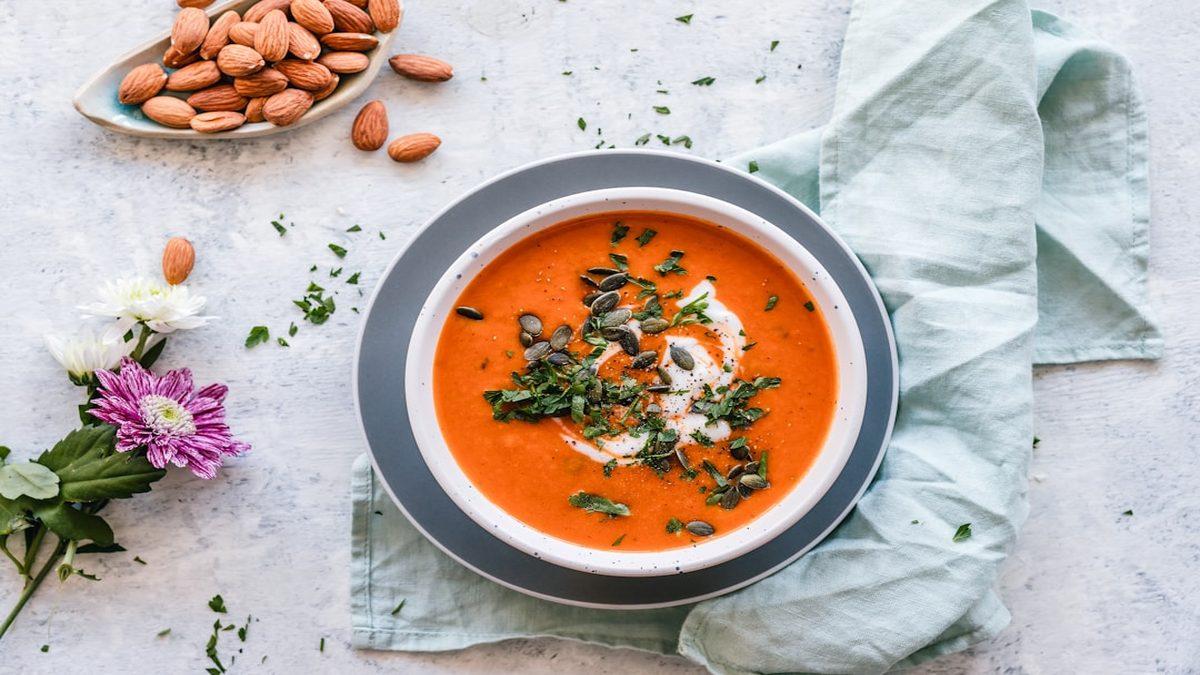
There's something deeply comforting about sipping a warm bowl of soup when a full meal feels like too much. Vegetable-based broths infused with ginger, turmeric, and garlic provide warmth and gentle nutrition. Adding a handful of white beans or red lentils transforms simple broth into something more sustaining. Miso soup with a few cubes of tofu and some wilted greens offers protein, probiotics, and minerals in just a cup. These liquid-based meals are easier to consume when appetite is low, and the warmth can be soothing for digestion. Keep homemade vegetable broth in the freezer for effortless access to nourishing meals anytime hunger whispers rather than shouts.
Smoothies with Substance
A well-constructed smoothie can deliver remarkable nutrition in a form that goes down easily. The key is balancing fruit with protein, healthy fats, and greens. Start with a base of frozen banana or mango for natural sweetness and creaminess. Add a handful of spinach or kale that blends invisibly. Include a tablespoon of nut butter, hemp seeds, or a simple plant protein powder for staying power. A splash of oat milk or coconut water creates the right consistency. This isn't a sugary fruit drink—it's a complete mini-meal in a glass that respects your lighter appetite while still providing genuine nourishment. For those seeking a reliable framework for building balanced plant-forward meals, my Instant Plate Builder offers a simple system that works beautifully for both full meals and lighter portions.
Maximizing Nutrition in Plant-Forward Small Appetite Meals
When every bite counts, smart food combinations help your body absorb and use nutrients more efficiently. This isn't about complicated chemistry—it's about time-tested wisdom that our ancestors practiced naturally. Certain foods work better together, enhancing each other's benefits in ways that matter especially when you're eating smaller amounts.
Strategic Food Combinations
Iron from plant sources absorbs better when paired with vitamin C, so squeeze lemon over your lentils or add strawberries to your spinach smoothie. Healthy fats help your body absorb fat-soluble vitamins A, D, E, and K, meaning that drizzle of olive oil over your roasted sweet potato isn't just delicious—it's functional. Soaking, sprouting, or fermenting grains and legumes reduces compounds that can interfere with mineral absorption while making these foods gentler on digestion. These aren't modern biohacks; they're traditional preparation methods that cultures worldwide developed over generations of accumulated wisdom. When appetite is smaller, these combinations ensure you're getting maximum value from every ingredient.
Timing and Rhythm of Eating
Sometimes spreading nutrition throughout the day works better than trying to consume everything in three traditional meals. Small, frequent plant-forward small appetite meals might suit your body better than large portions spaced far apart. A handful of nuts mid-morning, a small cup of soup at lunch, some avocado toast in the afternoon, and a light dinner of steamed vegetables with quinoa can add up to complete nourishment without any single eating occasion feeling overwhelming. Pay attention to when your appetite tends to peak—for many people, morning or midday hunger is stronger than evening. Aligning your most nutrient-dense foods with your strongest appetite windows makes intuitive sense.
Frequently Asked Questions About Plant-Forward Small Appetite Meals
How do I get enough protein with plant-forward small appetite meals?
Protein needs can absolutely be met through plant foods even when eating less overall. Focus on incorporating small amounts of protein-rich plants at each eating occasion rather than trying to consume large portions at once. Legumes, seeds, nuts, tempeh, and even certain whole grains like quinoa and amaranth contribute meaningful protein. A tablespoon of hemp seeds here, a quarter cup of chickpeas there, some nut butter in your smoothie—it adds up throughout the day without requiring you to eat beyond your comfort level.
What if I'm worried about losing weight unintentionally?
Choosing calorie-dense whole plant foods helps maintain weight even with smaller portions. Nuts, seeds, avocados, nut butters, coconut products, and olive oil all provide concentrated energy alongside valuable nutrients. Adding these foods to meals increases their substance without significantly increasing volume. If weight changes concern you, consider keeping a gentle awareness of whether your overall intake feels adequate, and always consult with a healthcare provider for personalized guidance on your specific situation.
Are there specific foods to avoid when appetite is smaller?
When appetite is limited, it makes sense to minimize foods that take up space without providing much nutrition. Highly processed items, sugary drinks, and empty-calorie snacks compete for the limited real estate in your stomach. Water-heavy foods like iceberg lettuce or plain celery fill you up without delivering significant nutrients. This doesn't mean avoiding all low-calorie foods—just being strategic about choosing nutrient-dense options when volume is limited. Every bite becomes an opportunity for genuine nourishment.
Navigating lighter eating days becomes so much easier once you have a simple framework for combining whole plant foods into satisfying, nutrient-rich meals. Plant-forward small appetite meals aren't about deprivation or forcing yourself to eat more than feels right. They're about working with your body's current rhythm while still giving yourself the nourishment that helps you feel your best. Whether your appetite is temporarily quieter or has shifted more permanently, this approach adapts to meet you exactly where you are. One plate at a time, you can honor your hunger signals while trusting that whole foods from the earth are doing their gentle, powerful work.
Your Next Step
If you're ready to simplify how you think about building nourishing meals—whether full-sized or lighter—I've gathered everything I use and recommend in one place. Visit my plant-forward kit to explore ebooks, tools, and resources designed for real life, not perfection. It's all there waiting whenever you're ready to dive deeper.