5 Easy Ways to Make Every Bite Count Daily
Make every bite count when appetite is smaller. Simple plant-forward strategies for nutrient-dense eating. Start today.
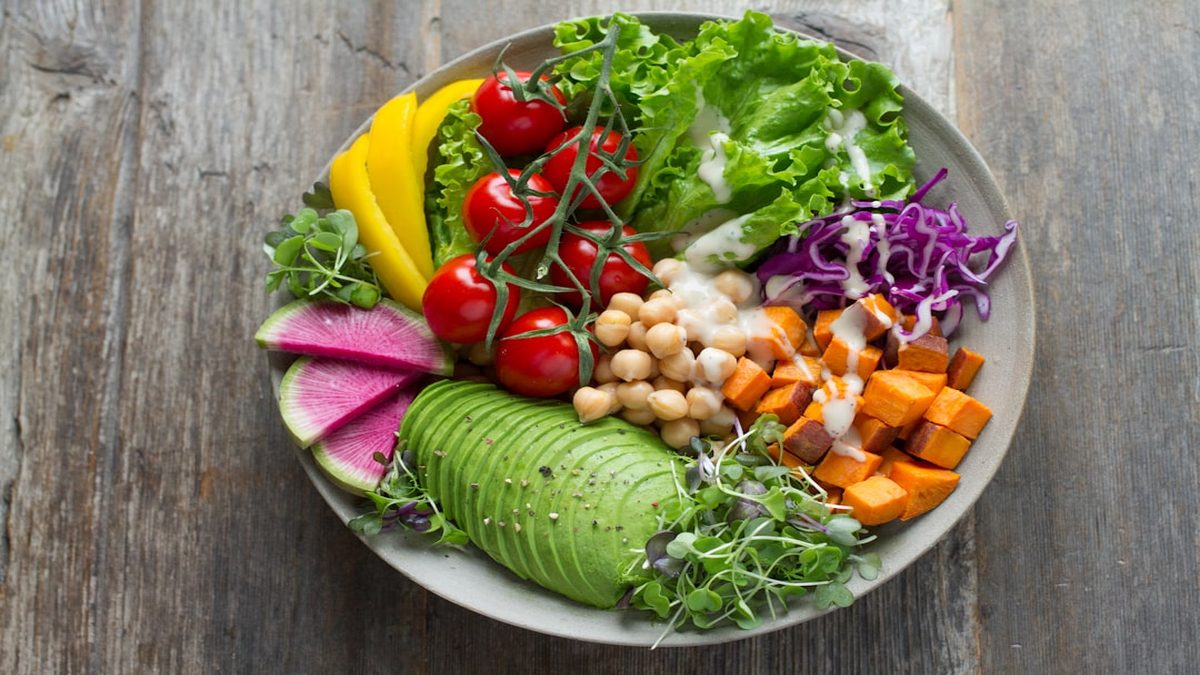
When appetite shrinks, the solution is simple: choose foods so rich in nutrients that every single mouthful does meaningful work for your body. You make every bite count by prioritizing whole, plant-forward foods that deliver vitamins, minerals, fiber, and energy in concentrated forms—without requiring large volumes. This isn't about forcing yourself to eat more; it's about eating smarter, more intentionally, with foods that truly nourish. Whether your smaller appetite comes from age, stress, healing, or simply how your body operates right now, there's a gentle path forward. And that path looks remarkably like the way our ancestors ate—whole foods, plants at the center, nothing wasted. Let's explore how to honor your body's signals while still giving it everything it needs, one thoughtful plate at a time.
Why Learning to Make Every Bite Count Matters
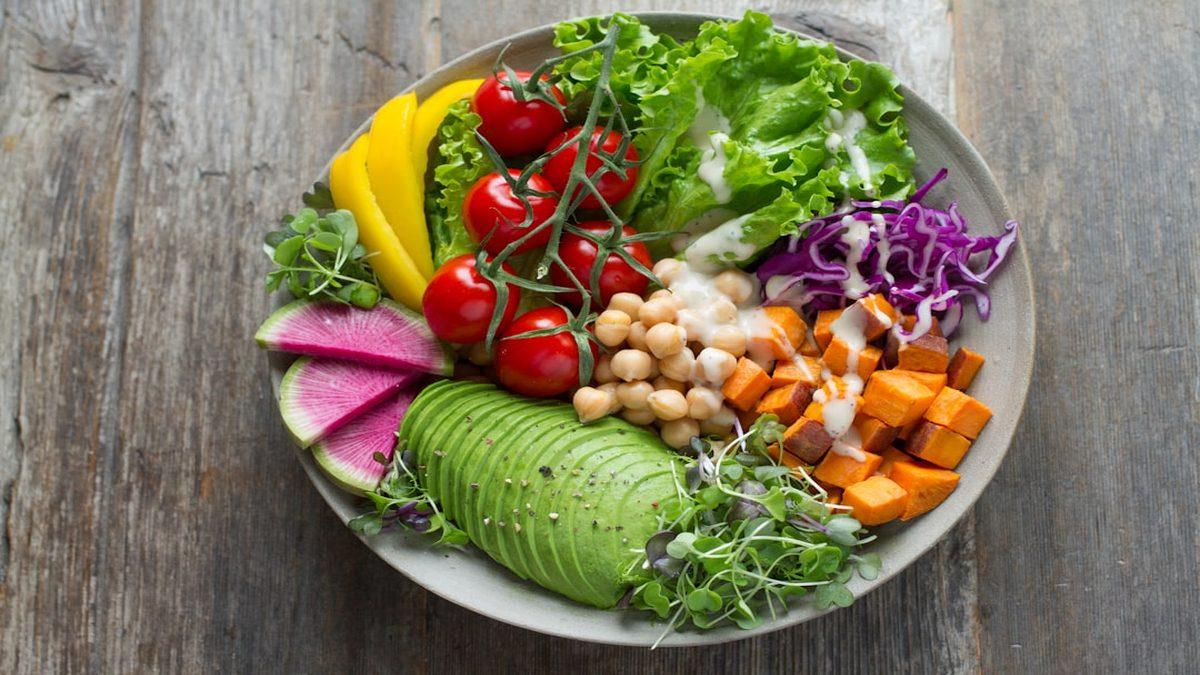
A smaller appetite isn't a problem to fix—it's a signal to respect. When you can't eat large quantities, the quality of what you do eat becomes paramount. This is where the wisdom of whole-food, plant-forward eating shines brightest. Our great-grandparents didn't have access to empty calories; their plates were built from whatever the land provided, and every ingredient served a purpose.
According to Harvard Health, plant-based diets rich in whole foods provide more nutrients per calorie than processed alternatives. This nutrient density is exactly what we're after when volume isn't an option.
Understanding Nutrient Density Over Volume
Nutrient density refers to the amount of beneficial nutrients relative to the total calories in a food. A handful of pumpkin seeds, for instance, delivers protein, zinc, magnesium, and healthy fats in just a few bites. Compare that to a handful of crackers, which might fill the same space in your stomach but leave your cells asking for more.
When you make every bite count, you're essentially choosing foods that work harder for you. Dark leafy greens, legumes, nuts, seeds, whole grains, and colorful vegetables become your allies. These aren't restrictive choices—they're empowering ones. You're not eating less food; you're eating more intentionally.
Honoring Your Body's Natural Rhythms
Appetite fluctuates for countless reasons, and fighting against your body rarely leads anywhere good. Instead of viewing a smaller appetite as something to overcome, consider it an invitation to simplify. When you have less room, you become more selective—and selectivity, when guided by whole-food principles, leads to genuinely nourishing meals.
This approach also reduces decision fatigue. When you know your foundation is always plant-forward and whole, you don't need to overthink every meal. You simply choose from nature's bounty and trust that your plate is working for you.
Building Plates That Deliver Maximum Nourishment
The art of building a smaller but mighty plate starts with understanding which foods offer the most return on investment. Think of your plate as valuable real estate—every ingredient should earn its place. This doesn't mean complicated recipes or exotic ingredients. Often, the simplest combinations are the most powerful.
My Instant Plate Builder was created with exactly this principle in mind: a straightforward formula for assembling balanced, nutrient-rich meals without overthinking. When appetite is limited, having a simple system removes the guesswork entirely.
The Power Players: Foods Worth Prioritizing
Certain whole foods consistently rise to the top when we're looking to maximize nutrition in minimal bites. Legumes—lentils, chickpeas, black beans—offer protein, fiber, iron, and complex carbohydrates all at once. A quarter cup of cooked lentils might not look like much, but it's doing serious nutritional work.
Seeds deserve special attention too. Chia seeds, hemp hearts, flaxseeds, and pumpkin seeds pack omega fatty acids, minerals, and protein into tiny packages. Sprinkle them on anything and instantly upgrade the nutritional profile. Whole grains like quinoa, oats, and farro provide sustained energy and B vitamins. Leafy greens—especially darker varieties like kale, spinach, and Swiss chard—deliver calcium, iron, and antioxidants without taking up much stomach space.
Strategic Combinations for Complete Nutrition
When you make every bite count, pairing foods thoughtfully amplifies their benefits. Combining plant iron sources with vitamin C-rich foods enhances iron absorption dramatically. A squeeze of lemon on your sautéed greens isn't just flavor—it's strategy. Similarly, adding a small amount of healthy fat (avocado, olive oil, nuts) to vegetable dishes helps your body absorb fat-soluble vitamins A, D, E, and K.
These combinations don't require measuring or tracking. Once you understand the principles, they become second nature. A small bowl of quinoa topped with roasted vegetables, a drizzle of tahini, and some pumpkin seeds might be modest in size but comprehensive in nutrition.
Practical Strategies for Smaller Appetites
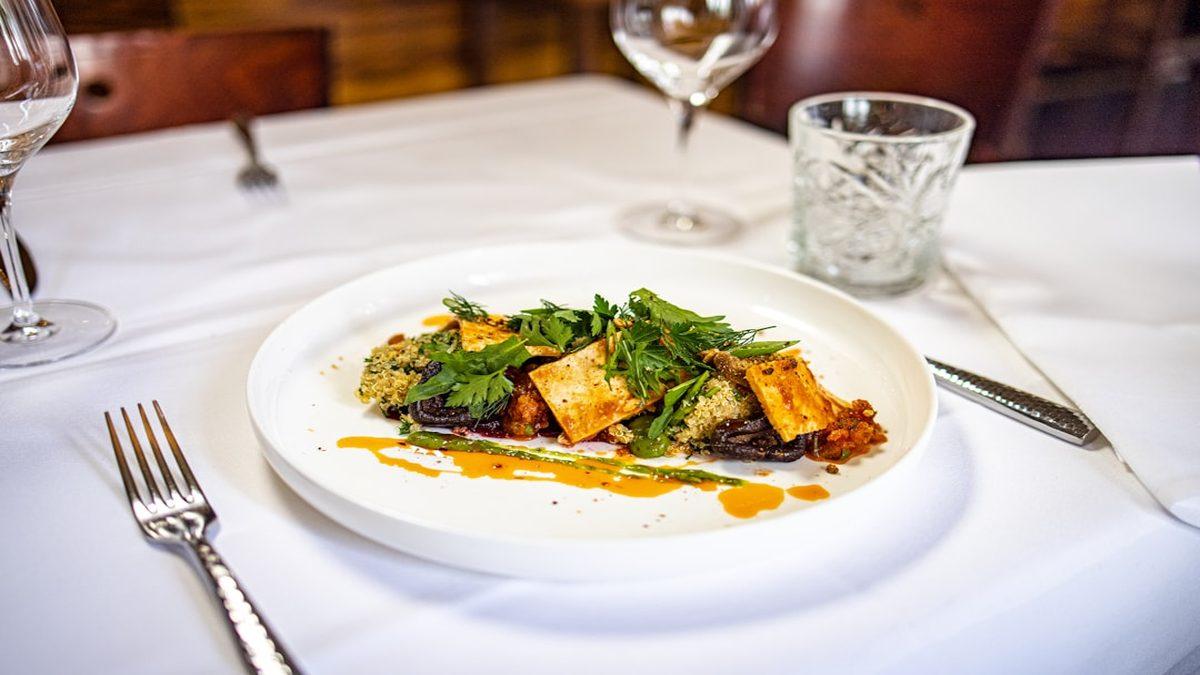
Theory is helpful, but let's talk about real-life application. When you're not particularly hungry, even the most nutritious meal can feel daunting if it's too large or requires too much effort. The goal is to remove friction wherever possible while maintaining the nutrient density that helps you make every bite count.
Research from Mayo Clinic emphasizes that small, frequent meals can be easier to manage than traditional larger ones. This approach works beautifully with plant-forward eating, as many whole foods are naturally suited to grazing and snacking.
Embracing Mini Meals Throughout the Day
Instead of three substantial meals, consider shifting toward smaller eating occasions spread across your day. A morning bowl of overnight oats with chia seeds and berries. A mid-morning handful of nuts with a piece of fruit. A small lunch of vegetable soup with whole grain bread. An afternoon smoothie. A light dinner of roasted vegetables with hummus and seeds.
Each of these moments is an opportunity to add nourishment without overwhelming your appetite. The cumulative effect matters more than any single meal. This pattern also tends to keep energy more stable, avoiding the peaks and valleys that can come with larger, less frequent eating.
Smoothies and Blended Foods as Gentle Allies
When chewing feels like too much effort or solid food seems unappealing, blended options become invaluable. A well-crafted smoothie can deliver leafy greens, fruit, seeds, nut butter, and even cooked beans (black beans blend beautifully into chocolate-flavored smoothies) in an easy-to-consume form. A good high-speed blender makes this effortless.
Soups, too, offer concentrated nutrition in a gentle format. A pureed vegetable soup with white beans provides protein, fiber, vitamins, and comfort in every spoonful. When solid food feels challenging, these options ensure you can still make every bite count—even when those bites are sipped through a straw.
Simple Ways to Make Every Bite Count Daily
Consistency matters more than perfection. The goal isn't to optimize every single eating occasion but to build sustainable habits that generally move in the right direction. Small, repeated choices compound over time into significant nourishment.
Preparing Nutrient Boosters in Advance
When appetite is small, cooking motivation often follows suit. This is where a bit of advance preparation pays dividends. Keeping a jar of mixed seeds ready to sprinkle. Having a container of cooked quinoa or lentils in the fridge. Washing and prepping vegetables so they're ready to eat or quickly sauté.
These prepared elements become building blocks. Even when you don't feel like cooking, you can assemble a nourishing plate in minutes. A scoop of pre-cooked grains, some washed greens, a handful of seeds, and a drizzle of good olive oil—done. No recipes required, no decisions to make, just simple assembly.
Focusing on What Feels Good
Forcing yourself to eat things you don't enjoy rarely leads to sustainable habits. Instead, work within your preferences. If you love creamy textures, lean into hummus, nut butters, mashed avocado, and bean-based dips. If you prefer crunch, keep raw vegetables, nuts, and seeds accessible. If warm foods appeal, embrace soups, stews, and roasted dishes.
The plant-forward framework is flexible enough to accommodate any preference. There's no single correct way to eat well. There's only finding what works for your body, your appetite, and your life right now. When you make every bite count, you're not following someone else's rules—you're simply choosing quality over quantity in whatever form appeals to you.
Frequently Asked Questions About Make Every Bite Count
How Do I Make Every Bite Count When I'm Just Not Hungry?
Start with what appeals, even if it's small. A few bites of something nutrient-dense is better than nothing at all. Smoothies and soups often feel more manageable than solid food when appetite is truly minimal. Focus on adding rather than forcing—a spoonful of nut butter here, some seeds sprinkled there. These small additions accumulate throughout the day without requiring large eating occasions.
What Are the Most Nutrient-Dense Plant Foods for Small Portions?
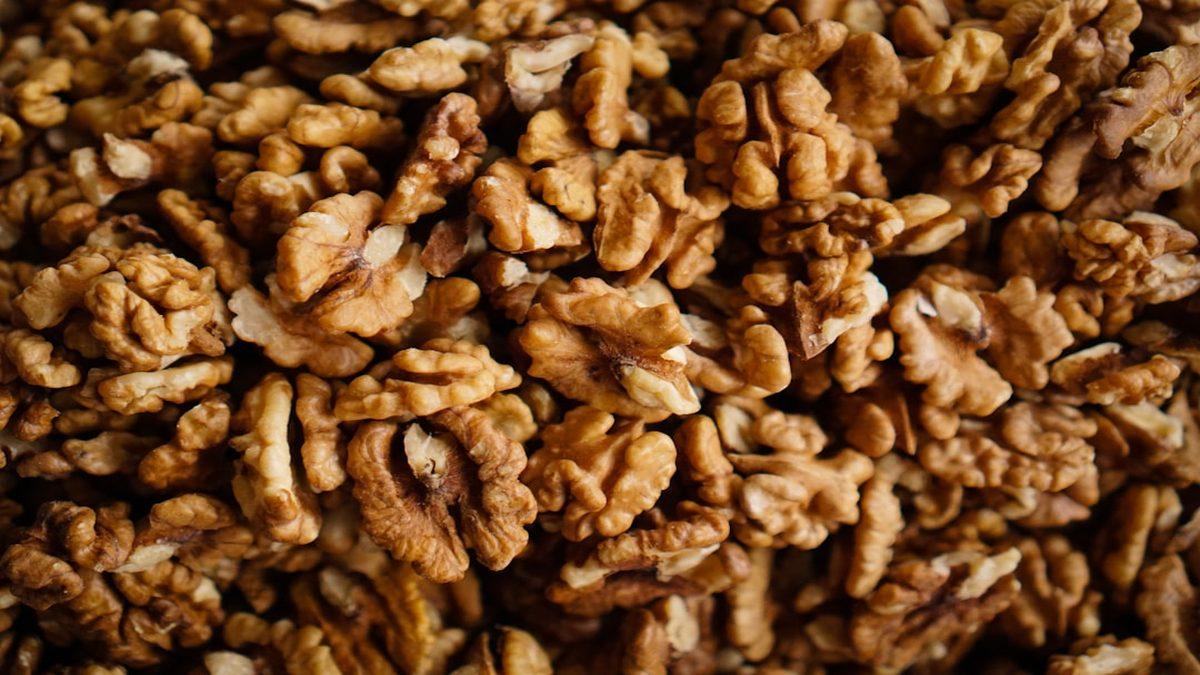
Seeds (chia, hemp, pumpkin, sunflower) and nuts deliver exceptional nutrition in tiny servings. Legumes like lentils and chickpeas offer protein and minerals efficiently. Dark leafy greens provide vitamins and minerals with minimal bulk. Whole grains like quinoa and oats contribute fiber and sustained energy. Avocado offers healthy fats and dozens of nutrients in a few creamy bites.
Can I Still Get Enough Protein When Eating Less?
Absolutely. Plant-forward eating offers numerous protein sources that don't require large volumes. Combining legumes with grains throughout the day provides complete protein. Adding seeds and nuts to meals boosts protein easily. Even small portions, when chosen wisely, can meet your body's needs. The key is consistency across multiple small eating occasions rather than relying on one or two large protein-heavy meals.
When you embrace the simple truth that quality matters more than quantity, everything shifts. Learning to make every bite count isn't a temporary fix or a restrictive diet—it's a fundamental reframe that honors both your body's signals and its needs. This plant-forward approach, rooted in the whole-food wisdom of generations past, offers a sustainable path forward no matter what your appetite looks like today. One thoughtful bite at a time, you nourish simply and live fully.
Your Next Step
If you're ready to simplify your approach to nourishing meals, I've gathered everything I use and recommend in one place. From the Instant Plate Builder to meal planning guides and my favorite kitchen tools, you'll find it all in my plant-forward kit. Take what resonates, leave what doesn't, and trust that you already know how to feed yourself well—sometimes you just need a gentle nudge in the right direction.