7 Easy Fiber-Rich Plant Foods Our Ancestors Ate Daily
Fiber-rich plant foods our ancestors ate can transform your gut health naturally. Discover 7 simple whole foods to add to your plate. Start today.
Fiber-rich plant foods form the foundation of genuine gut health, and our ancestors consumed roughly ten times more fiber than most people eat today. These traditional whole foods—legumes, leafy greens, roots, and ancient grains—fed the beneficial bacteria that keep digestion smooth, immunity strong, and energy steady. If you've been searching for a simple way to support your gut without complicated protocols or trendy supplements, the answer has been growing in gardens and fields for thousands of years. This isn't about restriction or perfection. It's about returning to the plants that nourished generations before us, one humble meal at a time. By the end of this post, you'll understand exactly which fiber-rich plant foods deserve a place on your plate and how to enjoy them without overthinking a single bite.
Why Fiber-Rich Plant Foods Matter for Your Gut
Before refrigeration, before processed convenience foods, before the modern grocery store existed, humans ate what grew around them. And what grew was overwhelmingly plant-based, fiber-dense, and seasonal. According to Harvard Health, most adults need between 25 and 38 grams of fiber daily, yet the average intake hovers around just 15 grams. This gap explains a lot about modern digestive struggles. When we eat the way our ancestors did—centered on whole plants rather than refined products—we naturally meet these needs without counting a single gram.
The Gut Microbiome Connection
Your gut houses trillions of microorganisms that influence everything from digestion to mood. These beneficial bacteria thrive on fiber, particularly the prebiotic fibers found in whole plant foods. When you feed them well, they produce short-chain fatty acids that support the gut lining and promote overall digestive comfort. Our ancestors didn't know the science behind this relationship, but they lived it daily through their plant-forward diets. Every root vegetable pulled from the earth, every handful of wild greens, every pot of simmered legumes contributed to a thriving inner ecosystem.
Soluble vs. Insoluble Fiber
Plants offer two types of fiber, and both serve important roles. Soluble fiber dissolves in water, forming a gel-like substance that slows digestion and helps you feel satisfied longer. Think oats, beans, and the flesh of fruits. Insoluble fiber adds bulk and keeps things moving—this comes from vegetable skins, whole grain husks, and leafy greens. Traditional diets naturally included both types because meals were built around diverse, minimally processed plants. There was no need to analyze or supplement. The whole foods did the work.
Ancient Legumes That Built Strong Guts
If there's one food group that defined ancestral eating across nearly every culture, it's legumes. Lentils appear in archaeological sites dating back 13,000 years. Chickpeas sustained Mediterranean civilizations. Black beans nourished ancient Mesoamerica. These humble foods are among the most fiber-rich plant foods available, and they remain incredibly affordable and accessible today. A single cup of cooked lentils provides roughly 15 grams of fiber—nearly half the daily recommendation in one simple serving.
Lentils: The Fastest Traditional Legume
Unlike dried beans that require overnight soaking, lentils cook in about 25 minutes. Red lentils dissolve into creamy soups and stews. Green and brown varieties hold their shape for salads and grain bowls. French lentils offer a slightly peppery bite that works beautifully with roasted vegetables. Our ancestors simmered lentils with whatever aromatics grew nearby—wild onions, herbs, a splash of vinegar. You can do the same with minimal effort and maximum nourishment.
Chickpeas and White Beans
Chickpeas bring a nutty, satisfying quality to any meal. Roasted until crispy, they become a crunchy topping for salads. Mashed with olive oil and lemon, they transform into hummus. White beans—cannellini, navy, great northern—offer a creamier texture that melts into soups or blends into smooth dips. Both varieties deliver impressive amounts of fiber alongside plant protein, making them foundational for anyone building a plate around whole foods.
Leafy Greens and Root Vegetables
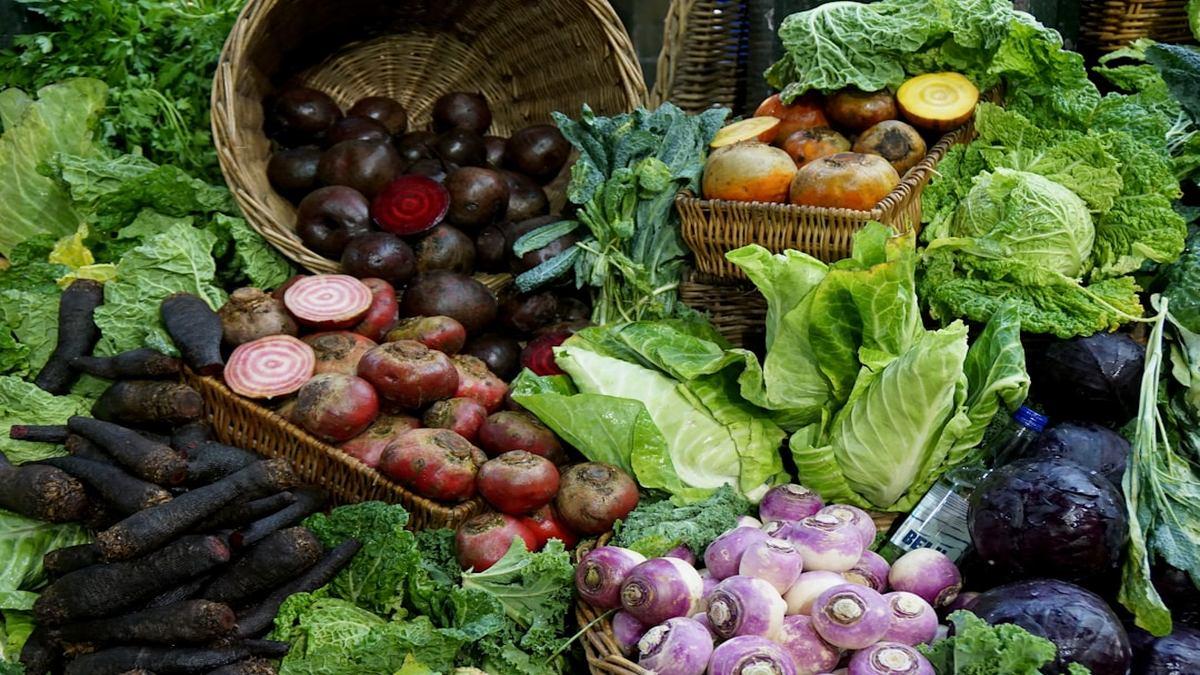
Long before salads became diet food, greens were survival food. Wild dandelion, lamb's quarters, purslane, and dozens of other edible plants grew freely and fed communities during lean seasons. These fiber-rich plant foods offered not just bulk but also essential nutrients that supported daily energy and long-term vitality. Root vegetables—turnips, parsnips, beets, carrots—stored well through winter months and provided reliable fiber when fresh greens weren't available.
Dark Leafy Greens
Kale, collards, Swiss chard, and spinach continue the tradition of nutrient-dense greens. A large handful added to soup during the last few minutes of cooking, a simple sauté with garlic and olive oil, or a raw salad massaged with lemon juice and salt—these preparations haven't changed much over centuries because they work. Dark greens provide both fiber types along with minerals that support the body's natural processes. They're also remarkably forgiving in the kitchen, tolerating a range of cooking times and flavor pairings.
Roots and Tubers
Sweet potatoes, regular potatoes with their skins, beets, carrots, and parsnips formed the caloric backbone of many traditional diets. These starchy vegetables offer sustained energy alongside their fiber content. Roasting them brings out natural sweetness. Mashing them creates comfort food. Cubing them into stews stretches meals further. When you build your plate around these simple whole foods, fiber takes care of itself. There's no need for supplements or powders—just real plants, prepared simply.
Whole Grains and Seeds Your Ancestors Knew
Modern refined grains have been stripped of their fiber-rich outer layers, but traditional grains came whole. Barley, one of the oldest cultivated grains, appears in records from ancient Mesopotamia. Oats sustained Celtic and Nordic populations through harsh winters. Millet fed communities across Africa and Asia for millennia. These fiber-rich plant foods provided not just energy but the roughage necessary for digestive regularity. According to Mayo Clinic, replacing refined grains with whole grains supports healthy digestion and provides a steady release of energy throughout the day.
Oats, Barley, and Ancient Grains
Steel-cut oats, rolled oats, and oat groats all retain their fiber since they haven't been heavily processed. Barley adds chewy texture to soups and grain salads while delivering beta-glucan, a particularly beneficial type of soluble fiber. Quinoa, technically a seed, cooks quickly and offers complete protein alongside its fiber content. Farro, spelt, and bulgur round out the options for those exploring ancestral eating patterns. Each of these grains can anchor a simple meal when combined with vegetables, legumes, or a drizzle of good olive oil.
Seeds Worth Keeping on Hand
Flaxseeds, chia seeds, and hemp hearts weren't just ancient foods—they were survival foods, packed with nutrition in tiny packages. Ground flaxseed stirred into morning oats, chia seeds soaked overnight in plant milk, hemp hearts sprinkled over salads—these small additions boost fiber intake effortlessly. Pumpkin seeds and sunflower seeds add crunch and substance to any bowl. Our ancestors ate seeds opportunistically, gathering what nature provided. Today, you can keep a small jar of each in your pantry and add a spoonful wherever it feels right.

Frequently Asked Questions About Fiber-Rich Plant Foods
How can I add more fiber-rich plant foods without digestive discomfort?
Increasing fiber too quickly can cause temporary bloating or gas. The gentle approach is to add one new high-fiber food at a time, starting with smaller portions and increasing gradually over a week or two. Drinking plenty of water helps fiber move through your system smoothly. Cooking legumes thoroughly, starting with well-cooked lentils rather than harder beans, and chewing your food well all make the transition easier. Most people find their digestion adapts within a few weeks.
What are the best fiber-rich plant foods for beginners?
Oats, sweet potatoes, and lentils make excellent starting points. Oats require almost no preparation—just simmer with water or plant milk. Sweet potatoes can be baked whole and eaten with a simple topping. Red lentils cook quickly and blend into soups without any soaking. These three foods are mild-flavored, widely available, and inexpensive. From there, you can gradually explore darker greens, different legume varieties, and ancient grains at your own pace.
Do I need to count fiber grams to eat enough fiber-rich plant foods?
Not at all. When meals center on whole plants—legumes, vegetables, whole grains, fruits, and seeds—fiber naturally adds up without any tracking. Counting can be useful initially to understand where you stand, but it becomes unnecessary once your plate consistently features these foods. The Instant Plate Builder offers a simple visual framework for assembling balanced meals without counting anything. Think of fiber as a natural byproduct of eating real food rather than a nutrient to obsess over.
Returning to the fiber-rich plant foods that sustained our ancestors isn't about following rules or achieving perfection. It's about reconnecting with a simpler, more grounded way of eating. These foods—lentils simmered on the stove, leafy greens sautéed with garlic, oats bubbling in the morning, root vegetables roasting in the oven—have nourished humans for thousands of years. They can nourish you too, one uncomplicated meal at a time. The beauty of this approach is that it doesn't require special ingredients, expensive supplements, or complicated meal plans. It asks only that you fill your plate with real plants, prepared in ways that feel good to you.
Your Next Step
If you're ready to simplify how you build plant-forward meals around fiber-rich plant foods and other whole ingredients, everything I use is gathered in one place. Visit my plant-forward kit for the tools, guides, and resources that make this way of eating feel effortless. No overwhelm, no perfection required—just real food, real simple.