Eating more plants doesn't mean going vegan. Discover simple, flexible steps to add plant-forward meals to your life. Start today.
What if eating more plants didn't require a complete kitchen overhaul, a new identity, or giving up everything you love? Here's the truth that wellness culture often forgets to mention: you can embrace plant-forward eating without ever calling yourself vegan, without meal prepping for hours, and without feeling like an outsider at family dinners. Eating more plants is simply about adding abundance to your plate rather than taking things away. It's about discovering how good your body feels when vegetables, fruits, legumes, and whole grains show up more often. And the beautiful part? You get to decide exactly how that looks for your life, your family, and your own unique relationship with food.
Photo by Emma Frances Logan on Unsplash
Why Eating More Plants Changes Everything
The science behind plant-forward eating continues to grow stronger each year. According to Harvard Health's research on plant-based diets, increasing your intake of whole plant foods is associated with reduced risk of heart disease, improved gut health, and better energy levels throughout the day. But beyond the research papers and clinical studies, there's something deeply practical happening when you start eating more plants consistently. Your grocery bills often decrease. Your cooking becomes simpler. And that afternoon energy crash? It tends to fade when your lunch includes more fiber and fewer processed ingredients.
It's About Addition, Not Restriction
The diet industry has trained us to think in terms of elimination. Cut the carbs. Remove the sugar. Eliminate entire food groups. But eating more plants flips that script entirely. Instead of obsessing over what you can't have, you focus on what you're bringing in. That shift in perspective changes everything about how you approach your kitchen, your meals, and your relationship with food itself. When you add a handful of spinach to your morning eggs, you haven't restricted anything. You've simply made your plate more nourishing. When you toss chickpeas into your pasta sauce, you've added protein and fiber without removing the comfort of the dish you already love.
No Labels Required
You don't need to identify as vegan, vegetarian, or any particular label to benefit from eating more plants. In fact, releasing the pressure of labels often makes the whole process more sustainable. Some days might be entirely plant-based. Others might include chicken or fish. The flexibility isn't a weakness in your approach—it's the strength that keeps you consistent over months and years rather than weeks. This isn't about perfection or purity. It's about progress that actually fits into a real human life with real schedules, real preferences, and real families to feed.
Simple Strategies for Plant-Forward Meals
Getting started with eating more plants works best when you have a few reliable strategies rather than complicated rules. Think of these as gentle guidelines that adapt to your life rather than rigid protocols you must follow perfectly. The goal is building habits that feel natural, not forcing changes that create stress around mealtimes.
The Half-Plate Method
One of the simplest approaches to eating more plants involves looking at your plate and aiming for half of it to feature vegetables. Not measured precisely. Not weighed obsessively. Just a visual check that tells you whether plants have a starring role in your meal. This works whether you're eating a stir-fry, building a sandwich, or sitting down to dinner with your family. The half-plate method requires no calorie counting, no special equipment, and no extensive meal planning. It simply asks you to notice and gently adjust. Over time, reaching for more vegetables becomes automatic rather than effortful.
Start With One Meal
Attempting to overhaul every meal simultaneously often leads to burnout by week two. Instead, choose one meal per day to focus your plant-forward intentions. For many people, lunch works beautifully. It's often eaten alone or with flexibility, making it easier to experiment without negotiating with family members or battling dinnertime fatigue. Once lunch feels natural and enjoyable, you can gradually expand your efforts to other meals. This patient approach respects your energy and acknowledges that lasting change happens incrementally.
Photo by Shashi Chaturvedula on Unsplash
Building Balanced Plant-Forward Plates
A common concern when eating more plants is whether you'll feel satisfied or end up hungry an hour later. The secret lies in understanding how to build balanced plates that provide sustained energy. According to Mayo Clinic's nutrition guidelines, combining vegetables with adequate protein, healthy fats, and complex carbohydrates creates meals that keep you full and focused for hours. This balance matters far more than following strict portion sizes or eliminating specific ingredients.
The Power of Plant Proteins
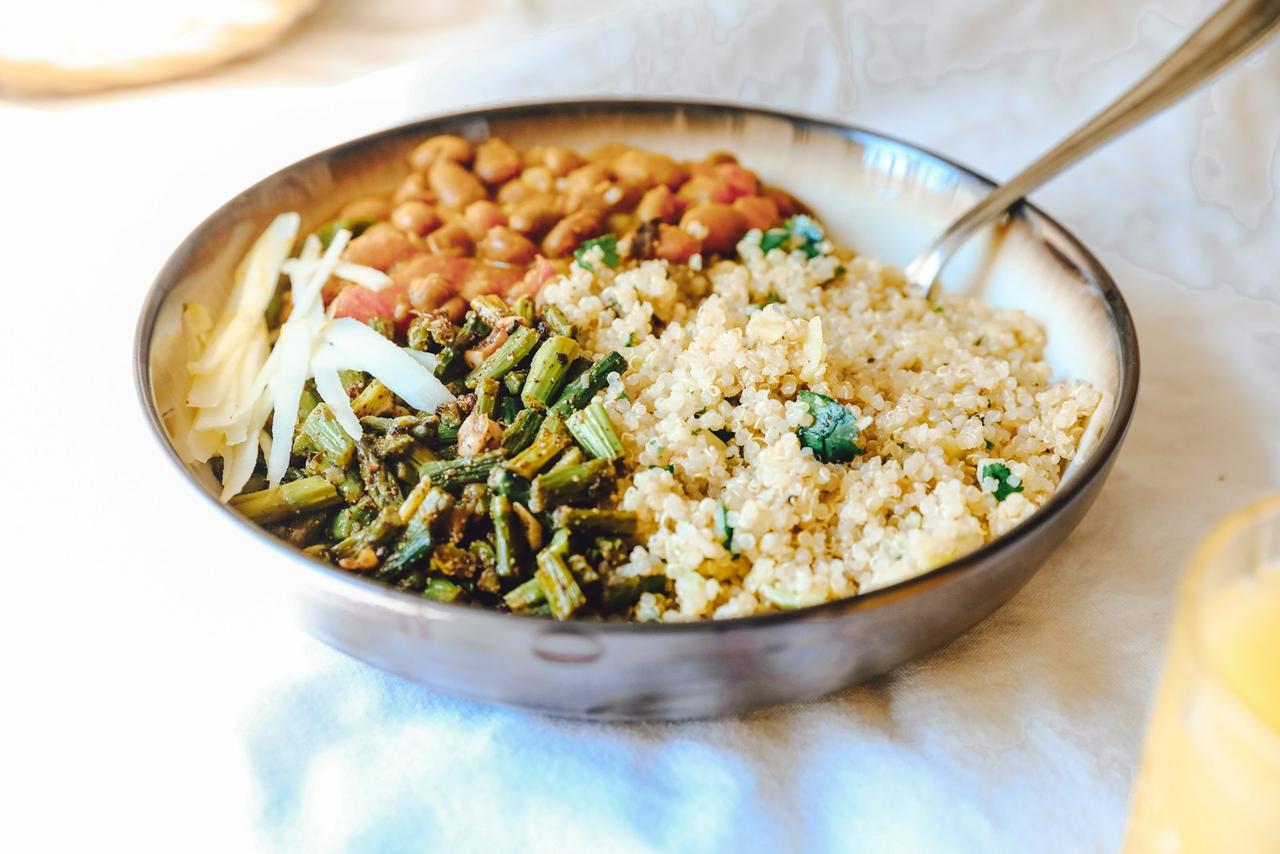
Protein doesn't have to come from animal sources to be complete and satisfying. Beans, lentils, chickpeas, tofu, tempeh, edamame, and even quinoa provide substantial protein that supports muscle maintenance and keeps hunger at bay. When eating more plants, learning to incorporate these protein sources regularly makes an enormous difference in how satisfied you feel. A salad with just lettuce and tomatoes will leave you searching for snacks within an hour. That same salad with a generous scoop of white beans, some pumpkin seeds, and a drizzle of tahini dressing becomes a meal that carries you through the afternoon.
Healthy Fats Make Plants Delicious
One reason vegetables sometimes feel boring or unsatisfying is the absence of fat. Your body needs fat to absorb many of the nutrients in vegetables, and your taste buds recognize fat as a signal of nourishing food. Olive oil, avocado, nuts, seeds, and coconut all add richness that transforms simple vegetables into deeply satisfying meals. Roasted broccoli drizzled with olive oil and sprinkled with sea salt tastes nothing like steamed broccoli served plain. The nutritional profile improves, the satisfaction increases, and the likelihood of eating more plants tomorrow rises significantly.
Practical Tips for Eating More Plants Every Day
Beyond general strategies, specific practical tips make eating more plants feel effortless rather than demanding. These are the small adjustments that add up to significant change without requiring you to become a different person or adopt an entirely new lifestyle.
Shop the Rainbow Weekly
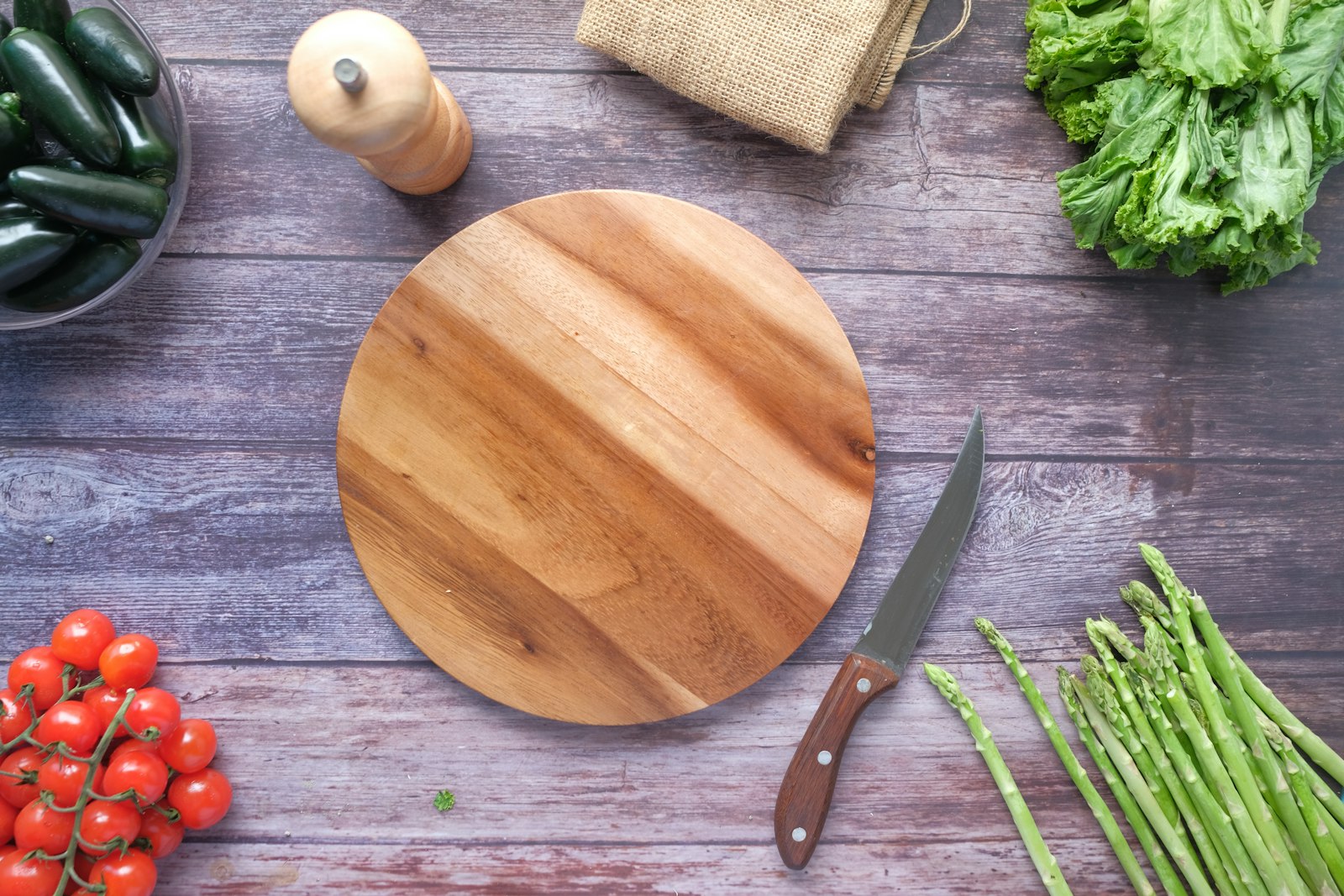
When you visit the grocery store, make it a habit to grab at least three different colors of vegetables each week. This simple practice ensures variety in your nutrients and keeps your meals interesting. One week might bring red peppers, purple cabbage, and orange carrots. The next might include dark leafy greens, yellow squash, and white cauliflower. Colors indicate different phytonutrients and antioxidants, so variety naturally maximizes the health benefits of eating more plants without requiring you to track anything specific.
Prep Vegetables When You Unpack Groceries
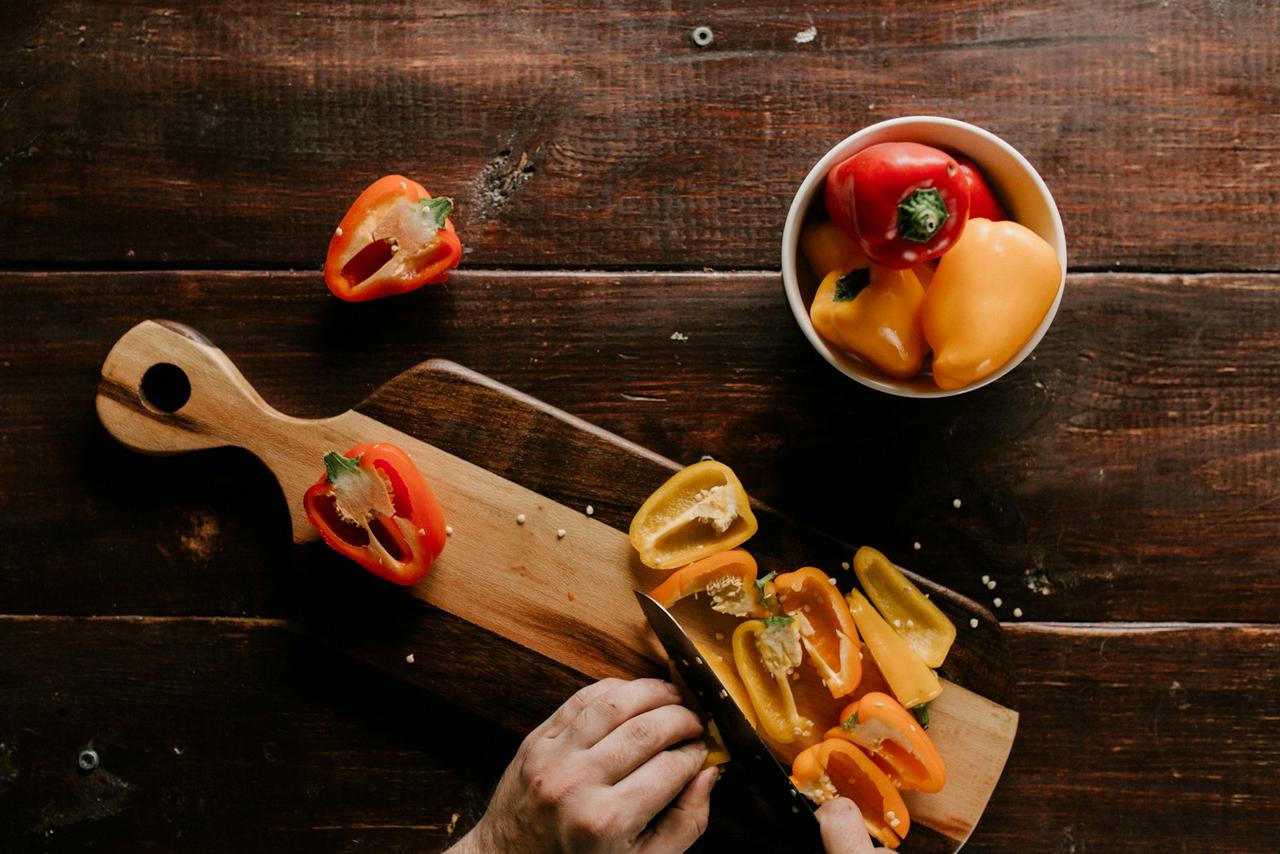
The moment vegetables go into the fridge unwashed and uncut, they often stay there until they're no longer appealing. A simple habit shift can change this pattern entirely. When you return from shopping, spend fifteen minutes washing, chopping, and storing vegetables in clear containers at eye level in your refrigerator. Suddenly, grabbing a handful of pre-cut bell peppers for a snack becomes easier than reaching for crackers. The Instant Plate Builder offers a framework for understanding exactly what to prep and how to combine these ingredients into satisfying meals throughout your week.
Photo by National Cancer Institute on Unsplash
Frequently Asked Questions About Eating More Plants
Do I need to give up meat entirely when eating more plants?
Absolutely not. Eating more plants simply means increasing the proportion of vegetables, fruits, legumes, and whole grains on your plate. Meat, fish, eggs, and dairy can still have a place in your meals. Many people find that as they eat more plants, animal products naturally take a smaller role without any forced restriction. It's about expanding your options rather than eliminating them.
Will I get enough protein when eating more plants?
With a little attention to including plant proteins like beans, lentils, tofu, and nuts, most people easily meet their protein needs. Combining different plant proteins throughout the day provides all the amino acids your body requires. If you include any animal products in your diet, meeting protein needs becomes even simpler while still enjoying the benefits of abundant plant foods.
How do I get my kids interested in eating more plants?
Children often respond well to involvement and presentation rather than pressure. Letting them choose a new vegetable at the store, involving them in meal preparation, and presenting plants in fun arrangements can shift their interest dramatically. The Kids Plate Builder was designed specifically to help parents navigate this process with practical strategies that work for real families with real picky eaters.
Starting the journey of eating more plants doesn't require perfection, extensive cooking skills, or a complete pantry makeover. It asks only for curiosity and a willingness to add more nourishing foods to your existing meals. Every vegetable you add, every bean you toss into soup, every leafy green you blend into a smoothie contributes to your wellbeing in ways both immediate and lasting. The path of eating more plants unfolds one simple choice at a time, building momentum naturally as your body begins to recognize and crave the vitality that comes from whole food nourishment.
Your Next Step
Ready to make eating more plants feel genuinely simple? The Instant Plate Builder gives you a clear, flexible formula for creating satisfying plant-forward meals without recipes, rigid plans, or hours in the kitchen. For just $17, you'll have a system that removes the guesswork and makes nourishing yourself feel effortless. Because you deserve to feel good in your body without food becoming a full-time project.