5 Simple Ways to Transition Family to Plant-Based Meals
Transition your family to plant-based meals without drama or resistance. Discover 5 gentle strategies that actually work. Start today.
If you've been thinking about how to transition family to plant-based meals without triggering a dinner table rebellion, you're not alone. So many parents and partners feel caught between wanting better nutrition and fearing the pushback. The good news? This shift doesn't require a dramatic overhaul or forcing anyone to eat foods they hate. It's about gentle, gradual changes that feel natural rather than forced. By the end of this guide, you'll have five practical strategies to bring more plants onto your family's plates—without the stress, resistance, or wasted groceries that often come with dietary changes.
Photo by Annie Spratt on Unsplash
Why Families Struggle to Transition to Plant-Based Meals
Before diving into solutions, it helps to understand why this transition feels so challenging for most households. It's rarely about the food itself—it's about habits, expectations, and the emotional weight we attach to meals. When you understand these barriers, working around them becomes much simpler.
The Comfort Food Connection
Most families have deeply ingrained food traditions built around specific dishes. Sunday roasts, spaghetti and meatballs, grilled cheese sandwiches—these meals carry memories and meaning beyond their nutritional content. According to Harvard Health research on plant-based transitions, the emotional connection to familiar foods often creates more resistance than taste preferences do. When you recognize that resistance isn't really about hating vegetables, you can approach the transition with more compassion and creativity.
Fear of Complicated Cooking
Another major roadblock is the assumption that plant-forward cooking requires fancy ingredients, complicated recipes, and hours in the kitchen. This couldn't be further from the truth. The most sustainable approach to transition family to plant-based meals involves simplification, not complication. When meals become easier rather than harder, everyone wins—including the cook who's already juggling too much.
Start With Addition, Not Subtraction
Here's the mindset shift that changes everything: instead of taking foods away, focus on adding more plants to what you already eat. This approach removes the feeling of deprivation that makes dietary changes feel punishing. Your family continues enjoying familiar favorites while gradually developing a taste for new ingredients.
The Half-Plate Method
One simple technique involves filling half of every plate with vegetables before adding anything else. This works beautifully because nobody feels like they're missing out—they're just getting more variety. Start with vegetables your family already tolerates, even if it's just roasted carrots or steamed broccoli. According to Mayo Clinic's nutrition guidelines, this visual approach helps people naturally reduce portions of less nutritious foods without feeling restricted.
Familiar Dishes, Plant-Forward Upgrades
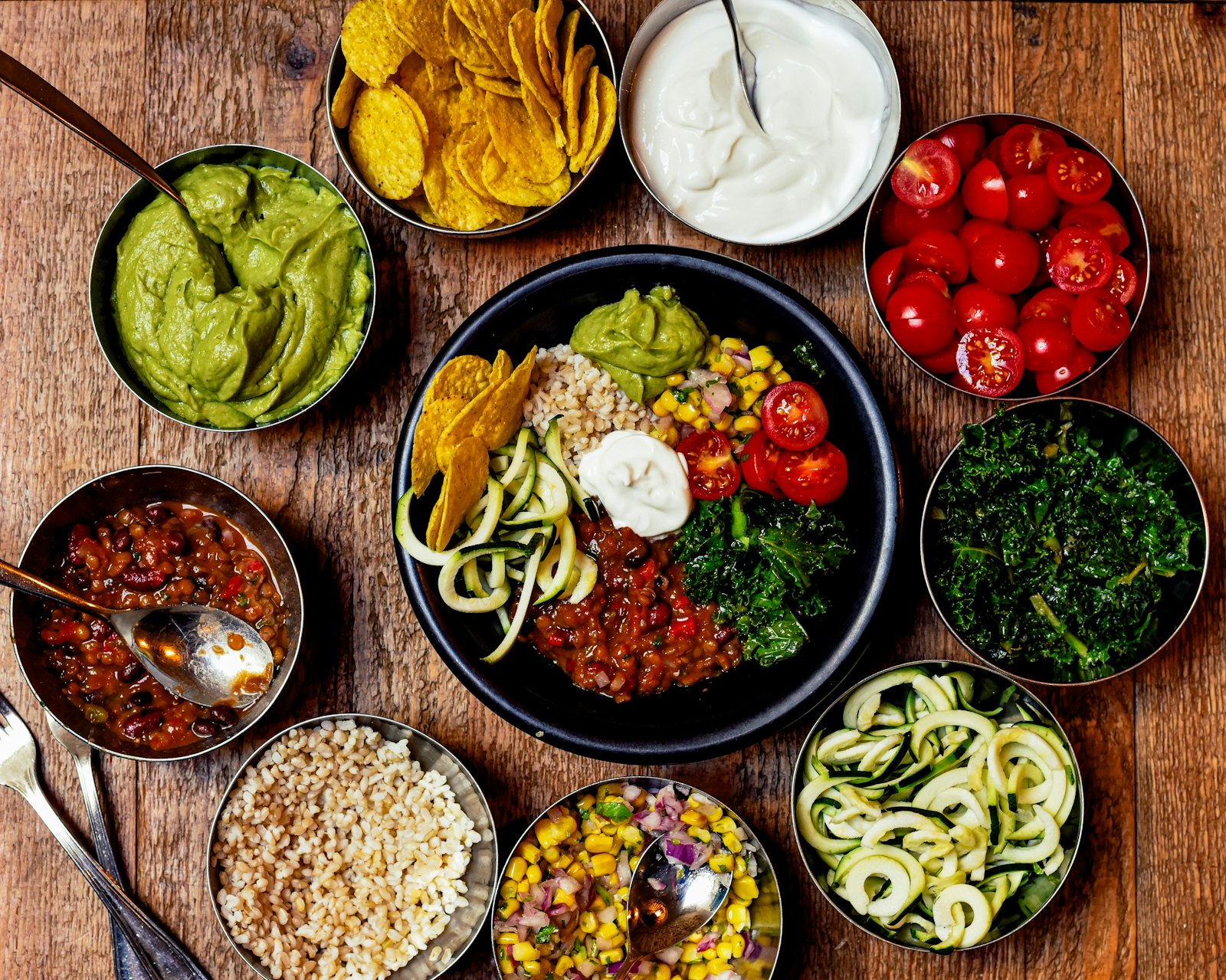
Take your family's favorite meals and find ways to boost the plant content. Tacos become a perfect vehicle for black beans, peppers, and corn alongside smaller portions of meat. Pasta sauce gets loaded with zucchini, mushrooms, and spinach. Stir-fries transform into mostly-vegetable bowls with protein as an accent rather than the star. When you transition family to plant-based meals this way, the shift happens so gradually that nobody notices they're eating differently.
Photo by Stefan Vladimirov on Unsplash
Making Plant Foods Genuinely Delicious
Let's be honest—overcooked, underseasoned vegetables deserve their bad reputation. If plant foods taste bland or mushy, no amount of nutritional knowledge will make your family excited about eating them. The secret to a successful transition lies in making vegetables so delicious that people actually want seconds.
Roasting Changes Everything
Roasting vegetables at high heat (around 400-425°F) transforms them completely. The natural sugars caramelize, edges get crispy, and even vegetable skeptics find themselves reaching for more. Brussels sprouts, cauliflower, sweet potatoes, and broccoli become almost addictive when roasted with olive oil, salt, and a squeeze of lemon. This simple cooking method has converted more vegetable haters than any amount of nutritional lecturing ever could.
Don't Fear Flavor Enhancers
Good olive oil, quality salt, fresh herbs, garlic, and acid (lemon juice or vinegar) make plant foods sing. Tahini dressings, pesto, hummus, and nut-based sauces add richness that satisfies even the most skeptical eaters. When you transition family to plant-based meals with these flavor tools in your arsenal, the food speaks for itself. Nobody needs convincing to eat delicious food—they just need access to it.
Strategies to Transition Family to Plant-Based Meals Successfully
Now for the practical, week-by-week approach that actually works. These strategies account for different ages, preferences, and the reality that change takes time. Rushing this process almost always backfires, while patience creates lasting habits.
The Meatless Monday Expansion
Start with just one fully plant-based dinner per week. This gives everyone time to adjust without feeling overwhelmed. Once Monday feels normal, add a second evening—perhaps Thursday. After a month or two, expand to three nights. This gradual approach respects your family's adjustment period while steadily increasing plant consumption. Many families find that within six months, plant-forward meals become their default rather than their exception.
Involve Everyone in the Process
Give each family member some ownership over this transition. Let kids pick a new vegetable to try each week or choose between two plant-based dinner options. Partners who feel forced into dietary changes often resist, while those who participate in planning feel invested in success. When the whole family owns this transition together, it stops feeling like something being done to them and starts feeling like a shared project.
Photo by Thomas Park on Unsplash
Frequently Asked Questions About Transition Family to Plant-Based Meals
How long does it take to transition family to plant-based meals?
Most families see genuine habit changes within three to six months when using a gradual approach. Rushing creates resistance, while patience allows taste preferences to naturally shift. Focus on progress rather than perfection, and celebrate small wins along the way. Some family members may adapt faster than others, and that's completely normal.
What if some family members refuse to participate?
Forcing anyone rarely works and often backfires. Instead, continue serving plant-forward options alongside familiar foods, allowing reluctant family members to try new things at their own pace. Repeated exposure without pressure eventually shifts preferences for most people. In the meantime, focus on those who are willing and let curiosity do its work on the skeptics.
Will my family get enough protein during this transition?
Absolutely. Beans, lentils, tofu, tempeh, nuts, seeds, and whole grains all provide substantial protein. A varied plant-forward diet easily meets protein needs for all ages. The key is variety and adequate calories—when those boxes are checked, protein takes care of itself.
Learning to transition family to plant-based meals becomes so much easier when you have the right tools. The journey works best when it feels manageable, sustainable, and even enjoyable for everyone involved. Remember, this isn't about perfection or adhering to strict rules—it's about gradually filling your family's plates with more nourishing foods while maintaining peace at the dinner table. Small, consistent changes create lasting transformation, one meal at a time.
Your Next Step
Ready to make this transition effortless? The Instant Plate Builder gives you a simple, repeatable formula for creating balanced plant-forward meals in minutes—no complicated recipes or ingredient lists required. And if you're feeding little ones, the Kids Plate Builder adapts the same system specifically for children's nutritional needs and preferences. Both tools take the guesswork out of plant-based meal planning so you can focus on what matters most: enjoying nourishing food with the people you love.