7 Easy High-Protein Plant-Based Meals Without Powders
High-protein plant-based meals can be simple and powder-free. Discover 7 whole-food recipes your ancestors would recognize. Start today.
High-protein plant-based meals are absolutely achievable using only whole foods—no expensive powders, no complicated supplements, just real ingredients combined thoughtfully. Legumes, whole grains, nuts, and seeds can easily deliver 20-30 grams of protein per meal when you understand how to pair them. If you've been wondering whether you can meet your protein needs without reaching for a tub of processed powder, the answer is a reassuring yes. This is exactly how our great-grandparents ate—beans simmered slowly, grains cooked simply, seeds scattered generously. And here's the beautiful truth: these high-protein plant-based meals are often more satisfying, more affordable, and far gentler on digestion than their powdered alternatives. Today, I'm sharing seven simple approaches that have transformed how I think about plant protein, and I think they might do the same for you.
Understanding High-Protein Plant-Based Meals: The Foundation
Before we dive into specific meals, let's establish something important: plant proteins are complete enough to nourish you beautifully when you eat a variety of whole foods throughout the day. The outdated idea that you must combine specific proteins at every single meal has been largely debunked by modern nutrition science. According to Harvard Health, eating a varied plant-based diet naturally provides all essential amino acids over the course of a day. This takes so much pressure off meal planning and allows you to simply enjoy your food.
Why Whole Foods Outperform Powders
Protein powders certainly have their place, but they often come with additives, artificial sweeteners, and a processing level that removes much of the natural goodness found in whole foods. When you eat lentils instead of pea protein isolate, you're also getting fiber, iron, folate, and dozens of phytonutrients that support your overall wellbeing. Whole food proteins digest more slowly, keeping you satisfied longer and providing steady energy rather than quick spikes. There's also something deeply grounding about preparing real food—the ritual of cooking connects us to generations who understood nourishment in ways we're only now rediscovering.
The Protein Numbers That Actually Matter
Most adults thrive on roughly 0.8 to 1 gram of protein per kilogram of body weight daily, though active individuals may benefit from slightly more. Here's what this looks like in real food terms: one cup of cooked lentils provides about 18 grams of protein, a cup of cooked quinoa offers 8 grams, and a quarter cup of hemp seeds delivers 10 grams. When you combine these foods thoughtfully throughout your day, reaching adequate protein becomes almost effortless. The key is building meals around protein-rich plant foods rather than treating them as afterthoughts.
Seven Simple Approaches to Protein-Rich Plant Eating
Now let's explore the practical side—actual meal ideas that you can adapt to your own kitchen, your own tastes, and your own schedule. These aren't rigid recipes demanding exact measurements. They're flexible frameworks that honor how real people actually cook and eat.
The Mighty Legume Bowl
Legumes are the cornerstone of high-protein plant-based meals around the world, and for good reason. A simple bowl built on chickpeas, black beans, or lentils can easily provide 15-20 grams of protein before you add anything else. Start with a generous scoop of your favorite legume, add a whole grain like brown rice or farro, pile on roasted or raw vegetables, and finish with a tahini or nut-based dressing. This formula works for lunch, dinner, or even a hearty breakfast. The beauty lies in its adaptability—Mediterranean flavors one day, Mexican-inspired the next, Asian-influenced after that.
The Ancient Grain Breakfast
Morning meals often get stuck in a protein rut, but whole grains change everything. Quinoa porridge made with plant milk and topped with hemp seeds, walnuts, and fresh berries delivers substantial protein alongside complex carbohydrates that fuel your morning. Steel-cut oats, while lower in protein alone, become powerhouses when you stir in chia seeds, a spoonful of almond butter, and a sprinkle of pumpkin seeds. These breakfasts keep you steady until lunch without the crash that often follows processed cereals or sugary alternatives.
Building Complete Meals Without Overthinking
The simplest approach to high-protein plant-based meals follows a basic formula: legume plus grain plus vegetables plus healthy fat. This combination naturally provides complementary amino acids, abundant fiber, and the satisfaction factor that keeps you from grazing mindlessly between meals. You don't need to measure or calculate—just include something from each category and trust that your body knows how to use the nourishment you're providing.
The Power of Batch Cooking
One of the biggest barriers to eating well is time, and batch cooking solves this beautifully. Spending an hour or two on a weekend preparing a pot of beans, a batch of grains, and some roasted vegetables sets you up for effortless high-protein plant-based meals all week long. Store components separately in the refrigerator and combine them differently each day. Monday's lentils become part of a warm grain bowl; by Wednesday, they're the base of a cold salad with crisp vegetables and lemon dressing. This approach respects both your nutritional needs and your actual life.
Seeds: The Unsung Protein Heroes
Hemp seeds, pumpkin seeds, sunflower seeds, and chia seeds often get overlooked in protein conversations, but they're remarkable additions to any meal. Hemp seeds alone contain all nine essential amino acids and provide about 10 grams of protein per three tablespoons. Scatter them on salads, blend them into dressings, stir them into oatmeal, or simply eat them by the handful. Seeds also provide essential fatty acids and minerals like zinc and magnesium that support everything from immune function to sleep quality.
High-Protein Plant-Based Meals for Busy Weeknights
Reality check: most of us aren't spending hours in the kitchen on Tuesday evenings. The good news is that protein-rich plant meals can come together in under thirty minutes, especially when you have some components prepped ahead of time. Quick-cooking legumes like red lentils soften in just fifteen minutes. Canned beans (rinsed well) are ready instantly. Frozen edamame needs only a few minutes of steaming.
The Fifteen-Minute Stir-Fry
Keep a block of firm tofu or a bag of edamame in your refrigerator for nights when speed matters most. A simple stir-fry with pressed, cubed tofu, whatever vegetables you have on hand, and a sauce made from tamari, ginger, and garlic comes together faster than takeout arrives. Serve over leftover grains or quick-cooking rice noodles for a complete meal that provides easily 20-25 grams of protein. According to Mayo Clinic, incorporating plant proteins like tofu into your regular rotation supports heart health while providing excellent nutrition.
The No-Cook Assembly
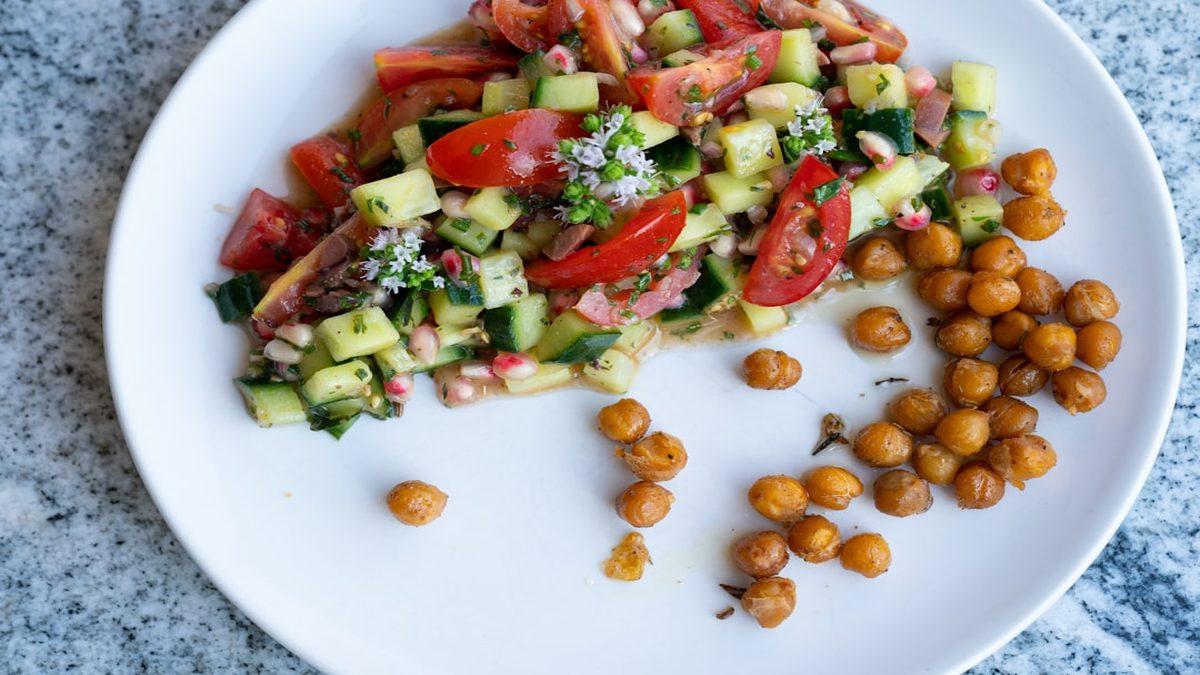
Sometimes even fifteen minutes feels like too much to ask. Enter the assembled meal: canned chickpeas drained and tossed with olive oil and lemon, pre-washed greens from a container, cherry tomatoes halved, cucumber sliced, a handful of olives, and a generous sprinkle of hemp seeds. Absolutely no cooking required, yet you're looking at a protein-rich, deeply satisfying plate that would make your Mediterranean ancestors proud. This approach proves that high-protein plant-based meals don't require culinary expertise or endless energy.
Frequently Asked Questions About High-Protein Plant-Based Meals
Can I really get enough protein from plants without supplements?
Absolutely. Legumes, whole grains, nuts, seeds, and even certain vegetables contribute meaningful protein to your diet. When you eat a variety of these foods throughout the day, meeting protein needs happens naturally. Many cultures around the world have thrived on plant-centric diets for generations, long before protein powders existed. The key is building meals around protein-rich whole foods rather than treating them as small side dishes.
What are the highest protein plant foods I should focus on?
Lentils, chickpeas, black beans, and other legumes top the list, providing 15-18 grams per cooked cup. Tofu and tempeh offer concentrated protein in smaller portions. Among grains, quinoa stands out with complete protein and impressive amino acid profiles. Hemp seeds, pumpkin seeds, and almonds round out the category with substantial protein per serving. Combining any of these in a single meal creates a protein-rich plate without effort.
How do I make high-protein plant-based meals taste satisfying?
Satisfaction comes from fat, fiber, and flavor—all abundant in whole food plant eating. Don't shy away from tahini, olive oil, avocado, and nuts. Season generously with herbs, spices, citrus, and good quality salt. Texture matters too: add something crunchy alongside something creamy, something warm alongside something fresh. When meals engage all your senses, they feel complete in a way that goes far beyond protein grams on a nutrition label.
Creating high-protein plant-based meals becomes second nature once you understand the simple principles involved. It's not about restriction or complicated formulas—it's about returning to a way of eating that humans practiced successfully for thousands of years before convenience foods took over. Real food, prepared simply, eaten mindfully. That's the entire philosophy. If you'd like a straightforward system for building balanced plates without overthinking, my Instant Plate Builder lays out a simple framework you can use tonight and every night after.
Your Next Step
If this approach to eating resonates with you—simple, whole-food focused, rooted in how humans have nourished themselves for generations—I've gathered everything I personally use and recommend in one place. Visit my plant-forward kit to explore the guides and resources that make this lifestyle feel effortless rather than overwhelming. No complicated rules. No expensive supplements. Just real food wisdom, organized simply so you can start living it today.