7 Easy High-Protein Plant-Based Breakfasts You'll Love
Easy high-protein plant-based breakfasts that keep you full all morning. Simple recipes, real ingredients, no fuss. Start today.
That mid-morning crash when your stomach growls during an important meeting? It doesn't have to be your daily reality. High-protein plant-based breakfasts change everything about how you start your day — and they're far simpler than you might think. If you've been surviving on toast or skipping breakfast altogether, wondering why your energy flatlines by 10 AM, this is your permission slip to do mornings differently. No complicated recipes, no obscure ingredients, just real food that actually keeps you satisfied until lunch.
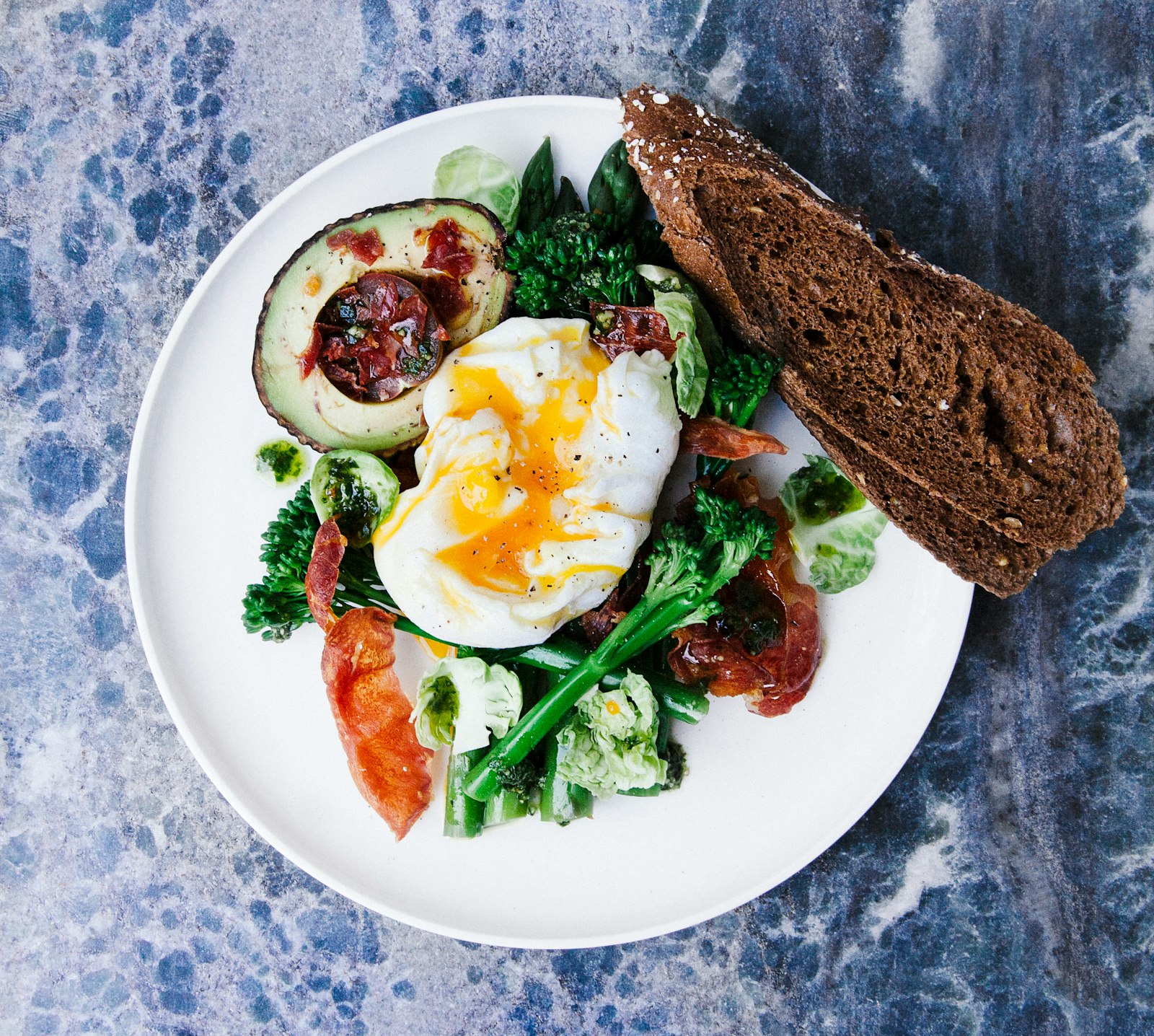
Photo by Jannis Brandt on Unsplash
Why High-Protein Plant-Based Breakfasts Transform Your Morning
There's a reason nutritionists keep talking about protein at breakfast. When you eat protein in the morning, your body releases satiety hormones that keep hunger signals quiet for hours. According to Harvard Health research on protein intake, spreading your protein throughout the day — starting with breakfast — supports muscle maintenance, stable energy, and better appetite regulation. Plant-based sources deliver this protein alongside fiber and antioxidants that animal proteins simply don't offer.
The Satiety Factor That Keeps You Full
Plant proteins come packaged with fiber, which slows digestion and creates a gentle, sustained release of energy. Think about the difference between eating a sugary muffin versus a bowl of chickpea scramble with vegetables. The muffin spikes your blood sugar, then drops you like a stone. The chickpea scramble? It works quietly in the background, keeping you focused and calm. This combination of protein plus fiber is the secret weapon of high-protein plant-based breakfasts — you're not just adding protein, you're completely changing how your body processes that morning meal.
Beyond the Protein Powder Myth
Somewhere along the way, we got convinced that plant-based protein means scooping mysterious powders into smoothies. But whole food sources — beans, lentils, tofu, tempeh, nuts, seeds — offer so much more than isolated protein. They bring vitamins, minerals, and phytonutrients that powders can't replicate. You can absolutely enjoy a smoothie with protein powder sometimes, but building your morning around whole foods creates a foundation that feels more like nourishment than supplementation.
The Building Blocks of Protein-Rich Morning Meals
Creating satisfying high-protein plant-based breakfasts doesn't require memorizing complicated recipes or buying expensive specialty products. It comes down to understanding a few versatile ingredients that you can mix, match, and adapt to whatever sounds good on any given morning. Once you know these building blocks, breakfast becomes intuitive rather than stressful.
Legumes: Your Breakfast Secret Weapon
Beans for breakfast might sound strange if you grew up with cereal culture, but much of the world starts their day this way — and for good reason. Black beans, white beans, chickpeas, and lentils all offer substantial protein alongside complex carbohydrates. A half-cup of cooked chickpeas delivers around 7 grams of protein and 6 grams of fiber. You can make a quick chickpea scramble with turmeric and vegetables, warm up leftover beans with avocado toast, or blend white beans into a creamy breakfast smoothie. The possibilities genuinely surprise most people once they start experimenting.
Tofu and Tempeh: The Texture Champions
If you've had bad tofu experiences in the past, breakfast might be where you give it another chance. Scrambled tofu, seasoned with nutritional yeast and black salt (which gives an eggy flavor), rivals traditional scrambled eggs in satisfaction. Tempeh, made from fermented soybeans, offers an even denser protein hit — about 15 grams per half-cup — plus beneficial probiotics from the fermentation process. Crumbled tempeh makes an excellent base for breakfast bowls or can be sliced and pan-fried alongside vegetables.
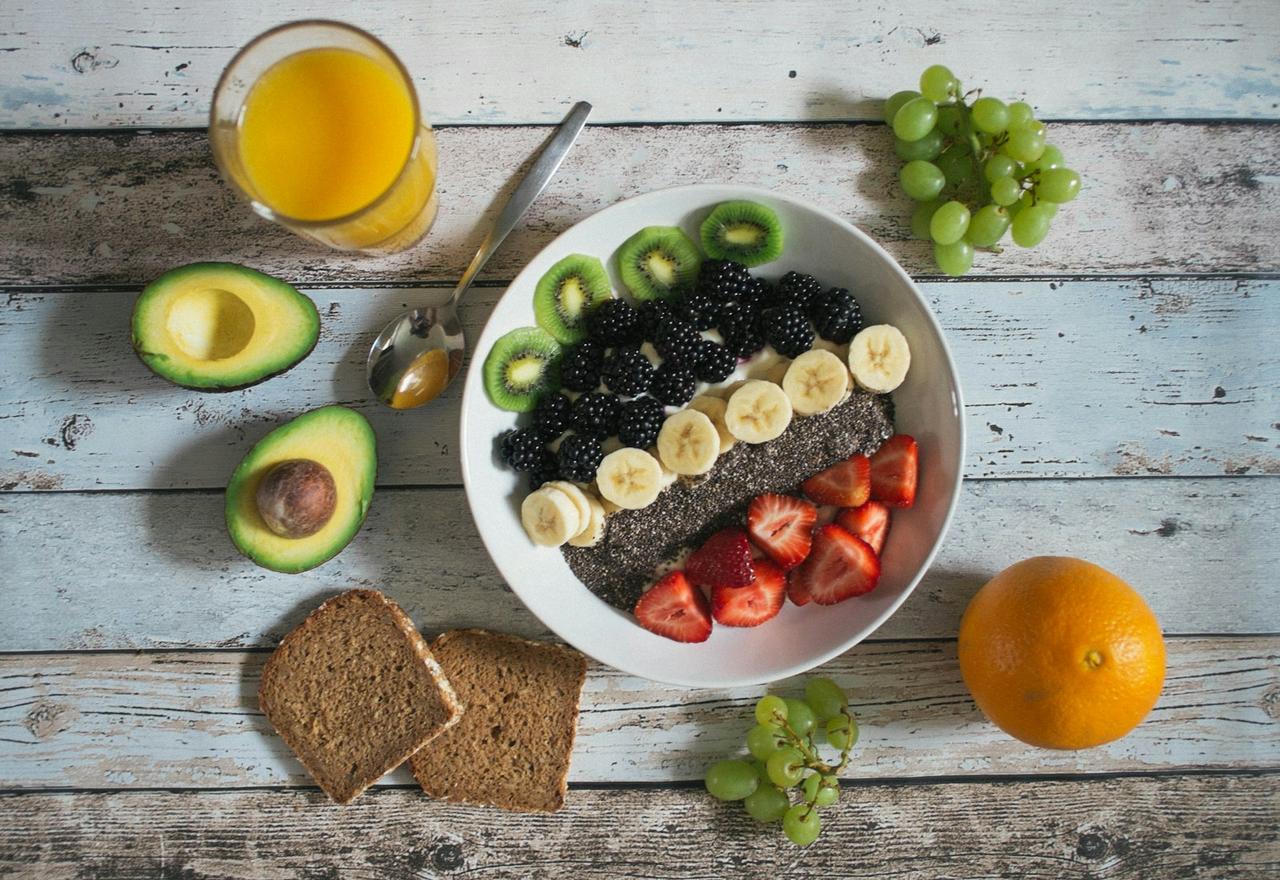
Photo by Ben Hershey on Unsplash
Seven Recipes That Prove High-Protein Plant-Based Breakfasts Are Delicious
Enough theory — let's talk about actual meals you can make tomorrow morning. These recipes prioritize simplicity because nobody wants to spend 45 minutes cooking before work. Each one delivers at least 15 grams of protein, uses ingredients available at regular grocery stores, and tastes genuinely good. Not "good for plant-based" — just good, full stop.
Quick-Prep Options for Busy Mornings
Overnight Protein Oats: Combine ½ cup rolled oats, 1 cup unsweetened plant milk, 2 tablespoons hemp seeds, 2 tablespoons almond butter, and a splash of maple syrup. Refrigerate overnight. Morning protein: approximately 18 grams. Total prep time: 3 minutes the night before.
Chickpea Avocado Toast: Mash half a can of chickpeas with lemon juice, salt, and pepper. Spread on toasted whole grain bread with sliced avocado and everything bagel seasoning. Morning protein: approximately 16 grams. Total prep time: 5 minutes.
Peanut Butter Banana Smoothie: Blend 1 frozen banana, 2 tablespoons peanut butter, 1 cup soy milk, 2 tablespoons rolled oats, and a handful of spinach. Morning protein: approximately 17 grams. Total prep time: 4 minutes.
Weekend Recipes Worth the Extra Time
Savory Tofu Scramble: Press and crumble firm tofu into a hot skillet with olive oil. Add turmeric, garlic powder, nutritional yeast, and black salt. Sauté until golden, then add spinach, tomatoes, and any vegetables you like. Serve with toast or wrapped in a tortilla. Morning protein: approximately 22 grams.
Tempeh Breakfast Hash: Cube tempeh and potatoes, then roast or pan-fry with onions, peppers, and your favorite seasonings. Top with hot sauce and fresh herbs. Morning protein: approximately 20 grams.
Lentil Breakfast Bowl: Warm cooked lentils with cumin and smoked paprika. Serve over greens with roasted sweet potato, sauerkraut, and tahini dressing. Morning protein: approximately 18 grams.
Black Bean Breakfast Burrito: Fill a whole wheat tortilla with black beans, scrambled tofu, salsa, avocado, and nutritional yeast. Wrap and enjoy immediately, or wrap in foil for breakfast on the go. Morning protein: approximately 21 grams.
Making High-Protein Plant-Based Breakfasts Work for Your Life
Knowing recipes is one thing. Actually making them part of your life is another. The difference between good intentions and real change often comes down to systems — small structures that make the healthy choice the easy choice. These strategies help bridge that gap between "I'd like to eat better" and "I actually do eat better."
Batch Prep That Actually Saves Time
Sunday afternoon cooking sessions can set you up for success all week. Cook a big batch of lentils or chickpeas, prep tofu scramble mixture, or make five portions of overnight oats at once. Research from Healthline on meal preparation strategies consistently shows that having healthy options ready to grab dramatically increases the likelihood of making nutritious choices. Store prepped components in clear containers at the front of your refrigerator where you'll see them first.
Adapting to Your Household's Needs
If you're cooking for a family, high-protein plant-based breakfasts can work for everyone — including picky eaters. The key is offering familiar formats with new ingredients. Kids who resist "weird health food" often happily eat peanut butter banana toast, oatmeal with fun toppings, or smoothies presented in colorful cups. You're not making separate meals; you're adapting presentation. The Kids Plate Builder offers a practical framework for creating balanced meals that work for children without negotiation every morning.
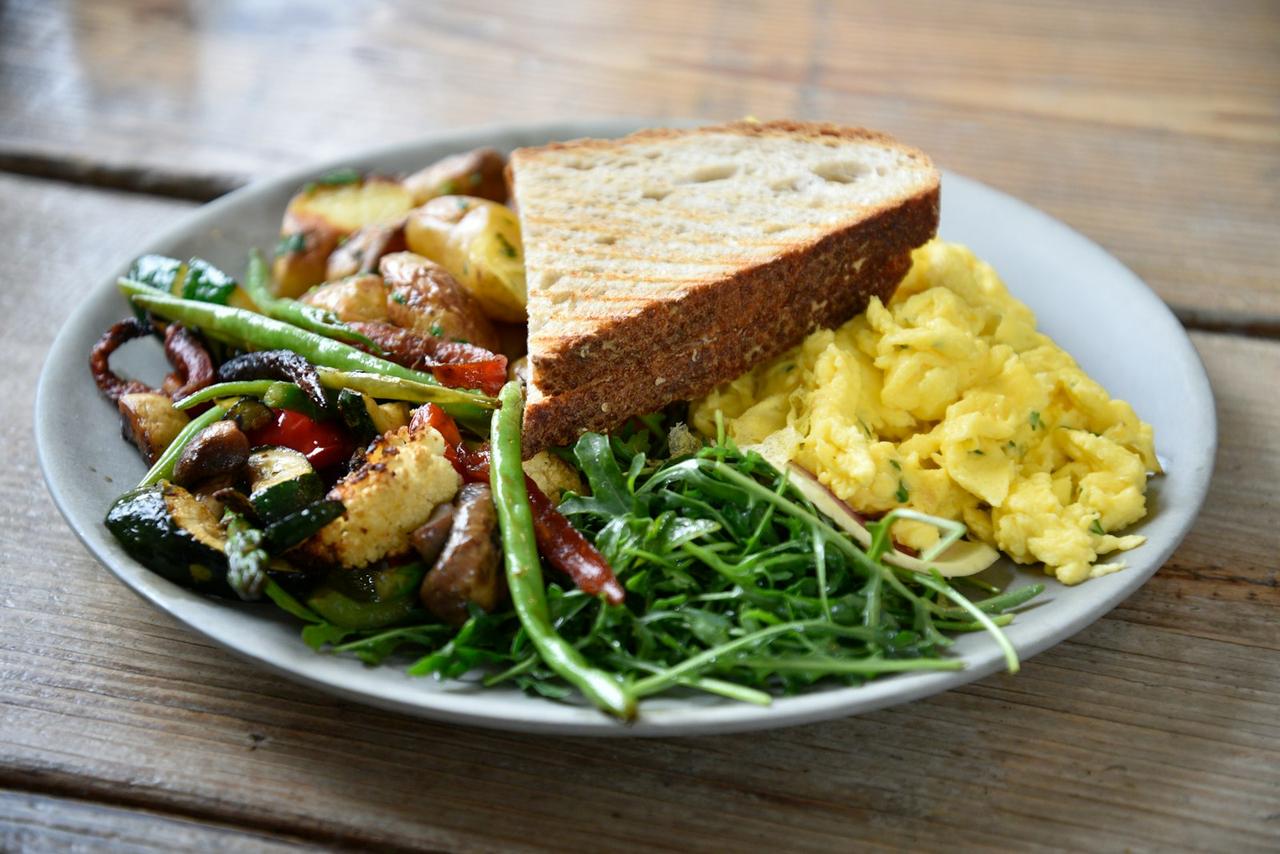
Photo by Daria Nepriakhina 🇺🇦 on Unsplash
Frequently Asked Questions About High-Protein Plant-Based Breakfasts
How much protein do I actually need at breakfast?
Most nutrition experts recommend aiming for 15-25 grams of protein at breakfast for sustained energy and satiety. This amount supports muscle maintenance, keeps blood sugar stable, and typically prevents that mid-morning hunger crash. The exact amount varies based on your body size, activity level, and overall daily protein goals, but somewhere in this range works well for most people seeking balanced energy throughout the morning.
Can I get complete protein from plant-based breakfast foods?
Yes, and it's simpler than older nutrition advice suggested. While individual plant foods may be lower in certain amino acids, eating a variety of plant proteins throughout the day provides all essential amino acids your body needs. Some breakfast foods — like soy products, quinoa, and hemp seeds — are complete proteins on their own. For everything else, simply eating different protein sources across your meals covers all bases without any complicated combining at each meal.
What if I don't have time to cook high-protein plant-based breakfasts?
The best breakfast is one you'll actually eat, so building a no-cook repertoire matters. Overnight oats, nut butter toast, and smoothies require minimal morning effort. Batch-prepped components like cooked beans or tofu scramble can be reheated in minutes. Even grabbing a handful of nuts with a piece of fruit and some soy yogurt delivers decent protein with zero cooking required. The goal is progress, not perfection.
Here's what matters most about high-protein plant-based breakfasts: they don't require perfection or complicated routines. They simply ask you to think a little differently about what belongs on your morning plate. Start with one recipe that sounds appealing, make it a few times until it feels natural, then add another. Before long, you'll have a rotation of satisfying options that make mornings feel easier and more energizing. That sustained, calm energy you've been chasing? It might be closer than you think.
Your Next Step
If building balanced, protein-rich meals still feels confusing, the Instant Plate Builder simplifies everything into one visual system. It shows you exactly how to combine proteins, vegetables, and satisfying elements — not just for breakfast, but for every meal. No counting, no complicated rules, just a simple formula that helps you build nourishing plates without overthinking. One guide, endless possibilities, and mornings that finally feel good.