Plant-Based Protein Sources: 7 Simple Real-Food Options
Plant-based protein sources are easier to find than you think. Discover 7 whole-food options that actually satisfy. Start today.
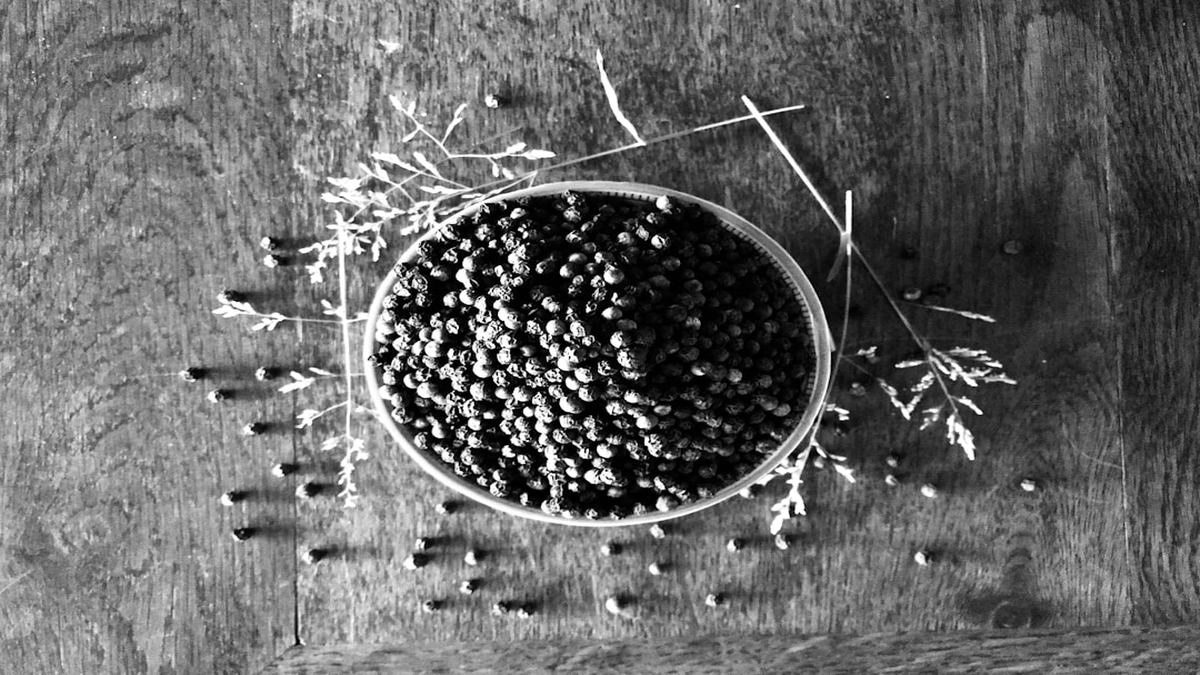
Plant-based protein sources include legumes, whole grains, nuts, seeds, and certain vegetables—and when combined throughout the day, they provide every amino acid your body needs. The short answer to that persistent question everyone asks? You absolutely can get enough protein from plants, and our ancestors did it for generations before us. If you have ever felt a little defensive at a dinner table when someone tilted their head and asked, "But where do you get your protein?" you are not alone. The question comes from genuine curiosity most of the time, but it can feel exhausting when you have heard it dozens of times. Here is the truth that keeps getting buried under complicated nutrition debates: plant-based protein sources are abundant, satisfying, and far simpler to incorporate than most people realize. This is not about perfection or following rigid rules. It is about understanding what real, whole foods offer and building meals that actually keep you full and nourished. Let me walk you through exactly how this works—one plate at a time.
Understanding Plant-Based Protein Sources and Why They Work
Before diving into specific foods, it helps to understand what makes plant-based protein sources effective for the human body. Protein is made up of amino acids, and while animal foods contain all essential amino acids in one package, plant foods offer them across a variety of sources. The beautiful thing is that your body does not need all amino acids in a single meal. According to Harvard Health, eating a varied plant-forward diet throughout the day provides everything you need without obsessive combining at every meal.
The Amino Acid Myth That Keeps People Worried
For decades, people believed you had to combine specific plant foods at every single meal to create "complete" proteins. This idea has been largely debunked by modern nutrition research. Your body is remarkably intelligent. It pools amino acids from everything you eat throughout the day and assembles what it needs. So if you have oats for breakfast, lentils for lunch, and some nuts as a snack, your body handles the rest. This takes so much pressure off meal planning and allows you to simply eat real, whole foods without overthinking every bite.
How Much Protein Do Most Adults Actually Need
The general guideline hovers around 0.8 grams of protein per kilogram of body weight for most adults, though active individuals may need slightly more. For someone weighing around 150 pounds, that translates to roughly 55 grams daily. This is surprisingly achievable through plant-based protein sources alone. A cup of cooked lentils offers about 18 grams. A cup of quinoa provides around 8 grams. Add some hemp seeds, a handful of almonds, and perhaps some tempeh, and you have exceeded that number without any animal products on your plate.
Seven Whole-Food Plant-Based Protein Sources to Build Your Meals Around
Now let us get practical. These are the foundational foods that make plant-forward eating both protein-rich and deeply satisfying. None of these require specialty stores or complicated preparation. They are the same foods that have nourished humans across cultures for thousands of years.
Legumes: The Humble Protein Powerhouses
Lentils, chickpeas, black beans, kidney beans, and every variety in between form the backbone of plant-based protein sources worldwide. They are inexpensive, shelf-stable, and incredibly versatile. A simple pot of lentil soup can provide half your daily protein needs in a single bowl. Chickpeas can become crispy roasted snacks, creamy hummus, or hearty additions to grain bowls. Black beans work beautifully in tacos, salads, or simply seasoned with cumin and lime. The fiber in legumes also means they keep you full for hours, stabilizing energy without the crash that often follows processed foods.
Whole Grains That Double as Protein Sources
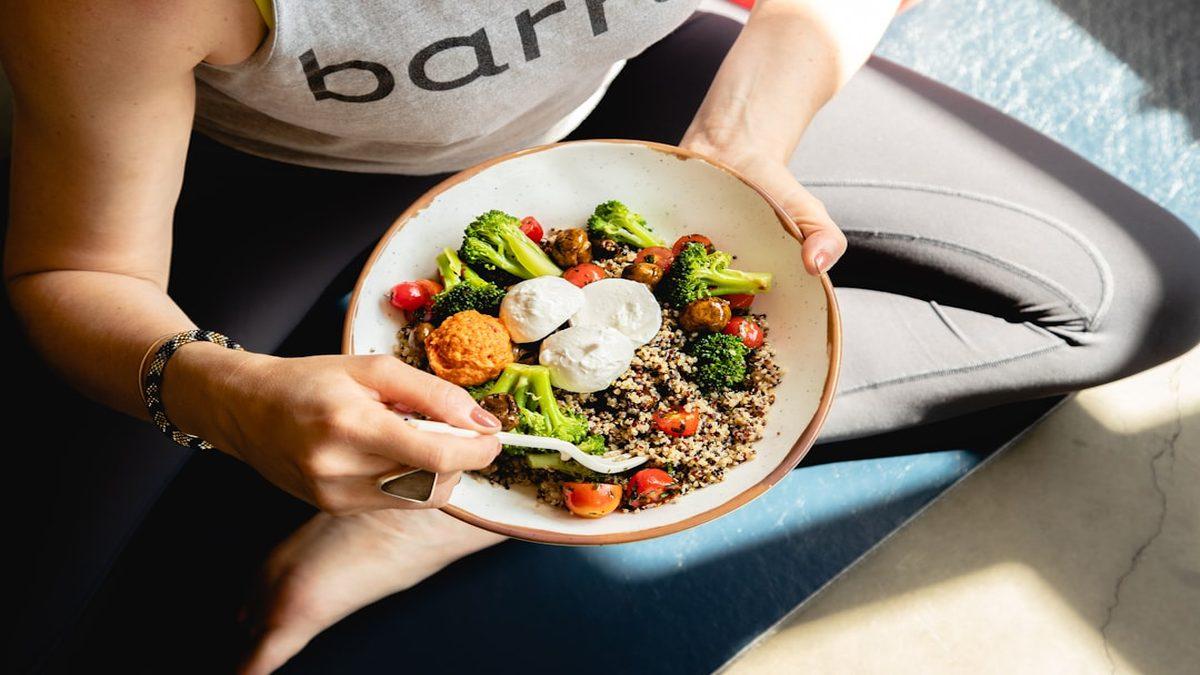
Not all grains are created equal when it comes to protein. Quinoa stands out because it contains all nine essential amino acids, making it one of the few complete plant-based protein sources. A single cup of cooked quinoa delivers about 8 grams of protein alongside fiber, iron, and magnesium. Other grains worth incorporating include amaranth, buckwheat, and wild rice. Even humble oats offer around 5 grams of protein per cooked cup, making your morning porridge more substantial than you might have realized.
Nuts, Seeds, and the Unsung Heroes of Plant Protein
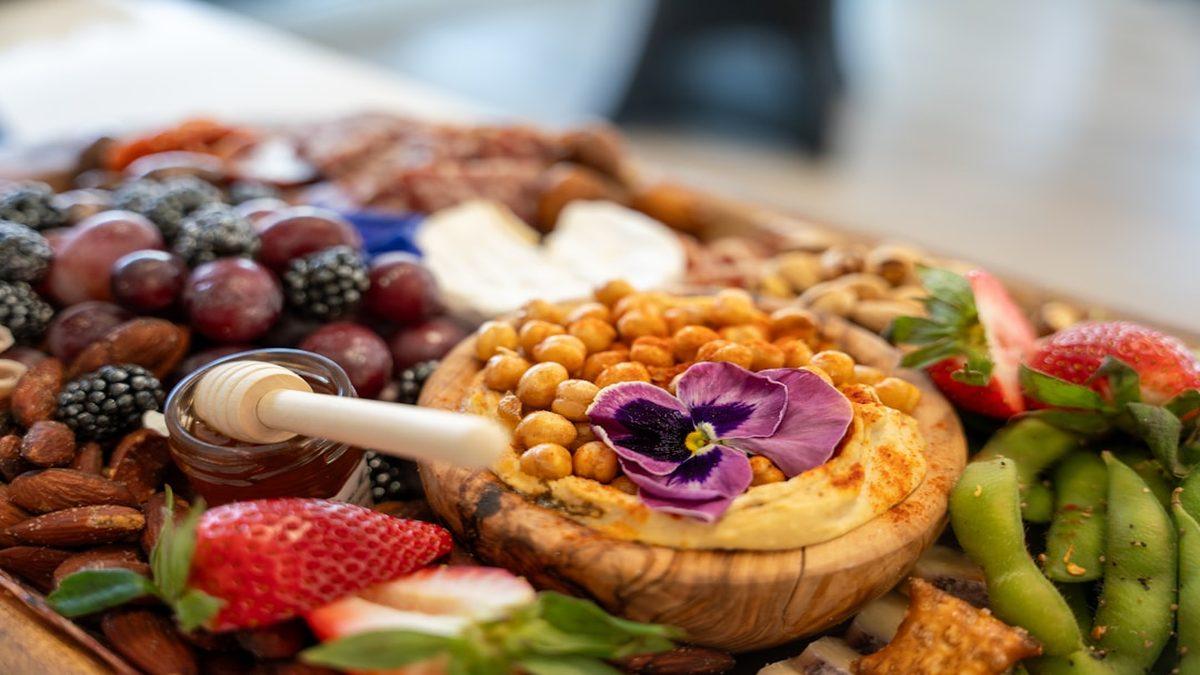
Sometimes the smallest foods carry the biggest nutritional punch. Nuts and seeds have been part of traditional diets across every continent, and they remain some of the most convenient plant-based protein sources available today.
Seeds That Pack Serious Nutritional Density
Hemp seeds deserve special attention. Just three tablespoons provide 10 grams of complete protein, plus omega-3 fatty acids. Sprinkle them on oatmeal, blend them into smoothies, or toss them into salads. Chia seeds, while lower in protein, offer a unique combination of fiber and healthy fats that support satiety. Pumpkin seeds are another excellent choice, delivering around 7 grams of protein per ounce along with zinc and magnesium. These tiny additions transform ordinary meals into deeply nourishing ones without requiring any additional cooking.
Nuts as Satisfying Protein-Rich Snacks
Almonds, peanuts, cashews, and walnuts all contribute meaningful protein to your daily intake. A quarter cup of almonds contains about 7 grams of protein. Peanut butter on whole-grain toast becomes a quick, satisfying meal rather than just a snack. The key is choosing whole, minimally processed versions without added sugars or hydrogenated oils. A good high-speed blender can turn raw nuts into fresh nut butters at home, giving you complete control over what goes into your food.
Everyday Plant-Based Protein Sources You Might Be Overlooking
Beyond the obvious categories, several foods quietly contribute protein that often goes unnoticed. Building awareness of these options helps you see how naturally protein adds up throughout a day of whole-food eating.
Vegetables That Contribute More Protein Than Expected
Green peas contain about 8 grams of protein per cup. Broccoli offers nearly 4 grams per cooked cup. Spinach, Brussels sprouts, and asparagus all contribute meaningful amounts. While vegetables alone will not meet your protein needs, they add up when combined with legumes, grains, and seeds. This is the beauty of plant-forward eating—every whole food contributes something valuable, and together they create a complete nutritional picture.
Traditional Soy Foods Prepared Simply
Tofu and tempeh have nourished people for centuries across Asian cultures. Tempeh, made from fermented whole soybeans, provides about 20 grams of protein per cup and offers beneficial probiotics from the fermentation process. Tofu is incredibly versatile, absorbing whatever flavors you cook it with. Both are minimally processed whole foods when you choose traditional varieties. Edamame, simply steamed young soybeans, makes an easy protein-rich snack with about 17 grams per cup. These foods represent some of the most concentrated plant-based protein sources available.
Frequently Asked Questions About Plant-Based Protein Sources
Can You Build Muscle on Plant-Based Protein Sources Alone?
Absolutely. Many athletes thrive on plant-forward diets. The key is eating enough total calories and including varied protein sources throughout the day. Research published in the National Library of Medicine shows that plant protein can support muscle synthesis just as effectively as animal protein when consumed in adequate amounts. Focus on legumes, tofu, tempeh, and seitan if muscle building is a priority, and ensure you are eating enough overall.
Do Plant-Based Protein Sources Provide Complete Proteins?
Several plant foods are complete proteins on their own, including quinoa, hemp seeds, buckwheat, and soy products. However, even foods that lack certain amino acids become complete when varied throughout the day. Your body stores amino acids and combines them as needed, so there is no requirement to stress about combining foods at every meal. Variety over time is what matters.
How Do You Make Sure You Get Enough Protein Without Tracking Everything?
The simplest approach is building each meal around a protein anchor: a cup of legumes, a serving of tofu or tempeh, a generous portion of quinoa, or a handful of nuts and seeds. When protein-rich whole foods form the foundation of your plates, the numbers tend to take care of themselves. This intuitive approach works beautifully when you are eating real food rather than processed alternatives.
Understanding plant-based protein sources does not require a nutrition degree or complicated meal plans. It simply requires returning to the foods that humans have thrived on for generations—legumes, whole grains, nuts, seeds, and vegetables prepared simply and eaten with pleasure. When you build your meals around these real, whole foods, protein becomes one less thing to worry about. The abundance is already there, waiting on your plate. If you are looking for a straightforward way to put all of this into practice, my Instant Plate Builder walks you through creating balanced, protein-rich meals without any guesswork. Nourishing yourself well can feel effortless once you have a simple system that works.
Your Next Step
If this resonates with you and you are ready to simplify how you eat, I have gathered everything I use and recommend in one place. Visit my plant-forward kit to find the tools, guides, and resources that make this way of eating feel natural and sustainable. No complicated rules—just real food, simply prepared, one plate at a time.