7 Simple Ways to Start Eating More Plants Today
Eating more plants doesn't mean going vegan. Discover 7 easy ways to add plant foods to meals you already love. Start today.
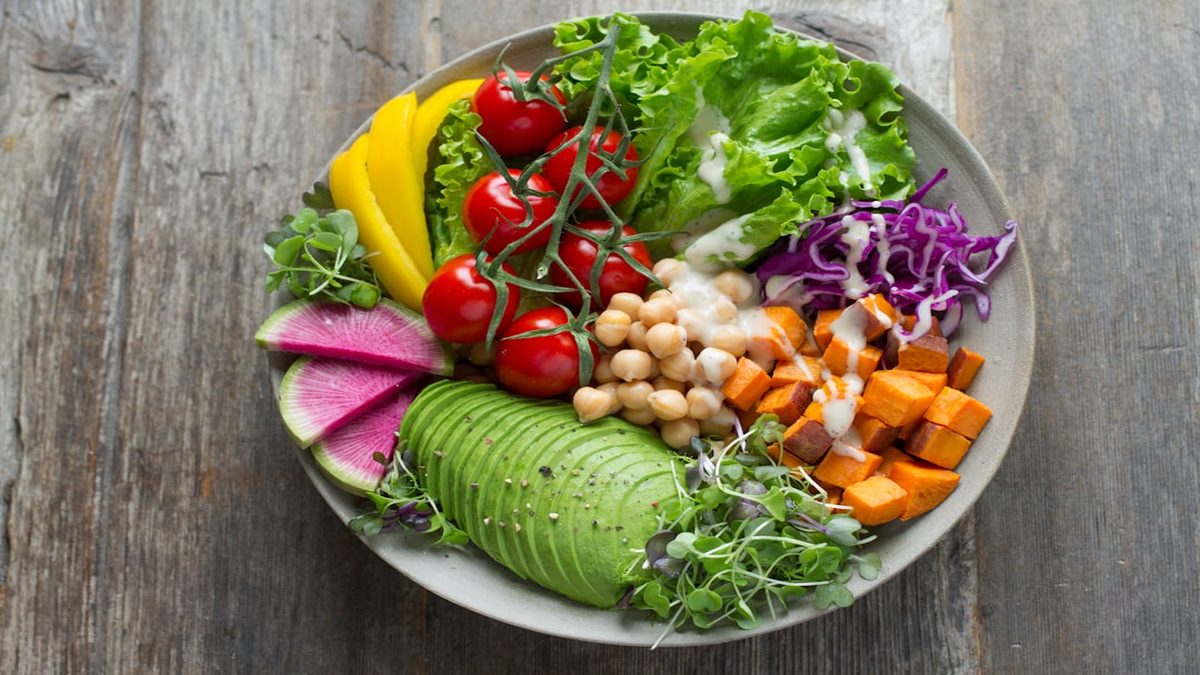
What if eating more plants didn't require a complete kitchen overhaul, a new identity, or saying goodbye to foods you genuinely love? Here's the truth that nobody tells you: eating more plants is not about becoming vegan, following strict rules, or achieving some impossible standard of perfection. It's simply about adding more of the good stuff to your plate — one meal at a time, in ways that actually fit your real life. If you've tried rigid diets that left you feeling restricted and frustrated, this approach is different. This is about abundance, not elimination. And by the end of this guide, you'll have practical strategies that make eating more plants feel effortless rather than exhausting.
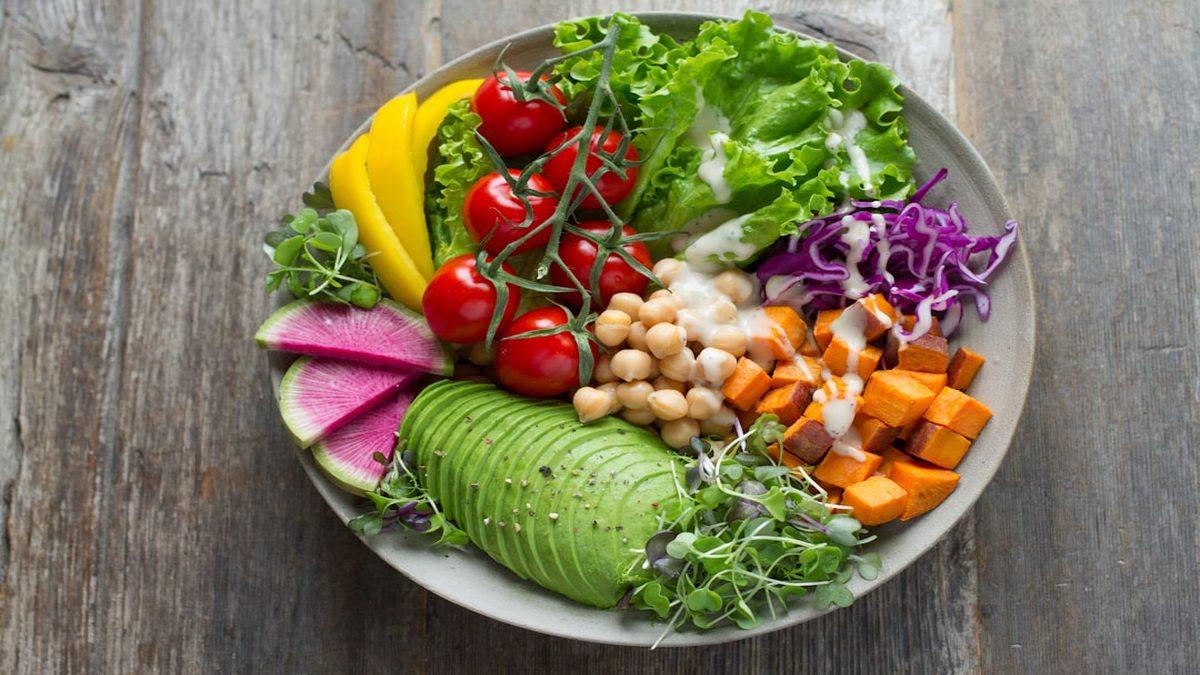
Why Eating More Plants Matters for Your Wellbeing
Before diving into the how, let's talk about the why — because understanding the benefits makes the small changes feel worthwhile. Research from Harvard's School of Public Health consistently shows that people who eat more plant foods experience better heart health, improved digestion, more stable energy levels, and even clearer skin. Plants are packed with fiber, antioxidants, vitamins, and minerals that your body craves.
The Flexibility That Makes It Sustainable
The beauty of this approach is its inherent flexibility. You're not committing to a label or joining a movement. You're simply making space for more vegetables, fruits, legumes, whole grains, nuts, and seeds alongside whatever else you enjoy eating. Some days might be entirely plant-based. Other days might include your grandmother's chicken recipe. Both are perfectly fine. This flexibility is exactly what makes eating more plants sustainable for the long haul rather than another diet that fizzles out after two weeks.
Small Shifts Create Big Results
The compound effect of small, consistent choices is remarkable. Adding a handful of spinach to your morning eggs doesn't feel dramatic, but do that daily for a month, and you've consumed over thirty extra servings of greens. Swap your afternoon snack for apple slices with almond butter a few times a week, and suddenly you're eating more plants without any sense of sacrifice. These micro-changes accumulate into meaningful health improvements that you'll actually feel — more energy, better sleep, and a digestive system that works the way it's supposed to.
Getting Started Without Overwhelm
The biggest mistake people make when trying to eat more plants is attempting too much too fast. They empty their pantry, buy obscure ingredients they don't know how to cook, and then feel defeated when their expensive produce wilts in the refrigerator drawer. Let's take a gentler, more realistic path instead.
Start With What You Already Eat
Look at your current favorite meals and ask one simple question: where can plants fit in? Love pasta? Toss in some roasted zucchini, cherry tomatoes, or sautéed mushrooms. Enjoy tacos? Add black beans, corn, peppers, and avocado to your usual filling. Make a stir-fry? Double the vegetables and slightly reduce the meat. You don't need new recipes — you need new ratios within recipes you already make and enjoy. This strategy removes the learning curve entirely and makes eating more plants feel natural rather than forced.
The Power of Produce You Actually Like
Forget about choking down vegetables you hate because some wellness influencer said they're superfoods. If you despise kale, don't buy kale. If Brussels sprouts make you gag, skip them entirely. There are hundreds of plant foods available, and you only need to find a handful that genuinely appeal to you. Maybe you love sweet potatoes, broccoli, and berries. Wonderful — build your plant-forward eating around those. Eating more plants becomes infinitely easier when you're reaching for foods that actually taste good to you.
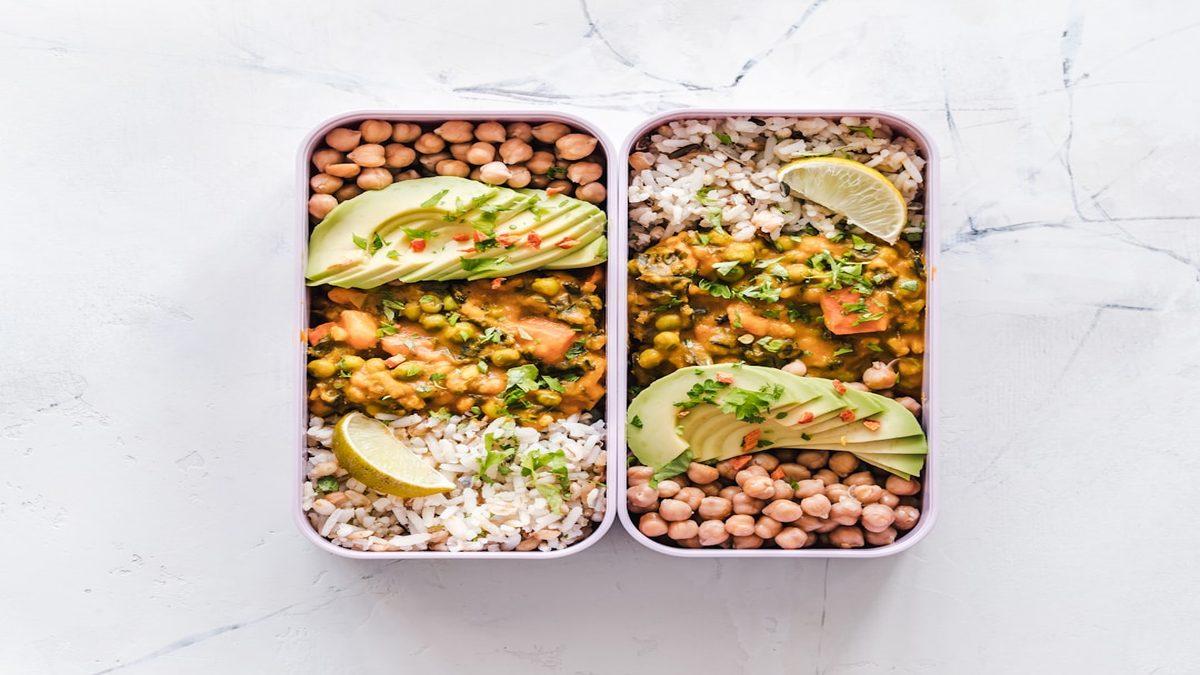
Practical Strategies for Every Meal
Let's break down exactly how to incorporate more plant foods throughout your day. These aren't theoretical ideas — they're actionable strategies you can implement starting with your very next meal.
Morning: Building a Better Breakfast
Breakfast offers an often-underutilized opportunity for plant additions. Blend a banana and some frozen berries into your oatmeal. Add diced bell peppers and onions to your scrambled eggs. Top your toast with mashed avocado and sliced tomatoes instead of just butter. Smoothies are particularly powerful vehicles for eating more plants — you can sneak in a handful of spinach, some cauliflower rice, or a spoonful of nut butter without dramatically changing the flavor. Even a simple bowl of fruit with a sprinkle of seeds counts. The key is making plant additions automatic rather than requiring daily decision-making.
Lunch and Dinner: The Half-Plate Method
Here's a visual framework that simplifies everything: aim to fill half your plate with plants at lunch and dinner. That's it. No calorie counting, no macro tracking, no complicated formulas. Just look at your plate and ask whether at least half of it contains vegetables, fruits, or legumes. This simple mental checkpoint makes eating more plants intuitive. A bowl of soup? Make sure vegetables are the star. Building a sandwich? Pile on the lettuce, tomatoes, cucumbers, and sprouts. Ordering at a restaurant? Choose dishes where plants play a central role, or ask for extra vegetables on the side.
Overcoming Common Barriers to Eating More Plants
Even with the best intentions, obstacles arise. Understanding these barriers beforehand helps you navigate them without derailing your progress.
When Time Feels Scarce
The perception that plant-forward eating requires hours of meal prep is simply false. Frozen vegetables are just as nutritious as fresh and cook in minutes. Pre-washed salad greens eliminate chopping entirely. Canned beans and lentils are ready to eat straight from the can. A can of chickpeas tossed onto a salad adds protein and fiber in under thirty seconds. According to Mayo Clinic's nutrition guidelines, keeping convenient plant options on hand is one of the most effective strategies for increasing vegetable intake. Stock your kitchen with these shortcuts, and eating more plants never has to compete with your busy schedule.
When Family Members Resist
If you're feeding others who aren't enthusiastic about vegetables, the addition approach works particularly well. You're not removing anything they love — you're simply adding plants alongside familiar favorites. Let the meatballs exist, but also serve a colorful vegetable medley. Keep the mac and cheese, but add a side of steamed broccoli. Over time, as plant foods become normal and expected parts of meals, resistance often naturally fades. For households with children, the Kids Plate Builder offers a specialized system for making plant-forward eating approachable for younger eaters.
Frequently Asked Questions About Eating More Plants
Do I Need to Give Up Meat Completely When Eating More Plants?
Absolutely not. This approach is about addition, not subtraction. Many people find that as they eat more plants, they naturally gravitate toward smaller portions of animal products simply because their plates are fuller with other delicious foods. But there's no requirement to eliminate anything. Your eating pattern is yours to design according to what feels good in your body and sustainable in your life.
Will Eating More Plants Give Me Enough Protein?
Plant foods contain more protein than most people realize. Lentils, chickpeas, black beans, tofu, tempeh, quinoa, nuts, and seeds are all excellent protein sources. When you combine various plant foods throughout the day — even without careful planning — you naturally get sufficient protein. And since this approach isn't about becoming fully vegan, you can still include animal proteins whenever you choose. The protein question becomes a non-issue very quickly.
How Long Until I Notice Benefits From Eating More Plants?
Many people notice improvements in digestion and energy within the first week or two. This makes sense because you're dramatically increasing your fiber intake, which supports gut health and stable blood sugar. Other benefits like clearer skin, better sleep, and improved mood often become apparent within a month of consistent plant-forward eating. The key is consistency rather than perfection — steady progress beats sporadic intensity every time.
The path to eating more plants isn't about following rigid rules or achieving some idealized version of a perfect diet. It's about finding your own rhythm, discovering plant foods you genuinely enjoy, and building habits that feel like second nature rather than constant effort. You deserve an approach that nourishes your body without complicating your life. And the beautiful thing is that eating more plants can absolutely be that approach — simple, flexible, and completely yours to customize. Every meal is a fresh opportunity, and your next one could include just a little more green, a few more colors, or one additional serving of something that grew from the earth.
Your Next Step
Ready to make eating more plants effortlessly simple? The Instant Plate Builder gives you a straightforward formula for creating balanced, plant-forward meals without overthinking. For just $17, you'll have a system that turns meal planning from stressful to streamlined — helping you nourish yourself and your family one plate at a time. Because eating well shouldn't require a nutrition degree. It just requires the right framework.