7 Easy High-Protein Plant-Based Meals Without Powders
High-protein plant-based meals without powders are simpler than you think. Discover 7 whole-food ideas that satisfy. Start today.
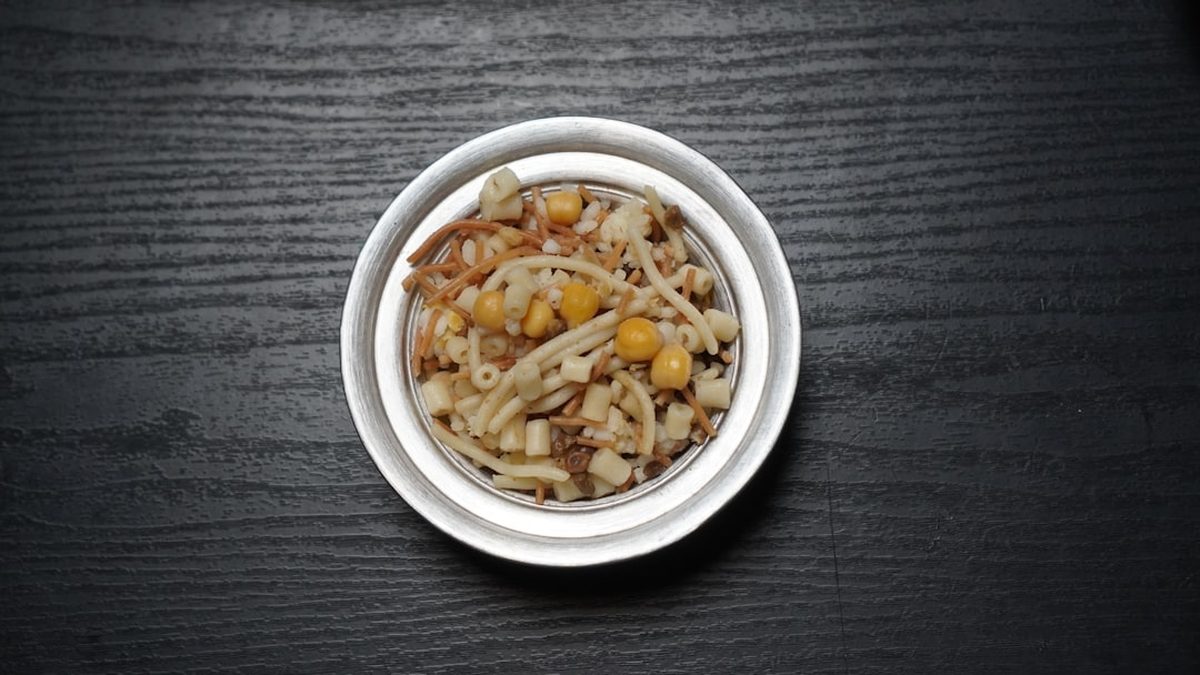
You can absolutely build satisfying, protein-rich meals from whole plant foods without ever reaching for a powder or supplement—legumes, whole grains, nuts, and seeds provide everything you need. If you've been wondering whether high-protein plant-based meals require complicated ingredients or expensive protein isolates, here's your answer: they don't. Real, whole foods—the same ones our great-grandparents relied on—deliver complete nourishment without the fuss. This isn't about perfection or measuring grams obsessively. It's about returning to simple, plant-forward eating that actually fills you up and keeps you energized throughout your day. Whether you're transitioning toward more plants or simply tired of the supplement industry's noise, these seven whole-food approaches will show you just how effortless protein-rich eating can be.
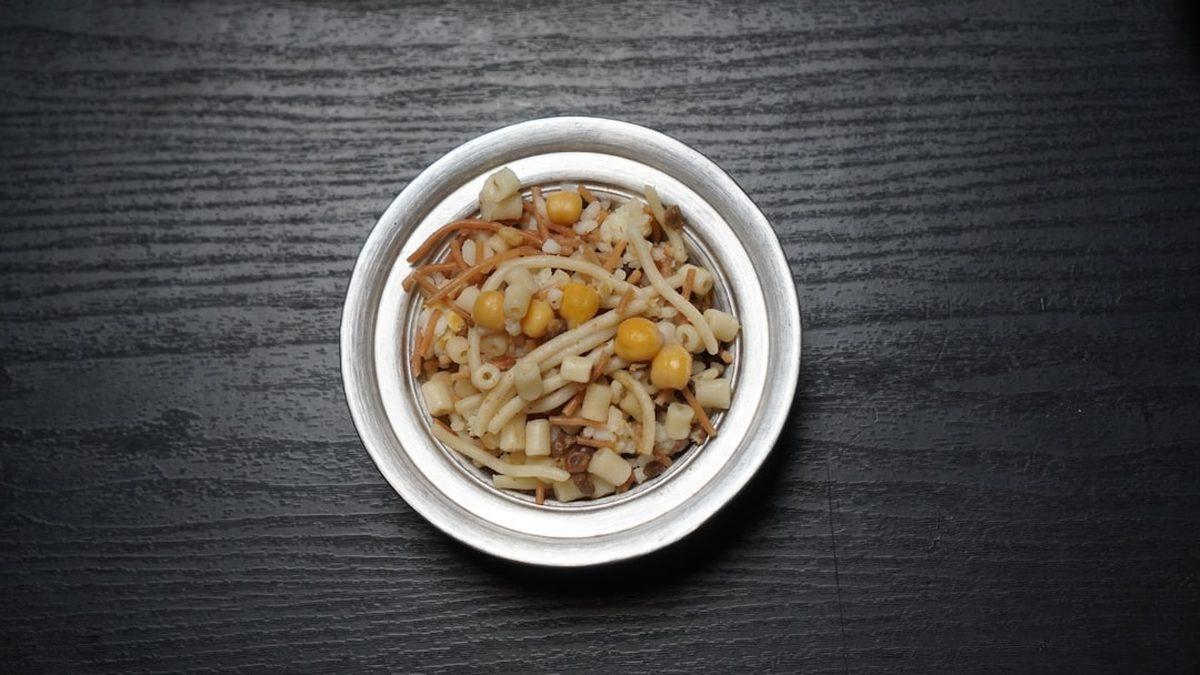
Why High-Protein Plant-Based Meals Don't Need Powders
There's a persistent myth that plant-based eating means missing out on protein, and that powders are the only solution. But when you look at traditional diets across cultures—from Mediterranean lentil stews to Asian tofu preparations to Latin American bean dishes—you find generations of people thriving on plant proteins without a supplement in sight. According to Harvard Health, most adults need far less protein than the fitness industry suggests, and whole plant foods can easily meet these needs when eaten in satisfying variety.
The Whole-Food Advantage
When you choose whole foods over isolated powders, you're getting so much more than protein. A cup of cooked lentils delivers about 18 grams of protein along with fiber, iron, folate, and dozens of phytonutrients that simply don't exist in processed supplements. This is how our ancestors ate—complete packages of nourishment that work together synergistically. Your body recognizes and utilizes these nutrients more efficiently because they arrive in their natural matrix, surrounded by the cofactors that help with absorption and use.
Simplicity That Actually Sticks
Powder-based eating often feels clinical and unsatisfying. You mix, you drink, you're hungry again in an hour. High-protein plant-based meals built from real ingredients offer genuine satiety—the kind that comes from chewing, tasting, and enjoying actual food. This approach doesn't require special equipment or shopping at specialty stores. It works with foods available at any grocery store, in any season, at prices that won't strain your budget. And because real food satisfies both body and soul, this way of eating tends to stick long after the trendy diets have faded.
Seven Effortless Whole-Food Protein Combinations
Creating high-protein plant-based meals becomes second nature once you understand a few simple combinations. These aren't complicated recipes—they're frameworks you can adapt based on what's in your kitchen, what's in season, and what sounds good to you right now. The beauty of plant-forward eating is its flexibility; once you know the building blocks, endless variations become possible.
Legumes as Your Protein Foundation
Beans, lentils, and chickpeas form the backbone of protein-rich plant eating worldwide. A simple bowl of black beans over rice delivers a complete amino acid profile—the same quality of protein you'd find in animal sources, just built from plants. Try keeping a pot of cooked chickpeas in your refrigerator for quick additions to salads, grain bowls, or simply mashed on toast with olive oil and sea salt. Red lentils cook in just fifteen minutes and practically melt into soups and curries, adding protein without changing the texture dramatically.
Ancient Grains That Pull Their Weight
Quinoa often gets all the attention, but don't overlook amaranth, buckwheat, and farro—each brings impressive protein content alongside unique textures and flavors. Buckwheat groats, despite their name, contain no wheat at all and offer about 6 grams of protein per cooked cup. These grains work beautifully as bases for bowls, stirred into soups, or cooked with vegetables for one-pot meals. Batch-cooking a grain at the start of your week means high-protein plant-based meals are always just minutes away from ready.
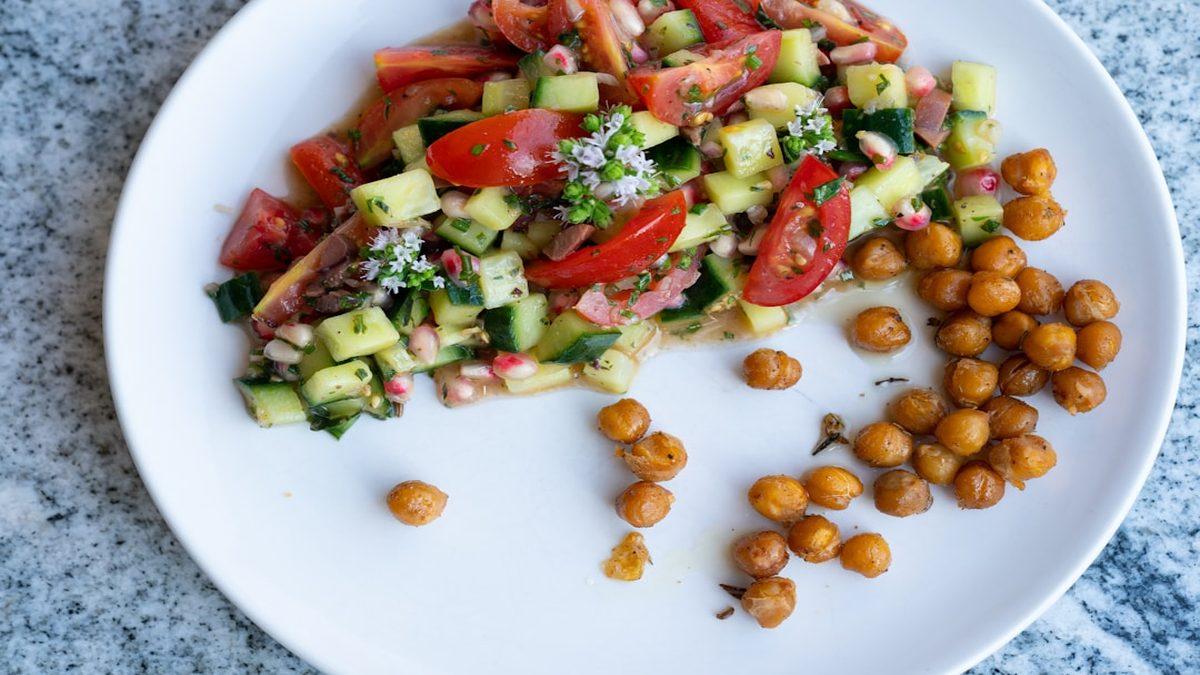
Building Complete Meals Without Overthinking
The concept of "complete proteins" often creates unnecessary anxiety around plant-based eating. The truth, supported by nutrition research published on PubMed, is that your body pools amino acids throughout the day. You don't need to combine specific foods at every meal—variety across your daily eating naturally provides everything you need. This understanding frees you to simply eat satisfying plant foods without stress.
The Bowl Method for Busy Days
When time is short, the bowl method delivers balanced, protein-rich eating without recipes. Start with a cooked grain, add a generous portion of legumes, pile on whatever vegetables look good, drizzle with olive oil or tahini, and season simply. This formula—grain plus legume plus vegetables plus healthy fat—creates complete, satisfying high-protein plant-based meals in under ten minutes when you have components prepped. It's the approach I detail in my Instant Plate Builder guide, making weeknight eating genuinely effortless.
Breakfast Proteins Beyond Eggs
Morning meals offer wonderful opportunities for plant protein. Overnight oats made with rolled oats, chia seeds, and hemp hearts deliver around 15 grams of protein before you even add toppings. Savory breakfast bowls featuring leftover grains, sautéed greens, and white beans with a drizzle of good olive oil break the cereal monotony while keeping you full until lunch. Even simple nut butter on whole grain toast provides a solid protein foundation for your morning.
Practical Tips for High-Protein Plant-Based Meals Every Day
Consistency matters more than perfection when building new eating habits. These practical strategies help make protein-rich plant eating your default rather than something requiring constant effort and willpower. The goal is creating systems that support you, not rules that constrain you.
Strategic Batch Cooking
Spending an hour or two once weekly cooking a big pot of beans and a batch of grains transforms your entire week. These components keep well in the refrigerator and form the protein base of countless quick meals. Cook dried beans from scratch when you have time—they taste remarkably better than canned and cost a fraction of the price. When time is truly tight, high-quality canned beans work perfectly well; rinse them to reduce sodium and add them to whatever you're making.
Nuts and Seeds as Protein Boosters
Keep a variety of nuts and seeds accessible for adding protein to any meal. Hemp hearts sprinkled on oatmeal, pumpkin seeds tossed into salads, almonds stirred into grain bowls—these small additions contribute meaningful protein while adding satisfying crunch and healthy fats. A quarter cup of pumpkin seeds alone contains about 8 grams of protein. Store nuts and seeds in your freezer to keep their oils fresh, portioning out what you need for the week into a counter-top jar for easy access.
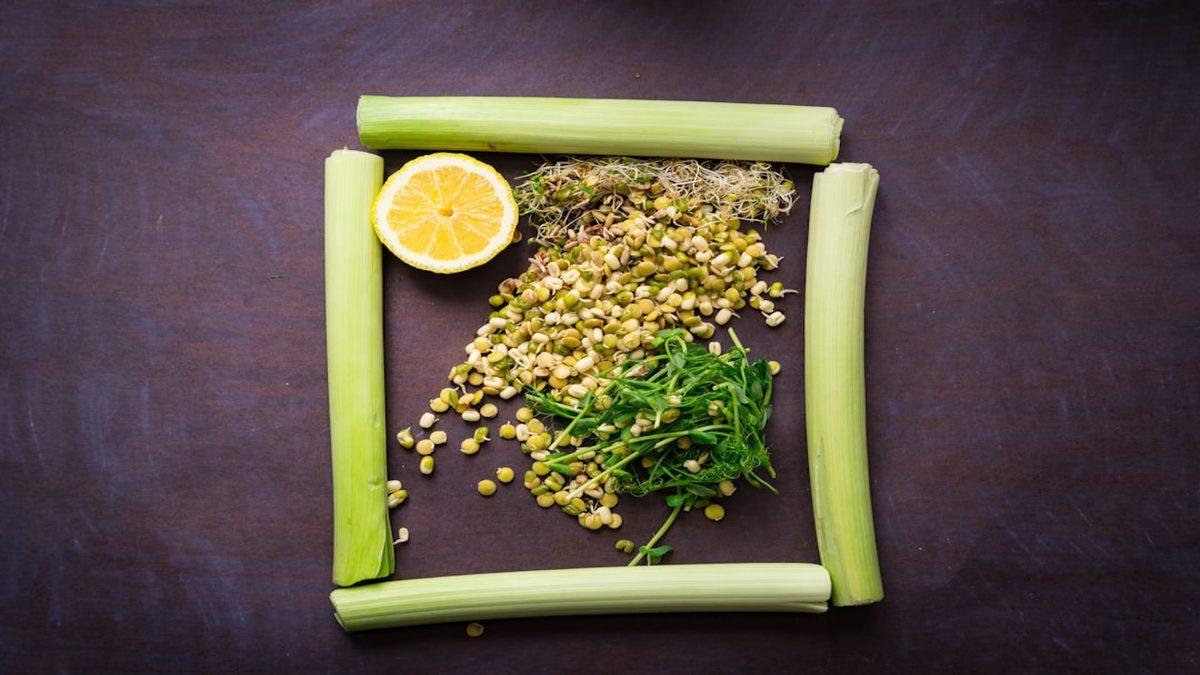
Frequently Asked Questions About High-Protein Plant-Based Meals
How much protein can I actually get from plant foods alone?
More than enough for most people. A day of eating might include oatmeal with hemp seeds and nut butter for breakfast (around 20 grams), a lentil soup with whole grain bread for lunch (about 22 grams), and a chickpea curry over quinoa for dinner (roughly 25 grams)—that's nearly 70 grams of protein without trying hard or using any supplements. Athletes or those with higher needs can simply eat larger portions or add extra legume-based snacks like hummus with vegetables or roasted chickpeas.
Do I need to worry about combining proteins at every meal?
Not at all. The outdated idea of precise protein combining at each meal has been largely dismissed by nutrition science. Your body is remarkably efficient at pooling and utilizing amino acids from various foods eaten throughout the day. Simply eating a variety of whole plant foods—legumes, grains, nuts, seeds, vegetables—across your daily meals naturally provides complete protein without any complicated planning or tracking.
What are the best high-protein plant-based meals for beginners?
Start with familiar comfort foods adapted to include more plants. A hearty vegetable chili loaded with multiple types of beans is approachable and deeply satisfying. Stir-fries featuring tofu or tempeh over brown rice feel familiar while delivering substantial protein. Even something as simple as pasta with white beans, garlic, olive oil, and greens makes an excellent entry point. The key is choosing foods you already enjoy and building from there rather than trying to overhaul everything at once.
Creating nourishing, protein-rich meals from whole plant foods connects you to a way of eating that has sustained human health for thousands of years. High-protein plant-based meals aren't about restriction or complicated formulas—they're about returning to simple, satisfying foods that your body genuinely recognizes as nourishment. Every plate is an opportunity to choose real ingredients over processed alternatives, to slow down and actually enjoy what you're eating, and to build sustainable habits that serve you for life rather than just through another diet phase.
Your Next Step
If you're ready to make plant-forward eating your everyday reality without the overwhelm, I've gathered everything I use and recommend in one place. From my Instant Plate Builder guide to my complete collection of resources, you'll find my plant-forward kit designed to make this way of eating genuinely simple. No complicated meal plans, no expensive ingredients—just real food, real satisfaction, one plate at a time.