7 Easy High-Protein Plant-Based Meals Without Powders
High-protein plant-based meals without powders are simpler than you think. Real food, real protein, zero fuss. Start today.
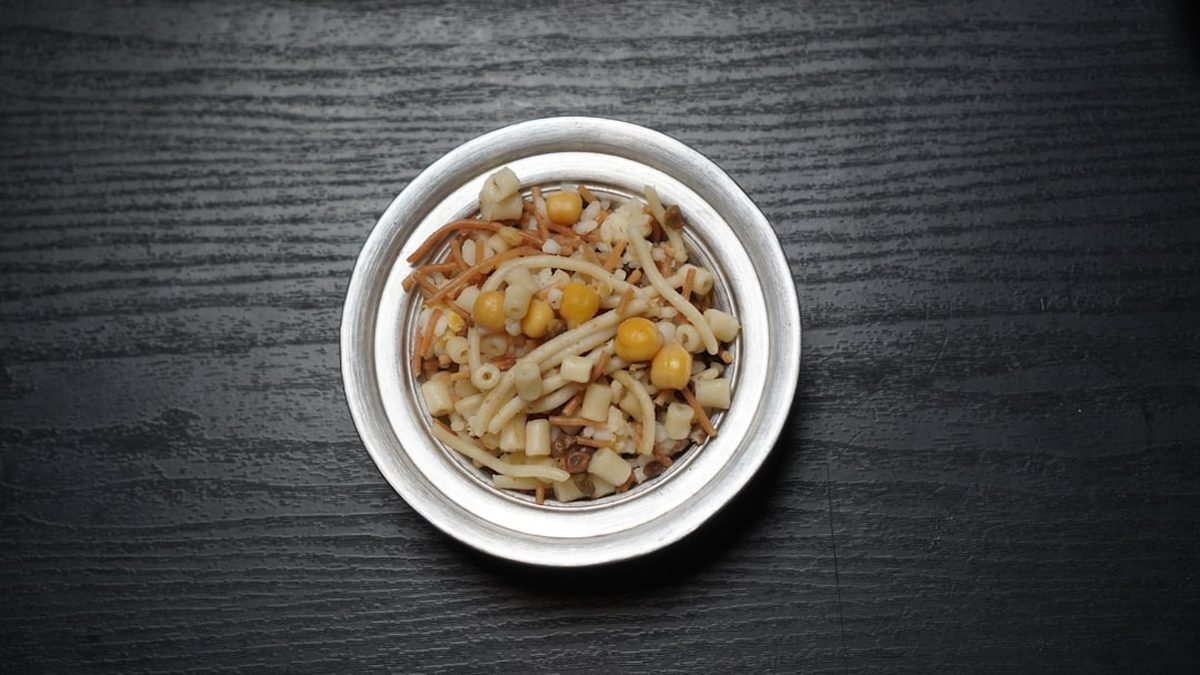
You can absolutely meet your protein needs with whole plant foods alone—no powders, no supplements, no complicated math. The simplest approach combines legumes, whole grains, nuts, and seeds across your daily meals, and your body handles the rest beautifully. If you've ever felt overwhelmed by protein shake culture or wondered whether high-protein plant-based meals could actually satisfy you without all that fuss, welcome home. This is exactly how our grandparents and their grandparents ate—beans simmered slowly, grains cooked with care, seeds scattered generously. It worked then, and it works now. Today, let's walk through seven genuinely easy ways to build satisfying, protein-rich plates using nothing but real, whole foods you probably already have in your kitchen.
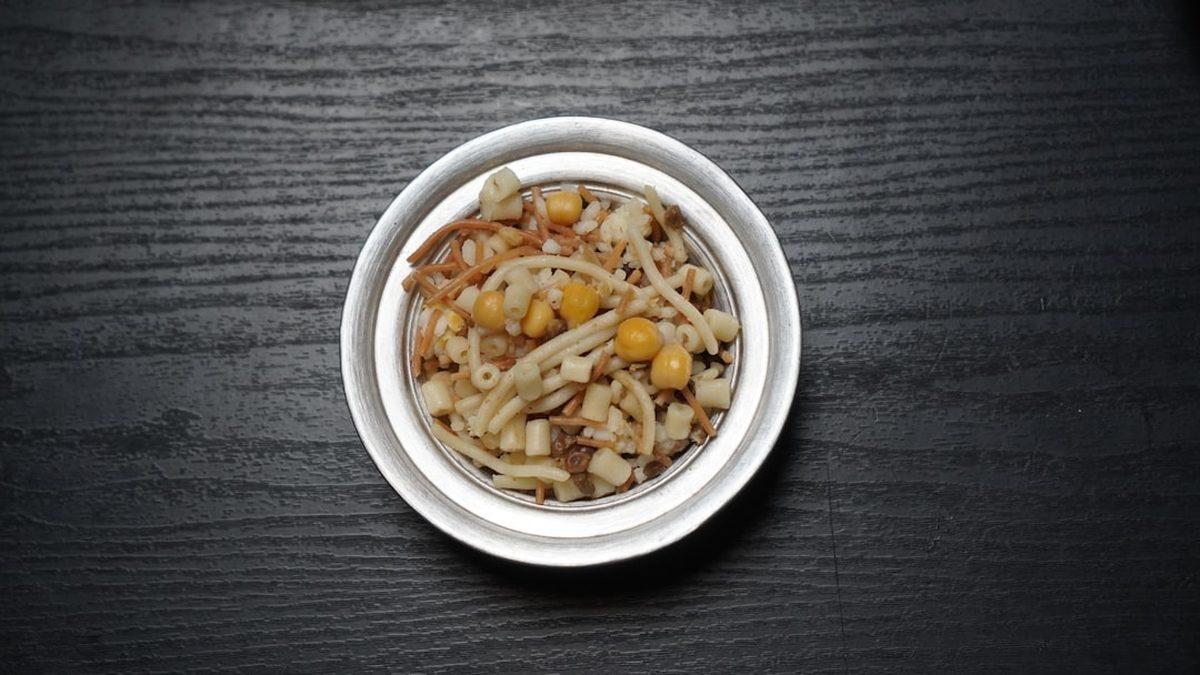
Why High-Protein Plant-Based Meals Work Without Powders
There's a persistent myth that plant foods can't deliver enough protein without supplementation. This simply isn't true. According to Harvard Health, most adults need far less protein than supplement marketing suggests, and whole plant foods can easily meet those needs when eaten in sufficient variety throughout the day. The beauty of building high-protein plant-based meals from scratch is that you get so much more than isolated protein—you get fiber, minerals, antioxidants, and the kind of deep nourishment that powders simply cannot replicate.
The Complete Protein Myth Debunked
For decades, we heard that plant proteins were "incomplete" and needed careful combining at every meal. Modern nutrition science tells us otherwise. Your body pools amino acids throughout the day, so as long as you're eating varied whole foods, you're covered. A bowl of lentils at lunch and some quinoa at dinner work together beautifully, even hours apart. This takes all the pressure off individual meals and lets you eat intuitively, building plates that feel good rather than calculating endlessly.
What Whole Foods Bring That Powders Cannot
When you eat a bowl of black beans, you're not just getting protein. You're getting iron, folate, magnesium, and resistant starch that feeds your gut microbiome. A handful of pumpkin seeds delivers zinc and healthy fats alongside its protein. This holistic package of nutrients is exactly what your body evolved to recognize and use efficiently. Isolated protein powder, no matter how "clean," strips away this context. High-protein plant-based meals built from whole ingredients honor the way food has always worked in human bodies—as a complete system, not isolated parts.
Seven Satisfying Protein-Rich Plates to Try This Week
Let's get practical. These aren't aspirational recipes requiring specialty ingredients or hours of prep. They're the kind of straightforward meals that become second nature once you've made them a few times. Each one delivers substantial protein while feeling genuinely satisfying—the kind of food that keeps you full for hours without heaviness.
Lemony Lentil Soup with Crusty Bread
One cup of cooked lentils contains roughly 18 grams of protein. Simmer red or green lentils with onion, garlic, cumin, and a squeeze of lemon until tender. Serve with good whole-grain bread for dipping. This meal comes together in under thirty minutes and tastes even better the next day. It's the kind of humble, nourishing food that sustained communities for centuries—unpretentious, warming, and deeply satisfying.
Chickpea and Vegetable Stir-Fry Over Brown Rice
Chickpeas are protein powerhouses, offering about 15 grams per cup. Sauté them with whatever vegetables you have—broccoli, bell peppers, snap peas—and a simple sauce of tamari, ginger, and garlic. Serve over brown rice, which adds another 5 grams of protein per cup. This combination creates a complete amino acid profile and a texture contrast that keeps every bite interesting. It's one of the easiest high-protein plant-based meals to customize based on what's in your refrigerator.
Building Protein Throughout Your Day
Rather than obsessing over hitting massive protein numbers at a single meal, the gentler approach spreads intake across breakfast, lunch, dinner, and snacks. This mirrors traditional eating patterns around the world, where protein came from many small sources rather than one concentrated serving. It's also easier on digestion and keeps energy stable throughout the day.
Morning Foundations That Carry You to Lunch
Start with steel-cut oats topped with hemp seeds and almond butter. This simple breakfast delivers around 15 grams of protein before you've even left home. Or try whole-grain toast with a thick layer of tahini and sliced banana—another easy 12 grams. These aren't dramatic meals, but they build a protein foundation that eliminates mid-morning crashes. If you want a simple system for building these kinds of plates quickly, the Instant Plate Builder walks through exactly this approach, making it second nature.
Afternoon Meals That Actually Sustain
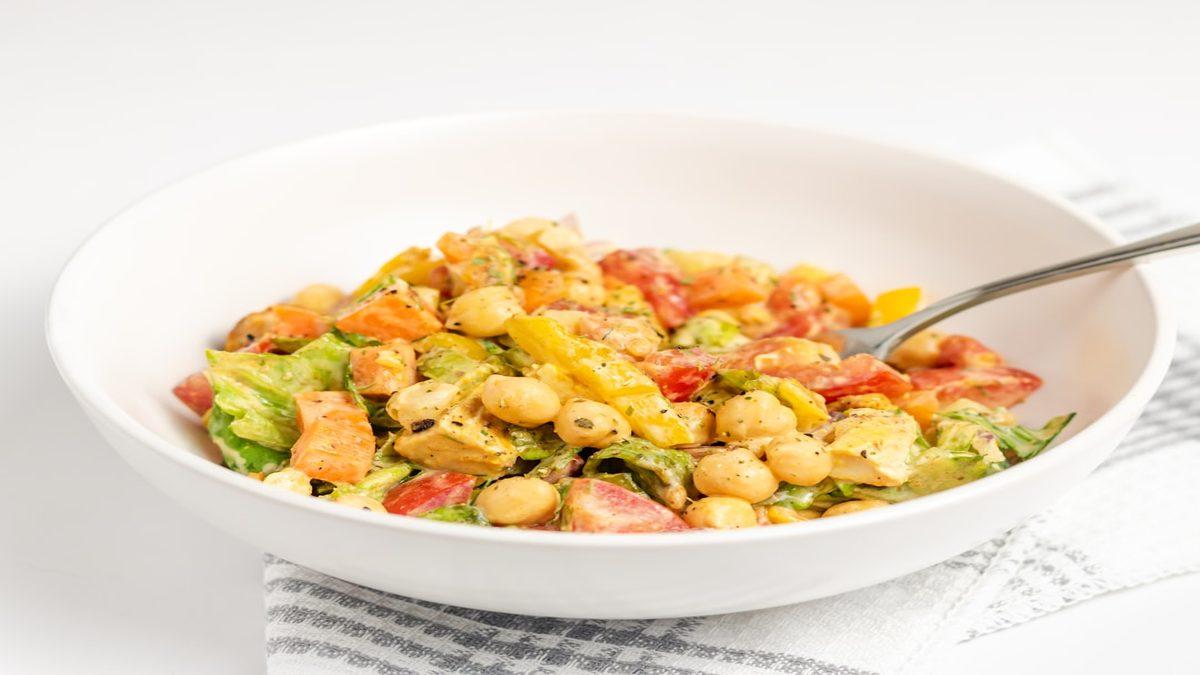
Lunch is where many people struggle, defaulting to carb-heavy options that leave them sluggish by three o'clock. A big salad with white beans, quinoa, and a tahini dressing changes everything. You're looking at 20-plus grams of protein in a bowl that feels light but carries you solidly through the afternoon. Or consider a simple hummus wrap with lots of vegetables and a sprinkle of hemp hearts. These high-protein plant-based meals don't require meal prep heroics—just a bit of intention and a well-stocked pantry.
Your Whole-Food Protein Pantry Essentials
Having the right ingredients on hand makes building protein-rich meals almost automatic. This isn't about buying specialty health foods or spending extra money—it's about stocking foundational ingredients that have been dietary staples across cultures for thousands of years.
Legumes: The Affordable Protein Foundation
Dried or canned beans, lentils, and chickpeas should anchor your pantry. They're incredibly affordable, shelf-stable, and versatile beyond measure. Black beans become tacos, soups, or salads. Lentils transform into curries, shepherd's pies, or simple sides. Chickpeas star in hummus, stews, or roasted snacks. According to research published on PubMed, regular legume consumption is associated with better overall diet quality and nutrient intake. These humble foods have sustained human populations worldwide because they work—simply, affordably, and deliciously.
Seeds and Nuts: Small but Mighty Additions
Hemp seeds, pumpkin seeds, sunflower seeds, almonds, and walnuts add protein and healthy fats to almost any meal. Sprinkle them on oatmeal, salads, stir-fries, or grain bowls. A few tablespoons here and there add up significantly over a day. Nut and seed butters—tahini, almond butter, sunflower butter—become instant sauces and spreads. Keep these in your rotation, and building high-protein plant-based meals becomes almost effortless. They're also wonderful for little ones learning to eat well; the Kids Plate Builder includes lots of ways to incorporate these foods in child-friendly formats.
Making High-Protein Plant-Based Meals a Lasting Habit
The real question isn't whether plant foods can provide enough protein—they clearly can. The question is how to make this way of eating stick without constant effort or willpower. The answer lies in simplicity and repetition, not complexity and variety for its own sake.
The Power of Rotating Favorites
You don't need fifty different recipes. You need five or six that you genuinely enjoy and can make without thinking. Maybe it's a big pot of lentil soup on Sunday, a chickpea curry on Wednesday, and a black bean taco night on Friday. These become your rhythm, your defaults when decision fatigue hits. Over time, variations emerge naturally—different spices, different vegetables, different grains—but the foundation stays consistent. This is how traditional food cultures worked, and it's why those patterns sustained health across generations.
Preparing Components Rather Than Complete Meals
Instead of elaborate meal prep, try cooking a batch of grains and a batch of legumes at the start of each week. These become building blocks you can combine in countless ways. Monday's quinoa and black beans become a salad. Tuesday, the same components become a burrito bowl. Wednesday, they're stirred into soup. This component approach feels less rigid than traditional meal prep while still saving daily cooking time. It's also more adaptable to shifting appetites and schedules, which is exactly what makes high-protein plant-based meals sustainable for real life rather than just aspirational eating.
Frequently Asked Questions About High-Protein Plant-Based Meals
How much protein can I realistically get from high-protein plant-based meals?
A well-planned day of whole-food eating easily provides 50-70 grams of protein, which meets or exceeds recommendations for most adults. A breakfast of oatmeal with hemp seeds and nut butter, a lunch salad with chickpeas and quinoa, and a dinner of lentil soup with bread adds up quickly. The key is eating enough food overall and including legumes, whole grains, nuts, and seeds regularly throughout your day.
Do I need to combine specific foods at each meal for complete protein?
No, this is an outdated myth. Your body collects and uses amino acids from various foods eaten throughout the day, not just at single meals. As long as you're eating a variety of plant foods daily—legumes, grains, vegetables, nuts, seeds—you'll get all the amino acids you need without meticulous combining. This takes significant pressure off individual meal planning.
Will high-protein plant-based meals keep me as full as meat-based meals?
Many people find they feel even more satisfied after whole-food plant meals because of the fiber content. Fiber creates lasting fullness that protein alone doesn't provide. A bowl of lentils or beans often sustains you longer than a similarly sized portion of meat because your body digests it more slowly. The key is eating adequate portions and including healthy fats like olive oil, nuts, or avocado.
Building high-protein plant-based meals without powders isn't about restriction or willpower—it's about returning to the straightforward way humans have always eaten well. Legumes, whole grains, nuts, and seeds have nourished countless generations, and they'll nourish you too. The simplicity of this approach is its greatest strength. Once you stock your pantry with these foundational ingredients and build a rotation of meals you genuinely enjoy, hitting your protein needs becomes automatic rather than effortful. This is food that satisfies deeply, supports your body naturally, and fits into real life without fuss.
Your Next Step
If you're ready to simplify how you build satisfying plant-forward plates, I've gathered everything I personally use—including guides, tools, and resources—in one place. You can find my plant-forward kit there whenever you'd like to explore. No pressure, no complexity. Just real food, served simply, one plate at a time.