5 Easy Ways to Build a Balanced Plate Without Counting
Build a balanced plate without counting calories using this simple visual method. Eat well without the stress or math. Start today.
What if the secret to eating well had nothing to do with apps, spreadsheets, or obsessive label-reading? Here's the truth that took me years to learn: you can build a balanced plate without ever counting a single calorie—and actually enjoy your food again. If you've spent too many meals doing mental math instead of savoring what's in front of you, this approach might feel like a deep exhale. No calculators required. Just a simple visual framework that works whether you're cooking for yourself, feeding a family, or throwing together lunch from whatever's in the fridge. Let's explore how to nourish yourself fully without the overwhelm.
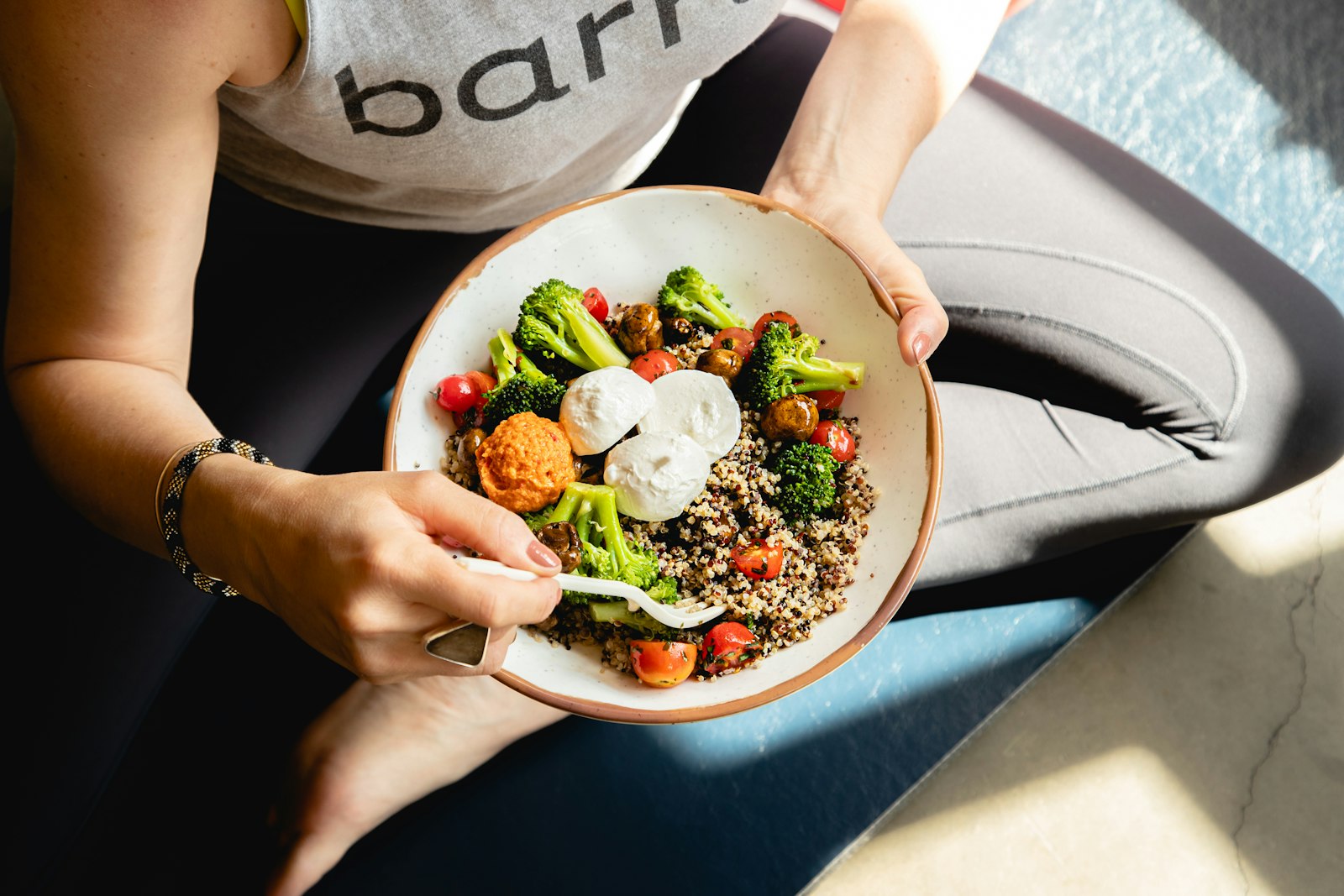
Photo by Nils B on Unsplash
Why Learning to Build a Balanced Plate Changes Everything
Counting calories was never designed for real life. It was created in laboratory settings, where researchers needed precise measurements for studies. Somehow, this clinical tool became mainstream advice for everyday people just trying to feel good in their bodies. The problem? It turns eating—one of life's great pleasures—into homework. And like most homework, it gets abandoned when life gets busy, stressful, or simply more interesting than tracking every bite.
When you learn to build a balanced plate visually, something shifts. You start seeing food as components that work together rather than numbers to add up. A Harvard Health resource on balanced eating confirms that visual plate methods can be just as effective as calorie counting for maintaining healthy eating patterns—without the mental burden. This isn't about perfection. It's about creating a reliable foundation that adapts to your life, your preferences, and whatever ingredients happen to be available.
The Mental Freedom of Visual Eating
There's a psychological weight that lifts when you stop assigning numbers to your meals. Food becomes food again—not data points. You can eat at a friend's house without secretly panicking about unknown ingredients. You can enjoy a restaurant meal without spending twenty minutes on your phone calculating macros. This mental freedom often leads to better choices naturally, because you're making decisions from a place of calm rather than anxiety. When eating feels easy, you're far more likely to choose foods that genuinely nourish you.
Why Calorie Counting Often Backfires
Research consistently shows that calorie counting works short-term but fails long-term for most people. The reason is simple: it's exhausting. It also creates a complicated relationship with food, where certain items become "bad" because of their numbers rather than how they make you feel. Many people find themselves caught in cycles of restriction and overconsumption. Learning to build a balanced plate offers an exit from this cycle—a way to eat well that doesn't require willpower or constant vigilance.
The Simple Visual Framework for Every Meal
Picture your plate divided into sections. This isn't about measuring cups or gram scales—just visual portions that your eye can assess in seconds. The beauty of this approach is its flexibility. Whether you're eating from a bowl, a plate, or even a takeout container, the same principles apply. Once you internalize this framework, it becomes second nature, like knowing how to tie your shoes.
Half Your Plate: Vegetables and Fruits
The largest portion of your plate—roughly half—belongs to vegetables and fruits. This is where color, fiber, and micronutrients live. Think leafy greens, roasted root vegetables, fresh tomatoes, sautéed mushrooms, or whatever seasonal produce speaks to you. Fruits can appear here too, especially at breakfast or as part of a grain bowl. The key is volume and variety. These foods fill you up, support digestion, and provide the vitamins your body craves—all without requiring any calculation beyond "is half my plate colorful?"
Quarter Plate: Protein Sources
About a quarter of your plate holds protein. This might be legumes, tofu, tempeh, eggs, fish, or whatever protein sources align with your eating style. Protein helps stabilize blood sugar, supports muscle maintenance, and keeps you satisfied between meals. A portion roughly the size of your palm works well for most adults. The visual cue removes guesswork while ensuring you're getting enough of this essential macronutrient.
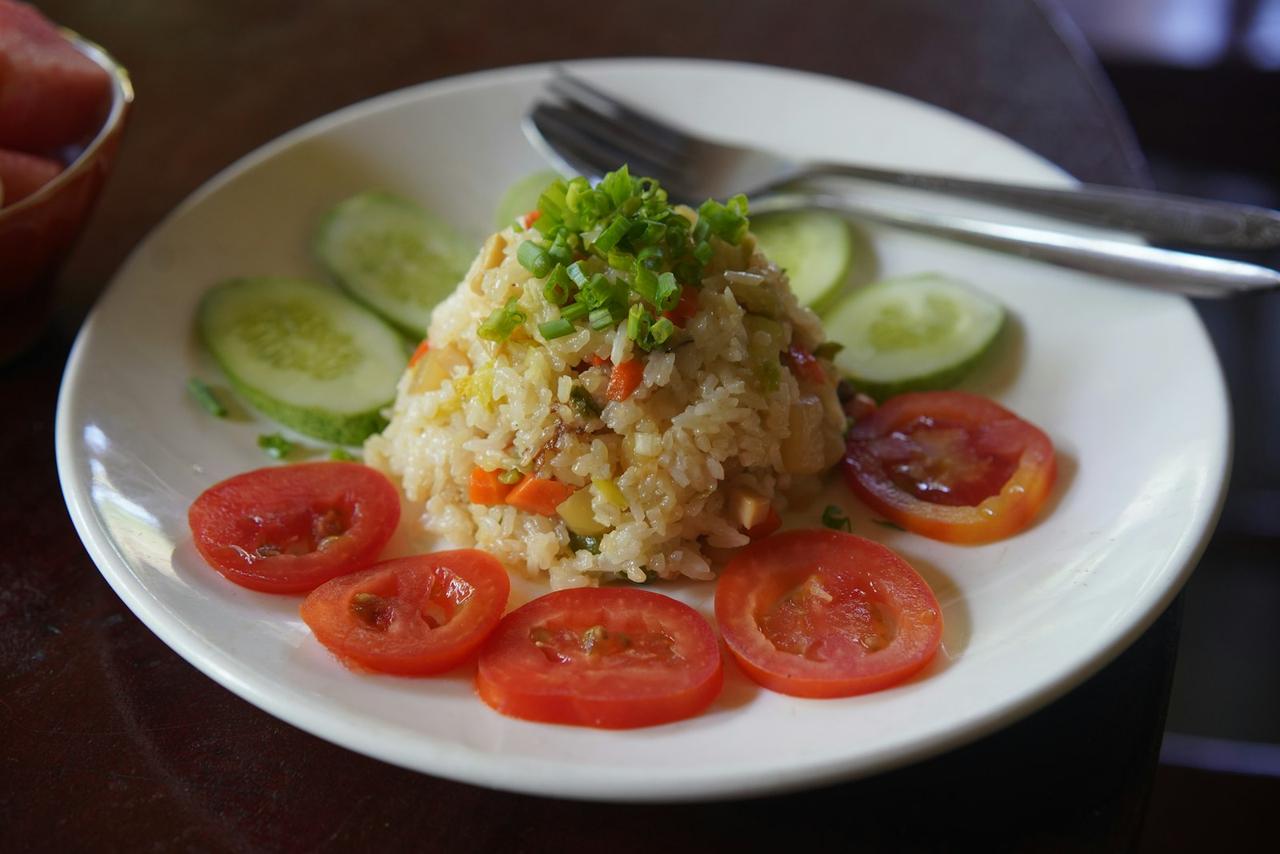
Photo by Priscilla Du Preez 🇨🇦 on Unsplash
Building Your Balanced Plate with Whole Grains and Healthy Fats
The remaining quarter of your plate features whole grains or starchy vegetables. Think quinoa, brown rice, sweet potatoes, whole grain bread, or oats. These complex carbohydrates provide sustained energy without the blood sugar spikes that come from refined alternatives. They're also deeply satisfying—the kind of foods that make a meal feel complete rather than leaving you searching the kitchen an hour later.
Healthy fats weave throughout your plate rather than occupying a specific section. A drizzle of olive oil on vegetables, half an avocado alongside your protein, nuts scattered over a grain bowl, or seeds sprinkled on a salad. According to the Mayo Clinic's guidance on dietary fats, these fats support nutrient absorption, brain function, and satiety. They transform a meal from merely adequate to genuinely satisfying.
The Role of Whole Grains in Satisfaction
There's a reason so many cultures center their cuisine around grains. They provide a grounding quality to meals—a sense of fullness and contentment that lighter foods alone can't achieve. When you build a balanced plate with whole grains included, you're less likely to experience the mid-afternoon energy crash or evening snack attacks that plague many restrictive eating approaches. The fiber in whole grains also supports gut health, which influences everything from mood to immune function.
Why Healthy Fats Aren't Optional
For decades, fat was villainized, leading many people to choose fat-free products that were often loaded with sugar instead. We now understand that healthy fats are essential—literally. Your body cannot produce certain fatty acids on its own. Including fats also makes vegetables taste better (roasted broccoli in olive oil versus steamed, for instance), which means you're more likely to eat those vegetables consistently. Deliciousness isn't frivolous; it's functional.
How to Build a Balanced Plate for Different Meals
This visual framework adapts beautifully to any eating occasion. The proportions remain consistent whether you're assembling a Buddha bowl, plating a traditional dinner, or packing lunch in containers. The key is flexibility within structure—knowing the general targets while allowing room for real-life variation.
Breakfast Plate Building
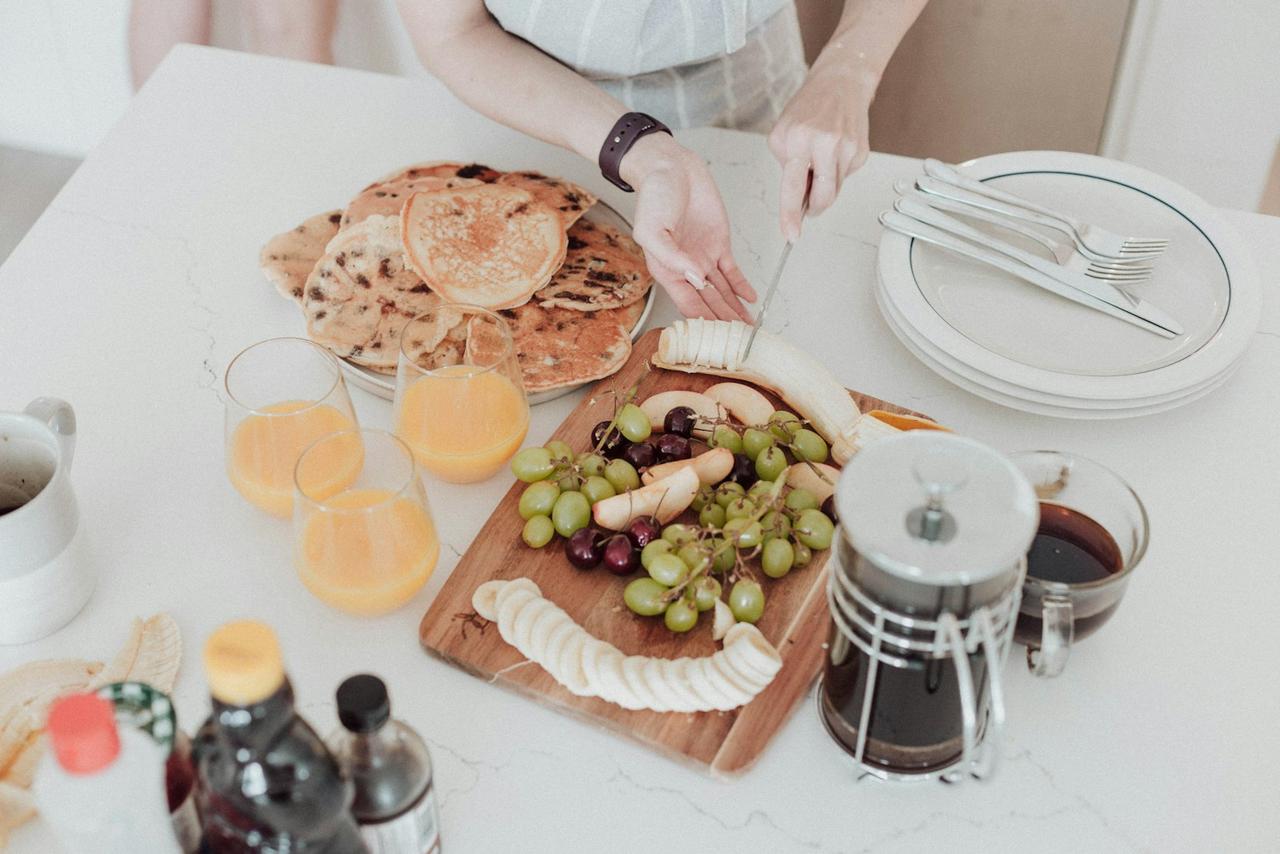
Breakfast often looks different from other meals, but the same principles apply. A morning plate might feature scrambled eggs (protein), sautéed spinach and tomatoes (vegetables), whole grain toast (grains), and avocado (healthy fat). Or perhaps overnight oats (grains) topped with berries (fruit), nut butter (protein and fat), and chia seeds. Even a smoothie can follow this framework: greens, fruit, protein powder or nut butter, and some healthy fat from seeds or avocado. When you build a balanced plate at breakfast, you set an energetic foundation for your entire day.
Lunch and Dinner Variations
Lunch and dinner naturally lend themselves to the visual plate method. A grain bowl with roasted vegetables, chickpeas, and tahini dressing. A stir-fry served over brown rice with tofu and plenty of colorful vegetables. A large salad with mixed greens, quinoa, white beans, and an olive oil-based dressing. Even pizza night can work: load your slice with vegetable toppings and pair it with a generous side salad. The visual framework isn't about restriction—it's about ensuring every meal contains the components your body needs to thrive.
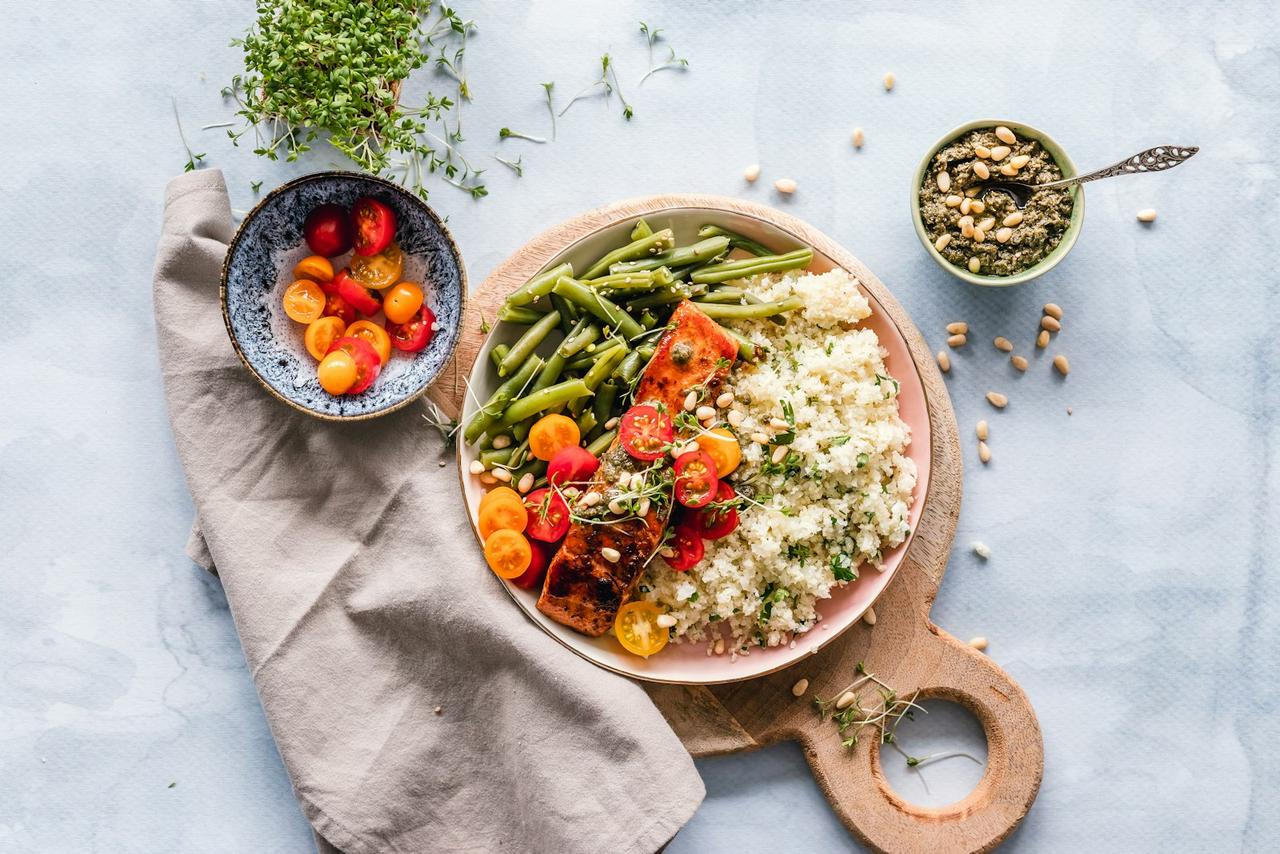
Photo by Ella Olsson on Unsplash
Frequently Asked Questions About Build a Balanced Plate
Can I build a balanced plate when eating out at restaurants?
Absolutely. Most restaurant menus offer enough options to approximate the visual framework. Look for dishes that include vegetables, protein, and grains, or order sides to round out your meal. A protein-focused entrée with a side salad and some bread hits all the marks. Don't stress about perfection—even getting close provides significant nutritional benefits compared to ignoring balance entirely.
What if I don't like many vegetables when trying to build a balanced plate?
Start with vegetables you do enjoy, even if that list is short. Preparation method matters enormously—roasting brings out sweetness, while raw can taste bitter. Experiment with different cooking techniques, seasonings, and sauces. Many people who "hate vegetables" discover they simply haven't found their preferred preparations yet. Over time, your palate often expands as you consistently include more plant foods.
How do snacks fit into the balanced plate approach?
Snacks can follow a simplified version of the same principles. Aim for at least two components: perhaps vegetables with hummus (vegetables plus protein and fat), apple slices with nut butter (fruit plus protein and fat), or whole grain crackers with cheese. This approach keeps blood sugar stable and prevents the ravenous hunger that leads to less mindful eating choices at meal times.
When you consistently build a balanced plate, something remarkable happens. Eating becomes simpler, more enjoyable, and genuinely sustainable. You stop fighting against your body and start working with it. The mental space you reclaim from calorie counting can go toward things that actually matter—conversations around the table, the flavors in your food, the satisfaction of nourishing yourself well without struggle.
Your Next Step
If you're ready to embrace this approach fully, the Instant Plate Builder provides a complete visual system for creating balanced, plant-forward meals in minutes. It takes everything discussed here and packages it into an easy-to-follow formula you can use starting today. For families, the Kids Plate Builder adapts the same intuitive approach for little ones—because healthy eating habits established early last a lifetime. Nourish simply. Live fully. One plate at a time.