7 Simple Ways to Simplify Healthy Eating With No Time
Simplify healthy eating even when life gets chaotic. These 7 real-world strategies help busy people eat well without stress. Start today.
You open the fridge at 6:47 PM, exhausted from another demanding day, and nothing looks like dinner. The vegetables you bought with good intentions are wilting. The kids are hungry. Your partner just texted asking what's for food. Sound familiar? Here's the truth: you don't need more willpower or elaborate recipes to simplify healthy eating. What you actually need is a completely different approach—one that works with your chaotic schedule instead of pretending you have three free hours every evening. This guide shares seven real strategies that help busy people like you nourish themselves well, even when time feels impossibly scarce.
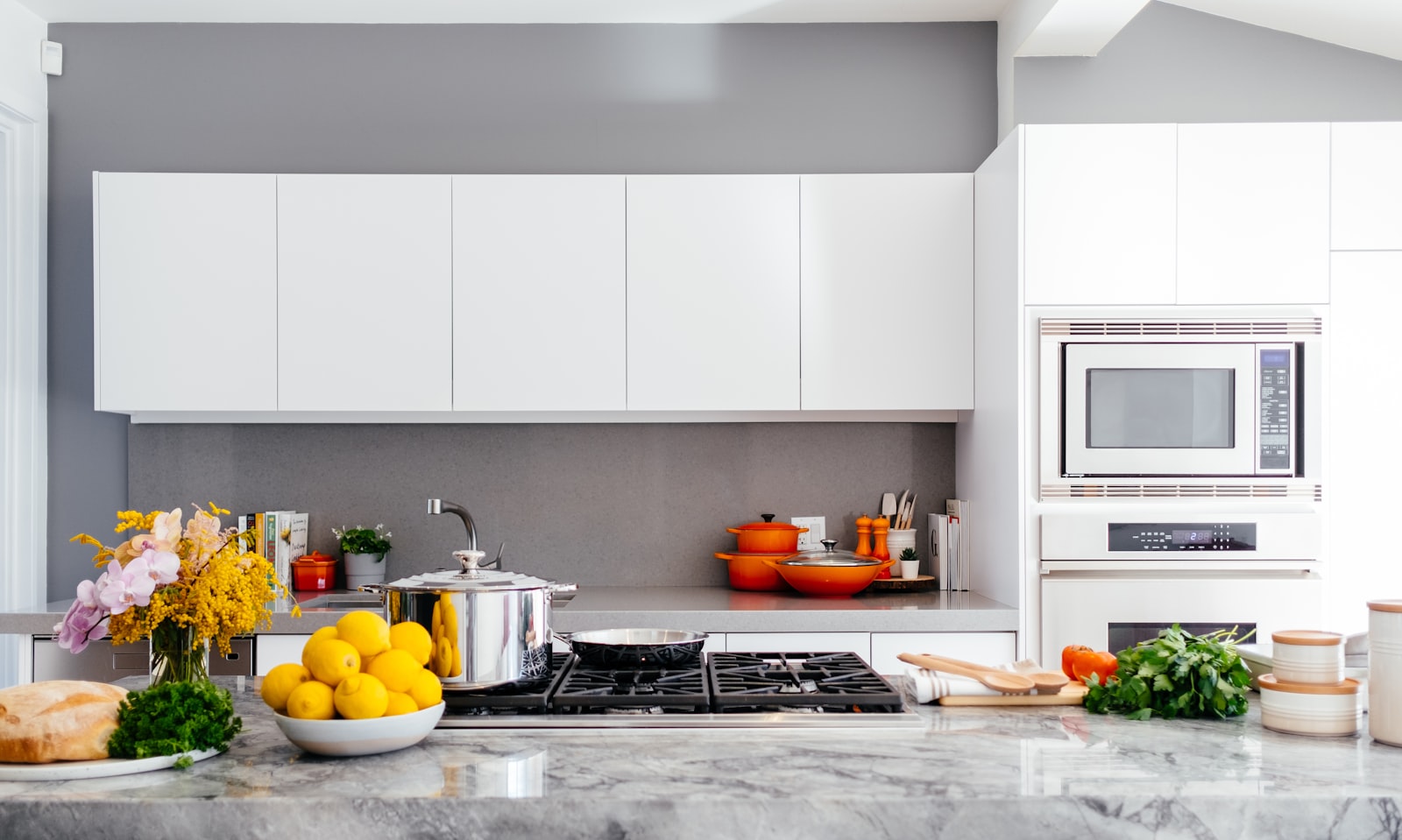
Photo by engin akyurt on Unsplash
Why Most Advice Fails to Simplify Healthy Eating
Traditionalnutrition guidance assumes you have unlimited time, energy, and motivation. Meal prep Sundays that take four hours. Complex recipes with eighteen ingredients. Shopping lists longer than your arm. No wonder so many people give up before they even start. The problem isn't your commitment—it's that the conventional approach ignores reality. Research from Harvard Health consistently shows that sustainable eating habits come from simplicity, not perfection. When you simplify healthy eating, you remove the barriers that caused past attempts to crumble.
The Perfectionism Trap That Keeps You Stuck
Perfectionism whispers that unless every meal is Instagram-worthy and nutritionally optimal, you've failed. This all-or-nothing thinking creates a painful cycle: you start strong, miss one day, feel guilty, and abandon the whole effort. But here's what actually works—good enough, consistently. A simple plate with some vegetables, protein, and whole grains beats an elaborate meal you never make. When you release the pressure for perfection and simplify healthy eating instead, something shifts. You start to trust yourself again.
Understanding Your Real Constraints
Before changing anything, get honest about your actual situation. How many minutes do you genuinely have for food prep on weeknights? Who else are you feeding? What appliances and tools do you actually use? Most people overestimate their available time and underestimate their fatigue levels. Working within your real constraints—not an idealized version of your life—is how lasting change happens. This honesty becomes the foundation that allows you to simplify healthy eating in ways that actually stick.
The Core Principles of Effortless Nutrition
Eating well doesn't require culinary expertise or hours in the kitchen. It requires understanding a few fundamental principles that make decisions automatic. When these principles become second nature, healthy choices happen without constant mental effort. You stop debating every food decision because you have a reliable framework guiding you.
Building Meals Around Plants First
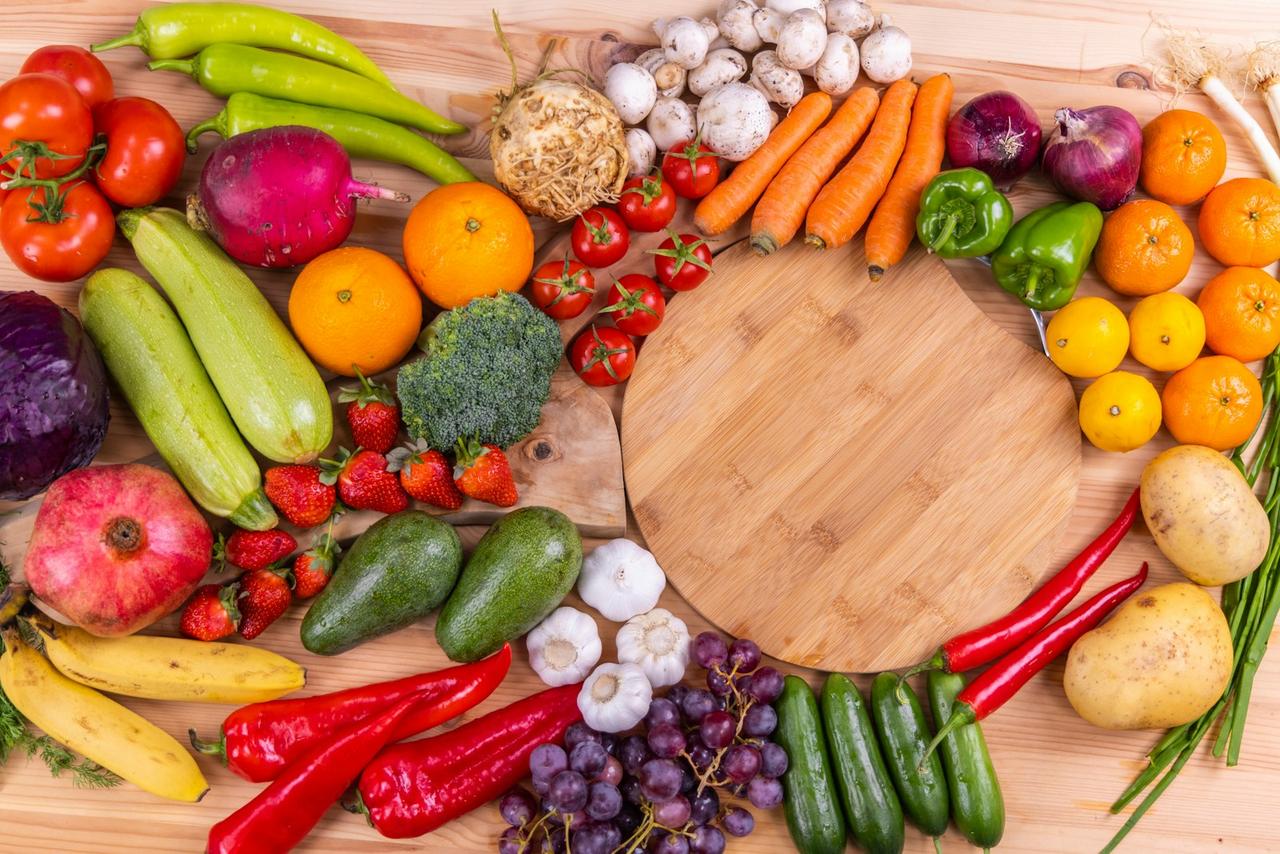
Plant-forward eating doesn't mean becoming vegan or giving up foods you love. It simply means vegetables, fruits, legumes, and whole grains take center stage on your plate. According to Mayo Clinic research, plant-rich diets support heart health, stable energy, and healthy weight management. When plants become your starting point rather than an afterthought, meal assembly gets surprisingly easier. You're not trying to balance complicated macros—you're simply filling your plate with colorful, fiber-rich foods and adding protein alongside them.
The Power of Repetition and Rotation
Here's a secret that professional chefs understand: variety is overrated for everyday eating. Having five to seven reliable meals you rotate through removes decision fatigue entirely. You know what to buy, how to prepare it, and that your family will eat it. This rotation system allows you to simplify healthy eating without feeling bored. Within your rotation, you can swap ingredients seasonally or based on what's available, keeping things fresh while maintaining effortless routine.
Photo by Jason Briscoe on Unsplash
Practical Strategies That Actually Work
Theory means nothing without practical application. These strategies have been tested by real people with real schedules—parents juggling multiple responsibilities, professionals working demanding hours, caregivers managing everyone else's needs before their own. They work because they're designed for imperfect circumstances.
The 15-Minute Meal Formula
Every quick meal follows the same basic structure: a base, a plant, a protein, a flavor. Your base might be grains, greens, or bread. Your plant component provides color, fiber, and nutrients. Protein keeps you satisfied. Flavor brings it all together—a drizzle of olive oil, a squeeze of lemon, a spoonful of pesto. When you internalize this formula, you can walk into any kitchen and create something nourishing in fifteen minutes flat. This simple framework helps you simplify healthy eating even on your most exhausting days. No recipe required—just four components combined however you like.
Strategic Prep That Saves Hours Weekly
Forget spending your entire Sunday in the kitchen. Strategic prep means doing small tasks that pay off big. Wash and chop vegetables when you unpack groceries—it takes ten extra minutes but saves thirty later. Cook a big batch of grains once and refrigerate them for the week. Keep canned beans, frozen vegetables, and pre-washed greens stocked. These aren't meal prep in the traditional sense; they're smart shortcuts that compound over time. You're not preparing complete meals ahead—you're preparing components that make meal assembly nearly instant.
How to Simplify Healthy Eating for Your Whole Family
Feeding yourself is one thing. Feeding a household with different preferences, schedules, and nutritional needs is another challenge entirely. The good news? The same principles that help you eat well can extend to everyone you feed—including resistant children and skeptical partners.
Creating Flexible Family Meals
Instead of making entirely separate dinners for picky eaters, try the component approach. Put all the elements of a meal in the center of the table and let people build their own plates. Someone doesn't like bell peppers? They skip them. Kids want more rice and less broccoli? That's their choice tonight. This method reduces conflict, teaches autonomy, and ensures everyone gets fed without you becoming a short-order cook. The Kids Plate Builder offers a complete system for helping children embrace plant-forward eating without the nightly battles that drain your energy.
Getting Kids Involved Without Adding Chaos
Children who participate in food preparation are significantly more likely to eat what's made. This doesn't mean handing your five-year-old a chef's knife—it means age-appropriate involvement. Toddlers can wash vegetables or tear lettuce. Older children can measure ingredients or stir sauces. Teenagers can prepare entire components independently. Yes, this involvement takes longer initially. But the investment pays off in children who understand food, appreciate effort, and actually eat dinner without complaint.
Overcoming Common Obstacles to Simplify Healthy Eating
Even with the best strategies, obstacles arise. Travel disrupts routines. Stress triggers old habits. Budget constraints limit options. Knowing how to navigate these challenges keeps you on track when life throws curveballs. The goal isn't avoiding obstacles—it's building resilience to move through them.
When Budget Feels Too Tight
Healthy eating has an unfair reputation for being expensive. While organic specialty items certainly cost more, basic plant-forward eating can actually save money. Beans, lentils, oats, frozen vegetables, bananas, cabbage, carrots—these nutrient-dense foods cost far less than processed alternatives. Buying in bulk, choosing frozen over fresh when appropriate, and reducing food waste through better planning all stretch your food budget further. When money feels tight, you can absolutely still simplify healthy eating—you just focus on humble ingredients that have nourished humans for generations.
Managing Stress Without Abandoning Your Intentions
Stress doesn't just steal your time—it depletes your willpower and decision-making capacity. On high-stress days, the pull toward convenience food feels almost irresistible. Rather than fighting this reality, plan for it. Keep emergency meals on hand that require zero effort: canned soup with added frozen vegetables, whole grain toast with nut butter and banana, frozen rice bowls you can microwave. These backup options aren't ideal, but they're infinitely better than drive-through windows. Having a stress protocol helps you simplify healthy eating even when your nervous system is overwhelmed.
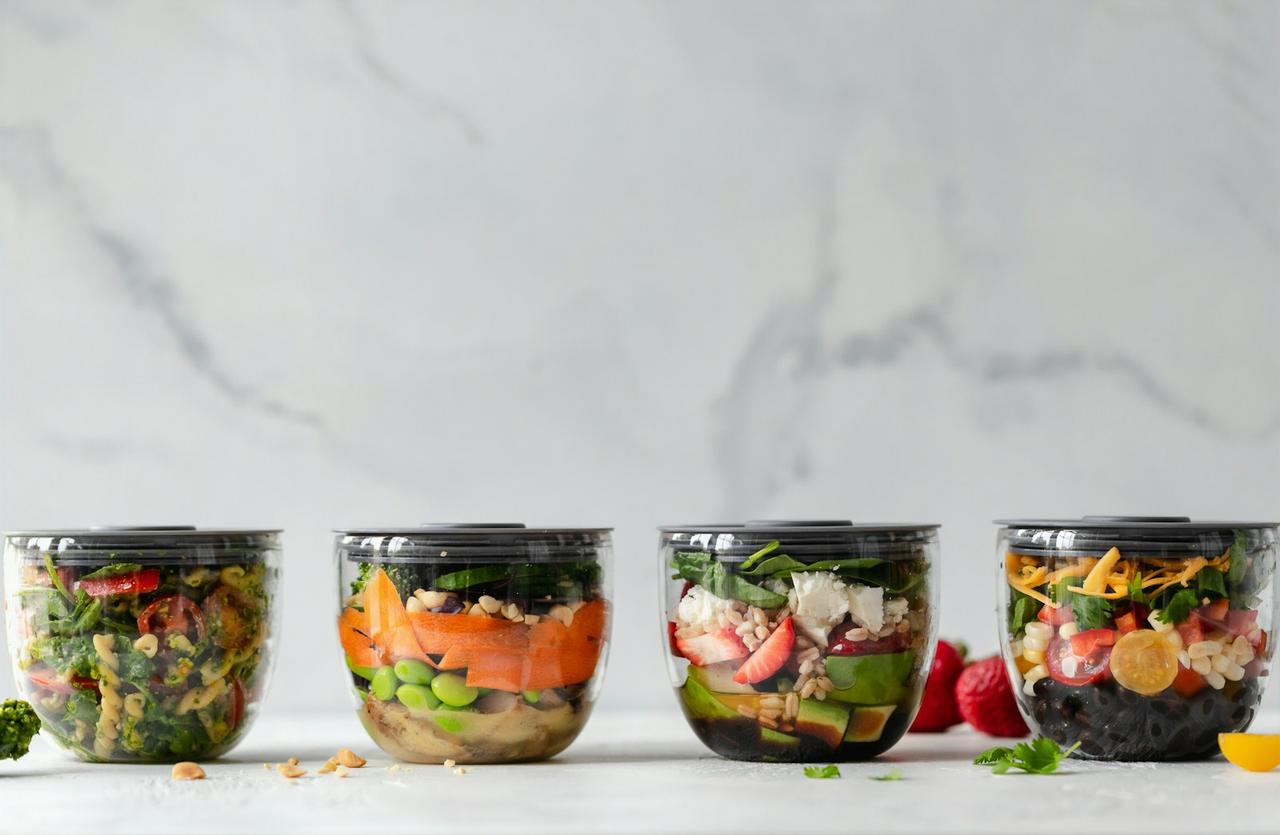
Photo by S'well on Unsplash
Frequently Asked Questions About Simplify Healthy Eating
How do I simplify healthy eating when I hate cooking?
You don't actually need to cook much at all. Focus on assembly rather than preparation—salads, grain bowls, wraps, and no-cook plates. Many nutritious foods taste delicious raw or require only heating. Keep pre-cooked items like rotisserie chicken, canned beans, and frozen grains stocked so you're always assembling, never truly cooking from scratch.
Can I simplify healthy eating on a very limited budget?
Absolutely. Plant-based proteins like dried beans, lentils, and eggs cost a fraction of meat. Frozen vegetables retain nutrients and last months without spoiling. Oats, rice, and potatoes provide filling carbohydrates for pennies per serving. Focus on whole foods rather than health-marketed products, and you'll find your grocery bills actually decrease.
How long does it take to simplify healthy eating into a natural habit?
Most people notice significant shifts within two to three weeks of consistent practice. The key is starting smaller than feels necessary—one improved meal daily rather than overhauling everything immediately. By the six-week mark, new patterns typically feel automatic rather than effortful.
The journey to simplify healthy eating isn't about willpower or discipline—it's about designing systems that make good choices easy and default. When you stop fighting against your real life and start working with it, something remarkable happens. Nourishing yourself becomes natural, almost effortless. You stop feeling guilty about what you're not doing and start feeling grateful for what you are. One simple plate at a time, you build a way of eating that sustains you for years to come.
Your Next Step
Ready to make this real? The Instant Plate Builder gives you a complete, simple system for creating balanced plant-forward meals in minutes—no recipes, no complicated rules, no stress. For just $17, you'll have a framework that turns everything you learned here into automatic daily action. If you're also feeding little ones, the Kids Plate Builder adapts the same approach for children. This is your path from exhausted and overwhelmed to calm and nourished. Take the first step today.