Small Appetite Eating: 7 Simple Plant-Forward Tips
Small appetite eating can still nourish your body fully. Discover 7 plant-forward ways to maximize nutrition in smaller portions. Start today.
When your appetite shrinks, focus on nutrient density over volume—choose whole plant foods that deliver maximum nourishment in every small bite. This approach to small appetite eating honors your body's signals while ensuring you still receive the vitamins, minerals, and energy you need. Life brings seasons when hunger fades. Maybe stress has quieted your stomach, or aging has naturally reduced your appetite, or you're recovering from something that left food feeling less appealing. Whatever brought you here, know this: you can nourish yourself beautifully even when eating feels like a smaller act. The plant-forward way offers gentle, practical wisdom for exactly these moments—drawing from how our ancestors ate when they honored their bodies' rhythms rather than fighting them.
Understanding Small Appetite Eating the Plant-Forward Way
Our ancestors didn't panic when appetite fluctuated. They understood that the body communicates through hunger signals, and sometimes those signals ask for less. Small appetite eating isn't about forcing yourself to consume more—it's about making every bite count. When you choose whole, plant-forward foods, you naturally pack more nutrition into smaller portions. A quarter cup of seeds contains more minerals than an entire bag of processed snacks. A small bowl of lentil soup offers protein, fiber, and iron in a form your body recognizes and uses efficiently.
According to Harvard Health's nutrition research, nutrient-dense foods provide essential vitamins and minerals without requiring large portions. This is especially important when appetite decreases, as every meal becomes an opportunity to support your wellbeing. The plant-forward approach naturally aligns with this principle because whole plant foods are inherently concentrated sources of nutrition.
Why Your Body Might Ask for Less
Appetite naturally ebbs and flows throughout life. Stress hormones can suppress hunger signals. Digestive changes that come with aging often reduce portion tolerance. Emotional shifts, seasonal transitions, medication effects, and simple fatigue all influence how much food feels right. Rather than viewing a smaller appetite as a problem to solve, consider it information your body is sharing. The plant-forward response is to listen and adapt—not to override.
The Ancestral Wisdom of Eating Light
Our great-grandparents didn't have access to calorie-dense processed foods engineered to override natural satiety signals. They ate what grew from the earth, and when appetite was smaller, they instinctively reached for the most nourishing options: broths simmered with vegetables, seeds and nuts, soft-cooked grains, and ripe fruits. This ancestral pattern of small appetite eating focused on quality over quantity—a wisdom we can reclaim today.
Maximizing Nutrition in Every Small Bite
When you're practicing small appetite eating, the goal shifts from filling your stomach to fueling your cells. This means choosing foods that deliver the highest nutritional return per spoonful. Plant-forward whole foods excel here because they haven't been stripped of their natural nutrients through processing. An apple with almond butter, a small portion of quinoa with roasted vegetables, or a handful of pumpkin seeds—these simple choices accomplish more than larger portions of depleted foods ever could.
The Power of Nutrient-Dense Plant Foods
Leafy greens like spinach and kale offer iron, calcium, and vitamins in remarkably small portions. Avocados provide healthy fats and potassium in just a few slices. Hemp seeds deliver complete protein in a two-tablespoon serving. When building small appetite meals, these nutrient powerhouses become your foundation. Think of each ingredient as a concentrated gift from nature—no need for large quantities when quality does the work.
Simple Combinations That Cover Your Bases
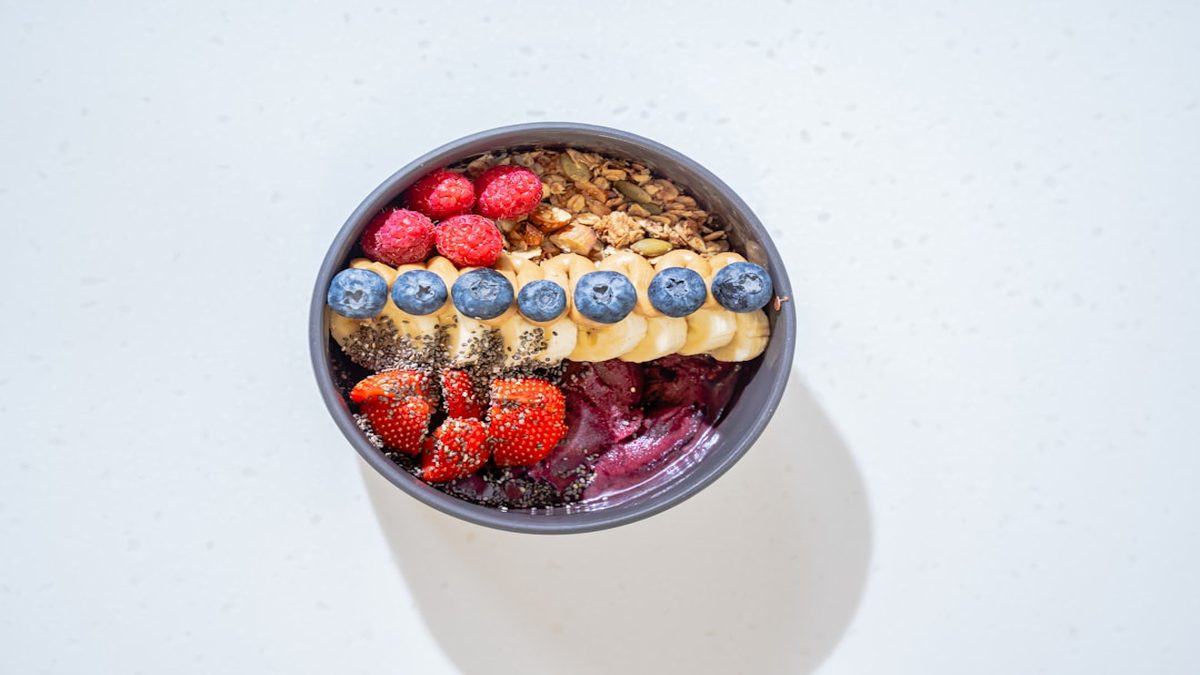
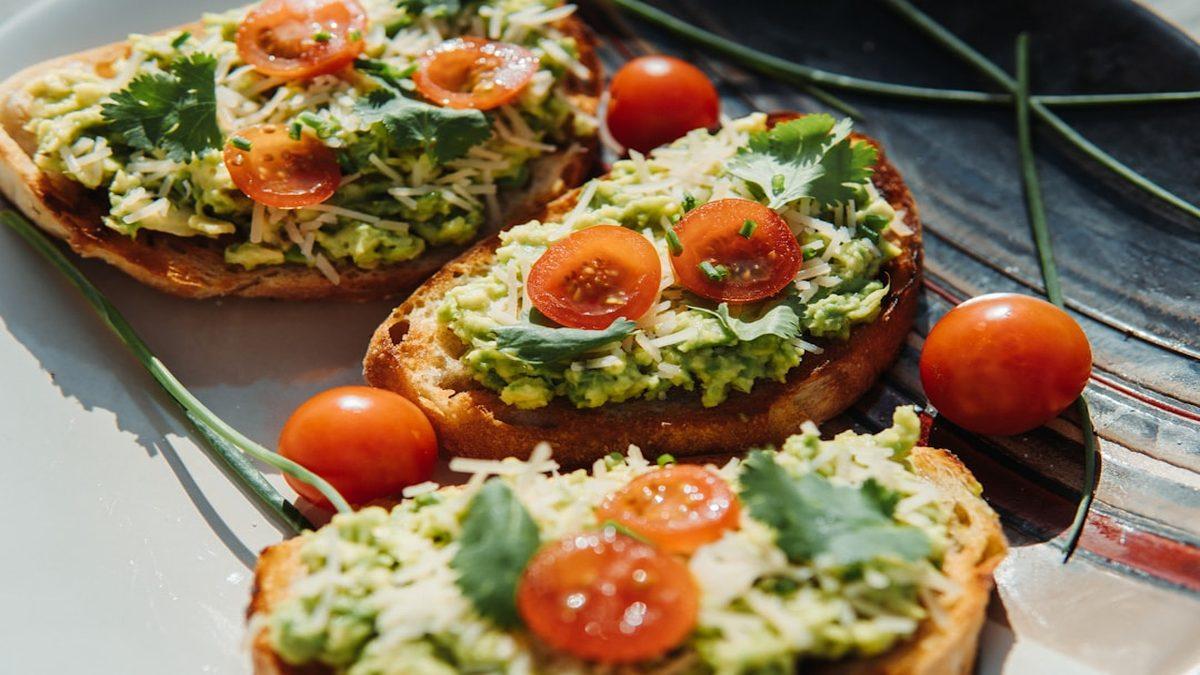
A small meal doesn't have to be complicated to be complete. Combine a whole grain, a plant protein, and colorful vegetables—even in tiny amounts—and you've created a nutritionally balanced plate. A quarter cup of oatmeal topped with walnuts and berries. A small sweet potato with black beans and a drizzle of tahini. Half an avocado mashed on seed bread with sprouts. These combinations ensure your body receives variety without overwhelming your diminished appetite.
Practical Strategies for Gentle Nourishment
Small appetite eating becomes sustainable when you remove friction from the process. This means keeping nourishing options accessible, preparing foods in easy-to-eat forms, and releasing pressure around mealtimes. The plant-forward kitchen lends itself naturally to this approach—many whole foods require minimal preparation and store beautifully for grab-and-go nourishment.
Research from Mayo Clinic's nutrition guidelines confirms that eating smaller, more frequent meals can help maintain adequate nutrition when appetite is limited. This pattern feels natural with plant-forward foods because they're gentle on digestion and easy to prepare in small batches.
Embrace Blended and Soft Foods
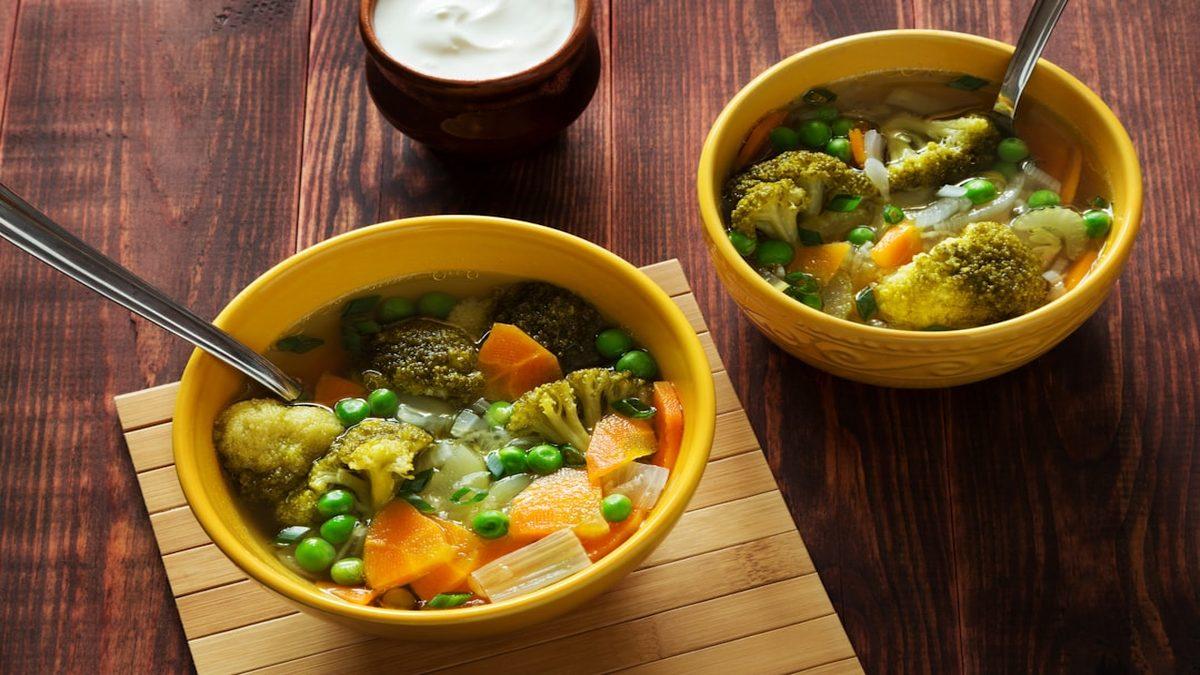
When appetite shrinks, sometimes the act of chewing feels like too much effort. Smoothies, soups, and purées become beautiful friends during these seasons. A green smoothie with banana, spinach, hemp seeds, and oat milk delivers substantial nutrition in a form that slips down easily. A warm vegetable soup, blended smooth or left chunky, provides comfort and nourishment without requiring much effort to consume. These soft, blended options make small appetite eating feel effortless rather than forced.
Keep Nourishing Snacks Within Reach
Rather than pressuring yourself to eat full meals, consider grazing on small nourishing bites throughout the day. Keep a small jar of mixed nuts and dried fruit on your counter. Store washed berries at eye level in your refrigerator. Prepare a batch of energy bites made from oats, nut butter, and seeds. When food is visible and accessible, you're more likely to eat a few bites even when appetite is quiet. This gentle approach respects your body's signals while ensuring consistent nourishment.
Building Small Appetite Eating Into Daily Rhythms
Sustainable nourishment happens when healthy patterns become automatic. For small appetite eating, this means creating simple routines that don't require decision-making or willpower. The plant-forward kitchen supports this beautifully because whole foods are naturally versatile and forgiving. A batch of cooked grains serves as the base for multiple small meals. Washed greens transform any bowl into something more nourishing. Seeds and nuts add protein and healthy fats to virtually anything.
Morning Rituals That Start Gently
Mornings often bring the smallest appetite window. Rather than forcing a large breakfast, consider starting with something liquid and gentle—warm lemon water, a small smoothie, or a cup of broth. As your body wakes and digestion activates, you might find appetite naturally increasing. If not, that small morning nourishment has still provided hydration and initial nutrients. The Instant Plate Builder offers a simple framework for creating balanced mini-meals that work beautifully for gentle morning eating.
Evening Nourishment Without Overwhelm
When appetite has been small all day, evening can bring anxiety about getting enough nutrition. Release that pressure. A small bowl of vegetable soup, a few crackers with hummus, or half a portion of grain bowl still counts as nourishment. Your body is remarkably efficient at extracting what it needs from quality foods. Trust this process and keep evening meals light, warm, and comforting. Small appetite eating at night often means better sleep anyway—heavy meals late in the day can disrupt rest.
Frequently Asked Questions About Small Appetite Eating
How do I get enough protein with small appetite eating?
Plant proteins are wonderfully concentrated, making them ideal for smaller portions. Hemp seeds, pumpkin seeds, lentils, and chickpeas deliver substantial protein in small amounts. Adding a tablespoon of hemp seeds to your smoothie or sprinkling pumpkin seeds on soup boosts protein without requiring more volume. Focus on including a plant protein source at most eating occasions, even if portions are tiny.
Can small appetite eating still support my energy levels?
Absolutely. When you choose nutrient-dense whole foods, your body receives the vitamins, minerals, and macronutrients it needs for energy production—even from smaller quantities. Complex carbohydrates from whole grains release energy steadily, healthy fats from nuts and avocados provide sustained fuel, and iron-rich greens support oxygen transport. Quality matters more than quantity for maintaining energy.
What if my small appetite lasts for weeks?
Extended appetite changes deserve gentle attention. While small appetite eating can absolutely provide adequate nutrition, a prolonged significant decrease warrants a conversation with your healthcare provider to rule out underlying causes. In the meantime, continue focusing on the most nourishing whole plant foods you can manage, stay hydrated, and trust that your body is communicating something worth listening to.
Small appetite eating invites us back to a simpler relationship with food—one where nourishment doesn't require abundance, just intention. The plant-forward path has always understood this truth. Our ancestors didn't measure portions or track calories; they ate what the earth provided and trusted their bodies' wisdom. When appetite grows smaller, this ancient approach offers exactly what we need: concentrated nutrition from whole foods, prepared simply, eaten with presence. Every small bite becomes an act of care, every gentle meal a quiet conversation between you and your body.
Your Next Step
If you're looking for simple guidance on building nourishing plant-forward meals—especially when appetite is smaller—I've gathered everything I use into one place. Visit my plant-forward kit to explore tools, guides, and resources designed to make this way of eating feel natural and sustainable. No complicated systems or overwhelming rules—just practical support for nourishing yourself, one plate at a time.