5 Simple Ways to Make Every Bite Count Daily
Make every bite count when appetite shrinks. Simple plant-forward tips to nourish fully with smaller portions. Start today.
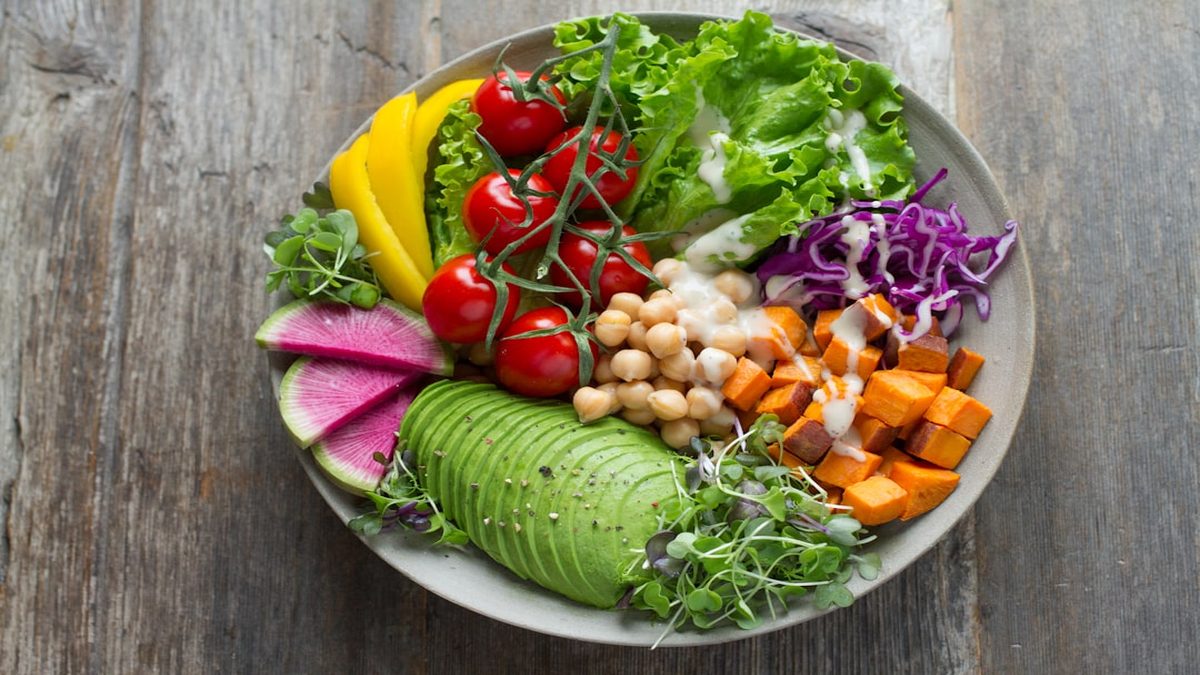
When your appetite shrinks, the solution is simple: choose foods so rich in nutrients that every single mouthful delivers real nourishment. This means prioritizing whole, plant-forward foods that pack vitamins, minerals, fiber, and energy into smaller portions. If you're eating less these days—whether from stress, aging, recovery, or simply feeling less hungry—you can absolutely make every bite count and still give your body what it needs to thrive. This isn't about forcing yourself to eat more or following complicated meal plans. It's about working with your body's natural rhythms and choosing ingredients that do the heavy lifting for you. The ancestors who ate from the earth understood this instinctively: quality over quantity, nourishment over volume. Let's explore how you can embrace this same wisdom and feel genuinely good about every plate you prepare, no matter how small.
Why Learning to Make Every Bite Count Matters Now
Smaller appetites happen for countless reasons. Maybe you're navigating a season of life where hunger signals have shifted. Perhaps recovery from illness has left you eating less than usual. Or maybe the natural changes that come with aging have simply quieted your desire for large meals. Whatever the reason, understanding how to nourish yourself fully with less food is a skill worth developing. According to Harvard Health, focusing on nutrient density becomes increasingly important as we age or face health challenges that affect appetite.
Understanding Nutrient Density in Whole Foods
Nutrient density refers to the amount of vitamins, minerals, fiber, and beneficial compounds packed into each calorie of food. A handful of raw almonds, for instance, delivers protein, healthy fats, vitamin E, magnesium, and fiber in a tiny package. Compare that to the same number of calories from processed crackers, which offer little beyond empty carbohydrates. When appetite is limited, choosing nutrient-dense whole foods ensures your body receives the building blocks it needs without requiring large volumes. This is the foundation of plant-forward eating—letting nature's most concentrated sources of goodness do the work.
The Emotional Side of Eating Less
Eating less can feel strange, even worrying. Meals have always been about more than fuel—they're connection, comfort, and ritual. When appetite shrinks, it's natural to feel a sense of loss around the table. Acknowledge this gently. The goal isn't to force yourself back to old portions but to find peace with where you are right now. By choosing foods that truly nourish, you transform smaller meals into acts of self-care rather than sources of anxiety. Every bite becomes intentional, meaningful, and genuinely satisfying.
Building Plates That Deliver Maximum Nourishment
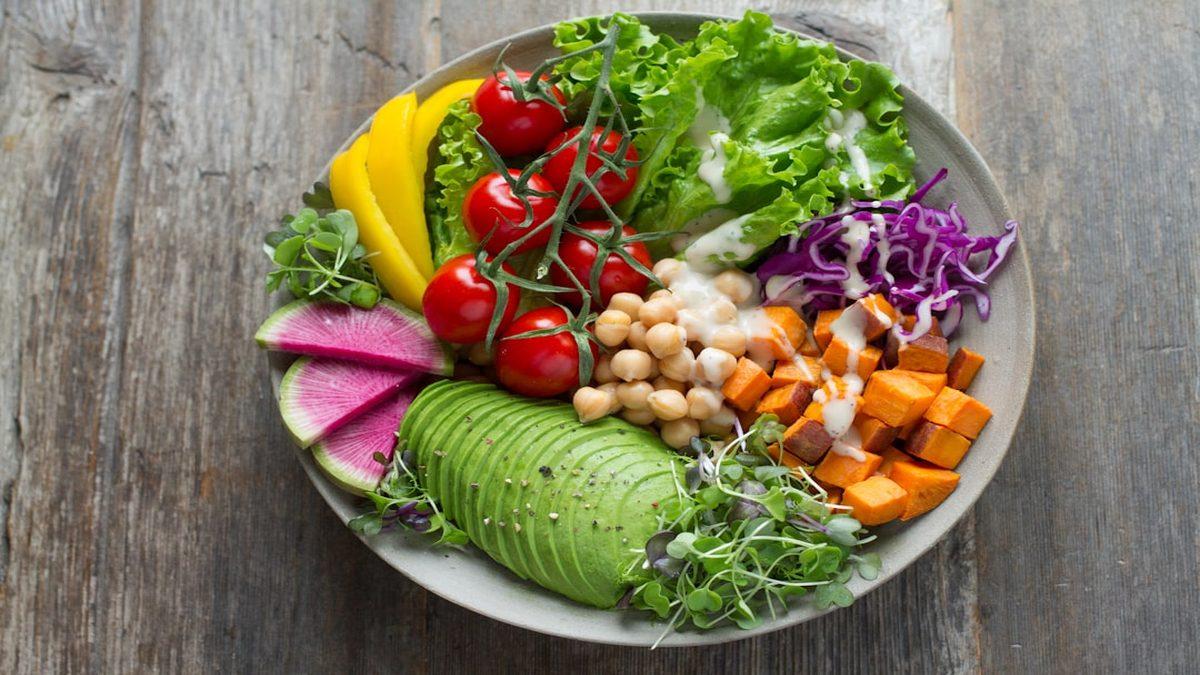
Creating meals that make every bite count doesn't require culinary expertise or exotic ingredients. It's about thoughtful assembly—combining colors, textures, and whole food groups in ways that cover your nutritional bases efficiently. Think of your plate as a canvas where each element serves a purpose. Leafy greens bring iron and calcium. Legumes add protein and fiber. Whole grains contribute sustained energy. Seeds and nuts offer healthy fats and minerals. When these components come together, even a small bowl becomes a complete meal.
The Power of Colorful Vegetables
Color in vegetables signals different phytonutrients—the natural compounds that support everything from cellular health to immune function. Deep greens like kale and spinach deliver iron and vitamin K. Orange vegetables like sweet potatoes and carrots provide beta-carotene. Purple foods like beets and red cabbage offer anthocyanins. When appetite is smaller, making each vegetable choice count by selecting deeply pigmented options ensures you're not missing out on these protective compounds. A single cup of mixed colorful vegetables can deliver what three cups of iceberg lettuce cannot.
Protein-Rich Plants in Small Portions
Plant proteins are remarkably efficient when it comes to nutrient density. A half-cup of cooked lentils provides roughly 9 grams of protein along with iron, folate, and fiber. Chickpeas, black beans, edamame, and tempeh all pack substantial nutrition into modest servings. For those with smaller appetites, these become essential building blocks. A few spoonfuls of hummus, a scatter of hemp seeds, or a small portion of baked tofu can round out a meal without requiring large quantities. The key is including some form of plant protein at most meals.
Strategic Additions That Amplify Nutrition
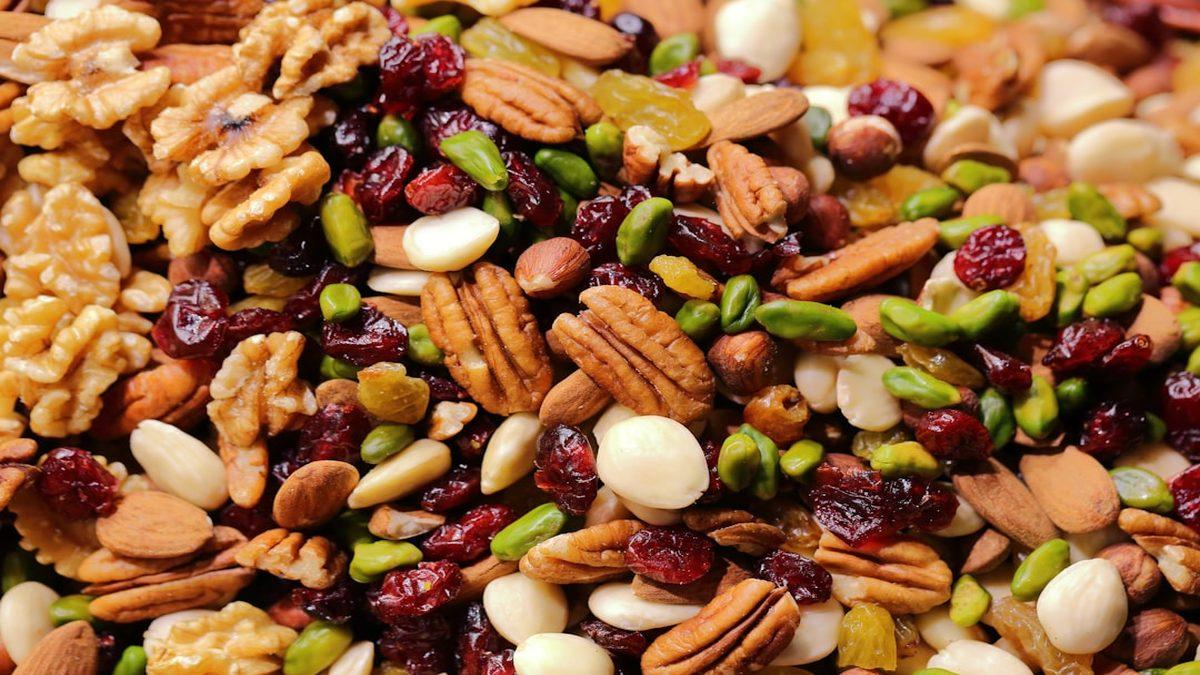
Beyond the core components of vegetables and proteins, certain foods act as nutritional amplifiers—small additions that dramatically boost the value of any meal. These are the sprinkles, drizzles, and garnishes that transform ordinary plates into powerhouses. When you're focused on how to make every bite count, these strategic additions become your secret tools. They require almost no appetite to consume yet deliver outsized benefits.
Seeds and Nuts as Nutrient Boosters
Just one tablespoon of chia seeds adds omega-3 fatty acids, fiber, calcium, and protein to any dish. Flaxseeds offer similar benefits along with lignans that support hormonal balance. Pumpkin seeds bring zinc and magnesium. Walnuts contribute brain-healthy fats. These tiny additions can be stirred into oatmeal, blended into smoothies, or scattered over salads without changing the volume of your meal. For someone eating smaller portions, developing the habit of adding seeds and nuts to nearly everything ensures baseline nutrition is consistently met.
Healthy Fats That Satisfy
Healthy fats do double duty in smaller meals. They help your body absorb fat-soluble vitamins A, D, E, and K, and they create a sense of satisfaction that stretches beyond the meal itself. A drizzle of extra virgin olive oil over steamed vegetables, a quarter of an avocado alongside beans, or a spoonful of tahini in a grain bowl—these additions prevent the hollow feeling that can come from eating less. Research from Healthline confirms that including healthy fats with meals improves both nutrient absorption and satiety, making them essential for anyone with a smaller appetite.
Practical Strategies to Make Every Bite Count Daily
Knowing which foods are nutrient-dense is only half the equation. The other half involves practical strategies for actually incorporating them into your daily rhythm. When appetite is low, even the thought of preparing elaborate meals can feel overwhelming. The good news is that eating well with a smaller appetite often means simpler cooking, not more complicated. It's about having the right ingredients on hand and knowing how to combine them quickly.
Batch Preparing Nutrient-Dense Staples
Spending an hour or two each week preparing foundational ingredients sets you up for effortless nourishing meals. Cook a pot of quinoa or brown rice. Roast a tray of mixed vegetables. Prepare a batch of lentils or chickpeas. Wash and store leafy greens. With these staples ready in your refrigerator, assembling a nutrient-packed bowl takes only minutes. This approach removes the mental burden of deciding what to make when appetite is already low—you simply combine what's already prepared. My Instant Plate Builder guides you through exactly this process, making it second nature.
Embracing Smoothies and Blended Options
When chewing feels like too much effort or solid food doesn't appeal, blended meals become invaluable. A smoothie made with leafy greens, frozen berries, a spoonful of nut butter, plant milk, and a tablespoon of ground flaxseed delivers remarkable nutrition in liquid form. Warm blended soups offer the same benefit—think pureed butternut squash with white beans, or a simple vegetable soup enriched with a handful of cashews for creaminess. These options allow you to make every bite count even when traditional meals feel impossible.
Frequently Asked Questions About Make Every Bite Count
How do I make every bite count if I have food sensitivities?
Food sensitivities can make nutrient-dense eating feel limiting, but plenty of options remain. Focus on the whole foods your body tolerates well and maximize their nutritional impact. If legumes cause discomfort, emphasize seeds, nuts, and quinoa for protein. If raw vegetables are difficult, gently cooked options are often easier to digest while retaining most nutrients. Work with the foods that feel good, and concentrate on variety within those categories.
Can I still make every bite count without spending hours cooking?
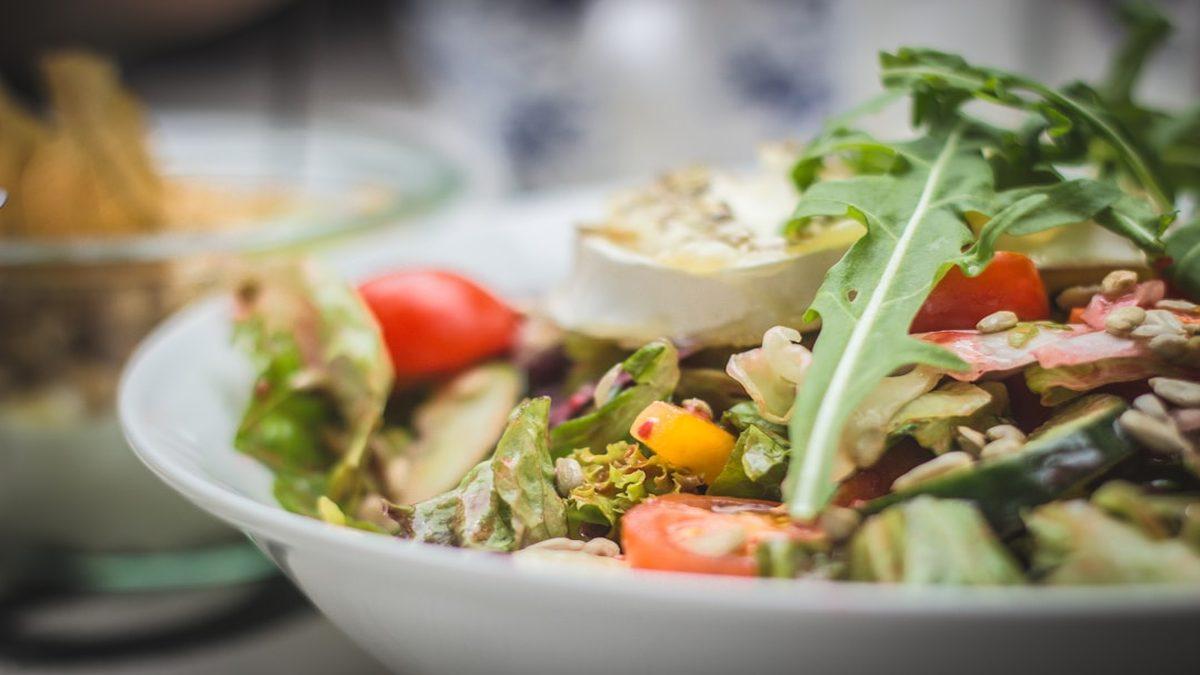
Absolutely. Nutrient-dense eating is often simpler than conventional cooking because it relies on whole foods that require minimal preparation. Raw vegetables with hummus, a bowl of oatmeal topped with fruit and seeds, or a simple salad with canned beans and olive oil—these meals take minutes yet deliver substantial nourishment. The key is keeping quality ingredients accessible so that healthy choices become the easiest choices.
What if my appetite varies from day to day?
Fluctuating appetite is completely normal. On higher-appetite days, enjoy slightly larger portions of the same nutrient-dense foods. On lower-appetite days, lean into smoothies, soups, and smaller but more frequent snacks. The foundation remains the same—prioritizing whole, plant-forward ingredients that deliver maximum nourishment regardless of portion size. Trust your body's signals while ensuring that whatever you do eat truly counts.
Learning to make every bite count is less about restriction and more about intention. It's a gentle shift toward seeing food as the concentrated nourishment it can be, rather than a volume game to win. Whether appetite is temporarily low or permanently smaller, this plant-forward approach ensures your body receives what it needs to feel strong, clear, and alive. Every colorful vegetable, every handful of seeds, every drizzle of good oil becomes an investment in your wellbeing—one small, meaningful bite at a time.
Your Next Step
If you're ready to simplify how you nourish yourself—especially when appetite feels unpredictable—I've gathered everything I use in one place. From my Instant Plate Builder ebook to the tools and resources that make plant-forward eating genuinely effortless, you'll find it all in my plant-forward kit. No complicated systems, no overwhelming choices—just simple, whole-food guidance for real life.