Plant-Forward Protein: 7 Simple Ways to Get Enough Daily
Plant-forward protein is easier than you think. Learn 7 whole-food sources that keep you satisfied and energized all day. Start today.
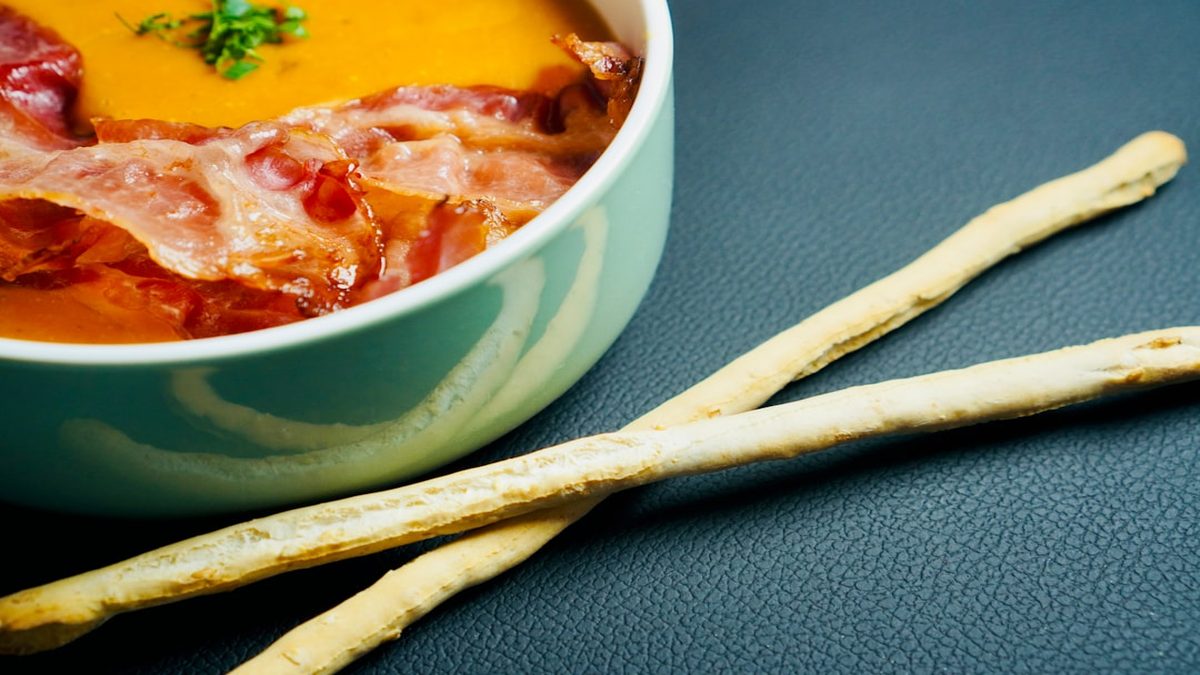
You absolutely can get enough protein eating plant-forward whole foods—legumes, whole grains, nuts, seeds, and vegetables provide all the amino acids your body needs when eaten in variety throughout the day. There's no magic formula, no complicated combining charts, and no need to stress over every gram. If you've ever wondered whether plant-forward protein is truly enough to keep you energized, satisfied, and thriving, the answer is a warm and resounding yes. Our ancestors knew this intuitively, building meals around what the earth provided—lentils simmered in clay pots, seeds scattered over morning porridge, beans stretched into hearty stews. This guide walks you through seven simple ways to make plant-forward protein a natural, effortless part of your daily rhythm. No restriction, no obsession—just real food that nourishes deeply.
Understanding Plant-Forward Protein: The Foundation
Before diving into specific foods, it helps to understand what makes plant-forward protein different from conventional approaches. Protein exists abundantly throughout the plant kingdom, distributed across legumes, grains, nuts, seeds, and even leafy vegetables. The idea that plant proteins are somehow incomplete or inferior is outdated nutrition thinking. According to Harvard Health's research on daily protein needs, most adults require far less protein than popular culture suggests, and plant sources deliver beautifully when eaten in natural variety.
Why Whole Foods Matter for Protein Quality
When protein comes packaged in a whole food, it arrives with fiber, vitamins, minerals, and phytonutrients that work together synergistically. A bowl of black beans doesn't just deliver protein—it offers iron, folate, and gut-nourishing fiber. This is how our grandparents ate, long before isolated protein powders and engineered bars became normalized. Whole food protein satisfies differently than processed alternatives. You feel fuller longer, energy stays steady, and digestion flows smoothly. There's wisdom in the simplicity of eating food that still looks like food.
Letting Go of the Protein Anxiety
Modern wellness culture has created unnecessary anxiety around protein intake. The truth? If you're eating enough calories from varied whole foods, protein deficiency is extraordinarily rare. The body is remarkably efficient at utilizing the amino acids available across your daily meals. Rather than obsessing over exact grams or timing, the invitation here is to relax into abundance. Fill your plate with colorful, whole plant foods, include a few protein-rich anchors throughout the day, and trust your body's ancient intelligence to do the rest.
The Seven Powerhouse Sources of Plant Protein
Some plant foods deserve special attention for their protein density. These seven whole food categories form the backbone of satisfying, protein-rich meals that require no complicated planning. Think of them as reliable friends you can turn to again and again.
Legumes: The Humble Champions
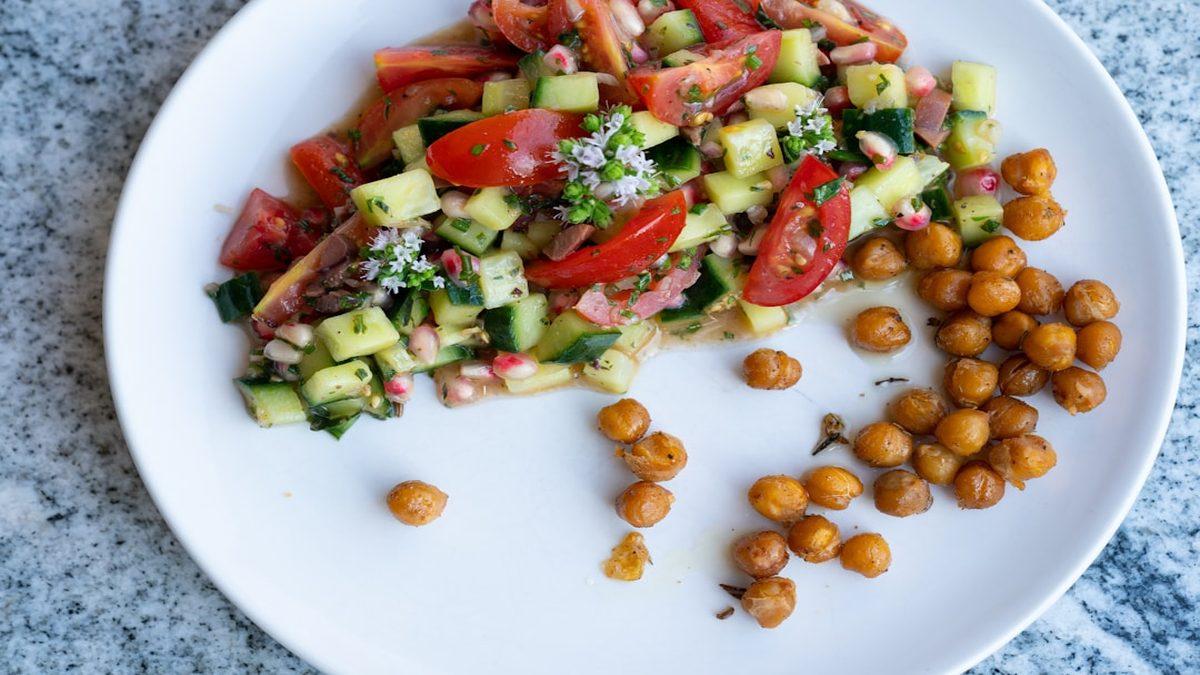
Lentils, chickpeas, black beans, kidney beans, split peas—the legume family offers some of the most affordable and versatile plant-forward protein available anywhere. One cup of cooked lentils provides roughly 18 grams of protein alongside substantial iron and fiber. Chickpeas transform into creamy hummus, crispy roasted snacks, or hearty additions to salads and curries. Black beans anchor Mexican-inspired bowls, while white beans blend into soups for added creaminess. These are the foods that sustained civilizations, and they'll sustain you beautifully too. Keep dried or canned legumes stocked always—they're your protein safety net.
Whole Grains with Surprising Protein
Not all grains are created equal when it comes to protein content. Quinoa, technically a seed, delivers complete protein with all essential amino acids—roughly 8 grams per cooked cup. Oats provide 5 grams per serving, making that morning bowl of porridge more nourishing than you might have realized. Ancient grains like farro, freekeh, and kamut offer both protein and deeply satisfying chewy textures. Even humble brown rice contributes protein when paired with other sources throughout your day. Building meals around whole grains automatically boosts your plant-forward protein without any extra effort.
Nuts, Seeds, and Their Creamy Counterparts
Small but mighty, nuts and seeds concentrate significant protein into portable, versatile packages. They also bring healthy fats that support nutrient absorption and keep hunger at bay between meals.
Seeds Worth Scattering Everywhere
Hemp seeds stand out with 10 grams of complete protein per three tablespoons—simply scatter them over smoothie bowls, salads, or oatmeal. Pumpkin seeds deliver 7 grams per quarter cup along with zinc and magnesium. Chia seeds offer 4 grams per two tablespoons while also providing omega-3 fatty acids. Sunflower seeds, sesame seeds, and flaxseeds each contribute their own protein and mineral profiles. The strategy here is simple: keep a variety on hand and add them liberally to whatever you're already eating. A sprinkle here, a tablespoon there—it adds up quietly and deliciously.
Nut Butters and Whole Nuts
Almonds, with roughly 6 grams of protein per ounce, make satisfying snacks or crunchy salad toppers. Peanuts (technically legumes) offer even more protein per serving. Natural nut butters—where the ingredients list says simply "peanuts" or "almonds"—spread easily onto toast, blend into smoothies, or swirl into warm oatmeal. Choose whole, minimally processed versions whenever possible. The fat in nuts actually helps your body absorb fat-soluble vitamins from the vegetables you're eating alongside them. Everything works together when you eat real food.
Building Complete Plant-Forward Protein Meals
Here's where theory becomes practice. Building meals with adequate plant-forward protein doesn't require charts, calculations, or obsessive measuring. It simply asks for intentional variety and a few reliable anchor foods on your plate.
The Bowl Formula That Works
The simplest approach to plant-forward protein is the nourishing bowl: start with a whole grain base, add a generous serving of legumes, include roasted or raw vegetables, top with seeds or nuts, and finish with a flavorful dressing. This formula appears across global cuisines for good reason—it works. Think rice bowls with black beans and pepitas, quinoa salads with chickpeas and tahini dressing, or farro bowls topped with lentils and toasted almonds. If you want help building these meals quickly, my Instant Plate Builder guide walks through this exact framework in simple, adaptable steps. Once you internalize this pattern, meal planning becomes almost effortless.
Spreading Protein Throughout the Day
Rather than loading all your protein into one large meal, distributing it across breakfast, lunch, dinner, and snacks supports more even energy and better satiety. Breakfast might include oatmeal with hemp seeds and nut butter. Lunch could be a hearty bean soup with whole grain bread. Dinner features a vegetable stir-fry with tempeh or tofu over brown rice. Snacks incorporate hummus with vegetables, a handful of almonds, or an apple with peanut butter. This rhythm feels natural rather than forced, and it ensures your body receives steady protein availability throughout waking hours.
Traditional Foods and Plant-Forward Protein Wisdom
Our ancestors didn't count grams or stress about macros—they simply ate the foods available to them in combinations that naturally provided complete nutrition. Looking to traditional cuisines offers tremendous insight into satisfying, protein-rich plant eating.
Global Cuisine Combinations
Consider rice and beans in Latin America, dal with flatbread in India, hummus with pita in the Middle East, or miso soup with tofu and rice in Japan. These pairings emerged over centuries not by accident but through collective wisdom about what satisfies and sustains. The combinations naturally provide complementary amino acids, though modern research from PubMed studies on plant protein quality confirms you don't need to eat these complements in the same meal—variety throughout the day accomplishes the same goal. Still, these traditional combinations taste wonderful together and offer a sense of completeness that resonates on more than just a nutritional level.
Fermented Foods for Enhanced Nutrition
Tempeh, made from fermented whole soybeans, offers roughly 20 grams of protein per half cup along with probiotics and enhanced mineral availability. Miso, natto, and fermented bean pastes appear throughout Asian cuisines, adding depth of flavor alongside nutritional benefits. Fermentation partially breaks down proteins and anti-nutrients, making the nutrition more accessible to your body. These are foods humans have prepared for thousands of years, and they deserve a place in your modern plant-forward kitchen.
Frequently Asked Questions About Plant-Forward Protein
How much plant-forward protein do I actually need daily?
Most adults need approximately 0.8 grams of protein per kilogram of body weight, though needs vary based on activity level, age, and individual factors. For someone weighing 150 pounds, this translates to roughly 55 grams daily—easily achievable through whole plant foods. Athletes or highly active individuals may benefit from slightly more. The key is variety and adequacy of total calories rather than meticulous counting.
Do I need to combine proteins at every meal for complete nutrition?
No, this is an outdated concept. Your body pools amino acids throughout the day, drawing from everything you've eaten to build the proteins it needs. As long as you're eating a variety of legumes, grains, nuts, seeds, and vegetables over the course of each day, you'll naturally consume all essential amino acids without any combining strategy required.
Can children thrive on plant-forward protein sources?
Absolutely. Children have eaten plant-centered diets throughout human history across many cultures. The key is offering variety, ensuring adequate calories, and making meals appealing and enjoyable. Nut butters, bean dips, seed-topped oatmeal, and grain bowls work wonderfully for little ones. My Kids Plate Builder offers family-friendly approaches to making plant-forward eating work for the whole table, including picky eaters.
Embracing plant-forward protein isn't about perfection or restriction—it's about returning to a simpler, more intuitive way of eating that humans have practiced for millennia. The legumes, grains, nuts, seeds, and vegetables that nourished your ancestors can nourish you just as beautifully. There's no need for expensive supplements, complicated tracking apps, or anxiety about adequacy. When you fill your plate with varied whole foods prepared simply and eaten mindfully, protein takes care of itself. Trust the abundance available to you, one satisfying meal at a time.
Your Next Step
If you're ready to simplify your approach to plant-forward meals, I've gathered everything I use and recommend into one place. Visit my plant-forward kit to explore resources that make this way of eating feel effortless and sustainable. No overwhelm, no complicated systems—just simple tools for nourishing yourself well.