Plant-Forward Protein: 7 Simple Ways to Get Enough Daily
Plant-forward protein is easier than you think. Learn 7 simple whole-food strategies to meet your daily needs naturally. Start today.
Getting enough plant-forward protein is absolutely achievable when you focus on whole foods and simple combinations — no powders, pills, or complicated tracking required. The key is variety: legumes, whole grains, nuts, seeds, and vegetables each contribute amino acids, and when eaten together throughout the day, they provide everything your body needs. If you've ever worried that eating more plants means sacrificing protein, take a breath. This is one of the most common concerns I hear, and it dissolves completely once you understand how naturally protein-rich whole foods actually are. Our ancestors thrived on these same foods for thousands of years, long before anyone counted macros or stressed about complete proteins. Today, I want to walk you through seven simple, real-world strategies for building plant-forward protein into every meal — effortlessly, deliciously, and in a way that actually sticks.
Understanding Plant-Forward Protein and Why It Works
Before diving into strategies, it helps to understand what makes plant-forward protein so effective. Unlike the outdated myth that plant proteins are somehow inferior, modern nutritional science confirms that varied whole-food eating provides all essential amino acids. According to Harvard Health, most adults need roughly 0.8 grams of protein per kilogram of body weight daily — and this is easily met through thoughtful plant-based choices.
The Myth of Incomplete Proteins
For decades, people believed you had to combine specific foods at every single meal to get complete protein. This idea has been largely debunked. Your body pools amino acids from everything you eat throughout the day, so as long as you're enjoying variety — beans one meal, grains another, nuts as a snack — you're covered. The stress around protein combining was never necessary, and letting go of it makes eating so much simpler. When you embrace plant-forward protein as a daily practice rather than a meal-by-meal calculation, the whole process becomes intuitive.
How Much Protein Do You Actually Need
Most people overestimate their protein needs because of decades of marketing from supplement companies. For a 150-pound adult, the baseline requirement is about 54 grams daily — easily achieved with a bowl of oatmeal with nuts in the morning, a lentil soup at lunch, and a tofu stir-fry at dinner. Athletes or those building muscle may need slightly more, but even active individuals can meet their needs through whole foods alone. The beauty of plant-forward protein is that it comes packaged with fiber, antioxidants, and minerals that isolated supplements simply cannot replicate.
Seven Simple Strategies for Daily Plant-Forward Protein
Now let's get practical. These seven strategies have helped countless people build sustainable, protein-rich eating habits without obsessing over numbers or feeling restricted. Each one works on its own, but together they create a foundation that makes plant-forward protein almost automatic.
Strategy One: Make Legumes Your Daily Anchor
Beans, lentils, and chickpeas are the workhorses of plant-based eating. A single cup of cooked lentils delivers about 18 grams of protein — more than many realize. The trick is making legumes convenient: cook a big batch on the weekend, or keep canned varieties in your pantry for quick additions to salads, soups, and grain bowls. I love how versatile they are — black beans in a breakfast scramble, white beans blended into a creamy soup, or roasted chickpeas as a crunchy snack. When legumes become a daily habit, protein concerns fade into the background.
Strategy Two: Embrace Whole Grains at Every Meal
Many people forget that whole grains contribute meaningful protein. Quinoa offers about 8 grams per cooked cup, and it's one of the few plant foods containing all nine essential amino acids. But don't overlook humble oats (6 grams per cup), brown rice, farro, and buckwheat. Starting your day with a hearty grain bowl topped with seeds and nut butter sets a strong protein foundation before noon. The fiber in whole grains also supports steady energy, preventing the crashes that send people reaching for processed snacks.

Building Complete Meals with Plant-Forward Protein
Having protein-rich ingredients is one thing; assembling them into satisfying meals is another. This is where many people struggle — not from lack of knowledge, but from decision fatigue. The solution is a simple plate formula that removes the guesswork entirely.
The Simple Plate Framework
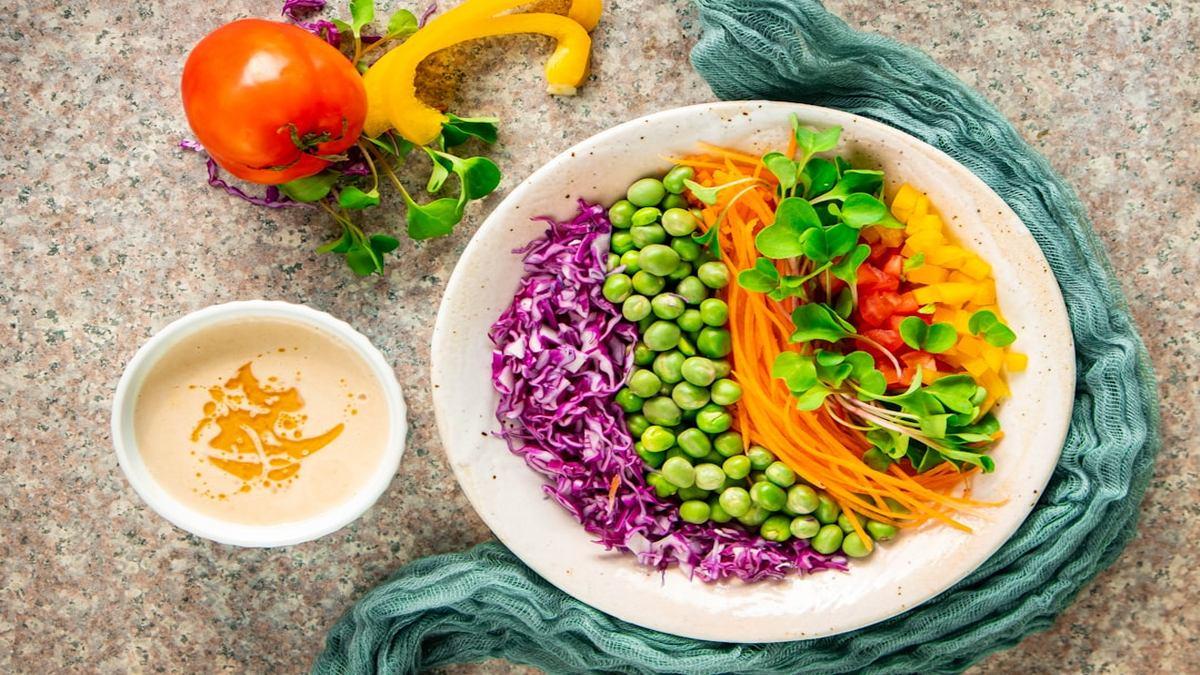
Picture your plate divided loosely into sections: one quarter filled with a protein-rich whole food like tempeh, beans, or edamame; one quarter with a whole grain; and half with colorful vegetables. Drizzle with a tahini dressing or sprinkle with hemp seeds, and suddenly you have 20-plus grams of plant-forward protein without measuring anything. This framework works for lunch bowls, dinner plates, and even breakfast when you swap grains for oats and add nut butter. If you want a ready-made version of this system, my Instant Plate Builder walks you through creating endless variations in minutes.
Snacks That Actually Contribute
Snacking offers another opportunity to boost daily protein. Instead of reaching for chips or crackers, try a handful of almonds (6 grams per ounce), a small bowl of edamame (17 grams per cup), or apple slices with almond butter. Even hummus with vegetable sticks adds a few grams. These small additions accumulate throughout the day, making your plant-forward protein intake robust without any single meal needing to carry the entire load. Snacks become building blocks rather than empty fillers.
Maximizing Absorption and Variety in Plant-Forward Protein
Eating protein-rich foods is only part of the equation. How you prepare and combine foods affects how well your body absorbs and uses those nutrients. A few simple habits can make a meaningful difference.
Soaking, Sprouting, and Fermenting
Traditional preparation methods like soaking beans overnight, sprouting grains, or eating fermented foods like tempeh and miso actually enhance protein bioavailability. These techniques reduce compounds called phytates that can bind to minerals and interfere with absorption. Our ancestors intuitively practiced these methods, and returning to them connects us to a deeper wisdom about food preparation. You don't need to do this with everything — simply soaking dried beans before cooking or choosing sprouted bread makes a difference. Tempeh, in particular, offers around 20 grams of protein per serving with the added benefit of fermentation-friendly probiotics.
Rotating Your Protein Sources Weekly
Variety isn't just the spice of life — it's the key to complete nutrition. Relying on the same two or three foods limits your amino acid profile and can lead to boredom. Try rotating through different legumes each week: lentils one day, black beans the next, then chickpeas, then split peas. Do the same with grains and nuts. This rotation ensures you're getting a full spectrum of amino acids and keeps meals interesting. Plant-forward protein becomes sustainable when it never feels repetitive. According to Mayo Clinic's guide to meatless meals, variety is one of the most important factors in plant-based eating success.
Frequently Asked Questions About Plant-Forward Protein
Can I get enough protein without eating meat every day?
Absolutely. Whole foods like legumes, whole grains, nuts, seeds, and even vegetables provide ample protein when eaten in variety throughout the day. Many cultures around the world have thrived on predominantly plant-based diets for generations. The key is consistency and including protein-rich whole foods at most meals rather than relying on a single source. Plant-forward protein is not about deprivation — it's about abundance through natural diversity.
Do I need protein powder to meet my daily needs?
For most people, no. Protein powders can be convenient for athletes or those with very high requirements, but they're not necessary for general health. Whole foods provide protein alongside fiber, vitamins, and minerals that isolated powders lack. If you find whole-food eating challenging at first, a simple protein smoothie with nut butter and oats can bridge the gap while you build new habits. Over time, relying on whole foods becomes second nature.
What are the best plant-forward protein sources for beginners?
Start with the most accessible and versatile options: canned beans, lentils, tofu, oats, quinoa, nuts, and seeds. These require minimal preparation and can be added to almost any meal. A simple lentil soup, a quinoa salad with chickpeas, or overnight oats with hemp seeds are all beginner-friendly ways to embrace plant-forward protein. As you grow comfortable, you can explore tempeh, edamame, and more adventurous legumes like adzuki or cannellini beans.
Eating well doesn't require perfection or complicated calculations. When you focus on whole foods, listen to your body, and embrace variety, plant-forward protein takes care of itself. This isn't about following rigid rules — it's about returning to the simple, nourishing way humans have always eaten. One plate at a time, you're building something sustainable, something that fits your life rather than fighting against it. And that, more than any macro count, is what truly matters.
Your Next Step
If you're ready to simplify your meals and stop overthinking protein, I've gathered everything I use into one place. From my Instant Plate Builder ebook to my favorite kitchen tools and resources, you'll find it all in my plant-forward kit. No complicated systems — just simple guidance for building nourishing plates that work for your real life. Take a look whenever you're ready.