Plant-forward meals kids actually eat don't require tricks or battles. Discover 7 real strategies that work at your table. Get the guide.
If you've ever spent thirty minutes preparing a beautiful, nutritious dinner only to watch your child push it around the plate with deep suspicion, you're not alone. The good news? Creating plant-forward meals kids genuinely enjoy eating isn't about elaborate recipes, sneaky vegetable hiding, or turning broccoli into dinosaur shapes. It's about understanding how children approach food and building simple, repeatable strategies that actually work in real kitchens with real families. This guide shares seven parent-tested approaches that transform mealtimes from battlegrounds into something approaching peace—and maybe even connection.
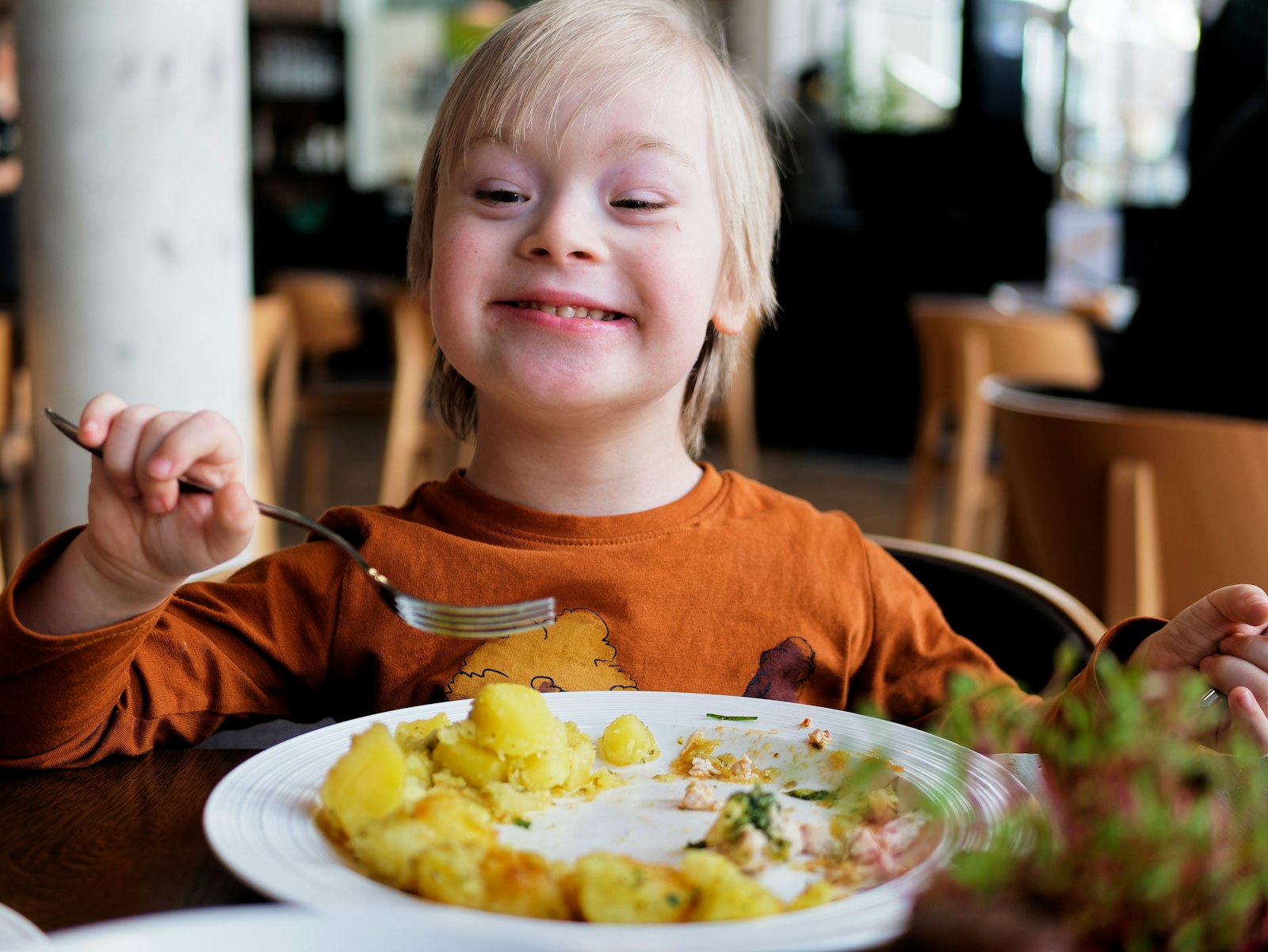
Photo by mohanad karawanchy on Unsplash
Why Plant-Forward Meals Kids Love Start With Mindset
Before we talk about what goes on the plate, we need to address what's happening in our own heads. Many parents approach plant-forward eating with an all-or-nothing mentality that sets everyone up for frustration. The truth is, children don't need to become vegetarians or clean their plates of kale to benefit from more plants in their diet. According to Harvard Health's research on phytonutrients, even modest increases in vegetable and fruit intake provide meaningful nutritional benefits for growing bodies.
Release the Pressure Around Perfect Eating
Children are remarkably attuned to parental anxiety. When we hover, comment on every bite, or visibly tense up when vegetables appear, kids sense that something stressful is happening. This creates negative associations with the very foods we're hoping they'll embrace. The most effective approach involves serving plant-forward meals kids can explore without pressure. You decide what's offered; they decide what and how much they eat. This division of responsibility, developed by feeding expert Ellyn Satter, removes the power struggle that makes mealtimes miserable for everyone.
Think Addition, Not Subtraction
Rather than focusing on removing foods from your family's diet, concentrate on adding more plants to what you already enjoy. Spaghetti night can include a simple side of roasted cherry tomatoes. Taco Tuesday welcomes black beans, corn, and fresh peppers. This gradual, additive approach helps children (and adults) adjust without feeling deprived or restricted. Plant-forward meals kids accept often look familiar with just a few nutritious additions.
Building Plates That Actually Get Eaten
Structure matters when feeding children. A plate piled high with unfamiliar vegetables feels overwhelming. A thoughtfully composed plate with variety and at least one accepted food feels manageable. This is where having a simple system transforms your daily cooking from guesswork into confidence.
The Power of the Familiar Anchor
Every plate benefits from including at least one food your child reliably accepts. This might be whole grain bread, pasta, rice, or a particular fruit. When children see something recognizable, they relax. Their nervous system settles, and they become more open to exploring what else appears alongside that trusted food. This isn't catering to picky eating—it's smart psychology that makes plant-forward meals kids encounter feel safe rather than threatening.
Portion Sizes That Don't Overwhelm
Adult-sized servings intimidate children. A tablespoon of something new is plenty for initial exposure. Remember that kids often need to see, smell, and interact with a food many times before tasting it—and many more times before accepting it as part of their regular diet. Patience with tiny portions pays off far more than large servings accompanied by pleading.
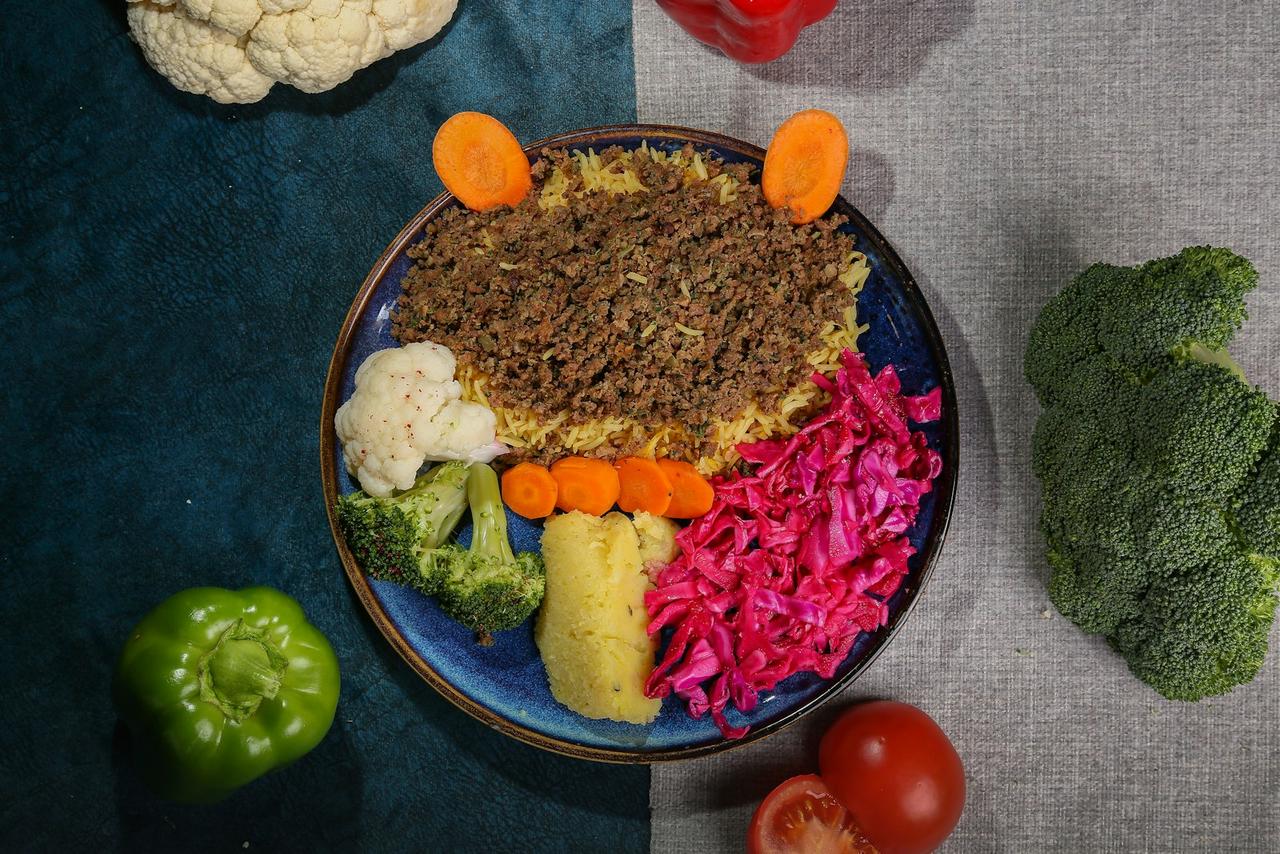
Photo by Pablo Merchán Montes on Unsplash
Seven Strategies for Peaceful Plant-Forward Family Meals
These approaches have been tested by real families navigating real resistance. They work because they respect children's developmental stages while gently expanding their food horizons. The goal isn't perfection—it's progress, served alongside a healthy dose of grace.
Strategy One: Involve Kids in Preparation
Children who help prepare food are significantly more likely to taste it. Even toddlers can wash vegetables, tear lettuce, or stir ingredients. Older kids can measure, chop with appropriate supervision, and make decisions about seasonings. This involvement creates investment and curiosity. When your child has personally placed cucumber slices on a platter, that cucumber becomes interesting rather than suspicious.
Strategy Two: Serve Components Separately
Many children resist mixed dishes where foods touch or combine. Instead of a composed salad, offer bowls of individual ingredients: cherry tomatoes here, chickpeas there, shredded carrots in another spot. Let kids build their own plates from these components. This sense of control dramatically increases acceptance and makes plant-forward meals kids assemble themselves feel like their own creation.
Making Plant-Forward Meals Kids Request a Reality
Yes, it's actually possible to reach a point where children ask for vegetable-rich meals. It doesn't happen overnight, and it requires consistent, pressure-free exposure combined with genuinely delicious preparation. Vegetables that are properly seasoned and cooked to appealing textures stand a much better chance than bland, mushy alternatives.
Strategy Three: Embrace Healthy Dips and Sauces
Dipping transforms eating into an activity, and children love activities. Hummus, guacamole, yogurt-based ranch, nut butter, and bean dips all add nutrition while making raw vegetables interactive. A child who refuses plain bell pepper strips might happily devour them when dunking is involved. Mayo Clinic's nutrition guidelines for children support this approach, noting that healthy fats and proteins paired with vegetables support both nutrition and acceptance.
Strategy Four: Rename and Reframe
Language matters more than we realize. "Broccoli" might trigger resistance, but "tiny trees" spark imagination. "Smoothie" sounds better than "vegetable drink." Create fun names together for family favorite dishes. This isn't deception—it's making food approachable and playful. Plant-forward meals kids have helped name become special family traditions rather than nutritional obligations.
Strategy Five: Model Without Commentary
Children watch everything we do. When you eat vegetables with genuine enjoyment—not performative enjoyment with pointed looks at your child—they notice. Eat your plants quietly and happily. Don't draw attention to your own healthy choices or compare them to what your child is or isn't eating. Silent modeling is remarkably powerful over time.
Strategy Six: Offer Choices Within Boundaries
"Would you like peas or green beans with dinner?" gives children agency while ensuring vegetables appear on the table. This works better than open-ended questions like "What vegetable do you want?" which often yields "none" as an answer. Bounded choices respect children's need for autonomy while maintaining your role as the parent who decides what's available.
Strategy Seven: Stay Consistent and Trust the Process
Research shows children may need fifteen to twenty exposures to a new food before accepting it. That means offering roasted carrots today, next week, and three months from now—without pressure or disappointment when they're initially rejected. Consistency without coercion is the foundation of raising children who eat varied, plant-forward diets. Trust that this process works, even when progress feels invisible.
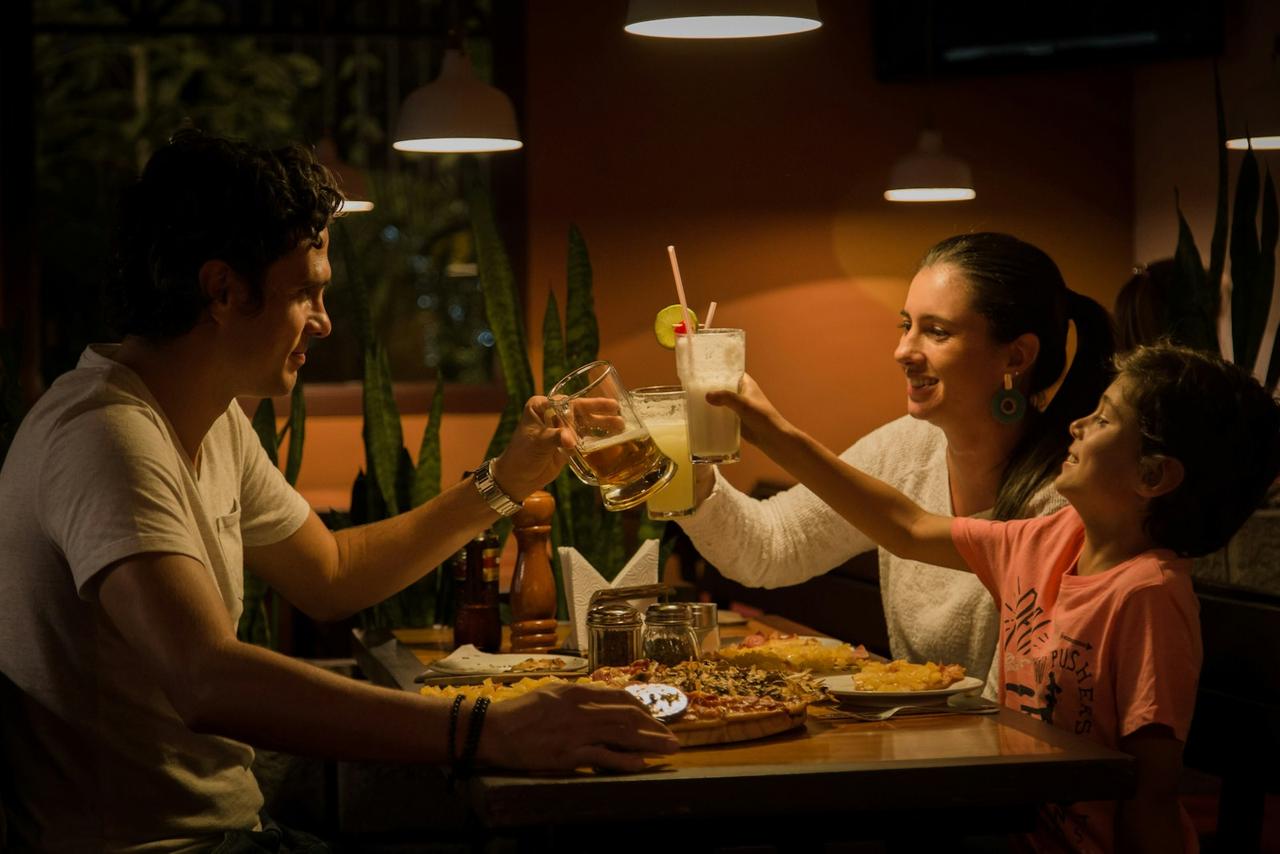
Photo by Ella Olsson on Unsplash
Frequently Asked Questions About Plant-Forward Meals Kids
How do I handle a child who refuses all vegetables?
First, take a breath. Many children go through phases of vegetable refusal, and pressure typically makes it worse. Continue offering small amounts of vegetables at meals without comment or coercion. Serve them alongside accepted foods. Consider smoothies where vegetables blend invisibly with fruits. Focus on the vegetables they might accept—often corn, peas, or carrots—and build from there. The Kids Plate Builder offers specific strategies for navigating selective eating while maintaining family meal sanity.
Won't my kids just fill up on bread if I don't make them eat vegetables first?
Possibly, at first. But restricting bread or other accepted foods often backfires, creating fixation on those "forbidden" items. Instead, serve modest portions of everything together. Over time, as vegetables become familiar and non-threatening, children naturally begin eating more varied diets. The key is removing the power struggle so food choices become internally motivated rather than parent-controlled.
What if plant-forward meals kids eat look different from adult plant-forward meals?
That's completely normal and okay. Children often prefer foods less mixed, less seasoned, and more simply prepared than adults enjoy. A child's plant-forward plate might feature plain steamed broccoli while parents enjoy broccoli with garlic and lemon. Same vegetable, different preparations. Meet everyone where they are, and let preferences evolve naturally over years, not weeks.
Creating plant-forward meals kids genuinely accept and eventually enjoy is absolutely achievable. It requires patience, consistency, and releasing the expectation of immediate results. Every exposure matters, even when it doesn't look like progress. Every peaceful meal where vegetables appear without drama builds positive associations. The system works when you trust the process and focus on connection over consumption. You're building not just healthy eaters, but healthy relationships with food that will serve your children throughout their lives.
Your Next Step
Ready to simplify how you approach family meals? The Kids Plate Builder gives you a clear, repeatable formula for creating balanced plates that work for real children—including the picky ones. No elaborate recipes, no guilt, no complicated systems. Just a straightforward approach that helps you serve nourishing food without the dinnertime stress. If you'd also like to transform your own eating, the Instant Plate Builder applies the same simple principles to adult meals. One plate at a time, your whole family can eat a little better—and feel a lot better about mealtimes.