5 Easy Plant-Forward Meals Kids Actually Love
Plant-forward meals kids love are simpler than you think. Discover real strategies that end mealtime battles. Start today.
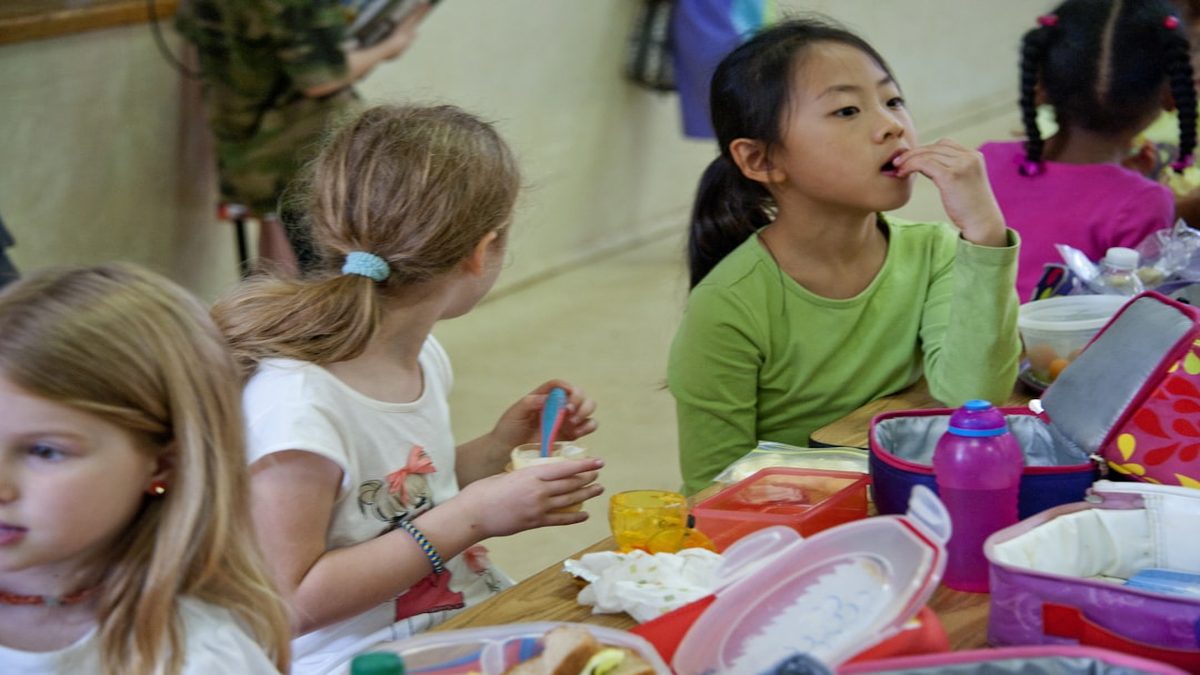
The secret to plant-forward meals kids actually eat comes down to three things: familiar formats, involvement in preparation, and zero pressure at the table. When you build meals around whole foods presented in shapes and styles children already love—think bowls, dips, and finger foods—resistance fades and curiosity takes over. If you've been battling at dinnertime, wondering why your little one pushes away anything green, you're not alone. Most of us grew up in homes where vegetables were an afterthought, steamed into oblivion or served as a grudging side dish. But here's what I've learned after years of feeding my own family this way: plant-forward meals kids genuinely enjoy aren't about tricks or hiding ingredients. They're about building a foundation of real, whole foods presented with warmth, patience, and just a little bit of creativity. This isn't about perfection—it's about progress, one plate at a time.
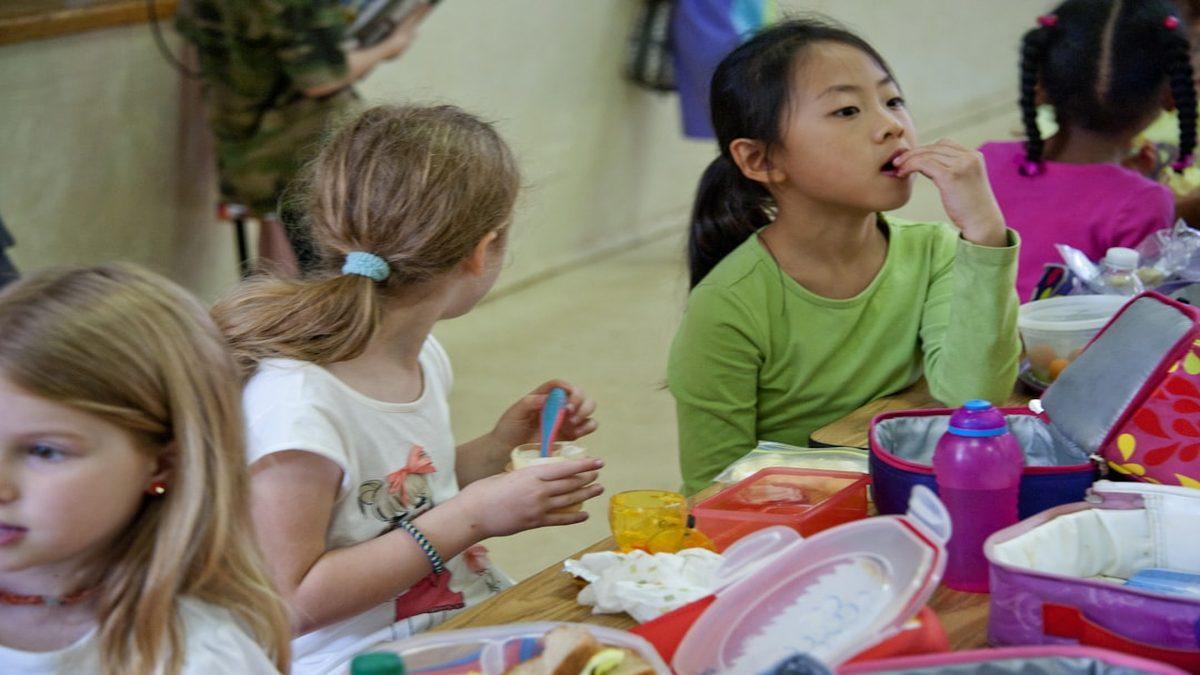
Why Plant-Forward Meals Kids Love Start With Simplicity
Children are wired to be cautious about new foods. Evolutionarily, this made sense—our ancestors needed to protect their young from potentially harmful plants. But in our modern world, this instinct can feel like a constant battle. The good news? Understanding this natural tendency helps us work with it rather than against it. When we simplify our approach and focus on whole foods in their most approachable forms, something shifts. According to nutrition research on childhood eating habits, repeated exposure without pressure is one of the most effective strategies for expanding a child's palate.
The Power of Familiar Shapes and Textures
Think about what children naturally gravitate toward: foods they can pick up, dip, and control. This is why finger foods work so beautifully for plant-forward eating. Carrot sticks with hummus, cucumber rounds, cherry tomatoes, snap peas—these aren't revolutionary ideas, but they work. The key is presentation and consistency. When whole vegetables appear on the table at every meal, they become ordinary rather than intimidating. I've found that serving vegetables alongside something a child already loves creates positive associations. A small bowl of roasted sweet potato wedges next to their favorite grain becomes just another part of dinner, not a challenge to overcome.
Building Meals Around What They Already Accept
Start where your child is, not where you wish they were. If pasta is a hit, that's your foundation. Whole grain noodles tossed with olive oil, a sprinkle of nutritional yeast, and finely diced roasted vegetables becomes a complete plant-forward meal without any battles. The same principle applies to rice bowls, simple soups, and even sandwiches. You're not trying to transform their entire diet overnight. You're gently expanding the circle of foods they trust, one meal at a time. This patient approach is what makes plant-forward meals kids can embrace actually sustainable for your whole family.
Creating an Atmosphere Where New Foods Feel Safe
The energy we bring to the table matters more than we often realize. When mealtime becomes a negotiation or a battle of wills, food itself becomes stressful. Children pick up on our anxiety about their eating habits, and that tension can actually reinforce picky eating patterns. Creating a calm, pressure-free environment is foundational to helping children develop a healthy relationship with whole foods. This doesn't mean being passive—it means being strategic about where we place our energy.
The Division of Responsibility That Actually Works
There's a framework that transformed our family meals: parents decide what's served and when, children decide whether and how much to eat. This simple boundary removes so much friction. When children know they won't be forced to eat anything, their defenses lower. They become curious instead of combative. You might be surprised how often a child who "hates" broccoli will eventually try it when there's no pressure attached. This approach, supported by Mayo Clinic's guidance on childhood nutrition, creates space for children to develop their own relationship with food.
Making the Table a Place of Connection
Beyond the food itself, what happens around the table shapes how children feel about eating. Conversation, laughter, and genuine connection make mealtimes something children look forward to rather than dread. When the focus shifts away from what's being eaten and toward who we're eating with, food becomes secondary. This is how our ancestors ate—communally, without anxiety about nutrients or portion sizes. They simply gathered around whatever whole foods were available and shared them together. That same spirit can transform your family meals into something nourishing for body and soul.
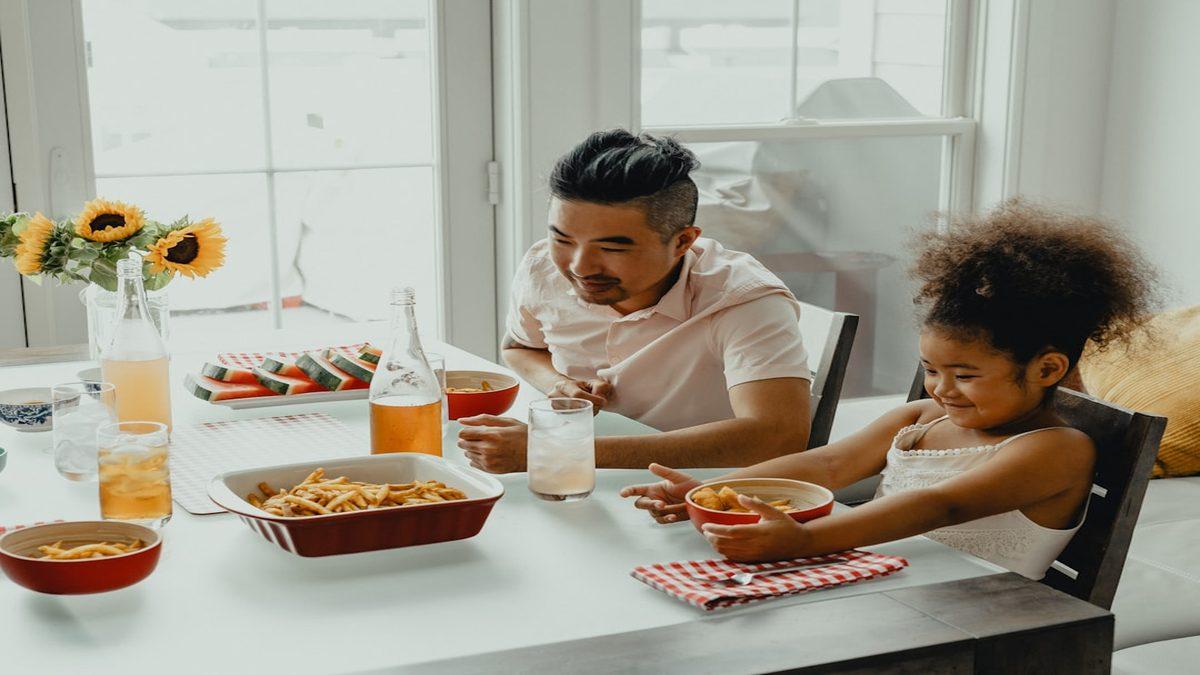
Practical Strategies for Everyday Success
Philosophy is important, but you also need practical tools. The day-to-day reality of feeding children involves time constraints, budget considerations, and the unpredictable nature of young appetites. What follows are strategies that work in real kitchens, with real children, on ordinary weeknights when everyone is tired and patience is thin. These approaches have been refined through countless family meals and shared by parents who've found their way to plant-forward eating without losing their minds.
Batch Cooking Components Instead of Complete Meals
Rather than preparing elaborate recipes, try cooking simple components that can be assembled in different ways throughout the week. A batch of cooked quinoa, a container of roasted chickpeas, some steamed vegetables, and a quick homemade sauce become the building blocks for multiple plant-forward meals kids can customize themselves. This approach gives children agency—they can choose what goes on their plate from the options available. It also reduces your daily cooking burden significantly. Sunday afternoon prep creates weeknight freedom, and children who help assemble their own bowls tend to eat more adventurously.
The Magic of Involving Little Hands
Children who participate in food preparation are more invested in eating what they've made. This doesn't require elaborate cooking projects—simple tasks like washing vegetables, tearing lettuce, or stirring a pot create connection and ownership. Even toddlers can help in age-appropriate ways. The sensory experience of handling whole foods—feeling the weight of a squash, smelling fresh herbs, watching beans transform as they cook—builds familiarity that translates to willingness at the table. For families wanting a structured approach to building these meals together, my Kids Plate Builder guide walks through this system step by step.
Plant-Forward Meals Kids Request Again and Again
Let's get specific about what actually works. These aren't elaborate recipes but rather simple meal frameworks that consistently win over young eaters. Each one centers on whole foods prepared simply, with enough flexibility to adapt to your family's preferences. The goal is creating plant-forward meals kids ask for by name, meals that become part of your regular rotation because everyone—adults and children alike—genuinely enjoys them.
Build-Your-Own Bowls and Plates
Set out small bowls of ingredients and let children construct their own meals. A grain base, several vegetable options, a protein like beans or lentils, and a simple dressing create endless possibilities. This works for taco bowls, rice bowls, and even breakfast bowls with oats, fruit, and seeds. The key is offering variety without requiring children to eat everything. They might start by choosing only rice and beans, but over time, they often add more components. The autonomy makes all the difference. Children who feel in control of their plates are far less likely to resist what's on them.
Dips, Spreads, and Things to Scoop
There's something about dipping that appeals to children across cultures and ages. Hummus with vegetable sticks, white bean dip with whole grain crackers, guacamole with sliced peppers—these simple combinations introduce plant-forward eating through play. The dip becomes the reward that makes vegetables worth trying. You can also serve grain-based dishes like quinoa or millet in small portions meant for scooping with lettuce leaves or whole grain flatbread. This interactive approach keeps children engaged and willing to experiment.
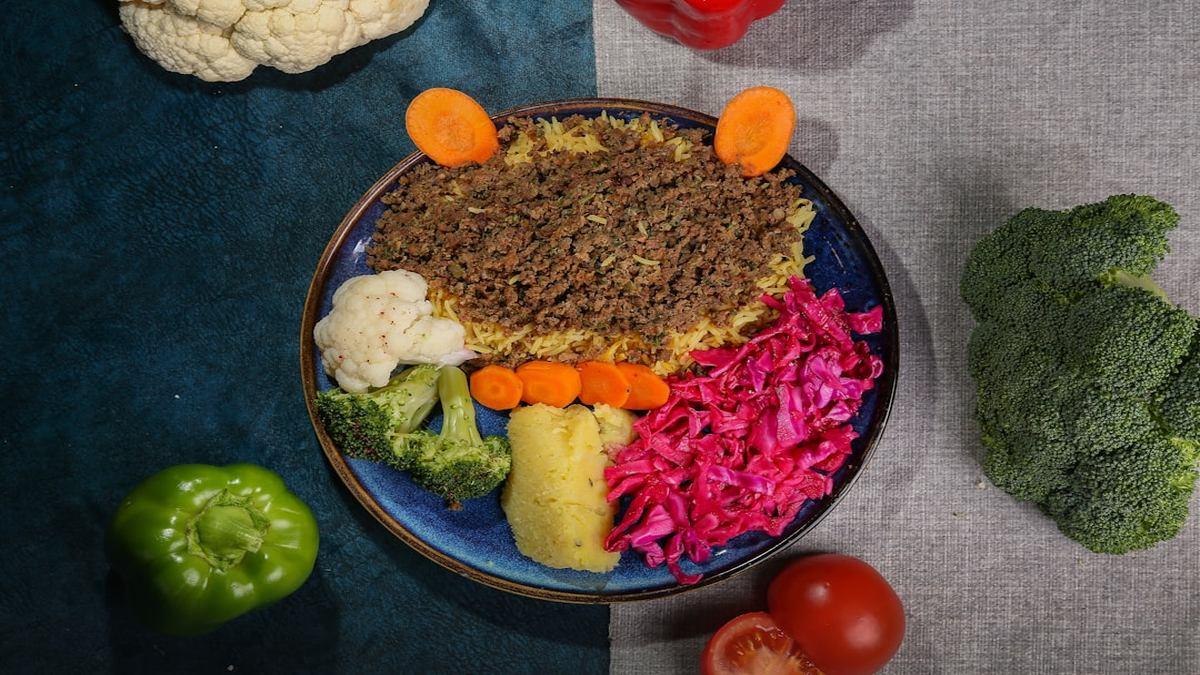
Frequently Asked Questions About Plant-Forward Meals Kids
How do I get my extremely picky eater to try plant-forward meals kids might actually enjoy?
Start by pairing one trusted food with one new element—no pressure to try the new item, just repeated exposure. Children often need to see a food fifteen to twenty times before they're willing to taste it. Keep portions of new foods tiny, and celebrate curiosity rather than consumption. Over time, the unfamiliar becomes familiar, and willingness follows naturally. Patience truly is the most important ingredient here.
Are plant-forward meals nutritionally complete for growing children?
When built around a variety of whole foods—grains, legumes, vegetables, fruits, nuts, and seeds—plant-forward eating provides excellent nutrition for children. Focus on including a good balance of energy-giving foods at each meal, and consult with your pediatrician about any specific concerns. The diversity of a whole-food approach often means children get a wider range of nutrients than they might from a more limited diet.
What if my partner or other family members aren't on board with plant-forward eating?
You don't need everyone eating identically for this approach to work. Simply increasing the plant foods on the table benefits everyone, even if other items are also served. Children learn by watching adults enjoy vegetables, so modeling enthusiasm matters. Over time, as family members see how simple and delicious this way of eating can be, resistance often fades naturally.
Feeding children well doesn't have to be complicated or contentious. Plant-forward meals kids genuinely enjoy are within reach for every family willing to approach the table with patience and simplicity. Remember that you're not just feeding growing bodies—you're helping shape a lifelong relationship with food. Each calm, pleasant meal builds trust. Each bite of a vegetable tasted without pressure creates positive associations. This is the work that matters, and it happens one ordinary dinner at a time.
Your Next Step
If you're ready to simplify how you feed your family, I've gathered everything that helps me create nourishing meals without the stress—simple guides, my favorite kitchen tools, and the complete system I use daily. You can find it all in my plant-forward kit. It's designed for real families who want real food without the overwhelm. Take what serves you and leave the rest.