7 Simple Plant-Forward Meals That Keep You Full Longer
Plant-forward meals that keep you full start with fiber, protein, and healthy fats. Discover 7 satisfying whole-food strategies. Start today.
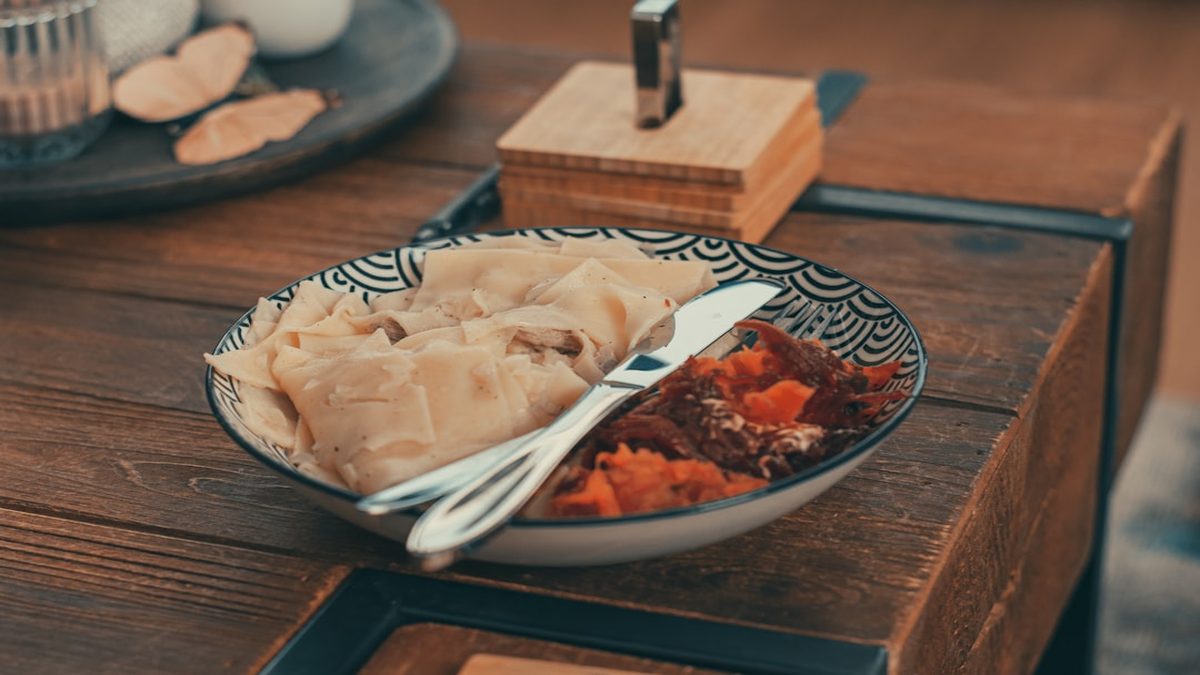
The secret to plant-forward meals that keep you full lies in three pillars: fiber, plant protein, and healthy fats working together on your plate. When you combine these elements in the right proportions, hunger stays quiet for hours without the heaviness or post-meal slump. If you've ever finished a salad only to find yourself rummaging through the pantry an hour later, you're not alone. That frustrating cycle often comes from meals that look healthy but lack the staying power your body actually needs. The good news? Building plant-forward meals that keep you full is simpler than you might think, and it doesn't require complicated recipes or expensive ingredients. It's about returning to the way humans have eaten for generations—whole foods, thoughtfully combined, that nourish deeply and satisfy completely.
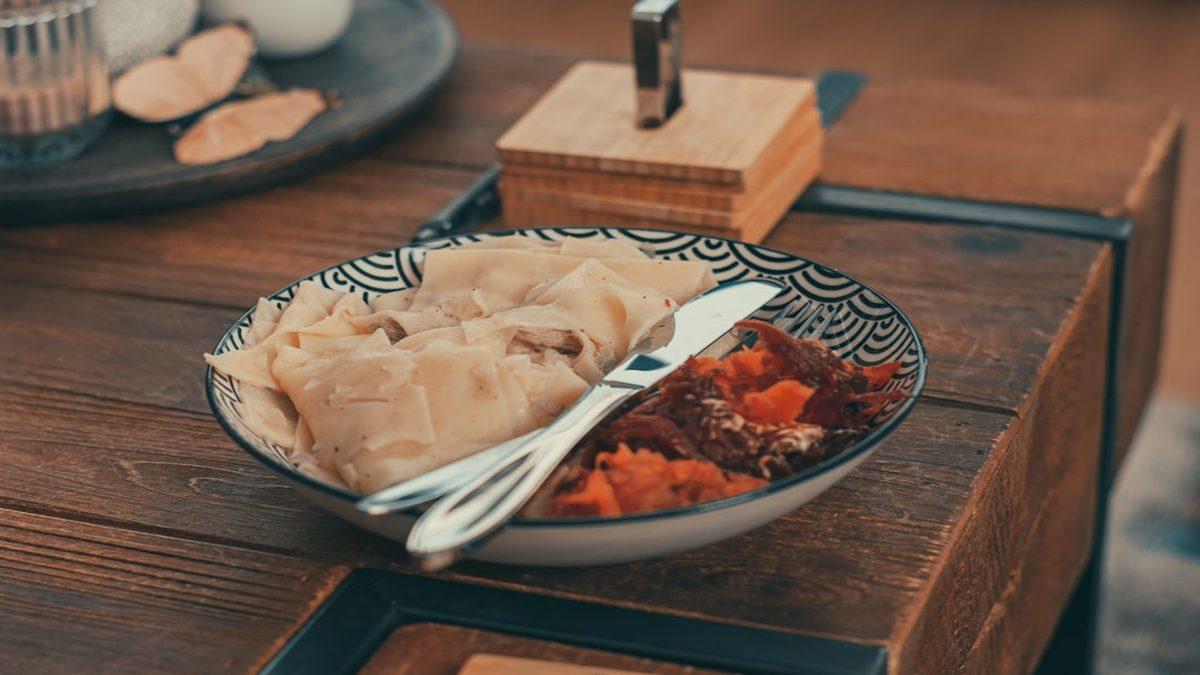
Understanding Why Plant-Forward Meals That Keep You Full Work
There's a reason our ancestors thrived on plant-rich diets without counting calories or obsessing over portion sizes. They ate foods that naturally told the body, "You're satisfied. You can stop now." Modern processed foods often bypass these satiety signals, leaving us perpetually hungry despite consuming plenty of calories. Plant-forward meals that keep you full tap into your body's ancient wisdom, providing the nutrients and textures that trigger genuine satisfaction.
The Science of Satiety in Whole Foods
Satiety—that comfortable feeling of fullness after eating—depends on multiple factors working together. According to Harvard Health research on eating and fullness, fiber plays a crucial role by slowing digestion and keeping food in your stomach longer. Plant foods naturally deliver this fiber in abundance. A cup of cooked lentils provides about 15 grams of fiber, while most processed foods offer almost none. This fiber creates bulk, stretches the stomach gently, and signals to your brain that you've eaten enough. Beyond fiber, the water content in whole vegetables and fruits adds volume without excess calories, contributing to that pleasantly full feeling.
Why Processed Alternatives Fall Short
Many people try plant-based eating by reaching for packaged veggie burgers, protein bars, and frozen convenience meals. While these can have a place occasionally, they rarely deliver the lasting satisfaction of whole-food alternatives. Processing strips away fiber, concentrates sugars, and often adds ingredients designed to make you crave more rather than feel content. When you build meals from recognizable whole ingredients—beans you've simmered, grains you've toasted, vegetables you've roasted—something shifts. Your body recognizes these as real food and responds accordingly. This isn't about perfection or never touching a convenience product again. It's about understanding why some meals leave you satisfied for hours while others have you snacking within ninety minutes.
The Three Pillars of Satisfying Plant-Based Plates
Building plant-forward meals that keep you full becomes almost automatic once you understand the three components that create lasting satisfaction. Think of them as teammates—each essential, but most powerful when working together. These pillars form the foundation of every truly filling plant-rich meal, whether you're making a quick weekday lunch or a leisurely weekend dinner.
Fiber: Your Fullness Foundation
Fiber is perhaps the most underrated element in modern eating. It comes exclusively from plant foods—vegetables, fruits, legumes, whole grains, nuts, and seeds. Fiber slows the movement of food through your digestive system, extending the release of nutrients and keeping blood sugar stable. This steady energy prevents the spikes and crashes that trigger hunger and cravings. Aim to include fiber-rich foods at every meal: leafy greens, root vegetables, beans, lentils, oats, or quinoa. The more variety, the better, since different types of fiber offer different benefits. Soluble fiber in oats and beans forms a gel-like substance that promotes fullness, while insoluble fiber in vegetables adds bulk and keeps digestion moving smoothly.
Plant Protein: Building Blocks That Satisfy
Protein takes longer to digest than carbohydrates, which naturally extends feelings of fullness. While animal products often get the protein spotlight, plants offer abundant options that our ancestors relied upon for millennia. Legumes—beans, lentils, chickpeas—deliver both protein and fiber in one package. Tofu, tempeh, and edamame provide complete protein with all essential amino acids. Nuts, seeds, and whole grains contribute additional protein that adds up throughout the day. According to Healthline's guide to plant protein sources, combining various plant proteins throughout the day easily meets nutritional needs. You don't need to stress about combining foods at each meal—variety over time is what matters.

Seven Whole-Food Strategies for Lasting Satisfaction
Now let's translate these principles into practical strategies you can use starting today. These approaches work with your life rather than against it, requiring no special equipment or hard-to-find ingredients. They're the same strategies I outline in my Instant Plate Builder guide—simple formulas that make satisfying meals almost automatic.
Strategy One: The Bean Base Method
Start with a generous portion of cooked beans or lentils as the foundation of your meal. This immediately establishes both protein and fiber, the two most satiating nutrients. Black beans with roasted vegetables, lentils stirred into grain bowls, white beans mashed onto toast with garlic and lemon—these combinations provide staying power that simpler carbohydrate-based meals can't match. Batch-cooking beans on the weekend means satisfying meals come together in minutes throughout the week. If you're new to cooking dried beans, canned varieties work perfectly well—just look for options without added sodium or rinse them before using.
Strategy Two: The Healthy Fat Finish
Adding healthy fats to your meals creates a sense of richness and satisfaction that fiber and protein alone sometimes miss. A drizzle of olive oil, a handful of walnuts, half an avocado, or a spoonful of tahini transforms a plain bowl of vegetables into something deeply satisfying. Fats slow digestion further, extend nutrient absorption, and provide the mouth-feel that makes meals feel complete. This doesn't mean drowning your food in oil—a tablespoon or two is often enough. The key is including some fat at most meals rather than trying to eliminate it entirely, which often backfires by leaving you hungry and unsatisfied.
Plant-Forward Meals That Keep You Full: Daily Templates
Having a simple framework makes plant-forward meals that keep you full achievable even on busy days. Rather than following rigid recipes, think in terms of templates you can adapt based on what's available, what sounds appealing, and what the season offers. These templates become second nature with practice, allowing you to build satisfying meals almost intuitively.
The Morning Bowl Template
Begin your day with staying power by combining whole grains, plant protein, healthy fat, and fiber-rich fruit. Oats topped with nut butter, hemp seeds, and berries check every box. Quinoa porridge with walnuts and sliced banana offers a savory-sweet alternative. The key is moving beyond simple carbohydrates like toast or cereal alone, which digest quickly and leave you hungry before lunch. Adding protein and fat to your morning meal extends satisfaction for hours, reducing the need for mid-morning snacking. This approach also stabilizes energy, avoiding the blood sugar rollercoaster that comes from carbohydrate-heavy breakfasts.
The Midday Abundance Bowl Template
Lunch is where plant-forward meals that keep you full really shine. Start with a base of leafy greens or whole grains. Add a generous scoop of legumes—chickpeas, black beans, or lentils. Include two or three different vegetables, ideally with varying colors and textures. Finish with a healthy fat source: avocado, seeds, nuts, or an olive-oil-based dressing. This template creates volume, variety, and all three satiety pillars in a single bowl. Preparing components in advance makes assembly quick—pre-washed greens, cooked grains, drained beans, and chopped vegetables come together in under five minutes.

Frequently Asked Questions About Plant-Forward Meals That Keep You Full
How much protein do I actually need in plant-forward meals that keep you full?
Most adults need between 0.8 and 1 gram of protein per kilogram of body weight daily. On a plant-forward approach, this is easily achieved by including legumes, tofu, tempeh, nuts, or seeds at most meals. You don't need to obsess over numbers—focusing on variety and including protein-rich plants at each meal naturally meets most people's needs. The combination of different plant proteins throughout the day provides all essential amino acids without requiring complicated food combining at every meal.
What if I still feel hungry after eating a fiber-rich meal?
Sometimes hunger persists because your body is adjusting to more fiber, which can take a few weeks. Ensure you're including enough healthy fats and protein alongside fiber-rich vegetables. Also consider whether you're eating enough overall volume—plant foods are often less calorie-dense, meaning you may need larger portions than you're used to. Drinking water with meals helps fiber do its job properly, so adequate hydration matters too. Give your body time to adapt, and don't be afraid to eat until you feel genuinely satisfied.
Can plant-forward meals that keep you full work for families with children?
Absolutely. Children thrive on the same whole-food principles, though presentation sometimes matters more. Bean-based pasta sauces, lentil soups, vegetable-rich grain bowls, and fruit with nut butter all appeal to younger eaters while providing lasting energy for active bodies. The Kids Plate Builder applies these same simple formulas specifically for families, making it easier to build satisfying meals everyone enjoys without short-order cooking or constant negotiations.
Plant-forward meals that keep you full aren't about restriction, willpower, or complicated planning. They're about returning to a simpler way of eating—the kind of nourishment humans relied on long before packaged foods and diet trends confused our relationship with food. When you build your plates from whole foods that naturally satisfy, eating becomes intuitive again. Hunger becomes a gentle signal rather than an urgent demand. And meals become something to enjoy rather than calculate. This is the ease that comes from working with your body's design rather than against it—one simple plate at a time.
Your Next Step
If you're ready to make plant-forward meals that keep you full a natural part of your everyday routine, I've gathered everything I use—simple guides, meal formulas, and kitchen essentials—in one place. Visit my plant-forward kit to explore what works and start building meals that truly satisfy, without the overwhelm.