7 Simple Plant-Based Prep Tools That Save Real Time
Plant-based prep tools that actually speed up cooking. These 7 kitchen essentials make whole-food meals effortless. Start today.
The right plant-based prep tools cut your cooking time in half and make whole-food eating feel genuinely easy. That's the direct answer—you don't need a complete kitchen overhaul, just a handful of intentional tools that actually work with vegetables, grains, legumes, and all the beautiful whole foods our ancestors thrived on. If you've ever stood in your kitchen feeling overwhelmed by a pile of produce, wondering why plant-forward eating feels so time-consuming, the secret isn't trying harder. It's working smarter with equipment designed for the way you actually want to cook. These seven plant-based prep tools transformed my own kitchen from a place of stress into a space where nourishing meals come together in minutes, not hours. Let me walk you through each one, sharing what I've learned from years of experimenting, failing, and finally finding what genuinely works.
Essential Plant-Based Prep Tools for Everyday Cooking
When people ask me about building a plant-forward kitchen, I always start with the basics. Not the fancy gadgets that collect dust, but the workhorses that earn their counter space every single day. According to Harvard Health, plant-based eating patterns consistently support overall wellbeing—and making that lifestyle sustainable starts with having the right tools within arm's reach.
A Sharp, Quality Chef's Knife
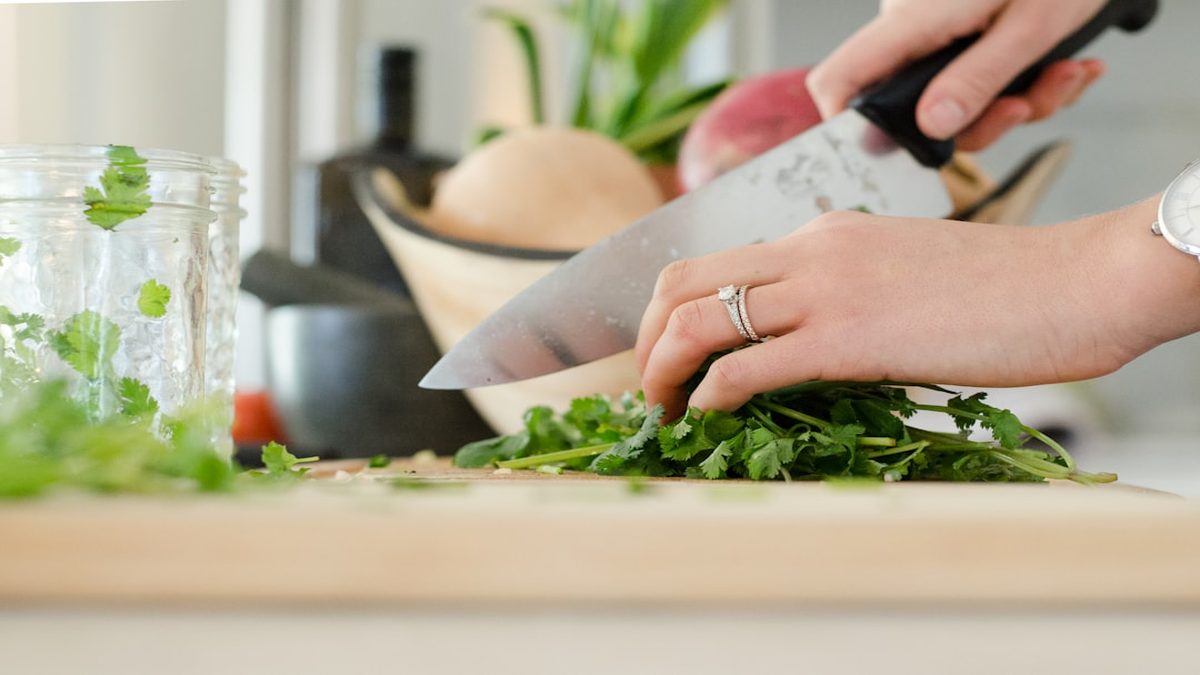
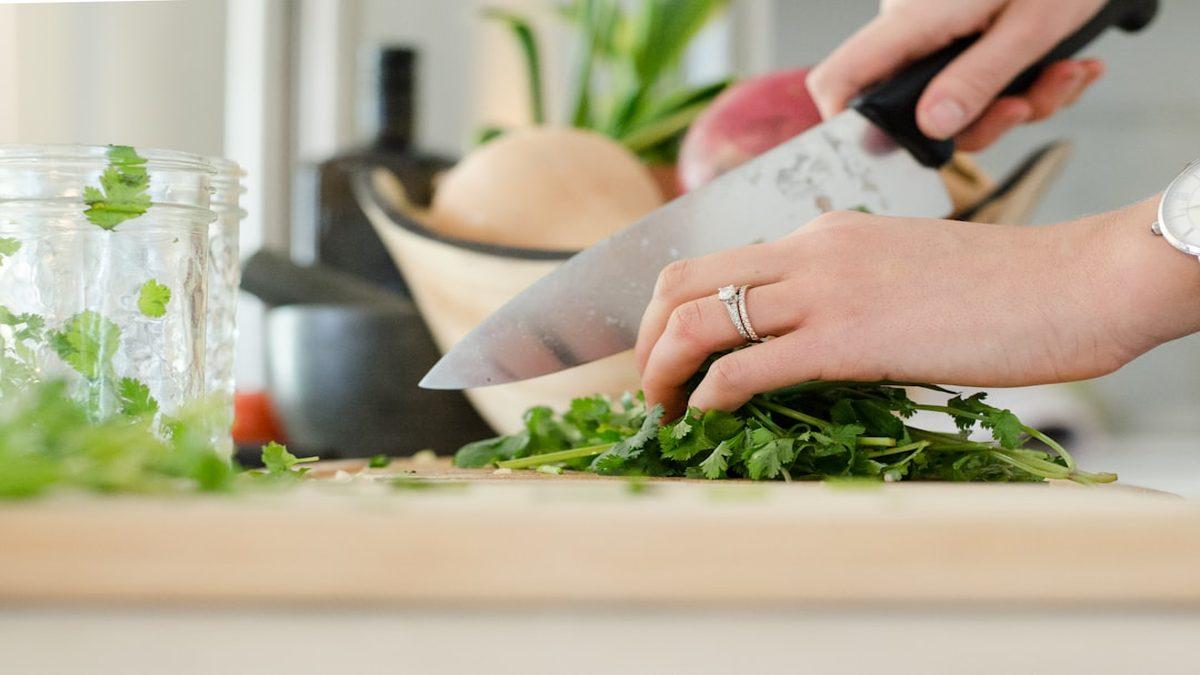
Nothing—and I mean nothing—slows down plant-forward cooking more than a dull knife. When you're working with dense root vegetables, delicate leafy greens, and everything in between, a sharp blade makes the difference between enjoyable prep and dreaded chopping sessions. Invest in one quality chef's knife rather than a whole block of mediocre ones. Keep it honed regularly with a simple sharpening steel. The confidence that comes from clean, effortless cuts transforms how you approach meal prep entirely. You'll actually look forward to slicing that butternut squash or dicing those onions because the tool works with you, not against you.
Large Wooden Cutting Board
Size matters here. A tiny cutting board means constantly moving chopped vegetables aside to make room for more, which adds frustrating minutes to every meal. A generous wooden board—at least eighteen inches across—gives you space to work freely. Wood is gentler on your knife edge than plastic or glass, and there's something grounding about working on a natural surface. Our grandparents and their grandparents prepared food this way, and that connection to traditional cooking methods feels meaningful in our modern kitchens.
Time-Saving Equipment for Batch Cooking
The real magic of plant-forward living happens when you embrace batch cooking. Preparing grains, beans, and vegetable components in larger quantities means assembly-style meals throughout the week. The right equipment makes batch cooking feel like a small Sunday ritual rather than an exhausting production.
A Reliable High-Speed Blender
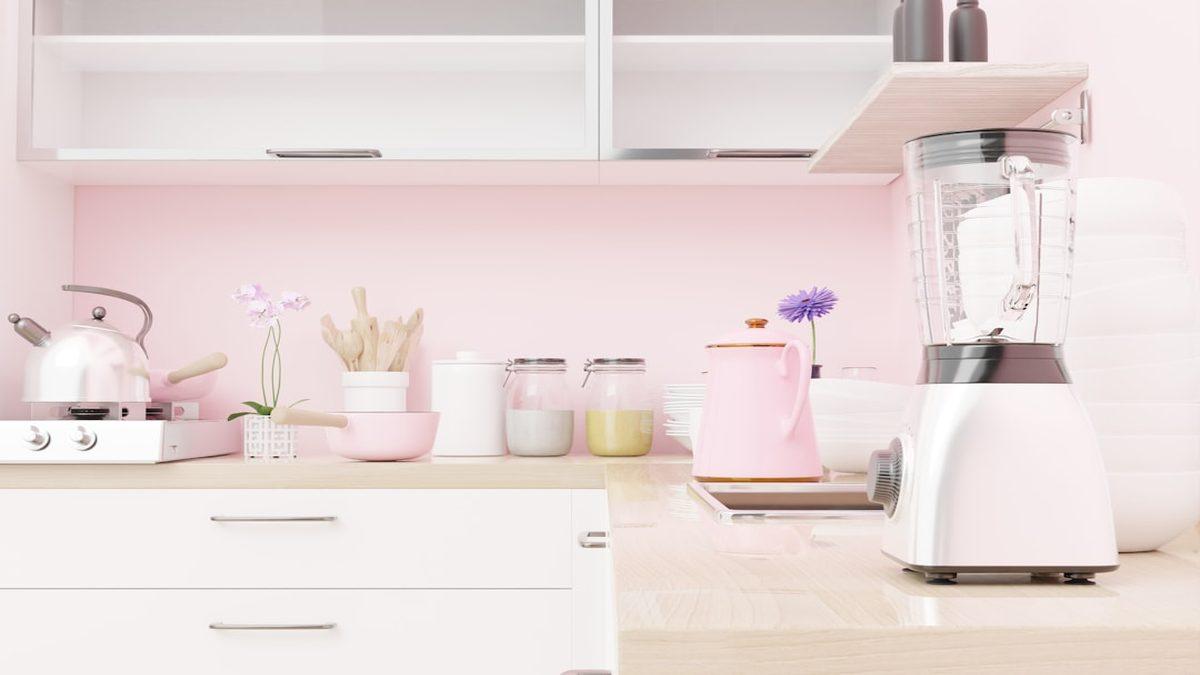
Among all plant-based prep tools, a powerful blender might be the most transformative. It's not just for smoothies—though those become impossibly creamy and quick. A high-speed blender creates silky soups from whole vegetables in minutes, grinds oats into flour for wholesome baking, whips cashews into instant cream sauces, and pulverizes dates into natural sweeteners. Look for one with enough power to handle frozen fruit and fibrous vegetables without struggle. This single investment replaces multiple appliances and opens up recipes that would otherwise require extensive manual work or expensive store-bought alternatives.
Programmable Pressure Cooker
Dried beans and whole grains are the affordable backbone of plant-forward eating, but they traditionally require hours of soaking and simmering. A programmable pressure cooker changes everything. Dried chickpeas go from hard as pebbles to perfectly tender in under an hour with no pre-soaking. Brown rice cooks hands-free while you handle other tasks. Steel-cut oats become creamy breakfast porridge in minutes. The set-it-and-forget-it nature of these devices means you can have wholesome staples ready without babysitting pots on the stove.
Whole-Food Storage Solutions That Actually Work
Great plant-based prep tools extend beyond cooking into storage. Food waste is the enemy of sustainable eating—nothing discourages healthy habits faster than throwing away wilted produce or dried-out grains. The way you store prepped ingredients determines whether they become tomorrow's easy meal or next week's compost contribution.
Glass Containers with Airtight Lids
Plastic containers absorb odors, stain easily, and often warp over time. Glass containers maintain their clarity and cleanliness indefinitely. They move seamlessly from refrigerator to oven for reheating, which plastic cannot do. Choose a nesting set with matching lids so storage stays organized rather than becoming a frustrating puzzle. When your prepped vegetables, cooked grains, and ready-to-eat components are visible in clear containers, you're far more likely to use them before they spoil. This visibility factor alone has saved countless meals in my kitchen.
Produce Storage Containers with Ventilation
Fresh produce has specific humidity and airflow needs that standard containers don't address. Specialized produce storage with built-in ventilation and humidity control extends the life of berries, leafy greens, and delicate herbs dramatically. Instead of watching that beautiful farmers market lettuce turn slimy within days, you'll enjoy it crisp and vibrant for over a week. These containers represent a small investment that pays for itself quickly in reduced food waste and fewer emergency grocery runs.
Quick Plant-Based Prep Tools for Daily Meals
Beyond the foundational equipment, certain smaller tools earn their place by shaving minutes off daily cooking. These aren't essential for survival, but they make the difference between plant-forward eating feeling like a sustainable lifestyle and feeling like constant effort.
Quality Vegetable Peeler and Spiralizer
A sharp Y-style peeler handles everything from carrots to tough-skinned sweet potatoes with minimal effort. For variety without complexity, a handheld spiralizer transforms zucchini, beets, and other vegetables into noodle-like strands in seconds. Mayo Clinic research emphasizes eating a variety of colorful vegetables, and spiralizing makes that variety feel exciting rather than repetitive. Zucchini noodles tossed with homemade pesto become a ten-minute dinner. Spiralized beets add visual drama to any salad. These simple tools expand your vegetable possibilities without requiring culinary expertise.
Mandoline Slicer for Uniform Cuts
When you need consistent, thin slices—for homemade vegetable chips, gratins, or beautiful salads—a mandoline slicer delivers precision that knife skills alone cannot match. Uniformly sliced vegetables cook evenly, which matters enormously for roasting and sautéing. They also look more appetizing, which sounds superficial but genuinely affects how satisfying plant-forward meals feel. Use the safety guard religiously, and this tool becomes an indispensable part of your prep routine.
Frequently Asked Questions About Plant-Based Prep Tools
What are the most important plant-based prep tools for beginners?
Start with three essentials: a sharp chef's knife, a large cutting board, and a high-speed blender. These three tools handle the vast majority of plant-forward cooking tasks. As you settle into your routine and identify what you cook most often, you can add specialized equipment. But many home cooks find these foundational pieces serve them beautifully for years without needing much else. The Instant Plate Builder approach works perfectly with just these basics.
Do expensive kitchen tools really make plant-based cooking faster?
Quality matters more than price tags. A mid-range knife that you sharpen regularly outperforms an expensive one that sits dull in a drawer. That said, certain investments—like a truly powerful blender—justify their cost through daily use and versatility. Focus your budget on the items you'll use constantly, and choose simpler versions of tools you'll use occasionally. The goal is efficiency, not collecting equipment.
How do I organize my kitchen for faster plant-based prep?
Keep your most-used plant-based prep tools within immediate reach—not buried in cabinets. Store your cutting board and knife where you can grab them instantly. Position your blender on the counter if space allows. Organize your pantry so grains, beans, and dried goods are visible and accessible. When healthy ingredients and the tools to prepare them require zero hunting, you eliminate the mental friction that makes cooking feel like a chore.
Building a kitchen that supports plant-forward living isn't about perfection or having everything at once. It's about thoughtfully choosing plant-based prep tools that match how you actually want to eat—whole foods, prepared simply, enjoyed fully. Each tool I've shared earned its place in my kitchen through real daily use, not aspirational ideas about who I might become. Start with what resonates, add slowly as your cooking evolves, and trust that the right equipment makes nourishing yourself feel less like work and more like coming home to yourself.
Your Next Step
If you're ready to simplify your plant-forward kitchen even further, I've gathered everything I personally use and recommend in one place. From meal-building guides like the Instant Plate Builder to my favorite resources for whole-food living, you'll find it all waiting in my plant-forward kit. No overwhelm, no endless searching—just the tools and templates that actually make this lifestyle stick. One plate at a time, you've got this.