7 Plant-Based Pantry Staples That Save Money Easily
Plant-based pantry staples that save money make healthy eating affordable and simple. Stock up on these budget-friendly essentials. Start today.
There's a quiet kind of relief that comes from opening your pantry and knowing exactly what to cook. No scrambling, no last-minute takeout orders, no staring blankly at half-empty shelves. When you stock your kitchen with plant-based pantry staples that save money, you create something more than just a collection of ingredients — you create peace of mind. You create the foundation for nourishing meals that come together quickly, taste genuinely good, and keep your grocery budget firmly in check. Whether you're feeding just yourself or a whole household, these affordable essentials become the backbone of simple, satisfying eating. And the best part? Once you know what to keep on hand, meal planning practically takes care of itself.
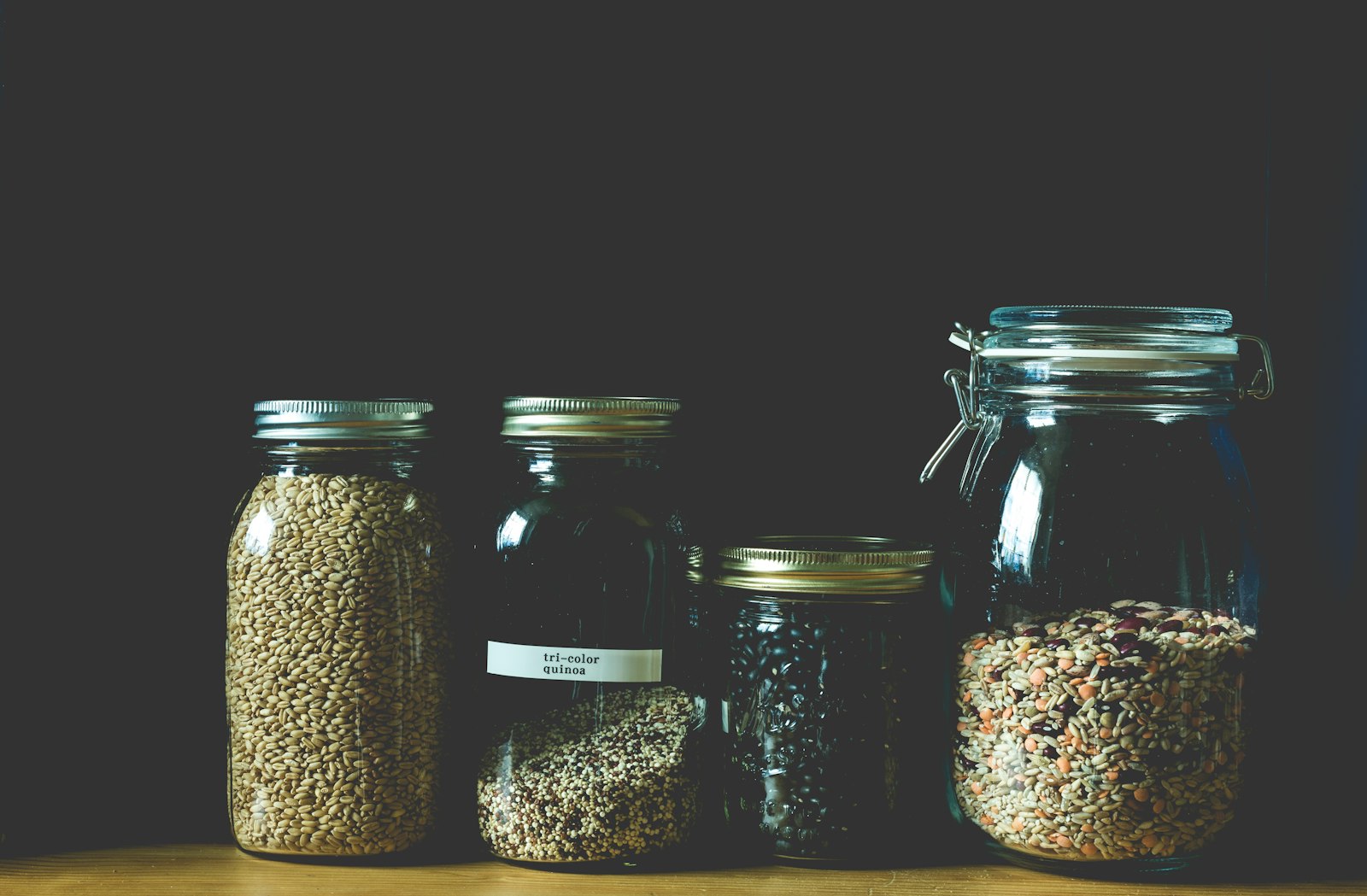
Photo by Steven Ungermann on Unsplash
Why Plant-Based Pantry Staples That Save Money Matter for Your Kitchen
Building a well-stocked pantry isn't about buying everything at once or following complicated lists. It's about understanding which ingredients give you the most versatility, nutrition, and value for every dollar spent. Plant-forward eating gets an unfair reputation for being expensive, but the truth is quite the opposite when you focus on whole food staples rather than processed alternatives.
According to research from Harvard's T.H. Chan School of Public Health, plant-based diets built around legumes, whole grains, and seasonal produce can be significantly more affordable than diets centered on animal proteins. The key lies in knowing which items to prioritize and how to use them creatively throughout the week.
The Real Cost of Convenience Foods
Pre-packaged meals and specialty health foods often carry steep markups that drain your grocery budget without delivering lasting satisfaction. A single box of frozen plant-based meals might cost as much as an entire bag of dried lentils that yields ten times more servings. When you shift your focus toward whole food staples, you're not just saving money — you're gaining control over what goes into your body and onto your family's plates. Simple ingredients become the canvas for countless meals, from hearty soups to quick grain bowls to satisfying stir-fries.
Shelf Stability Means Less Waste
One of the hidden benefits of stocking plant-based pantry staples that save money is their impressive shelf life. Dried beans, whole grains, nuts, seeds, and many other foundational ingredients last months or even years when stored properly. This means fewer emergency grocery runs, less food thrown away due to spoilage, and more flexibility in your weekly meal planning. You can shop sales strategically, buy in bulk when prices drop, and always have the building blocks for a nourishing meal ready and waiting.
The Essential Seven: Your Budget-Friendly Foundation
Not all pantry items are created equal. Some ingredients punch well above their weight in terms of nutritional value, culinary versatility, and cost-effectiveness. These seven categories form the core of a truly functional plant-forward kitchen, and mastering them opens up endless possibilities for simple, delicious meals.
Dried Legumes: The Ultimate Protein Powerhouse
Lentils, black beans, chickpeas, and split peas deliver remarkable protein and fiber at a fraction of the cost of meat. A one-pound bag of dried lentils typically costs around two dollars and provides roughly twelve servings of protein-rich goodness. Unlike canned versions, dried legumes let you control sodium levels and texture. Red lentils cook in just fifteen minutes without soaking, making them perfect for quick weeknight dinners. Black beans become the star of tacos, grain bowls, and hearty stews. Chickpeas transform into creamy hummus, crispy roasted snacks, or satisfying curry additions.
Whole Grains: Affordable Energy That Lasts
Brown rice, oats, quinoa, and barley provide sustained energy and essential nutrients while costing mere pennies per serving. A large container of rolled oats might run three dollars and supply breakfast for an entire month. Whole grains also cook in big batches and refrigerate beautifully, so one session of meal prep yields multiple ready-to-eat portions. Quinoa works equally well in morning porridge or evening salads. Brown rice becomes the perfect base for stir-fries, burrito bowls, or simple seasoned side dishes.
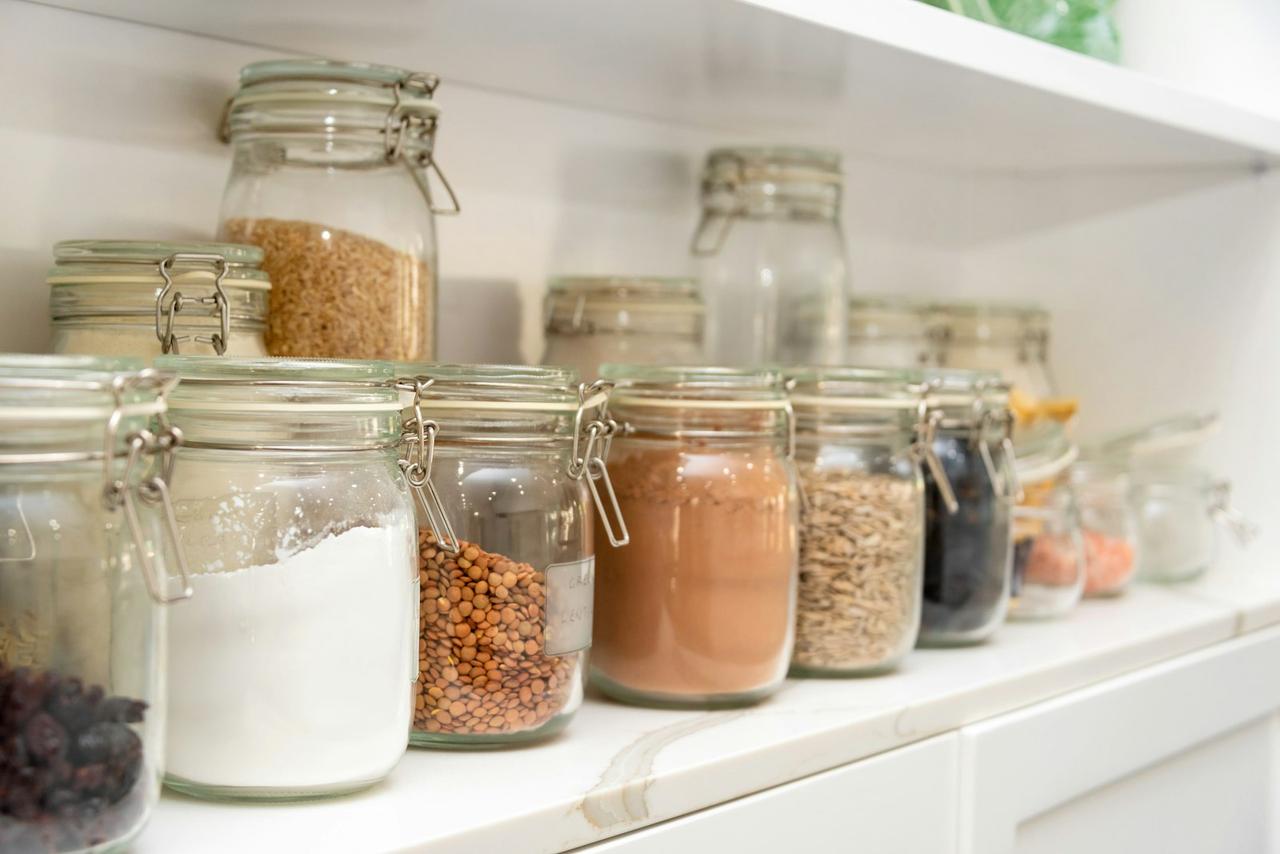
Photo by Jas Min on Unsplash
Smart Storage Strategies for Maximum Savings
Knowing which items to stock is only half the equation. How you store your plant-based pantry staples that save money determines whether they maintain quality for months or deteriorate within weeks. Proper storage also helps you see exactly what you have on hand, reducing duplicate purchases and ensuring nothing gets forgotten in the back of a cabinet.
Airtight Containers Make All the Difference
Transferring dried goods from their original packaging into clear, airtight containers serves multiple purposes. Glass jars or sturdy plastic containers protect against moisture, pests, and staleness while making inventory checks effortless. When you can see your supply of rice, lentils, and oats at a glance, you're less likely to overbuy or run out unexpectedly. This visibility also inspires creativity — spotting a jar of chickpeas beside quinoa might spark the idea for a Mediterranean-inspired grain bowl you hadn't planned.
Buying in Bulk Without Overwhelm
Bulk bins at natural food stores and wholesale clubs offer substantial savings on pantry essentials, but only if you can use what you buy before quality declines. Start with modest amounts of unfamiliar ingredients to test whether your household will actually eat them. Once you identify favorites, scale up your purchases during sales. Many fiber-rich foods recommended by Mayo Clinic, including oats, beans, and whole grains, store beautifully for extended periods, making bulk buying a genuinely smart financial move.
Building Complete Meals From Your Staples
A pantry full of affordable ingredients means nothing if you don't know how to combine them into satisfying meals. The magic happens when you understand basic formulas that work across cuisines and seasons. With a handful of dried goods and some simple fresh additions, dinner comes together in minutes rather than hours.
The Simple Bowl Formula
Almost any grain plus any legume plus vegetables plus a flavorful sauce equals a complete, balanced meal. Brown rice with black beans, roasted sweet potato, and avocado crema. Quinoa with chickpeas, cucumber, tomatoes, and tahini dressing. Barley with white beans, sautéed greens, and lemon-herb vinaigrette. This flexible framework means you're never truly stuck, even when the refrigerator looks sparse. The combinations are genuinely endless, and each version feels different enough to prevent meal fatigue.
Soup and Stew Simplicity
Few dishes stretch plant-based pantry staples that save money further than a big pot of soup or stew. Split pea soup requires little more than dried peas, onion, carrot, and vegetable broth. Lentil stew becomes deeply satisfying with canned tomatoes, warming spices, and whatever vegetables need using up. These meals improve with time, making them ideal for batch cooking sessions. One Sunday afternoon of simmering yields lunches and dinners for half the week, all for just a few dollars total.
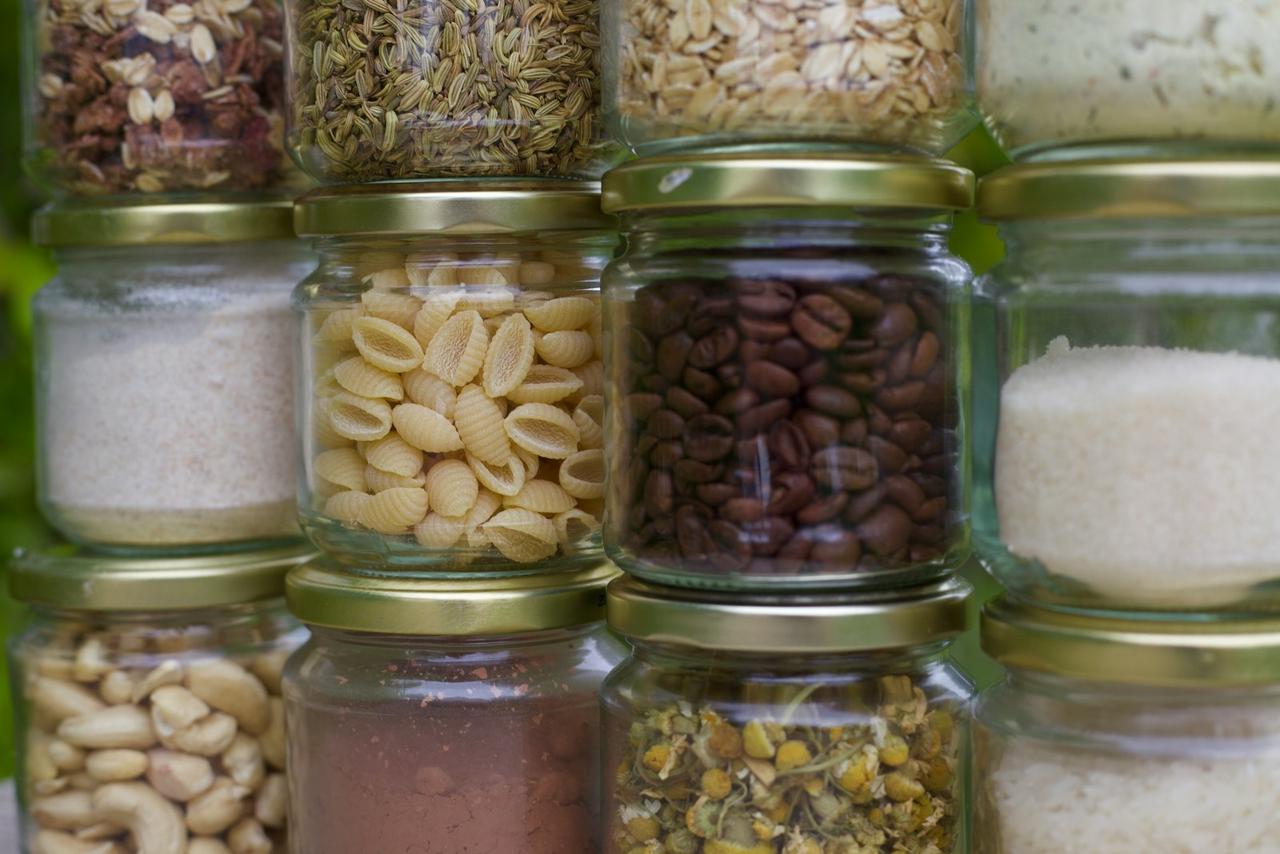
Photo by Clay Banks on Unsplash
Frequently Asked Questions About Plant-Based Pantry Staples That Save Money
How Much Can I Really Save By Switching to Plant-Based Pantry Staples?
Most families report saving between twenty and thirty percent on their grocery bills when they shift toward whole food plant-based staples and away from processed foods and expensive proteins. The exact savings depend on your current eating habits and local food prices, but the reduction is often noticeable within the first month. Dried beans cost roughly ten times less per serving than meat, and whole grains are among the most affordable calories available at any supermarket.
Do I Need Special Equipment to Cook With These Ingredients?
Basic kitchen tools work perfectly well for preparing plant-based pantry staples that save money. A good pot, a sharp knife, and a cutting board handle ninety percent of the cooking involved. A slow cooker or Instant Pot can make bean cooking more convenient but isn't essential. Many people find that simplifying their ingredient list actually reduces the need for specialized gadgets, since whole foods require less processing than complicated recipes.
How Do I Get My Family On Board With These Changes?
Gradual transitions work better than dramatic overhauls for most households. Start by incorporating one or two new staples into familiar dishes — black beans in tacos, lentils in pasta sauce, oats in baked goods. As everyone adjusts to these additions, you can slowly expand the rotation. Children especially tend to accept new foods more readily when they're introduced alongside favorites rather than as complete replacements.
Stocking your kitchen with plant-based pantry staples that save money isn't about perfection or rigid rules. It's about building a foundation that supports your health, your budget, and your sanity all at once. When your pantry works for you rather than against you, cooking becomes less of a chore and more of a genuine pleasure. Every meal doesn't need to be elaborate — sometimes a simple bowl of grains, beans, and whatever vegetables you have on hand is exactly enough. The consistency of nourishing yourself well, one plate at a time, creates ripples that extend far beyond the kitchen.
Your Next Step
Ready to turn those pantry staples into effortless, balanced meals without overthinking every decision? The Instant Plate Builder gives you a simple formula for combining your budget-friendly ingredients into satisfying plant-forward plates in minutes. And if you're feeding little ones too, the Kids Plate Builder adapts the same straightforward system for children's portions and preferences. Because nourishing your family well doesn't require complicated recipes or expensive specialty items — just a well-stocked pantry and a clear, simple approach.