7 Plant-Based Pantry Staples for Effortless Healthy Eating
Plant-based pantry staples make wholesome meals simple. Stock these 7 essentials for effortless healthy eating every day. Start today.
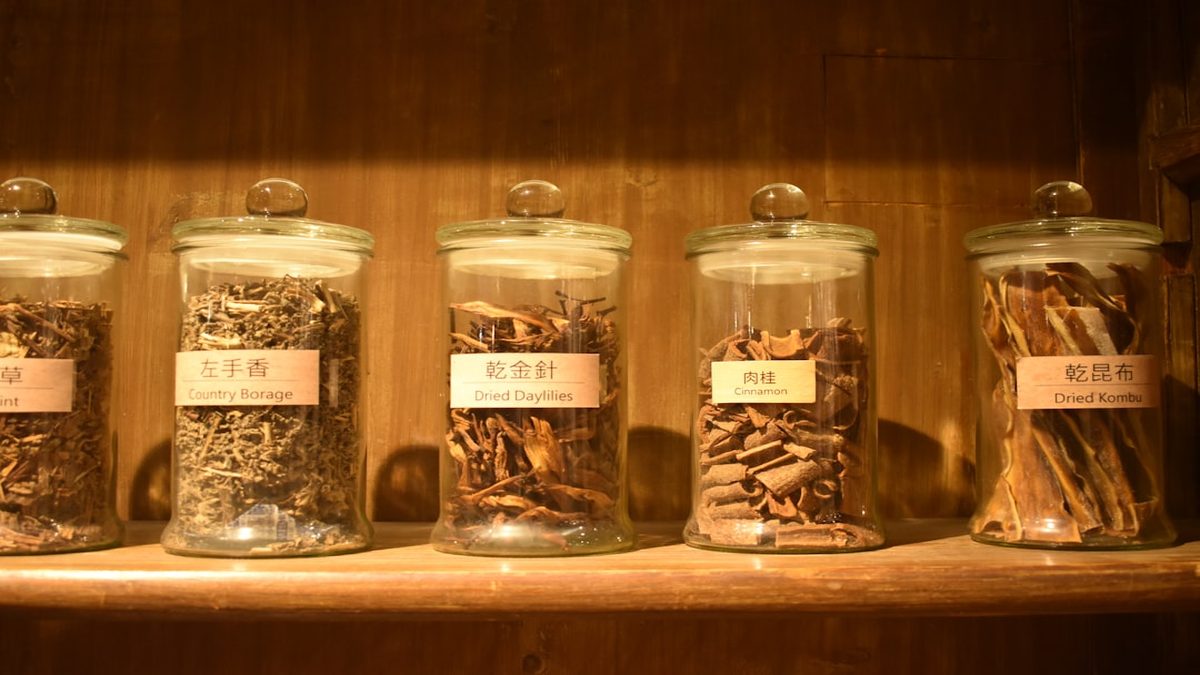
The secret to eating well consistently comes down to what you already have on hand. When your shelves hold the right plant-based pantry staples, a nourishing meal is always within reach—no elaborate shopping trips, no decision fatigue, no willpower required. This is how our grandparents ate: simple ingredients, thoughtfully stored, ready to become something beautiful. If you've ever stood in your kitchen wondering what to make, only to reach for something processed because it was easy, you understand the problem. The solution isn't more discipline—it's better preparation. With these seven foundational plant-based pantry staples, healthy eating becomes the path of least resistance, and wholesome meals practically assemble themselves.

Why Plant-Based Pantry Staples Transform Your Daily Eating
There's a reason traditional kitchens around the world share certain common threads. From Mediterranean households with their jars of olive oil and dried legumes to Asian pantries stocked with miso and whole grains, the wisdom is universal: keep simple, whole ingredients close, and good food follows naturally. This isn't about restriction or following rigid rules. It's about creating an environment where the easiest choice is also the healthiest one.
When your cupboards overflow with processed options, reaching for them becomes automatic. But when you thoughtfully curate your space with whole-food ingredients, something shifts. Cooking becomes intuitive rather than exhausting. According to Harvard Health's research on plant-based eating, having accessible whole foods significantly increases the likelihood of consuming them regularly. Your environment shapes your habits more than motivation ever could.
The Psychology of a Well-Stocked Kitchen
Think about the last time you were too tired to cook. What did you reach for? Most of us default to whatever requires the least effort. This isn't weakness—it's human nature. By stocking plant-based pantry staples that require minimal preparation, you work with your natural tendencies instead of against them. A can of chickpeas becomes a quick curry. Rolled oats transform into overnight breakfast. Dried lentils simmer into soup while you handle other things. The goal is removing friction between you and nourishment.
Building Habits That Actually Last
Sustainable eating isn't about dramatic overhauls or expensive superfoods. It's about small, consistent choices that compound over time. When plant-based pantry staples form your foundation, you stop relying on willpower and start relying on systems. Your kitchen becomes a place that supports your intentions rather than sabotaging them. This quiet transformation—shelves filled with beans, grains, nuts, and seeds—creates a daily rhythm that feels natural rather than forced.
The Essential Seven: Your Whole-Food Foundation
Not all pantry items deserve space on your shelves. The best plant-based pantry staples share certain qualities: they're versatile enough to work in multiple dishes, they store well without losing nutritional value, and they provide genuine nourishment rather than empty calories. These seven categories cover the bases for countless meals, from quick weeknight dinners to leisurely weekend cooking.
Legumes: The Protein Powerhouse
Dried and canned beans, lentils, and chickpeas form the backbone of plant-forward eating. They're incredibly affordable, shelf-stable for months or years, and provide protein, fiber, and minerals that support sustained energy. Keep several varieties on hand: black beans for Mexican-inspired bowls, white beans for creamy Italian soups, red lentils for quick-cooking dal, and chickpeas for everything from hummus to roasted snacks. The beauty of legumes lies in their adaptability—they absorb whatever flavors you introduce while providing satisfying substance.
Whole Grains: Ancient Nourishment
Brown rice, quinoa, oats, farro, and barley connect us to thousands of years of human nourishment. Unlike refined grains stripped of their fiber and nutrients, whole grains provide slow-burning energy that keeps you satisfied between meals. Oats make morning simple—whether cooked into porridge or soaked overnight. Quinoa cooks quickly for grain bowls. Brown rice serves as a neutral base for stir-fries and curries. Having three or four whole grain options ensures you'll never tire of the same textures and flavors.
Flavor Builders That Make Simple Food Sing
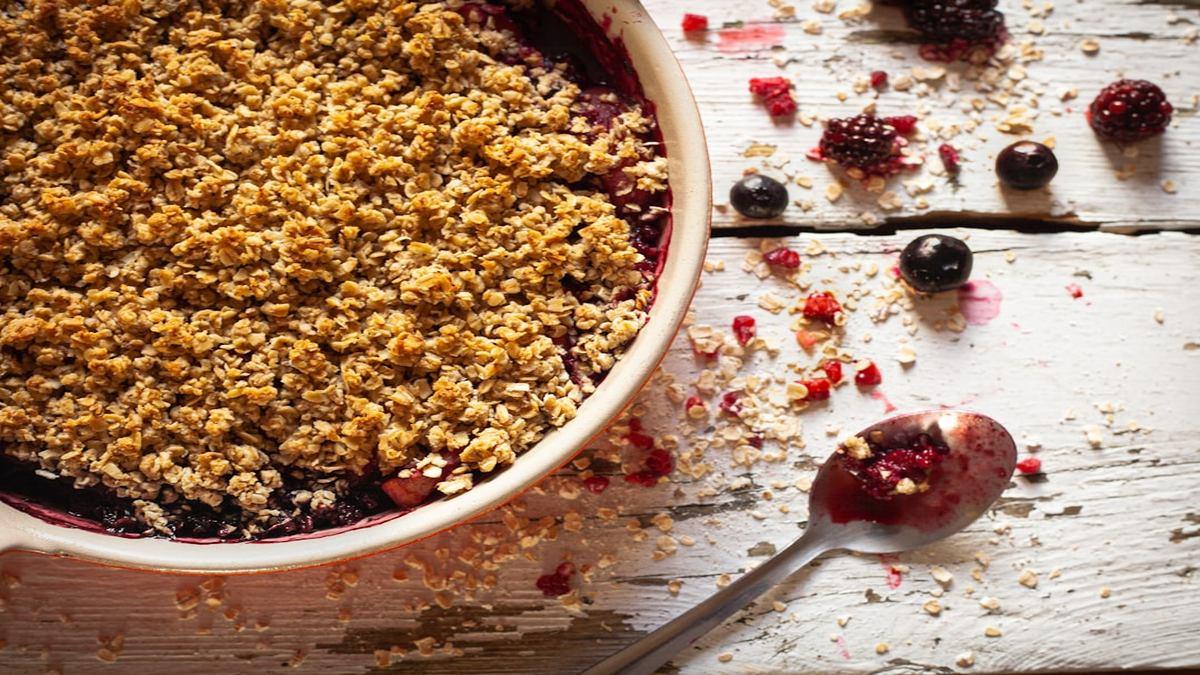
Whole-food eating sometimes gets an unfair reputation for blandness. This couldn't be further from the truth when your plant-based pantry staples include the right flavor builders. Traditional cuisines have always understood that simple ingredients need bold seasoning, and your pantry should reflect this wisdom. The difference between forgettable and crave-worthy often comes down to what you add in the final moments of cooking.
Nuts, Seeds, and Their Butters
Almonds, walnuts, sunflower seeds, tahini, and natural nut butters add richness, healthy fats, and satisfying crunch to meals that might otherwise feel incomplete. A sprinkle of toasted seeds elevates a simple salad. A spoonful of tahini transforms steamed vegetables into something special. Mayo Clinic's nutrition guidelines highlight how nuts and seeds provide essential fatty acids that support heart and brain health. Keep these staples in your refrigerator or freezer if you buy in bulk, as their oils can go rancid at room temperature over time.
Vinegars, Oils, and Fermented Friends
Quality olive oil, toasted sesame oil, apple cider vinegar, balsamic vinegar, tamari or coconut aminos, and miso paste might seem like extras, but they're actually essentials. These ingredients provide the acid, fat, and umami depth that make plant foods deeply satisfying. A splash of good vinegar brightens heavy dishes. A drizzle of quality oil carries flavors across your palate. Miso stirred into soup or dressing adds complexity you can't achieve otherwise. Invest in a few high-quality options rather than many mediocre ones.
Organizing Your Plant-Based Pantry Staples for Success
Having the right ingredients matters, but how you store and organize them matters equally. The best plant-based pantry staples won't help if they're buried behind expired boxes or forgotten in dark corners. Thoughtful organization transforms good intentions into daily action. When you can see what you have at a glance, meal planning becomes intuitive and waste decreases significantly.
Clear Containers and Visible Storage
Transfer dried goods from their original packaging into clear glass or food-safe containers. This serves multiple purposes: you can immediately see what you have and how much remains, your pantry looks inviting rather than chaotic, and your ingredients stay fresher longer when properly sealed. Label containers with the contents and any cooking instructions—like water ratios for grains—so you don't need to search for information when you're ready to cook. Arrange items with the most frequently used at eye level and arm's reach.
Rotation and Replenishment Rhythms
Establish a simple system for using older items first and replenishing before you run out completely. When you open a new container of quinoa, move any remaining older quinoa to the front. Keep a running list—paper or digital—of plant-based pantry staples that need restocking. Some people prefer weekly inventory checks; others note items as they run low. Find what works for your life and stick with it. The goal is never facing an empty cupboard when hunger strikes, and never discovering that your lentils have been sitting untouched for years.
Frequently Asked Questions About Plant-Based Pantry Staples
How long do plant-based pantry staples actually last?
Most dried legumes and whole grains remain good for one to two years when stored properly in airtight containers away from heat and light. Nuts and seeds last longest in the refrigerator or freezer—three to six months at room temperature, up to a year frozen. Oils and vinegars vary; check for rancidity by smelling before use. The key is proper storage: cool, dark, and sealed. When in doubt, trust your senses over printed dates.
What if I have limited space for plant-based pantry staples?
Small kitchens require prioritization. Focus on the most versatile items first: one type of legume you love, one quick-cooking grain, one nut butter, and a few key seasonings. As space allows, expand gradually. Use vertical space with shelf risers, door-mounted organizers, or stackable containers. Even a single cupboard, thoughtfully organized, can hold enough whole-food basics to transform your eating. Quality matters more than quantity.
Do I need to buy organic plant-based pantry staples?
Organic is wonderful when accessible and affordable, but conventional whole foods still outperform processed foods nutritionally. If budget is a concern, prioritize organic for items you eat most frequently or for the "dirty dozen" produce items known to carry more pesticide residue. Dried beans, grains, and seeds—whether organic or conventional—provide excellent nourishment. Don't let perfect become the enemy of good. The most important step is simply eating more whole, plant-forward foods, period.
Building a kitchen stocked with plant-based pantry staples isn't a one-time project—it's an ongoing relationship with your space and your nourishment. Each jar you fill, each grain you cook, each meal that comes together effortlessly represents a small vote for the life you want to live. The beauty of this approach is its simplicity: you don't need elaborate recipes or expensive equipment. You need intention, a few good ingredients, and the willingness to let easy be enough.
Your Next Step
If you're ready to turn these ideas into action, I've gathered everything that helps me eat this way daily—meal formulas, simple systems, and the resources that make plant-forward living feel natural rather than complicated. My Instant Plate Builder walks you through creating satisfying meals from whatever plant-based pantry staples you have on hand, no measuring or stress required. You'll find it along with my other resources in my plant-forward kit. Start where you are, use what you have, and trust that small shifts create lasting change—one plate at a time.