5 Simple High Fiber Whole Foods for Real Daily Wellness
High fiber whole foods support gut health and energy naturally. Learn how much fiber you need and which plants deliver. Start today.

Most adults need between 25 and 38 grams of fiber daily, yet the average person barely gets half that amount—and the simplest path to meeting that number runs straight through high fiber whole foods that your great-grandparents would recognize. No powders, no supplements, no complicated tracking systems. Just real plants, prepared simply, eaten consistently. If you've been wondering why your digestion feels sluggish, why your energy dips mid-afternoon, or why nothing seems to satisfy you the way it once did, this conversation about fiber might be the missing piece. The beautiful truth is that when you build your plate around high fiber whole foods, everything else tends to fall into place—naturally, gently, one meal at a time.

Understanding High Fiber Whole Foods and Your Daily Needs
Fiber isn't glamorous. It doesn't trend on social media the way protein or fat-burning hacks do. But this humble nutrient quietly supports nearly every system in your body, from the bacteria flourishing in your gut to the steady release of energy that keeps you focused through long afternoons. According to Harvard Health, adequate fiber intake is associated with better digestive regularity, more stable blood sugar patterns, and a general sense of satiety that processed foods simply cannot replicate.
How Much Fiber Do You Actually Need Each Day
The general guideline suggests women aim for around 25 grams of fiber daily, while men benefit from closer to 38 grams. These numbers come from decades of research into optimal digestive function and long-term wellness patterns. But here's what matters more than hitting an exact number: consistency. When you consistently choose high fiber whole foods at most meals, you naturally land somewhere in this range without obsessive measuring. Your body gives you feedback—regular digestion, sustained energy, genuine satisfaction after eating. These are the signals that tell you fiber is doing its quiet work.
Why Whole Food Fiber Differs from Supplements
Fiber supplements have their place, but they cannot replicate what whole plants offer. When you eat a bowl of lentils or a serving of roasted vegetables, you're getting fiber bundled with vitamins, minerals, antioxidants, and thousands of plant compounds that science is still discovering. This synergy matters. The fiber in an apple behaves differently in your body than isolated fiber powder stirred into water. Whole food fiber arrives in its natural matrix, breaking down slowly, feeding beneficial gut bacteria along the way, and providing the mechanical bulk that keeps your digestive tract moving smoothly. This is how our ancestors ate—not isolated nutrients, but complete foods that nourished completely.
The Foundation Plants for Everyday Fiber
Building a fiber-rich life doesn't require exotic ingredients or complicated recipes. The most reliable high fiber whole foods are humble, affordable, and endlessly versatile. They're the beans simmering in your grandmother's kitchen, the oats she served on cold mornings, the vegetables she pulled from the garden. These foundation plants have sustained human beings for thousands of years, and they remain the most accessible path to meeting your fiber needs today.
Legumes as Your Most Reliable Source
If you could choose only one food category to boost your fiber intake, legumes would be the wisest choice. Black beans, chickpeas, lentils, split peas—these powerhouses deliver anywhere from 12 to 16 grams of fiber per cooked cup. That's nearly half your daily needs in a single serving. Legumes are also remarkably affordable and shelf-stable, making them perfect for batch cooking. A pot of lentil soup made on Sunday can become Monday's lunch, Tuesday's dinner base, and Wednesday's meal prep foundation. The Mayo Clinic consistently lists legumes among the top fiber sources, and for good reason—nothing else combines this much fiber with this much protein and versatility.
Whole Grains That Actually Satisfy
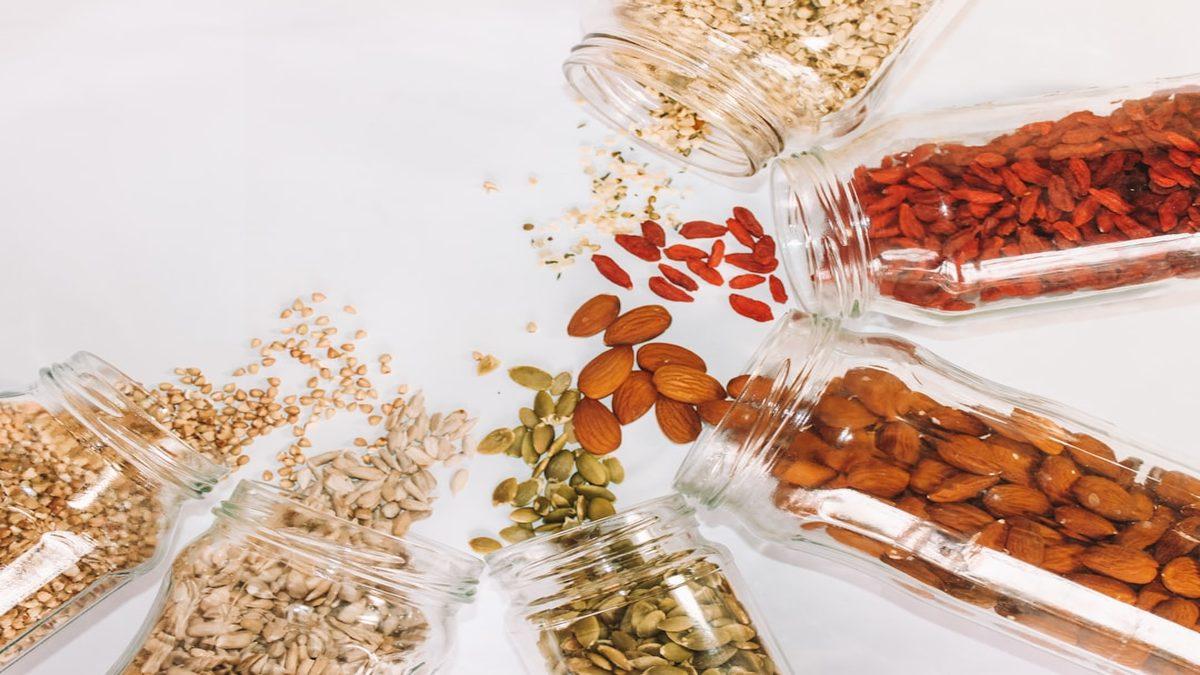
Not all grains are created equal when it comes to fiber. Refined grains have been stripped of their bran and germ—the very parts that contain fiber and nutrients. Whole grains, however, retain everything. Oats, quinoa, brown rice, barley, farro, and bulgur all offer substantial fiber alongside complex carbohydrates that digest slowly. A cup of cooked oatmeal provides about 4 grams of fiber, while a cup of cooked barley offers nearly 6 grams. These grains form the base of countless simple meals, from morning porridge to evening grain bowls topped with roasted vegetables and a drizzle of olive oil.
Vegetables and Fruits That Deliver Real Fiber
Produce departments overflow with high fiber whole foods, though some choices pack considerably more fiber than others. The key is variety—eating across the color spectrum ensures you're getting different types of fiber along with a broad range of nutrients. Green vegetables, root vegetables, berries, and fruits with edible skins all contribute meaningfully to your daily fiber goals while adding flavor, texture, and visual appeal to your plate.
Leafy Greens and Cruciferous Vegetables
Dark leafy greens like kale, collards, Swiss chard, and spinach offer fiber alongside remarkable nutrient density. Cruciferous vegetables—broccoli, Brussels sprouts, cauliflower, and cabbage—provide even more fiber per serving while supporting detoxification pathways and feeding beneficial gut bacteria. A cup of cooked broccoli delivers about 5 grams of fiber. A cup of cooked Brussels sprouts offers around 4 grams. These vegetables roast beautifully with just olive oil and sea salt, becoming caramelized and slightly sweet. They bulk up soups, stews, and stir-fries without adding many calories while dramatically increasing the fiber content of any meal.
Berries and Whole Fruits with Skin
Among fruits, berries reign supreme for fiber content. Raspberries alone provide an impressive 8 grams of fiber per cup—more than many vegetables. Blackberries, blueberries, and strawberries also contribute meaningfully. Beyond berries, fruits eaten with their skin intact—apples, pears, plums—offer considerably more fiber than their peeled counterparts. A medium apple with skin contains about 4.5 grams of fiber, while a peeled apple drops to around 2 grams. This simple shift, choosing whole fruits and eating the skin when possible, adds several extra grams of fiber daily without any extra effort or expense.
Building Meals Around High Fiber Whole Foods
Understanding which foods contain fiber is only the beginning. The real transformation happens when you learn to build meals that naturally incorporate these ingredients without feeling restrictive or complicated. This is where plant-forward eating becomes genuinely sustainable—when high fiber whole foods form the foundation of satisfying meals rather than appearing as afterthoughts or side dishes.
The Simple Plate Structure That Works
The most reliable approach to fiber-rich eating involves a simple plate structure: fill half your plate with vegetables, one quarter with whole grains or starchy vegetables, and one quarter with legumes or plant proteins. This visual system eliminates counting and measuring while naturally delivering substantial fiber. A lunch plate might feature a large salad of mixed greens and shredded cabbage, a scoop of quinoa, and a generous portion of chickpeas dressed with lemon and herbs. Dinner could offer roasted root vegetables alongside brown rice and a hearty black bean stew. My Instant Plate Builder walks through this approach in detail, making meal assembly genuinely effortless.
Making Gradual Shifts That Last
If your current diet is low in fiber, increasing too quickly can cause digestive discomfort—bloating, gas, and irregular bowel movements. The solution is gradual progression. Add one new high fiber whole food each week. Start with an extra serving of vegetables at dinner. The following week, swap white rice for brown rice or quinoa. The week after, introduce lentils into your soup rotation. Over a month or two, these small shifts accumulate into a completely transformed way of eating that feels natural rather than forced. Your gut bacteria need time to adapt to increased fiber, and they will—given patience and consistency.

Frequently Asked Questions About High Fiber Whole Foods
Can You Get Too Much Fiber From Whole Foods
While excessive fiber can theoretically cause digestive distress, it's quite difficult to overdo it when eating only whole foods. Problems typically arise with fiber supplements or heavily fortified processed foods, not with vegetables, fruits, legumes, and grains. If you're eating a varied diet of high fiber whole foods and drinking adequate water, your body will generally signal when it's satisfied. Trust those signals. The goal isn't to maximize fiber at all costs but to nourish yourself fully with real plants.
How Long Before You Notice Benefits From Eating More Fiber
Most people notice digestive improvements within one to two weeks of consistently eating more fiber-rich foods. Energy levels and satiety often improve even sooner—within days for some. Longer-term benefits, like more stable blood sugar patterns and improved gut bacteria diversity, develop over weeks and months. The key word is consistency. Eating high fiber whole foods once or twice won't transform anything. Making them the foundation of most meals creates lasting change.
What If Certain High Fiber Foods Cause Bloating
Some people experience bloating with specific foods, particularly legumes, when first introducing them. This often diminishes as gut bacteria adapt. Soaking dried beans before cooking, rinsing canned beans thoroughly, and starting with smaller portions can all help. Certain legumes—like lentils and split peas—tend to be gentler on digestion than others. If one food consistently causes discomfort, simply choose different high fiber whole foods that your body tolerates well. There's no shortage of options.
The path to adequate fiber isn't paved with powders, pills, or complicated meal plans. It's lined with the same simple foods that have nourished human beings for generations—legumes bubbling in earthenware pots, grains stored in cool pantries, vegetables harvested from gardens and farms. When you return to high fiber whole foods as the center of your plate, you're not following a trend. You're coming home to a way of eating that makes sense, that satisfies deeply, and that supports your wellbeing without demanding constant vigilance. One plate at a time, you're building something that lasts.
Your Next Step
If building fiber-rich meals still feels uncertain, you don't have to figure it out alone. I've gathered everything I use daily—simple meal frameworks, kitchen staples, and practical guides—into one place. Visit my plant-forward kit and see what resonates. No pressure, no complicated systems. Just real tools for eating well, one plate at a time.