Fiber Needs: 5 Simple Whole Foods That Get You There
Discover your real fiber needs and the whole foods that deliver. Simple plant-forward tips for lasting digestive wellness. Start today.
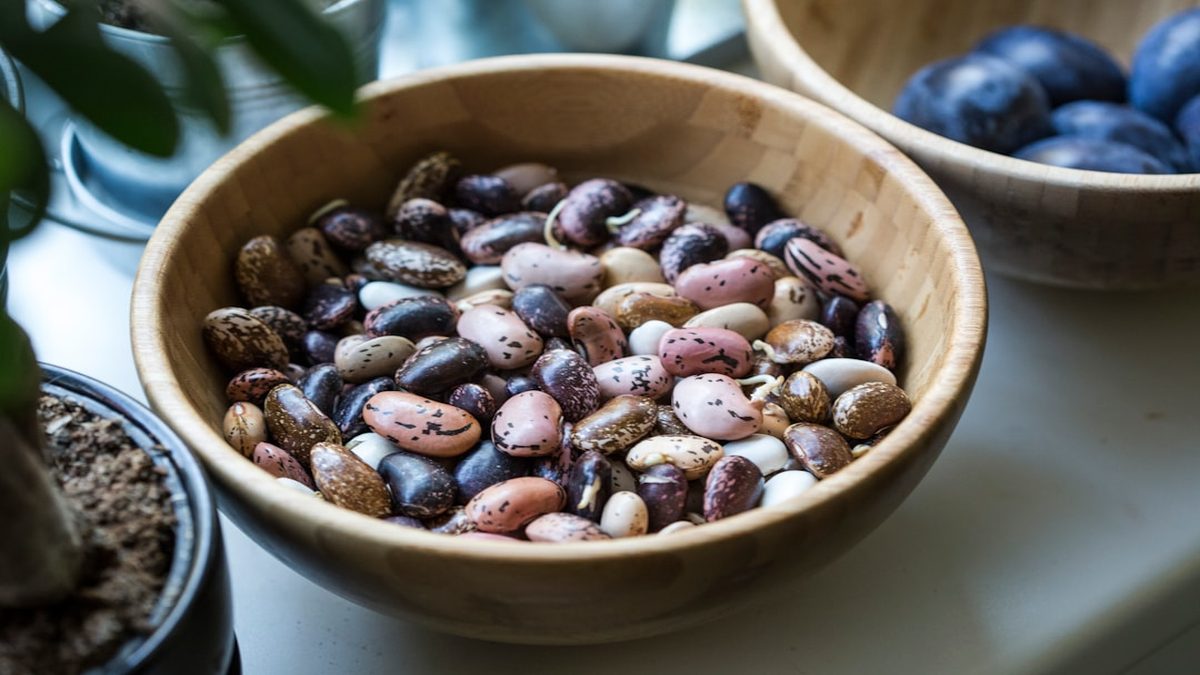
Most adults need between 25 and 38 grams of fiber daily, yet the average person barely reaches half that amount. The good news? Meeting your fiber needs whole foods provide is far simpler than supplement bottles and complicated meal plans suggest. When you return to the way our ancestors ate—plates built around plants, legumes, whole grains, and vegetables—fiber stops being something you chase and becomes something that just happens. This isn't about perfection or rigid rules. It's about understanding what your body genuinely requires and letting real, unprocessed foods do the quiet work they've always done. Let's explore exactly how much fiber serves you best and which whole foods make reaching that number feel effortless.

Understanding Your Fiber Needs Whole Foods Naturally Fulfill
Fiber has become a buzzword, but beneath the marketing noise lies something beautifully simple. Fiber is the indigestible part of plant foods—the structural backbone of vegetables, fruits, legumes, and grains that passes through your system mostly intact. Your body doesn't break it down for energy the way it does with proteins or fats. Instead, fiber does its work by adding bulk, feeding beneficial gut bacteria, and helping everything move along smoothly.
According to Harvard Health, most health organizations recommend 25 grams daily for women and 38 grams for men. Yet the average American consumes only about 15 grams. This gap isn't from lack of trying—it's from relying on processed foods stripped of their natural fiber content. When you center your plate around whole, plant-forward foods, hitting those numbers becomes almost automatic.
Soluble vs. Insoluble: Both Matter
Fiber comes in two main forms, and your body benefits from both. Soluble fiber dissolves in water, forming a gel-like substance that can help with blood sugar management and cholesterol levels. You'll find it abundantly in oats, beans, apples, and flaxseeds. Insoluble fiber doesn't dissolve—it adds bulk and helps food move through your digestive tract efficiently. Think whole grains, vegetable skins, and nuts. A varied whole-food plate naturally delivers both types without you needing to track or calculate anything.
Why Processed Foods Fall Short
Modern food processing strips away the very parts of plants that contain fiber. White flour loses the bran and germ. Fruit juice removes the pulp. Refined grains shed their outer layers. What remains is calorie-dense but nutrient-poor. Our ancestors didn't have this problem—their grains were whole, their vegetables unprocessed, their fruits eaten intact. Returning to this way of eating isn't nostalgic; it's practical. Whole foods arrive with their fiber already built in, exactly as nature designed.
The Five Whole Food Groups That Deliver
Rather than memorizing fiber counts for hundreds of foods, consider these five foundational categories. Each one offers substantial fiber alongside countless other nutrients. When these groups appear regularly on your plate, fiber needs whole foods satisfy become a natural byproduct of simply eating well.
Legumes: The Quiet Champions
Lentils, chickpeas, black beans, and kidney beans consistently rank among the highest-fiber foods available. A single cup of cooked lentils provides roughly 15 grams of fiber—nearly half the daily recommendation for women in one dish. Legumes also deliver plant protein, making them doubly valuable for those building meals around plants. They're incredibly versatile: stews, salads, spreads, soups, and grain bowls all welcome them. Our ancestors across nearly every culture relied on legumes as dietary staples, and there's profound wisdom in following their lead.
Whole Grains: Beyond Just Brown Rice
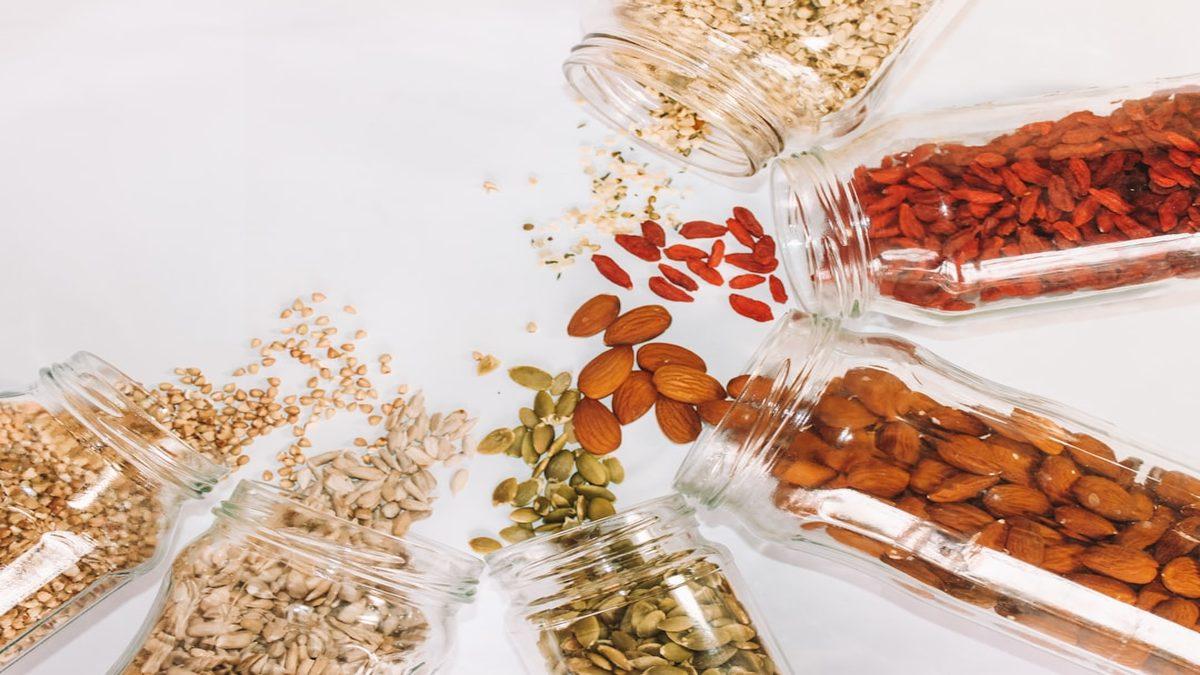
When grains remain whole—with their bran, germ, and endosperm intact—they become powerful fiber sources. Oats, quinoa, barley, farro, bulgur, and millet all offer between 5 and 8 grams of fiber per cooked cup. The key is choosing grains that haven't been refined. Steel-cut oats outperform instant packets. Whole wheat berries surpass white bread. Even popcorn, surprisingly, counts as a whole grain and provides fiber in a snack format. Explore beyond the familiar, and you'll discover grains that feel both nourishing and exciting.
Building High-Fiber Plates Without Overthinking
The beauty of meeting your fiber needs through whole foods lies in simplicity. You don't need apps, trackers, or complicated calculations. You need a framework—a way of thinking about meals that naturally incorporates fiber-rich ingredients without turning eating into a math problem.
The Half-Plate Principle
Imagine your plate divided in half. Fill one half with vegetables—raw, roasted, steamed, or sautéed. This single habit dramatically increases fiber intake without effort. Vegetables like broccoli, Brussels sprouts, carrots, and leafy greens all contribute fiber while delivering vitamins and minerals. The remaining half can hold grains, legumes, and smaller portions of whatever else you enjoy. This visual approach removes guesswork and works at every meal.
Layering Fiber Throughout the Day
Rather than trying to consume all your fiber at dinner, spread it across meals and snacks. Morning oats with berries. A lunchtime salad loaded with chickpeas and vegetables. An afternoon handful of almonds. Dinner featuring a grain bowl with roasted vegetables and lentils. Each eating occasion becomes an opportunity to add a few more grams. By day's end, you've likely exceeded recommendations without any single meal feeling heavy or overwhelming.
Meeting Fiber Needs Whole Foods Provide: Practical Strategies
Knowledge without action remains just information. Let's translate understanding into tangible habits that make fiber-rich eating your new normal. These strategies align with plant-forward principles and honor the simplicity our ancestors practiced.
Start Where You Are
If your current fiber intake hovers around 15 grams daily, jumping immediately to 35 grams can cause digestive discomfort. Your gut bacteria need time to adjust. Increase gradually—add an extra serving of vegetables here, swap refined grains for whole ones there. Over several weeks, your system adapts, and higher fiber becomes comfortable rather than challenging. This patience mirrors the gentle approach of traditional eating patterns, where dramatic dietary overhauls didn't exist.
Hydration: Fiber's Essential Partner
Fiber absorbs water as it moves through your digestive system. Without adequate hydration, increased fiber can actually slow things down rather than improve them. Aim to drink water consistently throughout the day, especially as you add more plant foods to your plate. Herbal teas, water-rich fruits, and vegetable-based soups all contribute. This partnership between fiber and water keeps everything functioning as nature intended.
Research published through PubMed consistently demonstrates the relationship between adequate fiber intake and digestive regularity. When you eat the way humans have eaten for thousands of years—whole plants, minimally processed—these benefits arrive without supplements or interventions.

Frequently Asked Questions About Fiber Needs Whole Foods
Can I Get Enough Fiber Without Supplements?
Absolutely. When your plate centers on vegetables, legumes, whole grains, fruits, nuts, and seeds, reaching 25 to 38 grams of fiber daily happens naturally. Supplements isolate one component from food, while whole foods deliver fiber alongside thousands of complementary nutrients, enzymes, and compounds. The synergy of real food simply can't be replicated in a pill or powder.
What Are the Best Fiber-Rich Foods for Beginners?
Start with foods that feel familiar and enjoyable. Oats make an easy breakfast foundation. Beans or lentils can be added to soups and salads you already eat. Berries offer fiber in a sweet, snack-friendly format. Carrots, broccoli, and sweet potatoes provide fiber while being widely liked. Build from what you already enjoy rather than forcing unfamiliar foods onto your plate.
How Quickly Will I Notice Changes From Eating More Fiber?
Most people notice shifts in digestive comfort within one to two weeks of consistently eating more fiber-rich whole foods. However, the timeline varies based on your starting point, hydration levels, and overall diet quality. Be patient with your body as it adjusts. The changes that come from nourishing yourself with whole plants tend to be subtle at first but profound over time.
Understanding your fiber needs whole foods deliver isn't complicated—it's a return to basics. When you fill your plate with plants, legumes, and whole grains, fiber stops being a nutrient to chase and becomes a natural consequence of eating well. This approach served our ancestors for millennia, and it can serve you too. One plate at a time, one meal at a time, you're building something sustainable.
Your Next Step
If you're ready to make plant-forward eating feel simple and second nature, I've gathered everything I use to build nourishing plates quickly in one place. From my Instant Plate Builder ebook to kitchen tools I rely on daily, you can explore it all through my plant-forward kit. No overwhelm, no complicated systems—just the essentials that make whole-food living actually stick.