5 Simple Whole-Food Meals for a Happy Gut Today
Simple whole-food meals for a happy gut start with real ingredients your body recognizes. Learn what to eat for better digestion. Start today.

The foundation of a happy gut is beautifully simple: eat real, whole foods that your body actually recognizes. That means plants, grains, legumes, and fermented foods—the same nourishment our ancestors thrived on for thousands of years. When you build whole-food meals for a happy gut, you're not following a complicated protocol or buying expensive supplements. You're returning to a way of eating that feels natural because it is natural. If you've been searching for one approach that finally makes sense and actually sticks, this is your invitation to slow down, simplify, and let your plate do the healing work. What follows are practical, plant-forward ideas you can start using tonight.

Why Whole-Food Meals for a Happy Gut Actually Work
Your digestive system evolved alongside whole, unprocessed foods. For most of human history, people ate what grew around them—vegetables pulled from the earth, grains dried in the sun, legumes simmered slowly over fire. These foods arrive with their fiber intact, their nutrients preserved, and their natural structure whole. Your gut knows exactly what to do with them. According to Harvard Health, a diet rich in fiber and fermented foods supports the diverse bacteria that keep your digestive system functioning smoothly.
The Problem with Modern Processed Eating
Somewhere along the way, convenience replaced nourishment. Packaged foods stripped of fiber, laden with additives, and engineered for shelf life became the norm. But your gut didn't get the memo. It still expects the whole foods it was designed to process. When you eat highly processed meals, digestion can feel like a struggle—bloating, discomfort, irregularity. Returning to whole-food meals for a happy gut isn't about restriction. It's about giving your body what it actually needs to function with ease.
How Plants Support Your Digestive Ecosystem
Plant foods are rich in prebiotic fiber—the food that feeds the beneficial bacteria living in your gut. Think of it like tending a garden. The more diverse plants you eat, the more diverse your inner ecosystem becomes. Legumes, whole grains, leafy greens, onions, garlic, and asparagus all contribute different types of fiber that support different bacterial communities. When those communities thrive, digestion feels effortless, and your whole body benefits. This is the gentle wisdom behind plant-forward eating: not deprivation, but deep nourishment.
Building Your Plate: The Simple Framework
Creating whole-food meals for a happy gut doesn't require culinary expertise or hours in the kitchen. It requires a simple framework you can repeat endlessly with different ingredients. Once you understand the structure, every meal becomes intuitive. No counting, no measuring obsessively, no guilt. Just real food arranged on a plate in a way that supports your wellbeing.
The Three-Part Plate Method
Picture your plate divided into three sections. One section holds a generous portion of vegetables—leafy greens, roasted roots, or raw crunchy things. Another section holds a whole grain or starchy vegetable—quinoa, brown rice, sweet potato, or farro. The final section holds a plant protein—lentils, chickpeas, black beans, or tempeh. This balance provides fiber, sustained energy, and the building blocks your gut needs. If you want a complete visual guide to this approach, my Instant Plate Builder walks you through exactly how to assemble satisfying meals in minutes.
Adding Fermented Foods for Extra Support
Fermented foods bring living cultures directly to your gut. A spoonful of sauerkraut on the side, a splash of raw apple cider vinegar in your dressing, a small bowl of kimchi, or a dollop of coconut yogurt—these additions introduce beneficial bacteria that complement the fiber you're already eating. You don't need large quantities. Consistency matters more than volume. A little fermented food at one meal each day creates a gentle, ongoing rhythm of support.
Five Everyday Meals That Love Your Gut
Theory is helpful, but practical meals are what transform your days. These five ideas embody the principles of whole-food meals for a happy gut while remaining completely approachable. None require special equipment or hard-to-find ingredients. They're the kind of meals you can make tonight with what's already in your kitchen—or with a quick trip to your local market.
Morning: Oats with Seeds and Seasonal Fruit
Begin with rolled oats cooked slowly in water or a plant milk of your choice. Oats contain beta-glucan, a soluble fiber that's particularly soothing for digestion. Top with ground flaxseed or chia seeds for additional fiber and omega-3 fatty acids. Add whatever fruit is in season—berries in summer, sliced apples in fall, stewed prunes in winter. A drizzle of raw honey or a sprinkle of cinnamon completes the bowl. This meal takes ten minutes and sets a calm, nourishing tone for the entire day.
Midday: Grain Bowl with Greens and Legumes
Cook a batch of quinoa or brown rice at the beginning of the week. Each day, scoop a portion into a bowl and pile high with leafy greens—arugula, spinach, or massaged kale. Add a generous helping of chickpeas or white beans, some sliced cucumber or cherry tomatoes, and a simple dressing of olive oil, lemon juice, and garlic. This combination delivers fiber from multiple sources, keeping your gut microbiome diverse and well-fed. It's portable, satisfying, and endlessly variable based on what's fresh.
Evening: Lentil Soup with Root Vegetables
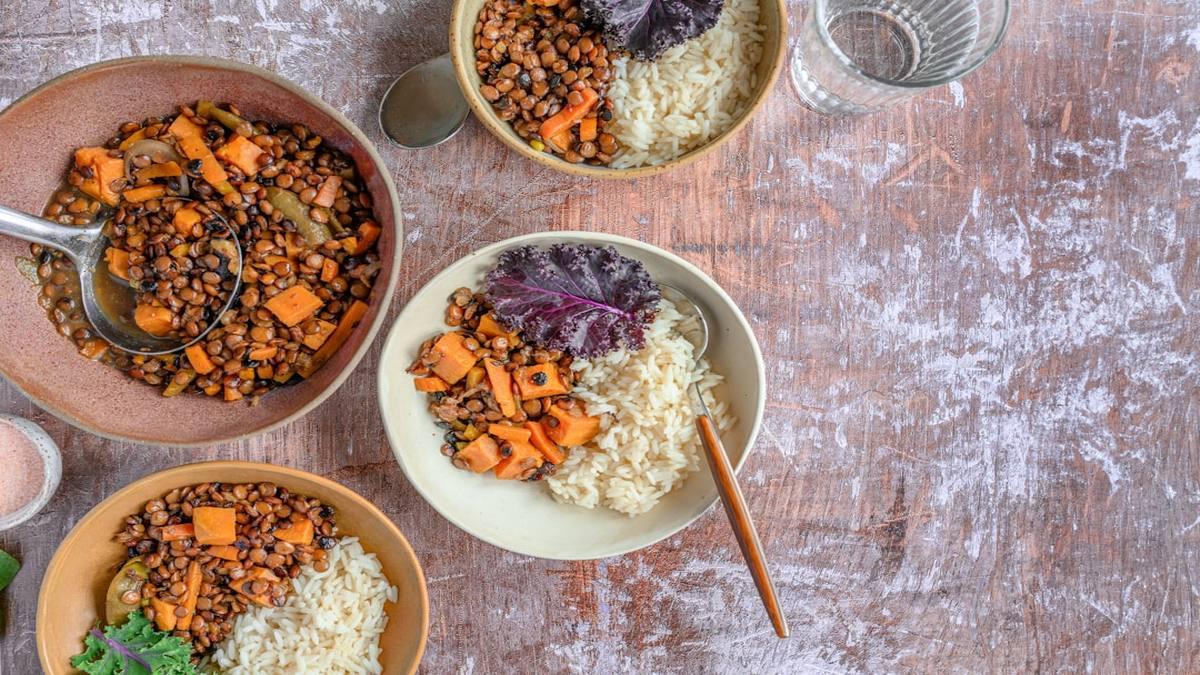
Lentil soup might be the most perfect gut-friendly meal in existence. Sauté onion, carrot, and celery in olive oil until soft. Add dried lentils, vegetable broth, and whatever root vegetables you have—parsnips, turnips, sweet potato. Season with cumin, turmeric, and a bay leaf. Simmer until everything is tender. According to Mayo Clinic, legumes like lentils are among the best sources of dietary fiber, which promotes regular bowel movements and feeds beneficial gut bacteria. Serve with crusty whole-grain bread for a complete, warming meal.
Making Whole-Food Meals for a Happy Gut a Daily Habit
Knowing what to eat is one thing. Actually doing it, day after day, is another. The secret isn't willpower—it's systems. Small shifts in how you shop, prep, and think about food make whole-food meals for a happy gut feel automatic rather than effortful. These aren't dramatic life overhauls. They're gentle adjustments that accumulate into lasting change.
Batch Cooking That Actually Works
Spend an hour or two on a weekend preparing building blocks. Cook a large pot of grains. Roast a sheet pan of mixed vegetables. Simmer a pot of beans from scratch. Wash and store leafy greens so they're ready to grab. With these components in your refrigerator, assembling a nourishing meal takes minutes. You're not cooking from scratch every night—you're combining elements that are already prepared. This removes the friction that leads to takeout or processed convenience foods.
Stocking a Gut-Friendly Pantry
A well-stocked pantry means you're never without options. Keep dried lentils, chickpeas, and black beans on hand. Store whole grains like oats, quinoa, brown rice, and farro. Have olive oil, raw apple cider vinegar, and a variety of dried herbs and spices within reach. Stock your freezer with organic vegetables for nights when fresh isn't available. When your pantry reflects your values, eating well becomes the path of least resistance. Every meal becomes an opportunity rather than a challenge.
Frequently Asked Questions About Whole-Food Meals for a Happy Gut
How quickly will I notice changes from eating whole-food meals for a happy gut?
Every body is different, but many people notice subtle shifts within the first week or two. Digestion may feel easier, energy levels more stable, and overall comfort improved. The gut microbiome begins adapting to new dietary patterns relatively quickly, though deeper changes continue unfolding over months. Patience and consistency matter more than perfection. Give your body time to adjust, and trust the process.
Do I need to eliminate all processed foods completely?
This isn't about perfection or purity. The goal is to shift the balance toward whole foods without creating stress or rigidity. If most of your meals center on plants, whole grains, and legumes, occasional processed items won't derail your progress. What matters is the overall pattern of your eating over weeks and months—not any single meal or snack. Approach this with gentleness toward yourself.
Can I follow this approach if I have a sensitive stomach?
If you're new to high-fiber eating, start slowly. Introduce legumes and whole grains gradually, allowing your digestive system to adapt. Cook vegetables rather than eating them raw at first. Soak beans before cooking to reduce compounds that can cause discomfort. Stay well-hydrated, as fiber works best with adequate water intake. Listen to your body and adjust portions and preparations as needed. If you have specific digestive concerns, working with a healthcare provider can help you personalize your approach.
Returning to whole-food meals for a happy gut isn't a trend or a temporary fix. It's a homecoming to the way humans have eaten for most of history—simply, seasonally, and with reverence for what the earth provides. When you fill your plate with plants, grains, and legumes, you're not just feeding yourself. You're nurturing the trillions of microorganisms that support your wellbeing from the inside out. This is plant-forward living at its most practical and profound. One meal at a time, one day at a time, you build a foundation that lasts.
Your Next Step
If you're ready to make this way of eating feel effortless, I've gathered everything I use and recommend in one place. From simple meal-building guides like the Instant Plate Builder to resources for feeding little ones with the Kids Plate Builder, you'll find my plant-forward kit waiting for you. No overwhelm, no gimmicks—just the tools that actually help. Take what resonates, leave what doesn't, and trust yourself to nourish simply and live fully.