5 Simple Plant-Based Meal Prep Tips for Busy Weekdays
Simple plant-based meal prep saves time and stress on busy weekdays. Learn 5 effortless strategies for nourishing meals. Start today.
There's a particular kind of exhaustion that hits around 5:47 PM on a Tuesday. You're staring into the refrigerator, the kids are asking what's for dinner, and every cell in your body wants to order takeout for the third time this week. But here's what I've learned after years of helping people just like you: simple plant-based meal prep isn't about perfection or spending your entire Sunday in the kitchen. It's about creating small systems that actually fit into your real, beautifully chaotic life. Today, I'm sharing the exact strategies that have helped thousands of busy adults finally feel calm about weeknight dinners—without complicated recipes or expensive ingredients. By the end of this post, you'll have a clear path to nourishing meals that come together in minutes, not hours.
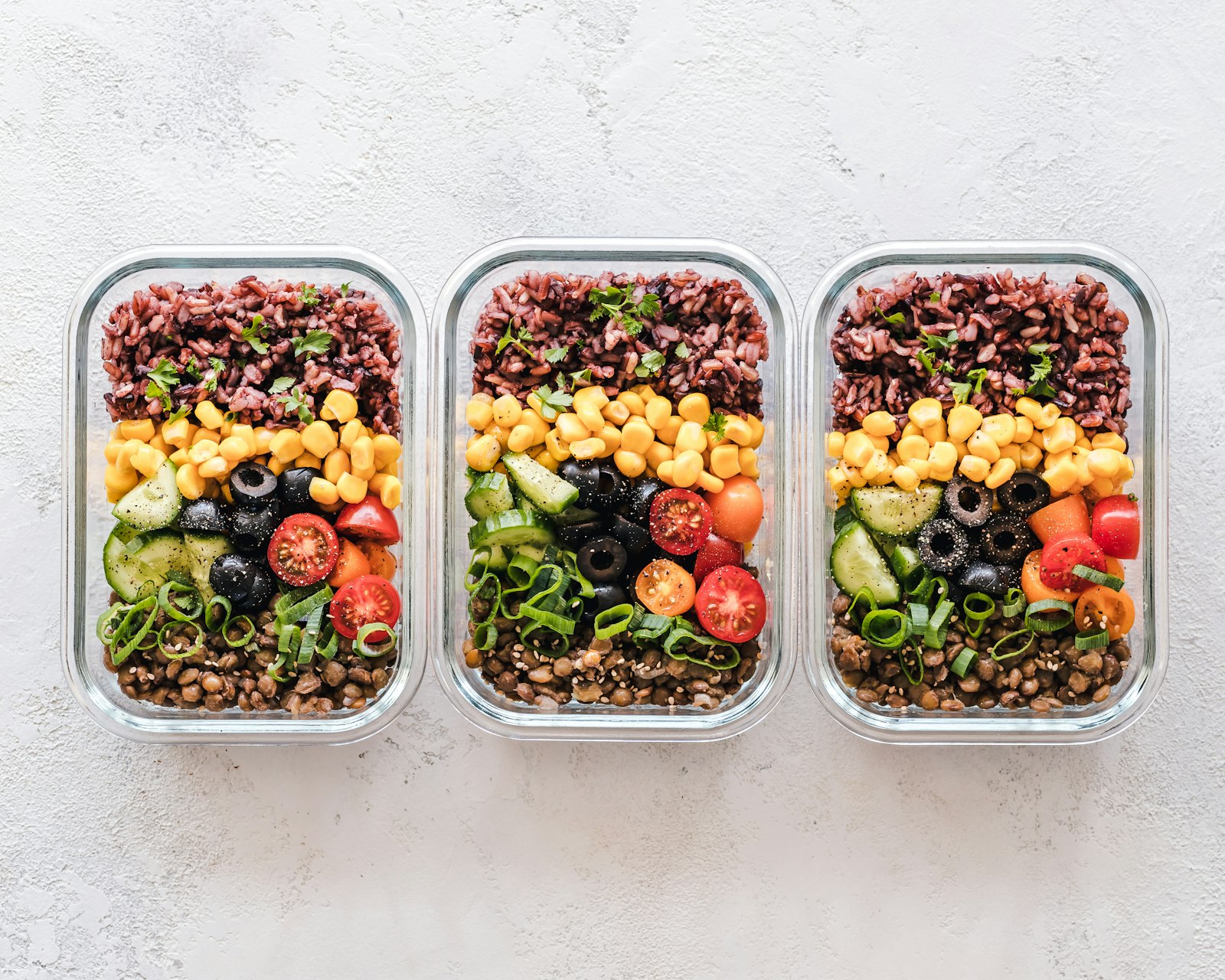
Photo by Ignat Kushnarev on Unsplash
Before we dive into the how, let's talk about the why. When you embrace a plant-forward approach to meal preparation, something shifts. According to Harvard Health's research on plant-based eating, focusing on vegetables, whole grains, and legumes supports sustained energy throughout the day—exactly what busy adults need. But beyond the nutritional benefits, there's a mental clarity that comes from knowing dinner is handled before the chaos of the afternoon begins.
The Mental Load of Dinner Decisions
Every time you stand in front of the fridge wondering what to make, you're using precious mental energy. Decision fatigue is real, and it compounds throughout the day. Simple plant-based meal prep eliminates hundreds of micro-decisions each week by front-loading your thinking to a single, calm session. Instead of making choices when you're depleted, you make them when you're rested and clear-headed. This single shift has helped more people stick with healthy eating than any superfood or trendy diet ever could.
Why Plant-Forward Works for Real Families
Notice I'm not saying you need to go fully vegan or eliminate anything completely. Plant-forward eating means vegetables and whole foods take center stage, but there's room for flexibility. This approach works because it doesn't require perfection. Some nights you might add grilled chicken to a grain bowl. Other nights, the beans and roasted vegetables are the entire meal. The foundation remains the same, which means your simple plant-based meal prep serves you regardless of what else ends up on the plate.
The Five-Component System for Effortless Weeknight Meals
After working with hundreds of families, I've noticed that sustainable meal prep always comes down to having five key components ready in your refrigerator. When these elements are prepped and waiting, dinner assembles itself in under fifteen minutes. This isn't about following rigid recipes—it's about building a flexible foundation that adapts to whatever your week throws at you.
Batch-Cooked Grains and Legumes
Grains and legumes are the backbone of satisfying plant-based meals, and they happen to be perfect for batch preparation. Cook a large pot of quinoa, brown rice, or farro on Sunday, and you've got the base for bowls, salads, and sides all week long. Similarly, a pot of black beans, chickpeas, or lentils provides protein-rich options that transform simple vegetables into complete meals. The beauty of this approach is that these staples keep well for five to six days, giving you maximum flexibility with minimal effort.
Pre-Cut Vegetables Ready to Roast or Sauté
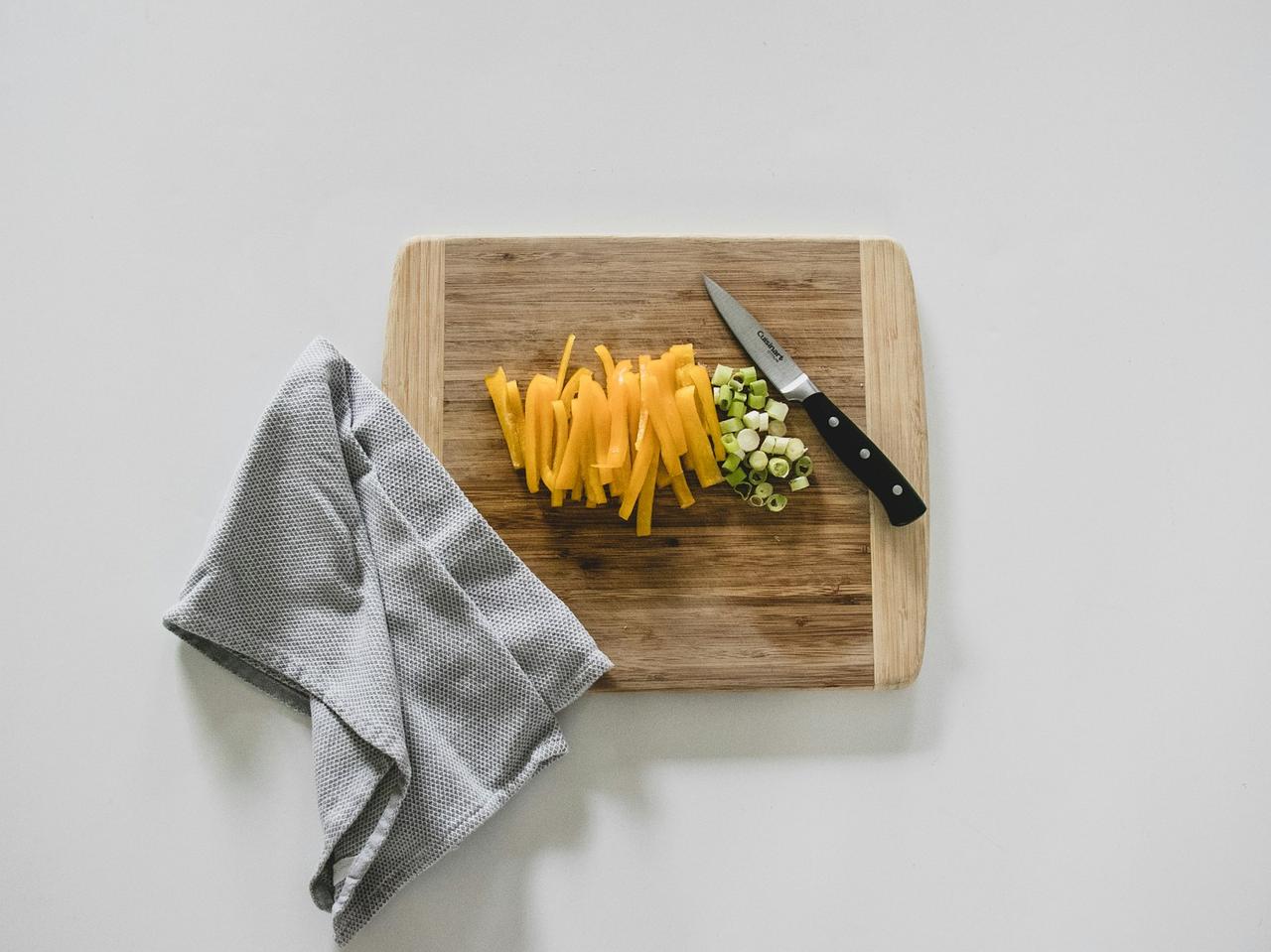
The biggest barrier to cooking vegetables isn't the cooking—it's the washing, peeling, and chopping. Spend thirty minutes on the weekend cutting sweet potatoes, bell peppers, broccoli, and whatever else looks good at the market. Store them in airtight containers, and suddenly a sheet pan of roasted vegetables becomes a ten-minute hands-off task. This single habit makes simple plant-based meal prep sustainable for even the busiest weeks. When vegetables are ready to cook, you actually cook them.
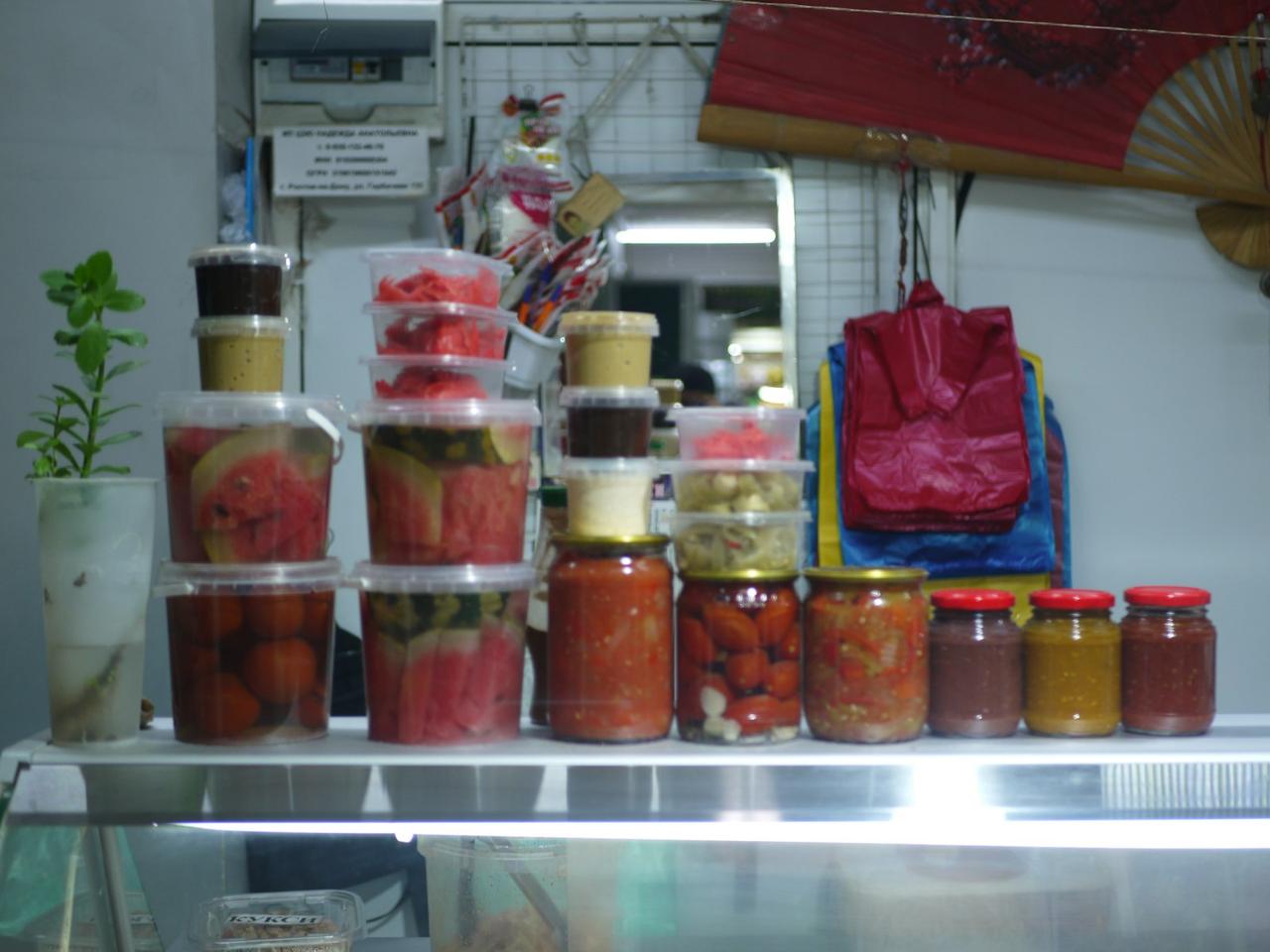
Photo by Debby Hudson on Unsplash
Time-Saving Strategies That Actually Work
Let's be honest: most meal prep advice assumes you have unlimited time on weekends. But between soccer games, errands, and wanting to actually rest, marathon cooking sessions aren't realistic for most people. The strategies that stick are the ones that work within the time you actually have—often just an hour or two spread across different moments.
The Fifteen-Minute Prep Window
Here's a perspective shift that changed everything for many of my readers: you don't need a dedicated prep day. Instead, look for fifteen-minute windows throughout your week. While coffee brews on Monday morning, chop vegetables for the next two days. While dinner cooks on Wednesday, start a pot of grains for Thursday and Friday. This distributed approach to simple plant-based meal prep feels less overwhelming and actually tends to produce fresher food since you're prepping in smaller batches.
The Power of Sauce Preparation
A bowl of plain grains and vegetables is nutritious but not particularly exciting. The secret to meals you actually look forward to eating is having two or three flavorful sauces ready to go. A tahini dressing, a simple peanut sauce, and a bright herb chimichurri can transform the same basic ingredients into entirely different meals throughout the week. Spend ten minutes making these on Sunday, store them in small jars, and watch how much more enjoyable your weeknight dinners become. Research from Healthline's guide to meal preparation confirms that having ready-to-use components dramatically increases the likelihood of preparing home-cooked meals.
Building Your Simple Plant-Based Meal Prep Routine
Systems only work when they match your actual life. What follows is a flexible framework you can adapt to your family's needs, your schedule, and your kitchen setup. The goal isn't to follow these steps rigidly but to use them as a starting point for discovering what works specifically for you.
Sunday Setup: The Foundation Hour
If you can carve out sixty to ninety minutes on Sunday, this becomes your foundation for the entire week. Start by cooking one or two grains—perhaps rice and quinoa for variety. While those simmer, wash and chop enough vegetables for the first half of the week. Prepare one sauce or dressing. If you have extra time, roast a sheet pan of vegetables that can be eaten cold in salads or reheated as side dishes. This foundation hour is the heart of simple plant-based meal prep, and it pays dividends every single evening.
Midweek Refresh: Wednesday's Quick Session
By Wednesday, your prepped vegetables may be running low, and you might want fresh options for the second half of the week. A twenty-minute midweek session keeps everything feeling fresh. Chop more vegetables, perhaps cook another batch of legumes if needed, and consider preparing a different sauce for variety. This two-touch approach prevents the burnout that comes from trying to prep an entire week's worth of food in one session. It also means you're eating vegetables that were cut two days ago rather than five, which makes a real difference in texture and flavor.
Photo by Jimmy Dean on Unsplash
Frequently Asked Questions About Simple Plant-Based Meal Prep
How long does simple plant-based meal prep actually take each week?
Most people find that ninety minutes to two hours per week covers all their preparation needs. This typically breaks down into a longer Sunday session of about an hour and a shorter midweek refresh of twenty to thirty minutes. As you develop your routine and become more efficient with chopping and cooking, you may find this time decreases. The key is starting where you are and gradually building habits that feel sustainable rather than exhausting.
What if my family members aren't fully plant-based?
This is where the plant-forward approach really shines. Your prepped grains, vegetables, and sauces serve as the foundation for everyone's meals. Family members who want to add grilled chicken, fish, or other proteins can do so easily. The vegetables and grains remain the same—only the additions change. This means you're not cooking multiple separate meals, and everyone still benefits from the nourishing plant-based components you've prepared.
How do I get my kids interested in eating these meals?
Children often respond better to meals when they have some control over their plate. Instead of serving pre-assembled bowls, try offering the components separately and letting kids build their own combinations. This simple shift transforms dinner from something that's done to them into something they participate in creating. The same grains, vegetables, and sauces you've prepped become an interactive experience rather than a predetermined plate they might resist.
When you step back and look at the bigger picture, simple plant-based meal prep is really about creating space—space to breathe, space to connect with your family, space to actually enjoy dinner instead of dreading it. The strategies we've explored today aren't complicated, and they don't require you to become someone you're not. They simply ask you to spend a little time on the front end so that every evening feels a little calmer, a little more nourishing, and a lot more sustainable. This is how lasting change happens: one plate at a time, one week at a time.
Your Next Step
If you're ready to simplify your approach to plant-forward eating even further, the Instant Plate Builder gives you a complete system for creating balanced, satisfying meals without recipes or complicated planning. It's the exact framework that makes simple plant-based meal prep feel effortless rather than overwhelming. And if you're navigating meals for little ones too, the Kids Plate Builder adapts these same principles for children—because nourishing the whole family shouldn't require a degree in nutrition. Start where you are, use what you have, and trust that small steps lead to lasting change.