5 Simple Plant-Based Swaps for Heart Health Today
Plant-based swaps for heart health make loving your heart easier than ever. Discover 5 whole-food changes you can make this week. Start today.
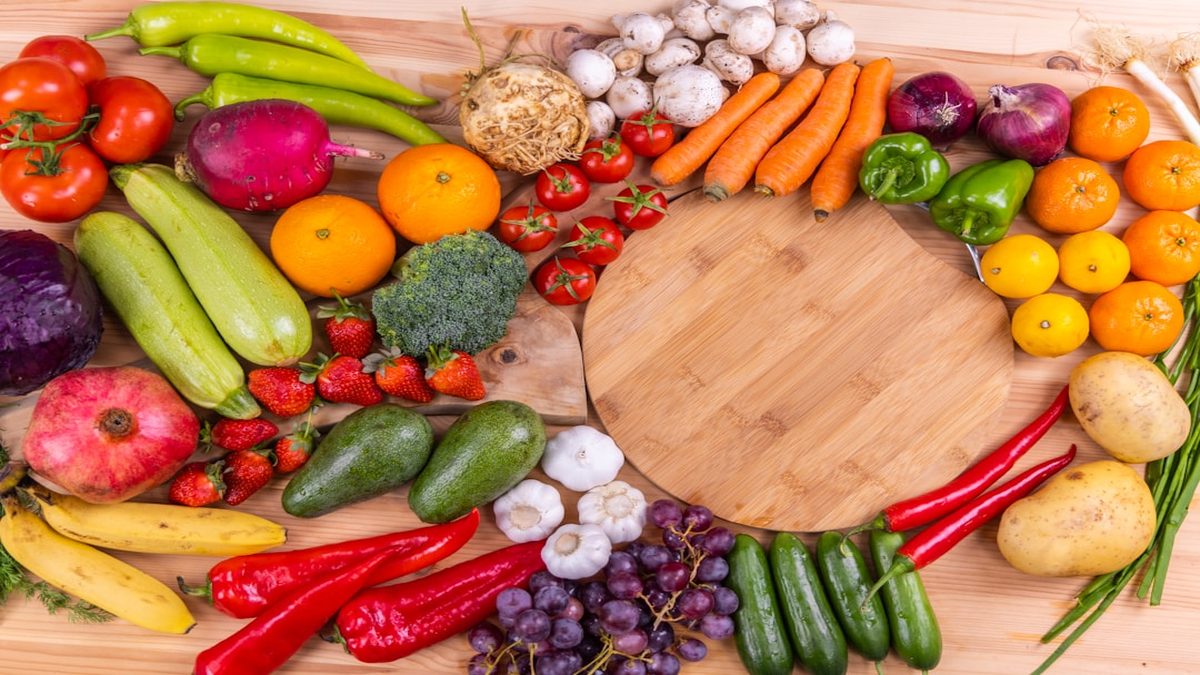
Plant-based swaps for heart health work because they replace processed, nutrient-stripped foods with whole, fiber-rich alternatives that naturally support your cardiovascular system—no complicated diets required. The key is simple: swap out a few everyday ingredients for plant-forward options, and your heart gets more of what it thrives on while you barely change your routine. If you've been overwhelmed by conflicting nutrition advice, take a breath. Making plant-based swaps for heart health doesn't require a complete kitchen overhaul or hours of meal prep. It's about small, sustainable shifts that honor how our ancestors nourished themselves—with whole foods grown from the earth, prepared simply, and eaten with intention. These swaps feel natural because they are natural. And the beautiful thing? They fit into the meals you're already making.
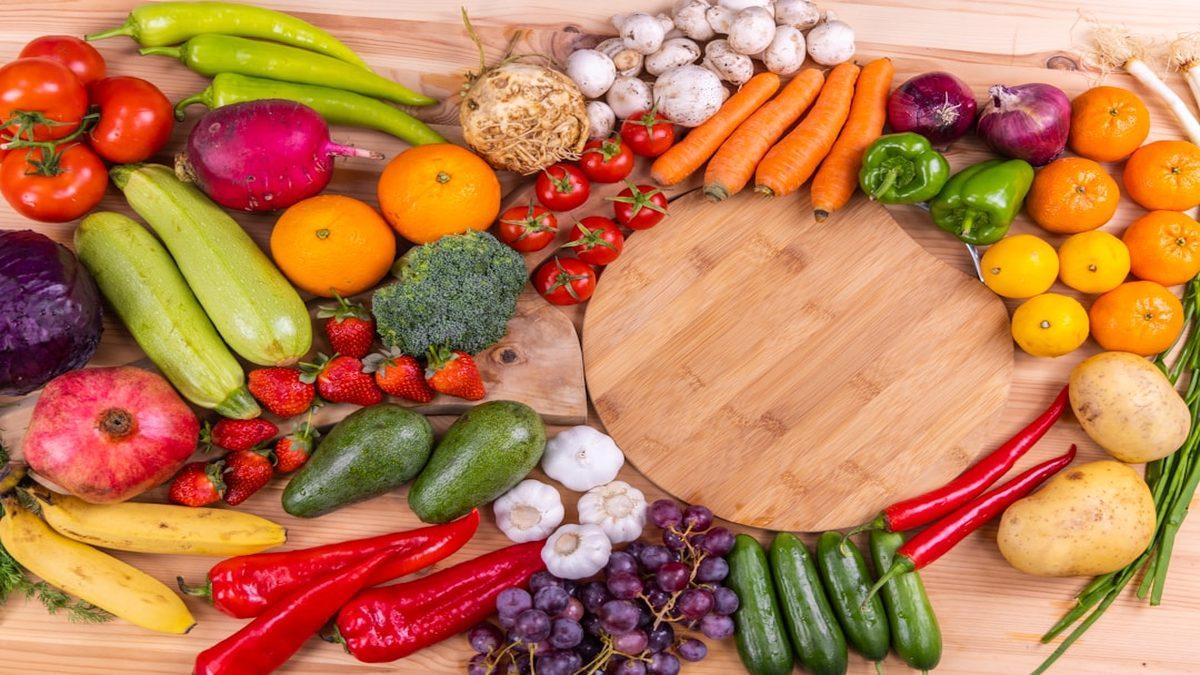
Why Plant-Based Swaps for Heart Health Actually Work
Before diving into specific swaps, it helps to understand why plant-forward eating supports your heart so effectively. Plants offer something processed foods simply cannot: a complete package of fiber, antioxidants, and phytonutrients working together in harmony. According to Harvard Health research on plant-based eating, diets centered around whole plant foods are consistently associated with better cardiovascular markers. This isn't about perfection or eliminating entire food groups. It's about shifting the balance on your plate toward what grows from the ground.
The Whole Food Difference
Whole foods arrive in your kitchen much as nature intended them. An apple still has its fiber. Oats still contain their beta-glucan. Walnuts still carry their omega-3 fatty acids. When you choose whole plant foods over their processed counterparts, you're getting the complete nutritional story rather than isolated fragments. This matters because nutrients work synergistically—the fiber in beans helps slow sugar absorption, while the potassium in leafy greens supports healthy blood pressure. Processed foods strip away these partnerships, leaving you with empty calories that don't truly nourish.
How Our Ancestors Approached Eating
Long before nutrition labels existed, people ate what the land provided. Seasonal vegetables, legumes dried for winter, nuts gathered in autumn, whole grains stored in clay pots. There was no debate about macros or supplements—just food in its natural form. This ancestral approach to eating didn't require willpower because processed alternatives didn't exist. By returning to this foundation, plant-based swaps for heart health become intuitive rather than restrictive. You're not following a trend; you're reconnecting with timeless wisdom about how humans have always thrived.
Five Effortless Swaps to Start This Week
Now let's get practical. These five swaps require minimal effort but create meaningful shifts in how you nourish your heart. Each one replaces something common in modern kitchens with a whole-food alternative that tastes just as satisfying—often more so, once your palate adjusts to real flavors again.
Swap Refined Grains for Whole Grains
White rice, white pasta, and white bread have had their fiber and nutrients processed away. Swapping them for brown rice, whole grain pasta, or sprouted bread instantly increases your fiber intake while providing B vitamins and minerals your cardiovascular system appreciates. The texture might feel different at first, but within a week or two, refined grains start tasting oddly flat by comparison. Try cooking a big batch of quinoa or farro at the beginning of the week to add to salads, soups, or grain bowls throughout the days ahead.
Swap Butter for Ripe Avocado
Creamy, rich, and satisfying—avocado delivers the mouthfeel you crave from butter while providing monounsaturated fats and potassium. Spread it on toast, blend it into smoothies for thickness, or mash it into baked goods for moisture. One medium avocado contains nearly a quarter of your daily potassium needs, a mineral essential for maintaining healthy blood pressure. This swap works beautifully in both savory and sweet applications. Chocolate avocado mousse might sound unusual, but it's remarkably delicious.
Building Heart-Supportive Meals Without Overwhelm
The challenge with most diet advice is that it requires you to think too hard. Meal planning becomes another chore, another source of decision fatigue. But plant-based swaps for heart health work best when they become automatic—when reaching for walnuts instead of croutons feels as natural as breathing. The goal is building simple systems that remove the guesswork from your daily eating.
The Simple Plate Formula
Every meal can follow a basic template: half the plate filled with vegetables, a quarter with whole grains or starchy vegetables, and a quarter with plant protein like beans, lentils, or tempeh. Add a drizzle of olive oil or a sprinkle of seeds, and you have a complete, nourishing meal. This formula works for breakfast (think veggie scrambles with whole grain toast), lunch (hearty grain bowls), and dinner (stir-fries over brown rice). If you want a visual guide that makes this even easier, my Instant Plate Builder walks you through creating balanced plates without measuring or calculating anything.
Batch Cooking for Busy Weeks
Spending an hour or two on a weekend afternoon preparing staples sets you up for success all week long. Cook a pot of lentils, roast a sheet pan of vegetables, prepare a jar of homemade dressing, and suddenly healthy eating requires almost no daily effort. When the wholesome option is also the easiest option, you naturally gravitate toward it. Store cooked grains and legumes in glass containers in your refrigerator, ready to be assembled into quick meals. This approach honors your time while ensuring plant-forward choices remain accessible even on your busiest days.
Three More Plant-Based Swaps for Heart Health
Let's continue building your repertoire of simple swaps. Each of these can be implemented gradually—there's no need to change everything at once. Choose one that resonates and give it a full week before adding another. Sustainable change happens through gentle accumulation, not dramatic overhaul.
Swap Processed Snacks for Nuts and Seeds
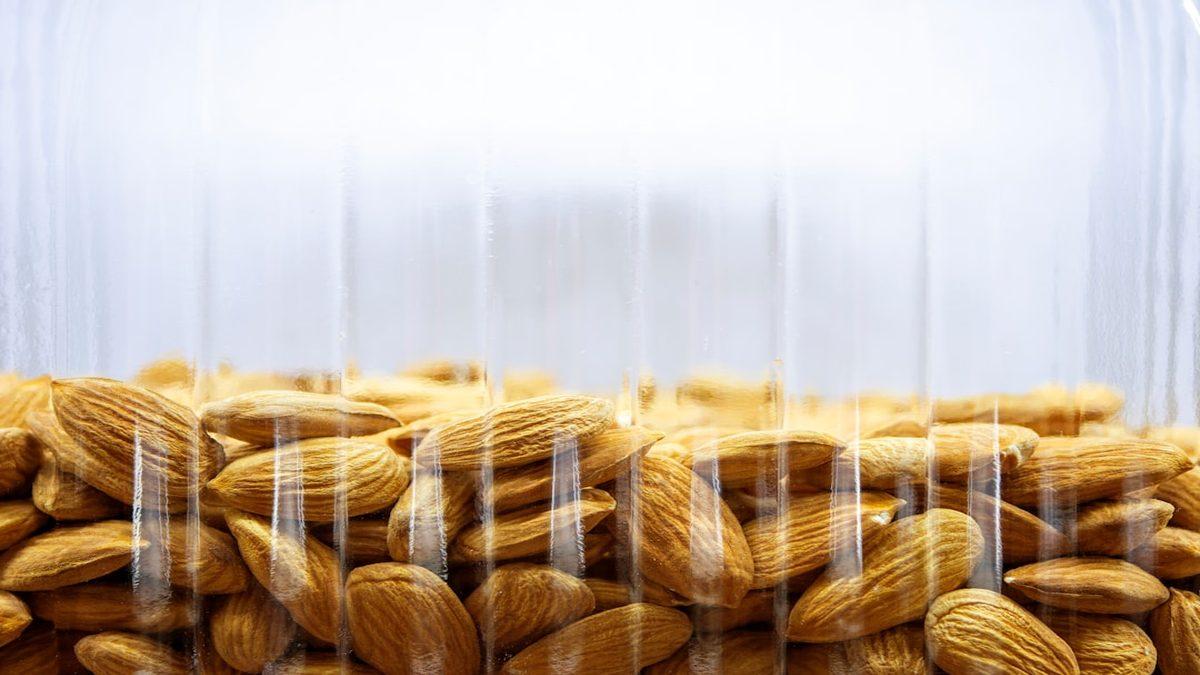
Instead of reaching for chips or crackers, keep a container of raw almonds, walnuts, or pumpkin seeds within easy reach. These whole foods provide healthy fats, protein, and fiber that keep you satisfied between meals. Mayo Clinic research highlights nuts as particularly beneficial for cardiovascular wellness when eaten regularly in moderate amounts. A small handful—about an ounce—makes a perfect afternoon snack. Try mixing different varieties with a few dried berries for a trail mix that satisfies both crunchy and sweet cravings.
Swap Sugary Drinks for Herbal Infusions
Sodas, sweetened teas, and fruit juices deliver concentrated sugar without the fiber that whole fruit provides. Herbal teas, naturally flavored water with cucumber or citrus slices, and unsweetened sparkling water offer refreshment without the sugar load. This swap alone can significantly reduce your daily added sugar intake. Keep a pitcher of hibiscus tea in your refrigerator for a beautiful ruby-colored drink that feels special without any sweeteners. Over time, your taste preferences will shift, and overly sweet beverages will start tasting almost medicinal.
Swap Dairy Cream for Cashew Cream
Soaking raw cashews and blending them with water creates a silky cream that works wonderfully in soups, sauces, and desserts. This swap provides the richness you might miss while introducing beneficial plant compounds. Cashew cream stores well in the refrigerator for about a week, ready to be stirred into curry, drizzled over roasted vegetables, or whisked into pasta dishes. The neutral flavor absorbs whatever seasonings you add, making it incredibly versatile. Start with a basic recipe of one cup soaked cashews to three-quarters cup water, then adjust thickness to your preference.
Frequently Asked Questions About Plant-Based Swaps for Heart Health
Do I need to become fully vegan to support my heart?
Absolutely not. Plant-based swaps for heart health are about shifting the balance of your plate toward more whole plant foods, not about achieving dietary perfection. Many people find that focusing on adding more plants rather than eliminating other foods creates sustainable change that actually sticks. Meet yourself where you are and make gradual shifts that feel manageable. Even replacing one meal a day with a plant-forward option creates meaningful momentum.
How quickly might I notice changes from these swaps?
Everyone's experience differs based on their starting point and overall lifestyle factors. Some people report feeling more energetic within the first week of eating more whole plant foods, while others notice gradual shifts over several months. Focus on how you feel rather than chasing specific outcomes—more sustained energy, easier digestion, and clearer thinking are common experiences. Remember that nourishing your body is a long-term practice, not a quick fix.
Are plant-based swaps more expensive than conventional eating?
When you center your meals around whole foods like beans, lentils, whole grains, and seasonal vegetables, plant-forward eating is often more affordable than diets heavy in processed foods and animal products. Buying in bulk, choosing frozen vegetables and fruits, and cooking at home all help keep costs manageable. The perceived expense usually comes from specialty processed vegan products, which aren't necessary for genuine plant-based nourishment. Stick with simple whole ingredients, and your grocery bill may actually decrease.
Making plant-based swaps for heart health is less about following rigid rules and more about returning to the simple, nourishing way humans have always eaten when they listened to their bodies and honored the earth's offerings. Each swap you make is a small act of self-care, a quiet commitment to showing up for yourself one meal at a time. There's no finish line here—just an ongoing practice of choosing foods that make you feel alive. Let these swaps become second nature, and trust that small changes accumulate into profound shifts over time.
Your Next Step
If you're ready to simplify plant-forward eating even further, I've gathered everything I use and recommend in one place. From my Instant Plate Builder to simple guides that take the guesswork out of wholesome cooking, you'll find my plant-forward kit waiting for you. No overwhelm, no complicated systems—just practical tools to help you nourish simply and live fully, one plate at a time.