5 Simple Tools for Faster Plant-Forward Meal Prep
Plant-forward meal prep becomes effortless with these 5 simple kitchen tools. Spend less time cooking, more time living. Get the guide.
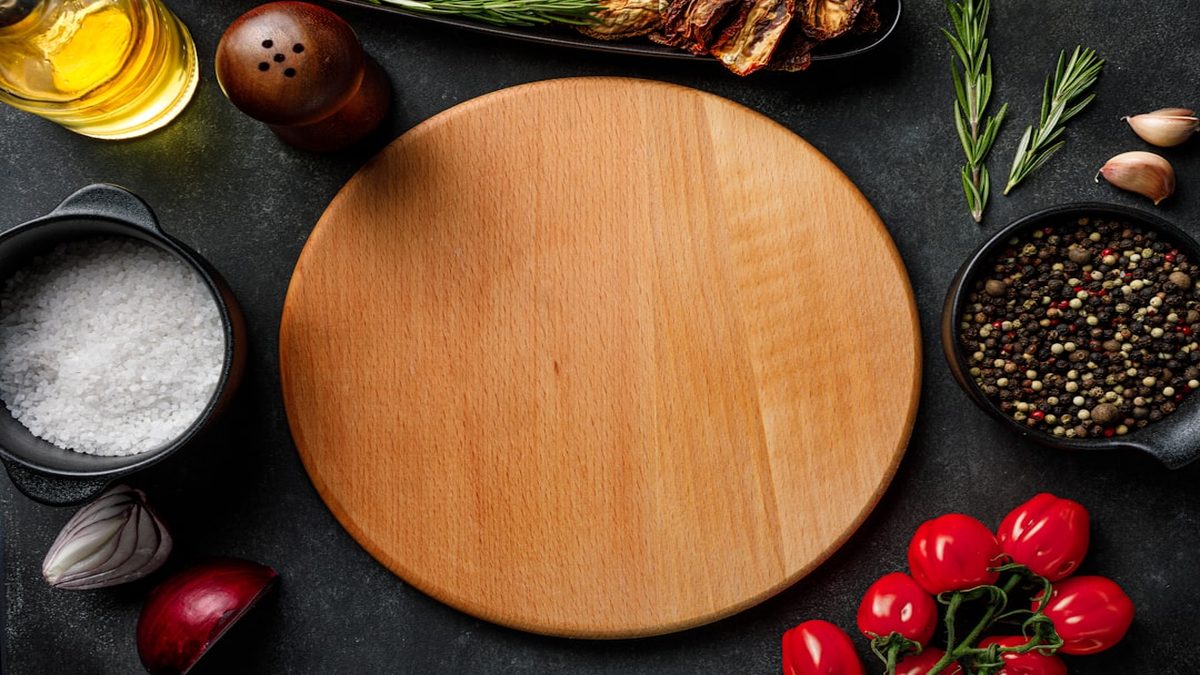
A streamlined kitchen with just five essential tools transforms plant-forward meal prep from a weekend chore into a fifteen-minute daily ritual. That's the honest answer — you don't need a gadget-filled kitchen or hours of free time. What you need is the right simple kit, positioned within arm's reach, ready to turn whole foods into nourishing plates without friction. If you've been searching for a way to make plant-forward meal prep feel natural rather than forced, this is your starting point. The ancestors who ate simply from the earth didn't have complicated systems. They had reliable tools and seasonal ingredients. We can honor that wisdom while adapting it to modern life, and it begins with understanding exactly what belongs in your prep space and what doesn't.
Why Plant-Forward Meal Prep Changes Everything
There's a quiet revolution happening in kitchens around the world. People are stepping away from processed convenience foods and returning to something that feels both ancient and refreshing — meals built around vegetables, legumes, whole grains, and seeds. But here's what nobody talks about enough: the transition fails not because of willpower, but because of friction. When chopping an onion feels like a production, when finding the right pot becomes a treasure hunt, the easiest path wins. And the easiest path is usually the drive-through or the frozen aisle.
Plant-forward meal prep succeeds when your kitchen setup removes that friction entirely. According to Harvard Health's research on plant-based eating, simplicity and consistency matter far more than perfection. The families and individuals who sustain this way of eating long-term share one common thread: they've made the physical act of preparing food nearly effortless.
The Hidden Cost of Kitchen Clutter
Every gadget that doesn't serve a daily purpose becomes an obstacle. That spiralizer you used twice? It's blocking your reach to the cutting board. The bread maker collecting dust? It's taking up counter space that could hold your morning prep station. Clutter creates decision fatigue before you even start cooking. When you open a drawer and see seventeen utensils tangled together, your brain quietly registers that as complexity. And complexity is the enemy of consistency.
The solution isn't organizing better — it's owning less. A minimalist approach to kitchen tools mirrors the minimalist approach to eating that makes plant-forward living sustainable. Whole foods. Simple preparations. Clean flavors. Your tools should reflect that same philosophy.
How the Right Tools Support Whole-Food Eating
When your knife glides through sweet potatoes without resistance, you're more likely to roast them tonight. When your blender pulverizes cashews into cream in seconds, dairy-free sauces become a realistic weeknight option. The right tools don't just save time — they expand what feels possible. They transform plant-forward meal prep from something you should do into something you genuinely want to do.
This isn't about expensive equipment. Our great-grandparents prepared magnificent meals with cast iron, wooden spoons, and sharp knives. The core hasn't changed. What has changed is our relationship with convenience, and reclaiming that relationship starts with intentional choices about what earns space in your kitchen.
The Five Essential Tools for Effortless Prep
After years of testing, donating, and simplifying, five categories of tools have proven themselves indispensable for consistent plant-forward meal prep. These aren't luxury items — they're workhorses. Each one serves multiple purposes, handles daily use without complaint, and makes the difference between meals that happen and meals that don't.
A Sharp Chef's Knife That Fits Your Hand
Nothing — and I mean nothing — impacts your prep experience more than your knife. A dull blade turns chopping into crushing, makes precise cuts impossible, and actually increases injury risk because you're forcing instead of slicing. You don't need an entire knife block. You need one quality chef's knife between seven and eight inches, kept sharp, that feels balanced in your grip.
The right knife transforms vegetable prep from tedious to almost meditative. Onions fall into perfect crescents. Carrots become uniform coins. Leafy greens ribbon effortlessly. When the tool matches the task, plant-forward meal prep becomes something you look forward to rather than dread.
A High-Speed Blender Worth the Investment
If there's one place to allocate budget in your kitchen, it's here. A powerful blender does the work of multiple appliances — food processor, immersion blender, even grain mill. It creates silky soups from whole vegetables, transforms soaked cashews into cheese sauces, blends frozen fruit into instant soft-serve, and grinds oats into flour for quick pancakes.
The difference between a standard blender and a high-speed model is the difference between chunky and creamy, between five minutes of blending and thirty seconds. For anyone committed to whole-food eating, this tool pays for itself in options alone. A good high-speed blender opens doors that stay closed otherwise.
Building Your Batch Cooking Station
Plant-forward meal prep thrives on batch cooking — preparing components in larger quantities so assembly throughout the week takes minutes, not hours. A pot of cooked quinoa. A sheet pan of roasted vegetables. A jar of tahini dressing. These building blocks mean dinner is always twenty minutes away, even on the most exhausting evenings.
But batch cooking requires the right vessels. You need pots and pans that heat evenly, sheet pans that don't warp, and storage containers that stack without chaos. The goal is a station — a designated flow from prep to cooking to storage — that makes the process intuitive.
Sheet Pans and Roasting Vessels
Two or three heavy-duty sheet pans handle most batch cooking needs. Choose rimmed pans that won't warp at high temperatures — this matters more than brand. When sweet potatoes, chickpeas, and broccoli can roast simultaneously on separate pans, your weekly plant-forward meal prep happens in a single Sunday afternoon session.
Pair your sheet pans with a quality Dutch oven or heavy-bottomed pot. This is where beans simmer, soups develop, and grains steam to perfection. Cast iron or enameled cast iron both work beautifully. The weight matters — heavier vessels distribute heat more evenly, preventing the scorching that ruins otherwise perfect dishes.
Glass Storage That Actually Works
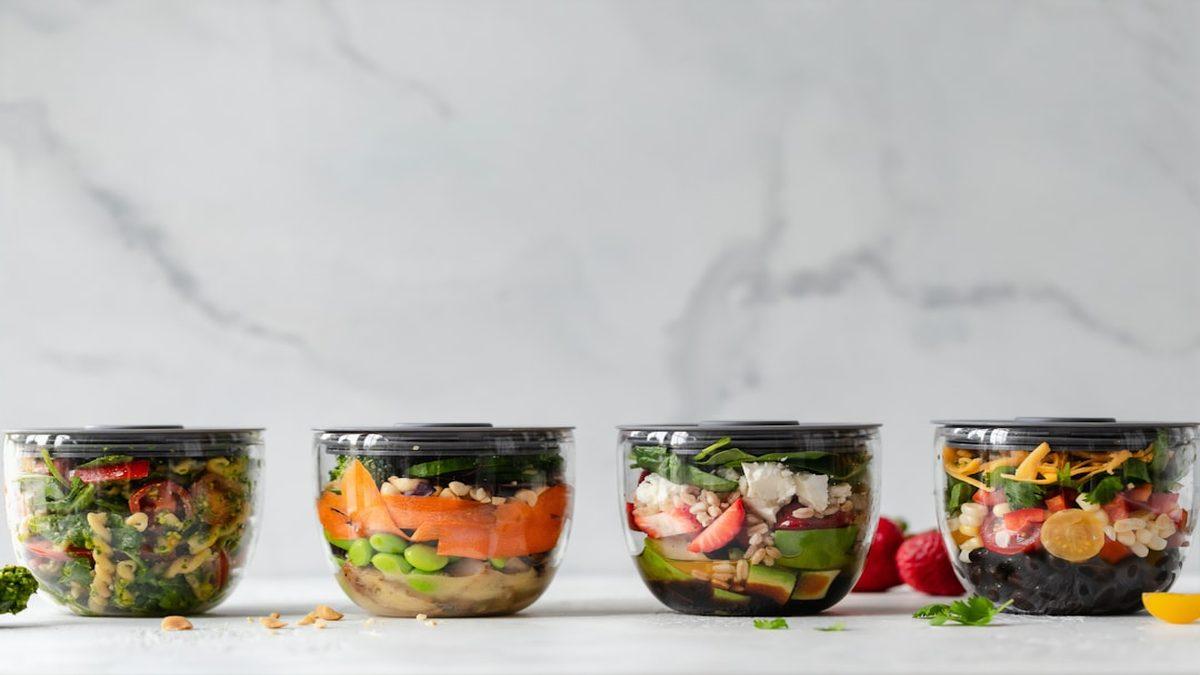
Plastic containers stain, warp, and absorb odors. Glass storage solves all three problems while letting you see exactly what's inside without opening lids. Choose a nesting set with interchangeable lids to minimize drawer chaos. Having visible, organized components in your refrigerator makes healthy eating feel automatic — the research from Healthline on meal preparation strategies confirms that visual accessibility dramatically increases the likelihood of choosing prepared whole foods over convenience alternatives.
The container stage of plant-forward meal prep is where many people stumble. Mismatched lids, towers of plastic threatening to avalanche — these small frustrations compound into avoidance. Investing in a coherent storage system eliminates one more source of friction.
Tools That Expand Your Plant-Forward Meal Prep Possibilities
Beyond the absolute essentials, a few supporting tools broaden what you can create without adding clutter. These are the items that turn good meals into excellent ones, that make certain techniques accessible, and that support the variety necessary for long-term sustainability.
A Quality Cutting Board With Proper Care
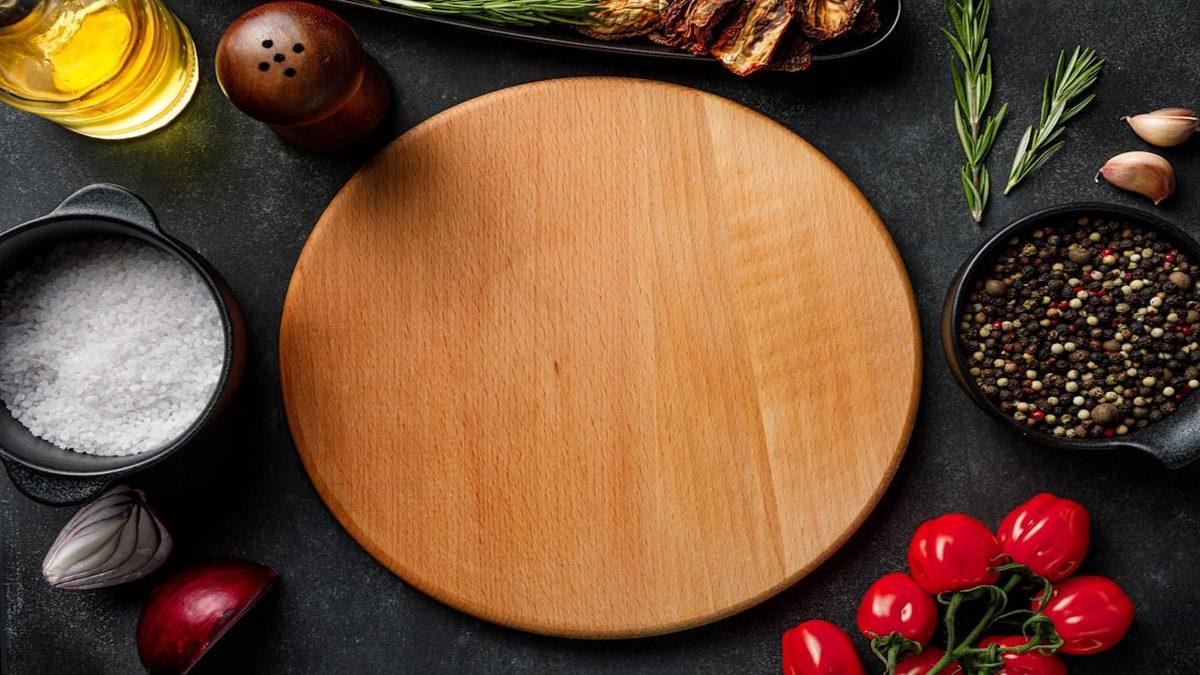
Your cutting board is the foundation of every prep session. Wood or bamboo boards are gentler on knife edges and naturally antimicrobial when properly maintained. Choose a board large enough to work comfortably — cramped cutting space slows everything down and increases mess.
Keep two boards if possible: one for alliums and strong-flavored vegetables, another for fruits and milder ingredients. This prevents flavor transfer and keeps your morning fruit prep from tasting like last night's garlic. Simple wood board oil applied monthly keeps the surface from drying and cracking.
Measuring Tools You'll Actually Use
A nested set of measuring cups, a few measuring spoons, and a kitchen scale cover virtually every recipe need. The scale matters more than most people realize — weight measurements are more accurate than volume, especially for baking and for portioning grains and legumes during batch prep.
These tools seem basic, but their absence creates problems. Guessing at quantities leads to inconsistent results, which leads to frustration, which leads to abandoning recipes that would otherwise become staples. Precision doesn't mean rigidity — it means reliability. Your plant-forward meal prep becomes predictable in the best sense when measurements stay consistent.
Frequently Asked Questions About Plant-Forward Meal Prep
How much time does plant-forward meal prep actually require each week?
Most people find that two to three hours of focused batch cooking on a weekend day, plus ten to fifteen minutes of daily assembly, covers all meals comfortably. The initial learning curve takes longer, but within a few weeks, the rhythm becomes second nature. The key is preparing components rather than complete meals — cooked grains, roasted vegetables, washed greens, and homemade dressings combine in endless variations throughout the week.
Can I start plant-forward meal prep with the tools I already own?
Absolutely. Start with whatever you have and notice where friction appears. If your knife struggles through butternut squash, that's a clear upgrade priority. If your blender can't smooth out soups, there's your next investment. Let your actual experience guide your purchases rather than buying everything at once. The minimal approach means adding thoughtfully, not accumulating hastily.
What's the single most important tool for someone just beginning?
A sharp, comfortable chef's knife. Everything in plant-forward cooking starts with cutting vegetables, and a quality knife makes every other step easier. You can work around a mediocre blender or mismatched containers, but fighting a dull knife during every prep session will drain your motivation faster than anything else.
Plant-forward meal prep isn't about perfection or following someone else's complicated system. It's about creating conditions where nourishing yourself becomes the path of least resistance. When your kitchen supports you — when every tool earns its place and serves its purpose — eating well stops feeling like effort and starts feeling like coming home. The simplest kit, the clearest counter, the sharpest knife: these small choices ripple outward into every meal you make.
Your Next Step
If you're ready to simplify your approach and want a framework for building balanced plates quickly, I've gathered everything I use in one place — including the Instant Plate Builder guide that walks you through creating nourishing meals in minutes with whatever whole foods you have on hand. No complicated recipes, no long ingredient lists. Just a simple system that actually sticks. One plate at a time.