8 Potent Plant Remedies Backed by Science
Explore 8 powerful, plant-based remedies rooted in traditional use and validated by modern research. Learn about their benefits, from liver support to skin health.
Long before the advent of modern pharmaceuticals, humans relied on the natural world for healing. Today, science is beginning to validate many of these ancient practices, revealing the powerful compounds hidden within common plants and weeds.
This article explores eight evidence-based plant remedies, delving into their historical use and the contemporary research that supports their benefits. This information is for educational purposes and is not a substitute for professional medical advice.
1. Purple Cabbage: Cellular Protection and Inflammation
Historical Use and Modern Research
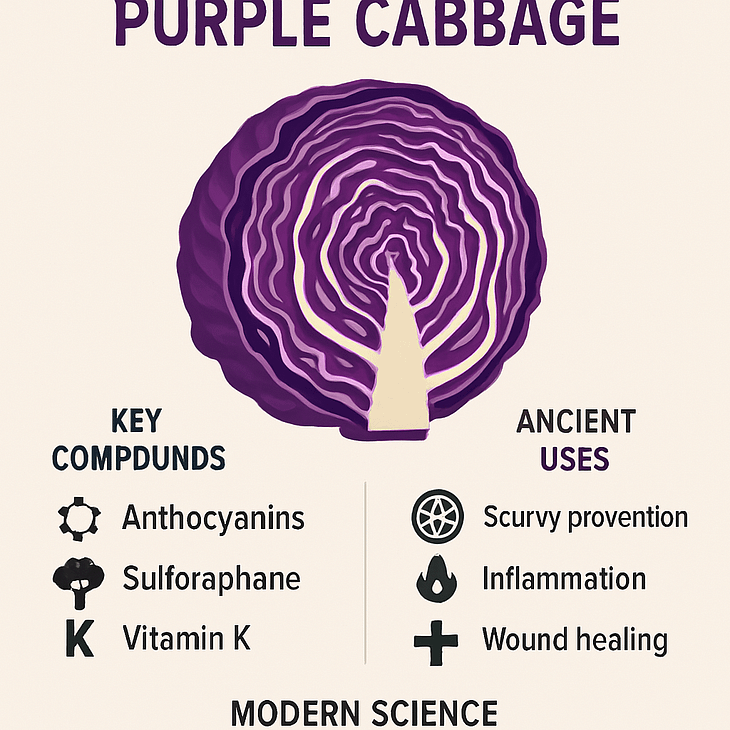
Purple cabbage has a long history of use, from preventing scurvy in the Roman era to reducing inflammation in Traditional Chinese Medicine (TCM). Its brilliant color is a testament to its high concentration of anthocyanins, a class of powerful antioxidants known to combat oxidative stress.
These potent compounds have been studied for their ability to protect DNA and inhibit the growth of cancer cells. Purple cabbage also contains sulforaphane, a sulfur-rich compound recognized for its detoxification and anti-cancer effects. Sulforaphane works by activating phase II detoxification enzymes in the liver, which helps the body neutralize and expel harmful substances. Additionally, purple cabbage is an excellent source of vitamin K, which is essential for blood clotting and bone health.
How to Use
To maximize its benefits, incorporate raw or fermented purple cabbage into your diet. Consuming it raw preserves heat-sensitive nutrients, while fermentation into sauerkraut enhances its probiotic content. Due to its high vitamin K content, individuals taking blood-thinning medication should consult their healthcare provider before significantly increasing their intake.
2. Burdock Root: Blood Purification and Skin Health
Historical Use and Modern Research
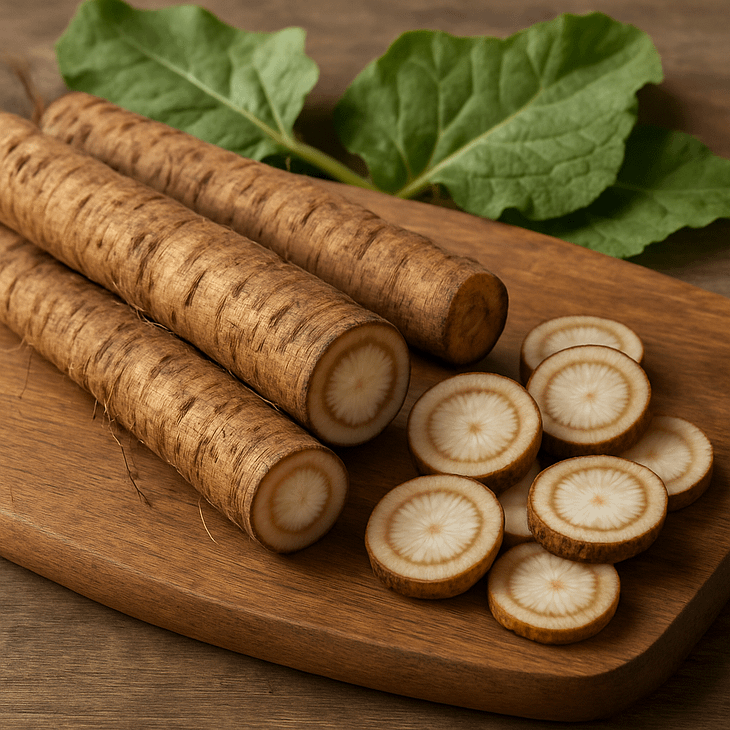
Burdock root holds a significant place in herbal traditions. Native Americans used it to address skin conditions, while European herbalism employed it for eczema and psoriasis. Its traditional reputation as a "blood purifier" is now being understood through a scientific lens.
The root is rich in inulin, a prebiotic fiber that nourishes beneficial gut bacteria and supports a healthy microbiome. It also contains arctigenin, a compound with antioxidant and anti-inflammatory properties. Research has explored its role in liver detoxification by enhancing bile flow, and other studies point to its antimicrobial effects against certain pathogens.
How to Use
Burdock root can be prepared as a tea (decoction), taken as a tincture, or cooked in dishes. However, pregnant individuals are advised to avoid it due to a risk of stimulating uterine contractions. Those with sensitivities to the ragweed family may also experience allergic reactions.
3. Dandelion Greens: Liver Function and Nutrient Density
Historical Use and Modern Research
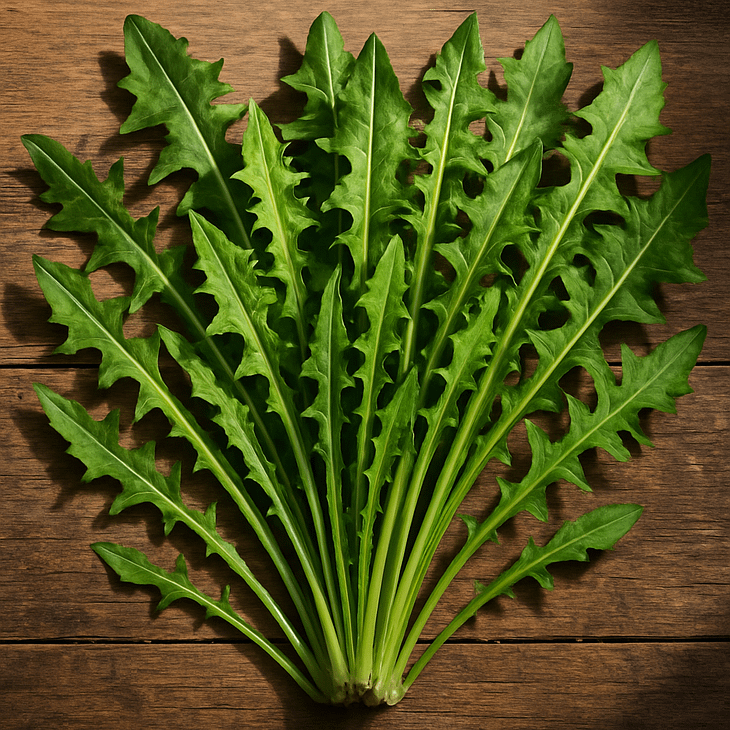
Far from being just a garden weed, dandelion has been used for centuries to support the liver. Arabian physicians used it for liver ailments, while TCM has used it for gallbladder issues and hepatitis. Dandelion greens are a rich source of potassium, acting as a natural diuretic that doesn't deplete the body of this essential mineral.
The plant’s bitter compounds, such as taraxasterol, stimulate bile production, which aids in fat digestion and liver detoxification. Research confirms its hepatoprotective (liver-protecting) effects. In terms of nutrition, it is a powerhouse, containing more vitamin A than carrots and more iron than spinach.
How to Use
Young, tender dandelion greens can be eaten raw in salads, while older leaves are best cooked to reduce their bitterness. Because of its diuretic properties, consult a healthcare provider if you have kidney issues or are on medications that affect fluid balance. Always source greens from areas free of pesticides and pollutants.
4. Purslane: Omega-3 Fatty Acids and Antioxidants
Historical Use and Modern Research
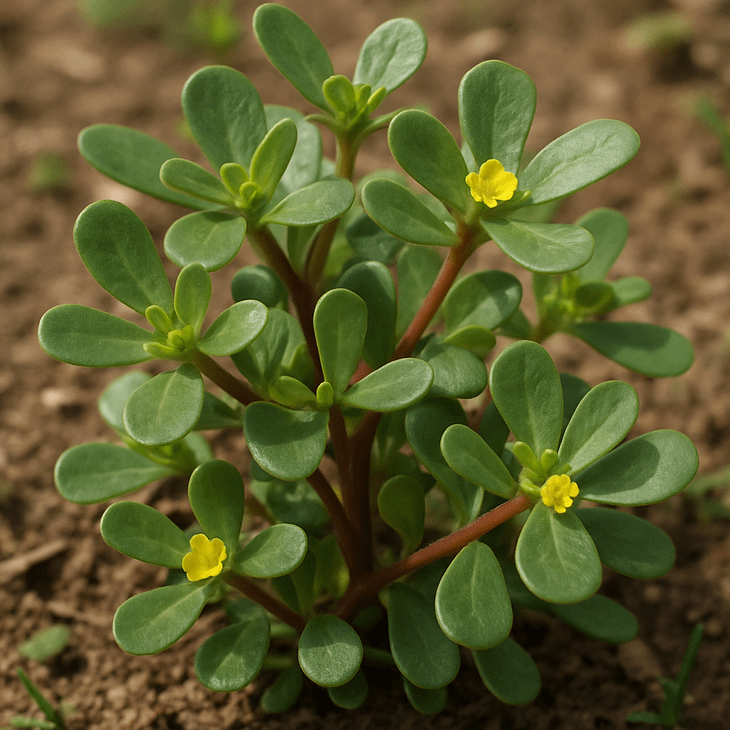
Another plant often overlooked as a weed, purslane was valued by ancient cultures for treating headaches and heart ailments. It stands out in the plant kingdom for having the highest plant-based concentration of alpha-linolenic acid (ALA), an essential omega-3 fatty acid.
Omega-3s are critical for cardiovascular health, brain function, and reducing inflammation. Purslane is also rich in betalains, the same potent antioxidants found in beets, and even contains natural melatonin, which may help regulate sleep.
How to Use
Purslane has a pleasant, slightly sour and salty taste, making it a great addition to salads and sandwiches. It can also be cooked like spinach. However, purslane contains oxalates, so individuals prone to kidney stones should consume it in moderation.
5. Cranberries: Urinary Tract Health
Historical Use and Modern Research
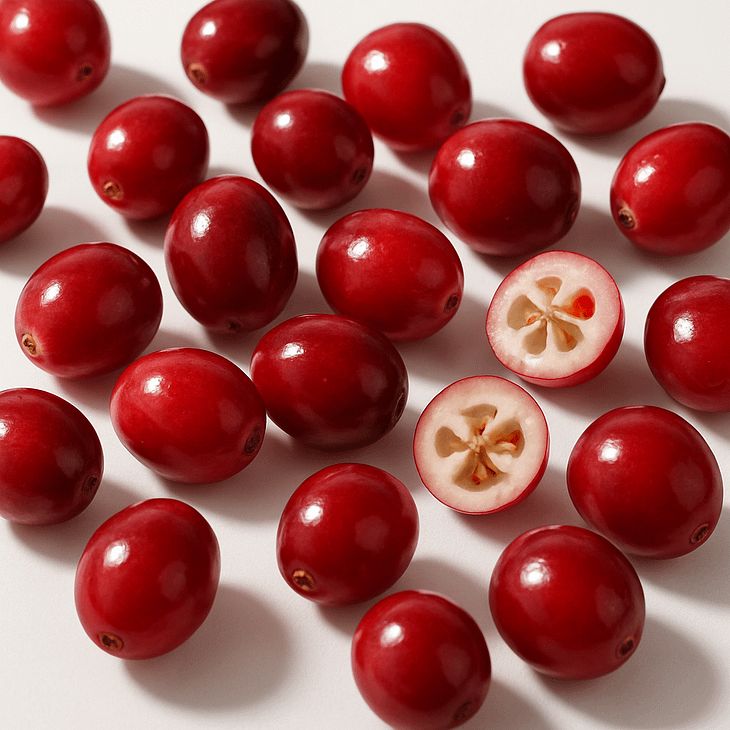
Native American communities have long used cranberries for urinary issues and wound care. Modern science has identified the mechanism behind its most famous use: preventing urinary tract infections (UTIs).
Cranberries contain a unique type of antioxidant called A-type proanthocyanidins (PACs). These PACs have an anti-adhesion effect, meaning they prevent bacteria like E. coli from sticking to the walls of the urinary tract, thus flushing them out before an infection can take hold. Studies show that consistent intake of PAC-standardized cranberry products can significantly reduce the recurrence of UTIs.
How to Use
For UTI prevention, concentrated extracts or capsules standardized for PAC content are often more effective than juice, which can be high in sugar. Whole cranberries can also be added to the diet. Those on blood-thinning medications should consult their doctor, as high doses of cranberry may interact with these drugs.
6. Lamb’s Quarters: Complete Protein and Minerals
Historical Use and Modern Research
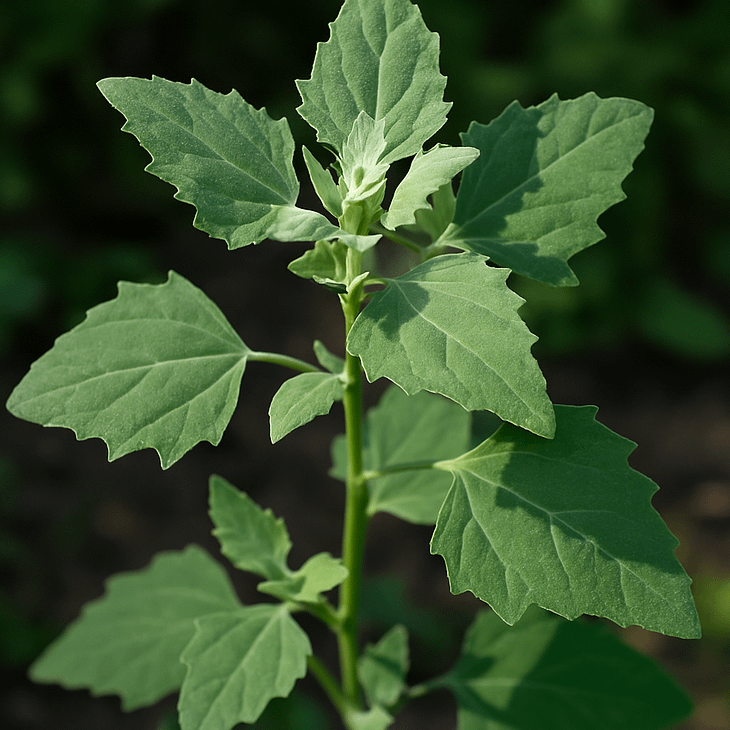
Lamb’s quarters (Chenopodium album), also known as wild spinach, has been a food source for thousands of years, with evidence of its consumption from Neolithic European settlements to Aztec civilizations.
Scientific analysis reveals it is a nutritional powerhouse. It boasts a complete amino acid profile, making it a rare plant-based source of complete protein comparable to its cousin, quinoa. It is also exceptionally rich in minerals like calcium and magnesium, which are crucial for bone health and muscle function.
How to Use
The young leaves and tender stems can be eaten raw or cooked like spinach. The seeds are also edible. Foraging requires expert identification, as look-alikes can be toxic. Like other leafy greens, lamb’s quarters contains oxalates and nitrates, so it should be eaten in moderation by those prone to kidney stones.
7. Aloe Vera: Soothing Skin and Digestion
Historical Use and Modern Research
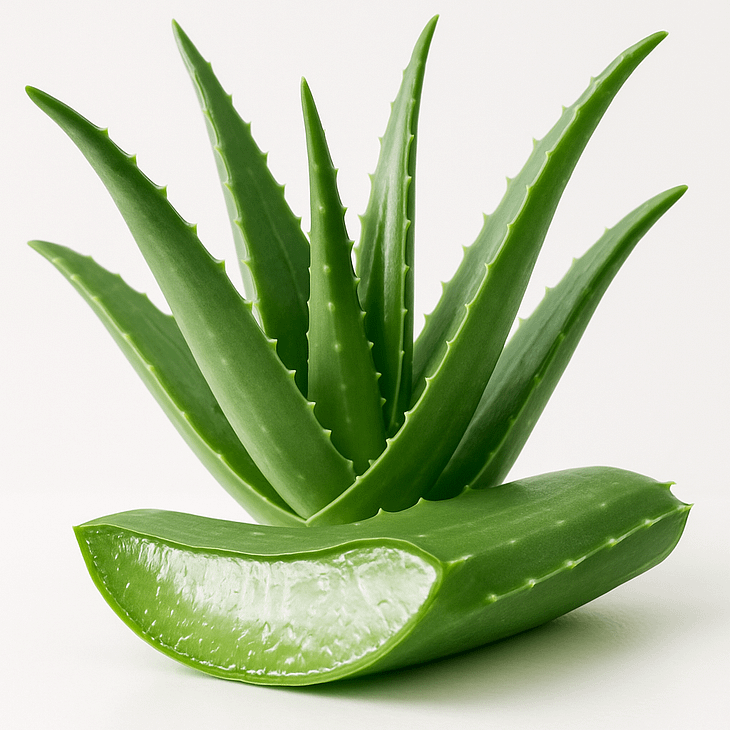
Known as the “plant of immortality” in ancient Egypt, aloe vera’s use in skin care is legendary. Alexander the Great is said to have used it to heal his soldiers' wounds. The clear inner gel is rich in polysaccharides that are responsible for its anti-inflammatory, immune-modulating, and wound-healing properties.
It is highly effective for treating burns and soothing skin irritation. When used internally, its polysaccharides may improve the integrity of the intestinal barrier, offering potential benefits for conditions like Irritable Bowel Syndrome (IBS).
How to Use
Pure aloe vera gel can be applied directly to the skin. For internal use, it is crucial to choose products made only from the inner leaf gel, as the outer leaf contains a yellow latex with strong laxative effects. Always consult a healthcare provider before taking aloe internally, especially if you are on medication.
8. Milk Thistle: Liver Guardian
Historical Use and Modern Research
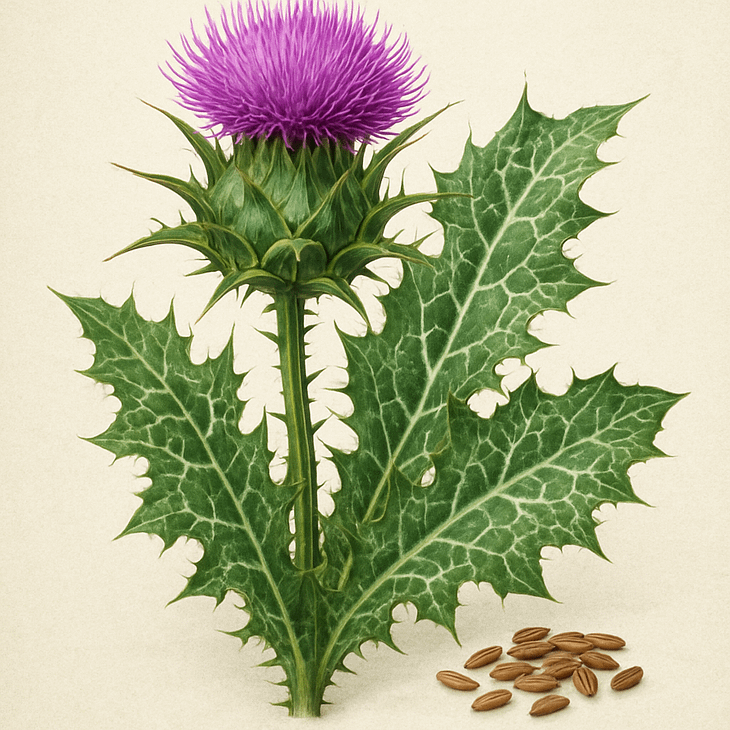
Milk thistle’s use as a liver tonic dates back 2,000 years, with mentions in the writings of the Greek physician Dioscorides. It was later cultivated in medieval monasteries for liver ailments. Modern research focuses on silymarin, a complex of compounds extracted from the seeds.
Silymarin is a potent antioxidant and anti-inflammatory agent that has been shown to protect liver cells from damage. Multiple studies support its ability to improve liver function in people with various liver conditions.
How to Use
Milk thistle is typically taken as a standardized extract to ensure a consistent dose of silymarin. As it can interact with medications metabolized by the liver, it is important to consult a professional. Individuals with hormone-sensitive conditions should also seek medical advice before use.
Frequently Asked Questions
Can I use these remedies instead of my prescription medication?
No. These plant remedies should be considered complementary to, not a replacement for, professional medical care and prescribed treatments. Always discuss any new supplements with your healthcare provider to ensure they are safe and appropriate for you.
Is it safe to forage for these plants myself?
Foraging requires absolute certainty in plant identification, as many edible plants have toxic look-alikes. Unless you are an expert, it is safer to purchase these herbs from reputable suppliers or grow them yourself from known seeds.
Why is third-party testing important for herbal supplements?
The supplement industry is not as strictly regulated as the pharmaceutical industry. Third-party testing by labs like ConsumerLab.com or certifications from NSF or USP verify that a product contains what it claims on the label, is free from contaminants, and has been manufactured properly.
The Bottom Line
The plant kingdom offers a wealth of powerful compounds that can support our health in profound ways. The remedies discussed here, backed by both traditional wisdom and modern science, can be valuable allies in a holistic approach to wellness. By making informed choices, prioritizing quality, and working with a knowledgeable healthcare provider, you can safely integrate the healing power of plants into your life.