Nutrient Dense Foods for Small Appetites: 5 Simple Ways
Nutrient dense foods for small appetites help you thrive when hunger dips. Learn 5 plant-forward ways to nourish fully. Start today.
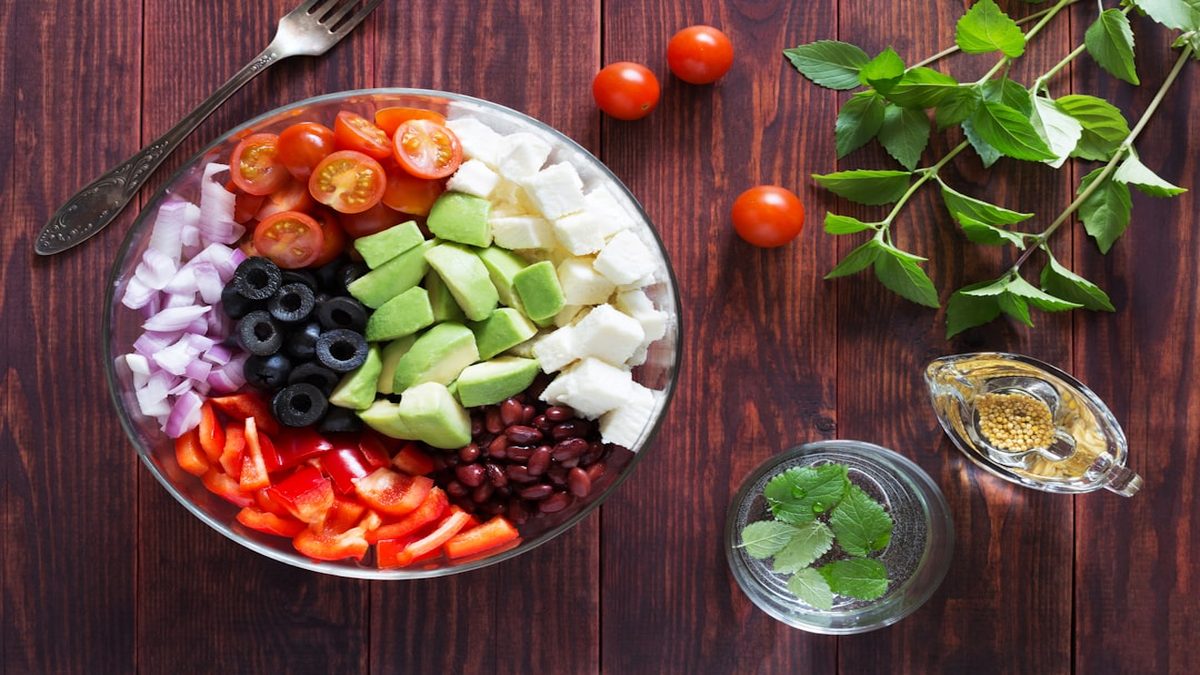
When appetite shrinks, every single bite becomes an opportunity to deeply nourish your body with plants, whole foods, and the nutrients you need most. That is the heart of eating well with a smaller hunger: choosing nutrient dense foods for small appetites that deliver maximum nourishment in minimal volume. Perhaps your appetite has shifted with age, stress, recovery, or simply the season of life you are in right now. Whatever brought you here, know this: you can absolutely thrive when eating less, as long as what you do eat truly counts. This gentle, plant-forward approach honors your body's signals while ensuring nothing essential falls through the cracks. Think of it as returning to the wisdom of our ancestors, who naturally ate whole, concentrated foods when resources were limited, and flourished because of it.
Understanding Nutrient Dense Foods for Small Appetites
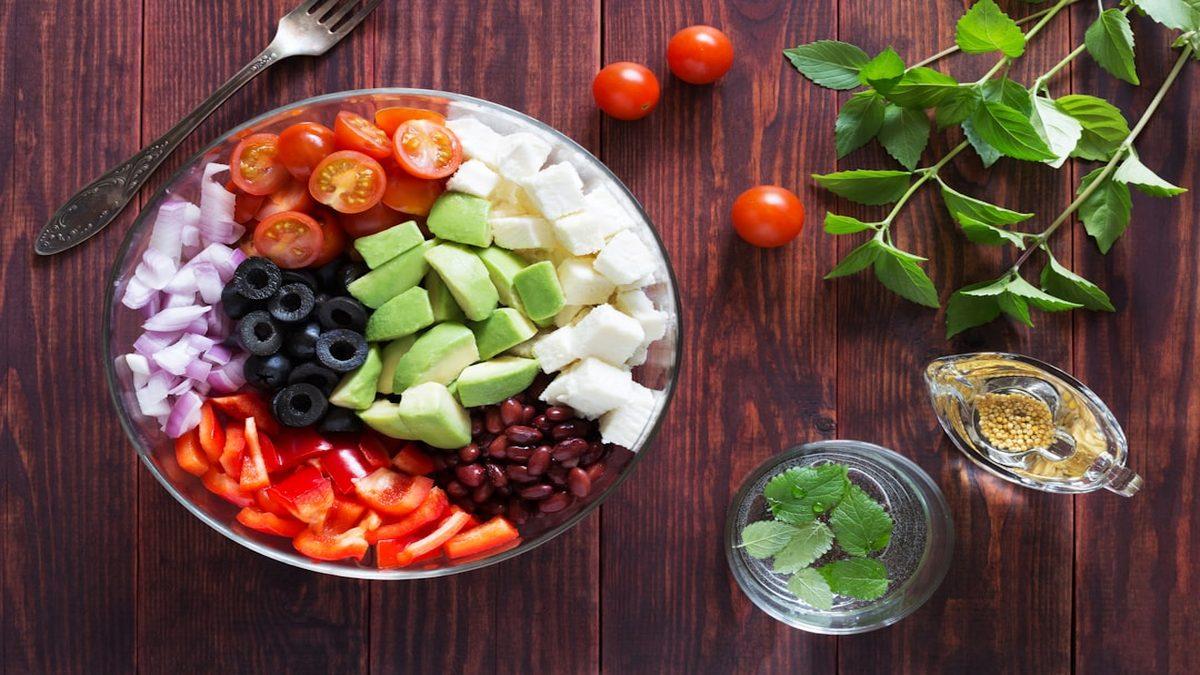
Nutrient density simply means the ratio of vitamins, minerals, fiber, and beneficial compounds to the number of calories in a food. When you are working with a smaller appetite, calorie-sparse foods that fill you up without delivering much nutrition become a problem. Instead, the focus shifts to plant foods that pack an incredible amount of goodness into every spoonful. According to Harvard Health, emphasizing nutrient-rich whole foods is especially important for older adults and anyone with reduced food intake. The beautiful thing about a plant-forward approach is that nature has already done the work. Leafy greens, legumes, seeds, whole grains, and colorful vegetables are naturally some of the most nutrient-concentrated foods on the planet.
Why Appetite Changes Happen
Appetite can shift for so many reasons, and none of them mean something is wrong with you. Aging naturally reduces hunger hormones. Medications can dull taste or create fullness. Emotional seasons, grief, stress, and even hot weather can all quiet the desire to eat. Recovery from illness often leaves the body asking for less food even as it needs more nutrition. Rather than fighting these changes, a wiser path is working with them. Honoring a smaller appetite while consciously choosing foods that deliver means you stop struggling and start nourishing. This is not about forcing more food down. It is about elevating every bite you do take.
The Whole-Food Difference
Processed foods often provide calories without much substance. A bag of chips might technically contain energy, but it leaves your cells hungry for the real building blocks they need. Whole plant foods do the opposite. A handful of pumpkin seeds offers zinc, magnesium, protein, and healthy fats. A small bowl of lentils delivers iron, folate, fiber, and plant protein. These are the foods our great-grandparents relied upon, and they remain the foundation of truly nourishing eating today. When appetite is limited, choosing whole foods over processed ones is not about restriction. It is about respect for your body's needs and the finite space you have to meet them.
Building Satisfying Small Meals
The secret to eating well with reduced appetite is building meals that satisfy on multiple levels without requiring large portions. This means thinking about flavor, texture, healthy fats, and protein alongside vitamins and minerals. A meal that tastes wonderful and feels complete will leave you feeling nourished even when the portion looks modest. Plant-forward eating naturally supports this because whole foods tend to be rich, complex, and deeply satisfying when prepared simply.
The Power of Healthy Fats
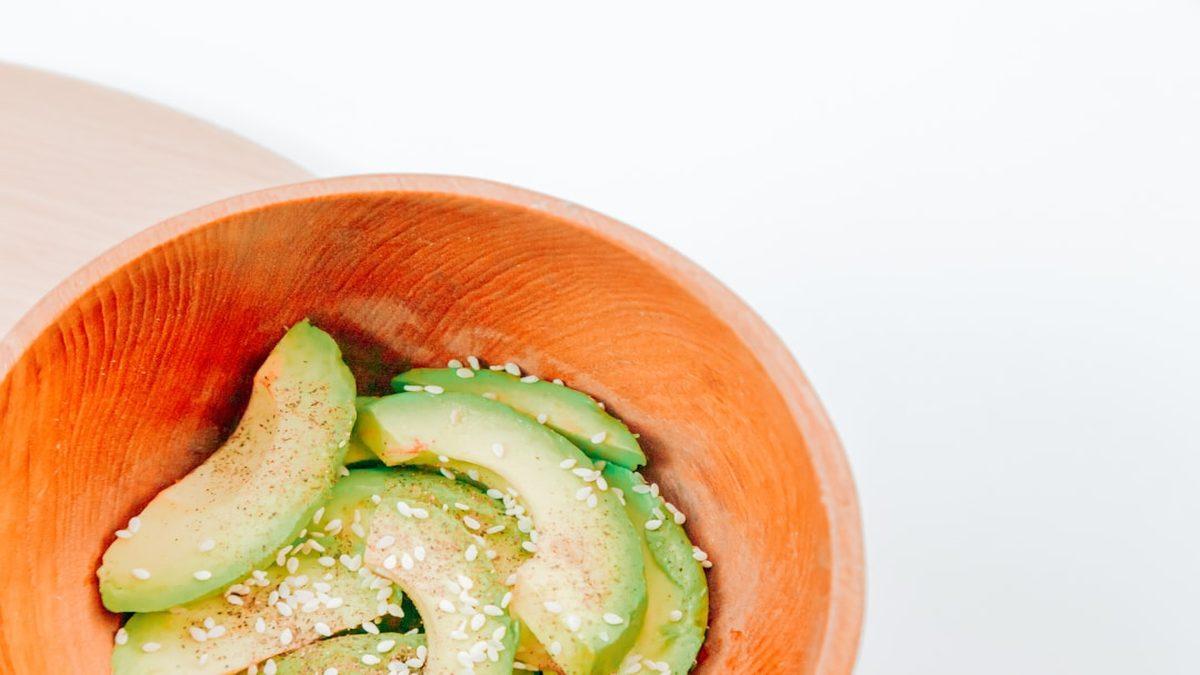
Healthy fats are your best friend when every bite needs to count. Avocado, tahini, extra virgin olive oil, nut butters, and seeds add calories and fat-soluble vitamins without adding bulk. A drizzle of good olive oil over steamed vegetables transforms both the nutrition and the experience. Fat also helps your body absorb nutrients like vitamins A, D, E, and K from the plants you eat. This is why traditional cuisines always paired vegetables with fats, whether olive oil in the Mediterranean or sesame in Asian cooking. A small meal with adequate healthy fat will sustain energy and satisfaction far longer than a larger fat-free plate.
Concentrating Plant Protein
Protein supports muscle maintenance, immune function, and cellular repair, all of which matter greatly when you are eating less overall. Fortunately, the plant world offers abundant concentrated protein sources. Legumes like lentils, chickpeas, and black beans are protein powerhouses. Hemp seeds, chia seeds, and pumpkin seeds add protein to smoothies, oatmeal, or salads with just a sprinkle. Tempeh and tofu provide complete proteins in small servings. A simple plant protein powder can also boost a smoothie without adding volume. The key is incorporating at least one protein-rich plant food into every eating occasion, even if that occasion is just a small snack.
Practical Strategies for Making Every Bite Count
Knowing which foods are nutrient dense is helpful, but putting that knowledge into daily life requires some gentle strategies. These approaches make nourishing eating feel natural rather than like a chore. They honor the reality of a smaller appetite while ensuring your body receives what it needs to thrive.
Eating Small and Often
Instead of three large meals that feel overwhelming, consider spreading nutrition across five or six smaller eating moments throughout the day. A morning smoothie, a mid-morning handful of trail mix, a small lunch, an afternoon snack of hummus and vegetables, a modest dinner, and perhaps a small evening bowl of warm oats. This pattern keeps energy stable, digestion comfortable, and removes the pressure of facing a large plate. Each small meal becomes an opportunity to add another layer of nourishment. Over a full day, the nutrients accumulate beautifully even though no single meal felt like too much.
Fortifying Everyday Foods
Simple additions can transform ordinary foods into nutrient-dense powerhouses. Stir a spoonful of ground flaxseed into your morning oatmeal for omega-3 fatty acids and fiber. Add nutritional yeast to soups or pasta for B vitamins. Blend white beans into sauces for hidden protein and creaminess. Sprinkle hemp hearts over avocado toast. Swirl nut butter into your smoothie. These small fortifications require no extra eating volume but significantly increase the nutritional return of every meal. According to Mayo Clinic, strategic nutrient additions can help maintain energy and muscle mass when overall intake decreases.
Sample Day of Nutrient Dense Foods for Small Appetites
Seeing how these ideas come together in a real day can make the approach feel more tangible and achievable. This sample day emphasizes whole plant foods, healthy fats, and concentrated nutrition without overwhelming portions. Adjust times and specific foods to match your preferences and what feels good in your body.
Morning Nourishment
Start with a small smoothie made from a handful of frozen berries, half a banana, a tablespoon of almond butter, a sprinkle of hemp seeds, and enough plant milk to blend smoothly. This provides antioxidants, potassium, protein, healthy fats, and fiber in an easy-to-consume form. If solid food feels better in the morning, try a small bowl of overnight oats topped with walnuts and a drizzle of maple syrup. Mid-morning, enjoy a small handful of mixed nuts or a few dates stuffed with tahini. These concentrated snacks maintain energy without requiring appetite you may not have.
Afternoon and Evening Plates
For lunch, consider a small bowl of lentil soup drizzled with olive oil alongside a slice of whole grain bread. The combination offers protein, fiber, complex carbohydrates, and satisfying warmth. An afternoon snack might be hummus with cucumber slices and cherry tomatoes, providing more plant protein and hydration. Dinner could be a modest portion of roasted vegetables, perhaps sweet potato, broccoli, and chickpeas, finished with a tahini lemon dressing. Before bed, if hunger arises, a warm cup of golden milk made with turmeric and plant milk offers comfort and anti-inflammatory compounds. Throughout this day, every eating moment contributes meaningfully to overall nourishment.
Frequently Asked Questions About Nutrient Dense Foods for Small Appetites
What are the best nutrient dense foods for small appetites?
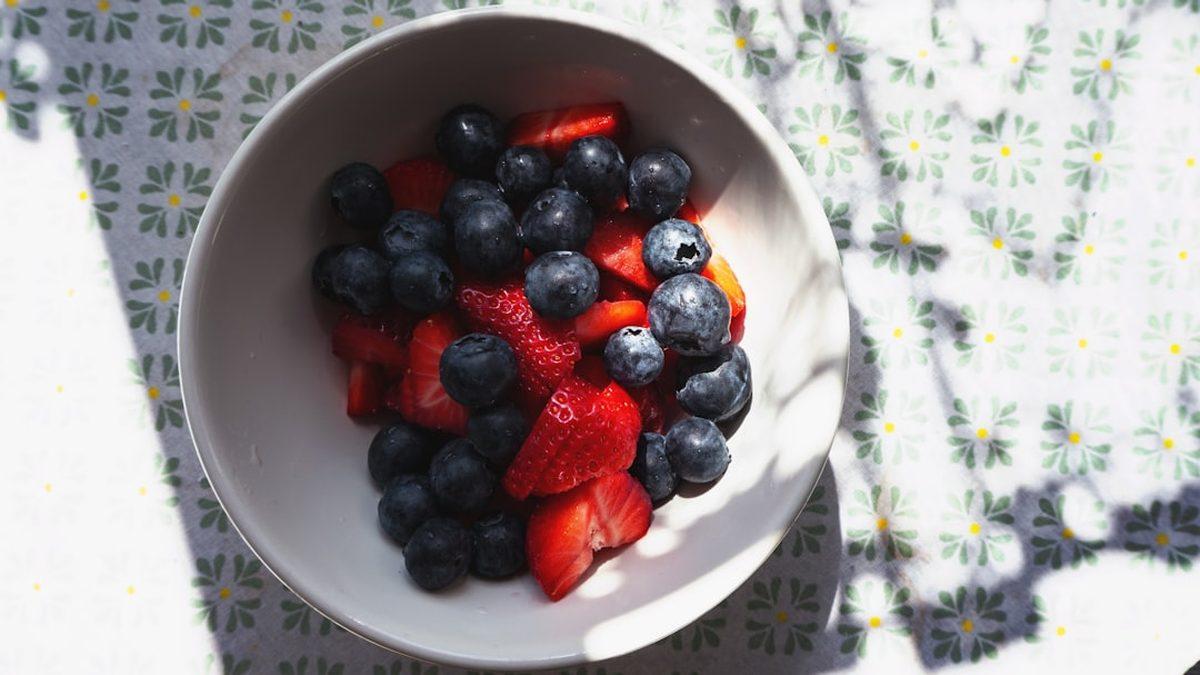
The best choices are whole plant foods that deliver maximum nutrition per bite. Leafy greens like kale and spinach, legumes such as lentils and chickpeas, seeds including chia, hemp, and pumpkin, avocados, sweet potatoes, and berries all qualify beautifully. Healthy fats from olive oil, nuts, and tahini help concentrate calories while aiding nutrient absorption. The key is choosing foods that are minimally processed and naturally rich in vitamins, minerals, fiber, and plant compounds.
How can I get enough protein when I cannot eat much?
Focus on protein-rich plant foods at every small meal or snack. Legumes, tofu, tempeh, edamame, nuts, seeds, and nut butters all provide significant protein in small portions. Adding a simple plant protein powder to smoothies or oatmeal can boost intake without adding volume. Spreading protein across multiple small eating occasions throughout the day tends to work better than trying to consume it all at once when appetite is limited.
Should I take supplements if my appetite is small?
While whole foods should always be the foundation, some people with persistently reduced appetites may benefit from targeted supplementation. This is a conversation best had with a healthcare provider who knows your individual situation. However, focusing first on nutrient dense foods for small appetites ensures you are getting nutrients in their most bioavailable, whole-food forms alongside the fiber and plant compounds that supplements cannot replicate.
Living well with a smaller appetite is absolutely possible when you approach eating with intention and gentleness. Choosing nutrient dense foods for small appetites transforms what could feel like limitation into an opportunity for deeper nourishment. Every colorful vegetable, every spoonful of seeds, every drizzle of good olive oil becomes a gift to your body. This is not about perfection or pressure. It is about honoring where you are while still giving yourself everything you need to flourish. One simple, nourishing bite at a time, you can feel truly well even when your hunger whispers rather than shouts.
Your Next Step
If you want a simple framework for building quick, nourishing plates without overthinking, I have gathered everything I use and recommend in one place. You will find my Instant Plate Builder ebook there, which makes assembling balanced plant-forward meals effortless even on low-appetite days. Visit my plant-forward kit whenever you are ready, and take the next gentle step toward eating well, simply.