7 Easy Kitchen Tools for Fast Plant-Based Prep
Kitchen tools for fast plant-based prep can transform your cooking routine. Discover the simple essentials that save hours weekly. Get the guide.
The right kitchen tools for plant-based prep can cut your cooking time in half while making whole-food meals genuinely enjoyable to create. A sharp knife, a reliable blender, and a few strategic pieces of equipment transform overwhelming ingredient lists into simple, flowing kitchen sessions. If you've ever abandoned a healthy recipe because the prep felt endless, the issue likely wasn't your motivation—it was your toolkit. The beautiful truth about plant-forward cooking is that it becomes effortless once you have the right companions on your countertop. These aren't fancy gadgets that collect dust. They're workhorses that earn their space every single day, helping you nourish simply and live fully, one plate at a time. Let's walk through exactly what makes the difference between struggling through meal prep and actually looking forward to it.
Essential Kitchen Tools for Plant-Based Prep That Save Hours Weekly
When our grandparents prepared meals, they worked with simple, quality tools that lasted decades. That same philosophy applies today. The best kitchen tools for plant-based prep aren't the ones with the most features—they're the ones that do their job beautifully and reliably. According to Harvard Health's research on plant-based eating, preparing more meals at home with whole ingredients significantly supports overall wellness. The right tools make this sustainable rather than exhausting.
The Chef's Knife: Your Most Important Investment
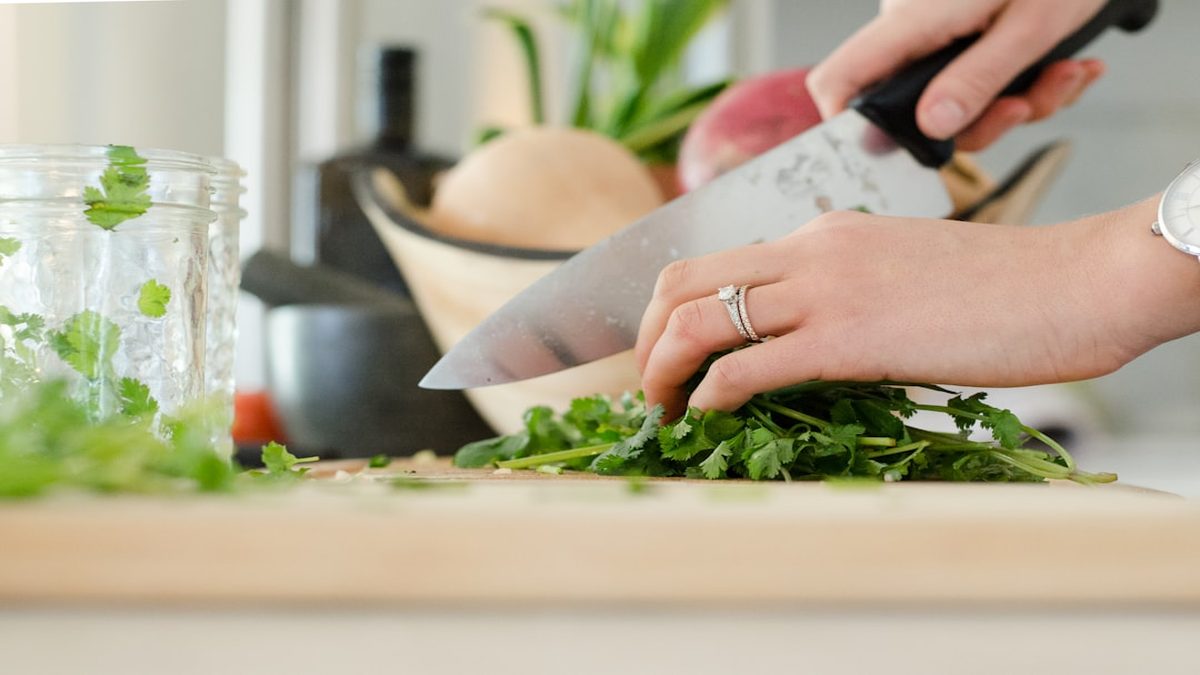
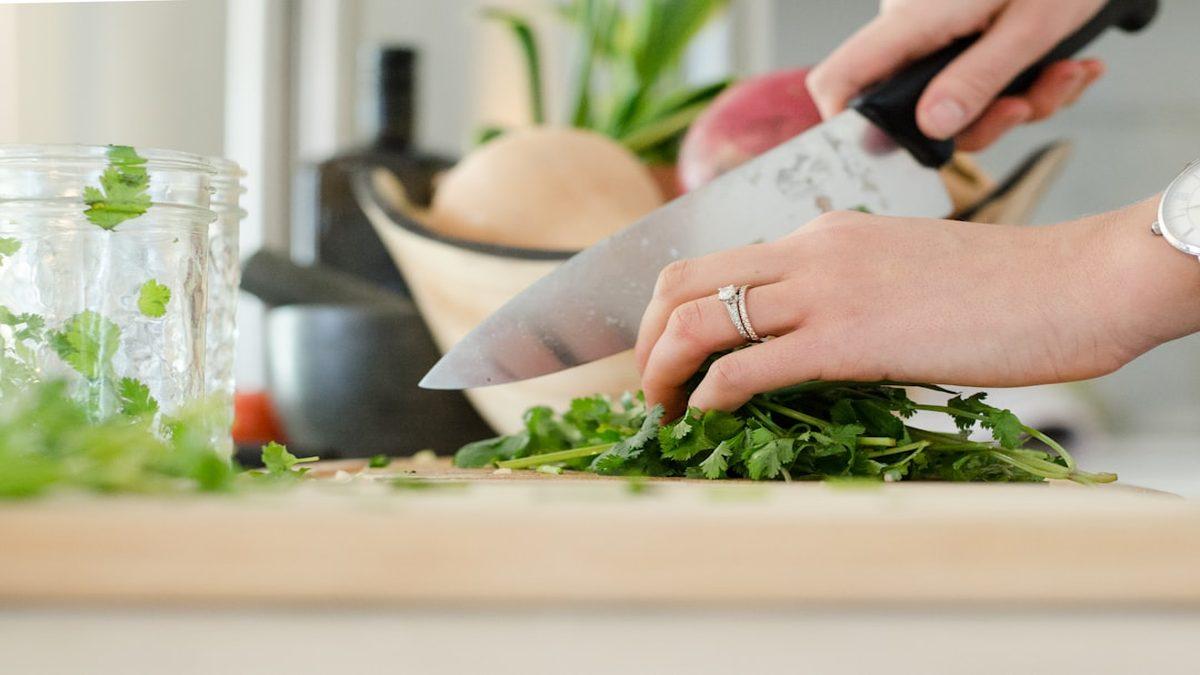
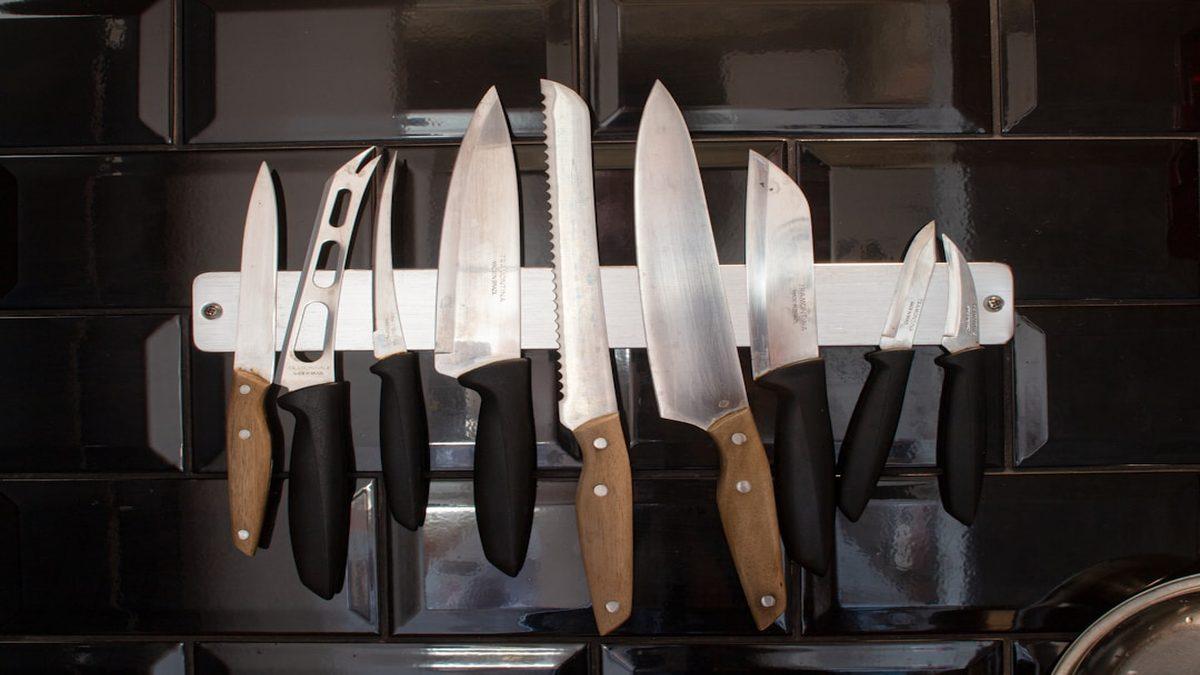
A quality chef's knife transforms every cooking session. When you're working with whole vegetables, fruits, and herbs daily, a dull or poorly balanced knife turns simple tasks into tedious chores. Look for an eight-inch blade that feels comfortable in your hand—not too heavy, not too light. A sharp knife actually makes cooking safer because it requires less force and gives you more control. Many people underestimate how much faster they could prep vegetables if their knife actually glided through produce instead of crushing it. Spend time learning basic knife skills, and suddenly that mountain of carrots, onions, and celery becomes a five-minute task instead of a twenty-minute ordeal.
Quality Cutting Boards That Protect Your Blades
Wooden or bamboo cutting boards complement your knife investment perfectly. They're gentler on blade edges than plastic or glass alternatives, and they naturally resist bacterial growth when properly maintained. Keep at least two large boards—one for general prep and one for anything with strong flavors like garlic or onions. The generous surface area matters more than people realize. When you have room to work, chopping becomes rhythmic and enjoyable. Cramped cutting spaces create mess and frustration. Our ancestors knew this instinctively, working on large wooden surfaces where food had room to breathe.
High-Speed Blending for Whole-Food Convenience
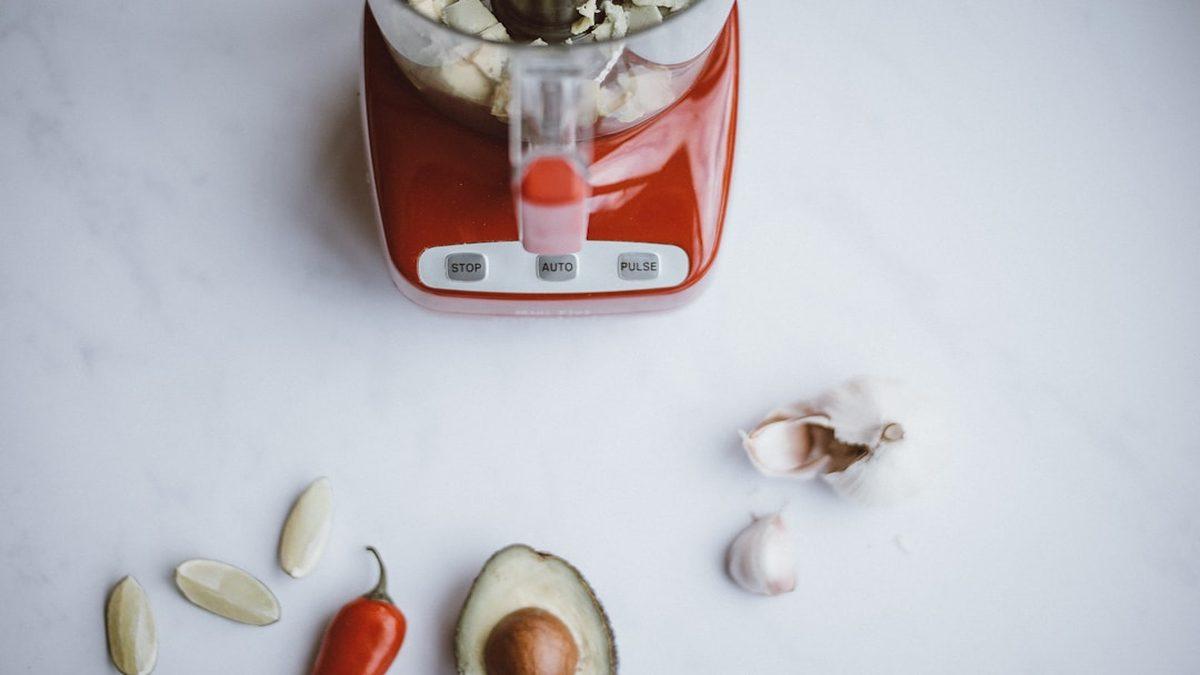
Nothing elevates plant-forward cooking quite like a powerful blender. From silky soups to creamy sauces made entirely from nuts and vegetables, this single tool opens up hundreds of recipes that would otherwise require extensive manual labor or remain impossible. A good high-speed blender processes fibrous greens, tough roots, and frozen fruits into smooth, digestible forms that retain all their nutrients.
Why Motor Power Actually Matters
Budget blenders struggle with the demands of whole-food cooking. They leave chunks in smoothies, can't fully break down nuts for homemade plant milk, and overheat when processing warm soups. A more powerful motor handles these tasks effortlessly. You don't need the most expensive option available, but investing in something with genuine horsepower pays dividends daily. Consider it the cost-per-use calculation—a quality blender used twice daily for years becomes incredibly economical, while a cheap one that frustrates you ends up unused in a cabinet.
Beyond Smoothies: Soups, Sauces, and Spreads
The true value of powerful blending emerges when you explore beyond the obvious. Roasted vegetable soups become restaurant-quality when blended until velvety. Cashews transform into cream sauces that rival any dairy version. Dates, nuts, and oats become energy bites in seconds. Hummus reaches a smoothness that store-bought versions can't match. These kitchen tools for plant-based prep multiply what's possible in your kitchen exponentially. When making sauces and dressings takes three minutes instead of buying processed alternatives, whole-food eating becomes genuinely simple.
Time-Saving Prep Tools for Batch Cooking Success
Batch cooking represents the secret weapon of sustainable plant-forward eating. Preparing larger quantities of grains, legumes, and vegetables at once means assembly becomes the only daily task. The right tools make batch cooking feel like a natural rhythm rather than an exhausting weekend project. According to Mayo Clinic's guidance on increasing plant intake, having prepared ingredients readily available dramatically increases the likelihood of choosing whole foods consistently.
Large Stock Pots and Dutch Ovens
A generous stock pot or Dutch oven handles the volume that plant-forward cooking demands. Making a big batch of vegetable broth, cooking several cups of dried beans, or preparing a week's worth of whole grains requires capacity. These vessels distribute heat evenly, preventing scorching while allowing ingredients to meld beautifully over time. Heavy-bottomed options retain heat better and prove more versatile—perfect for everything from simmering lentil stews to cooking rice perfectly. The simple act of having a large pot available encourages thinking in batches rather than single servings.
Sheet Pans for Effortless Roasted Vegetables
Roasting transforms ordinary vegetables into caramelized, deeply flavored components that make any meal satisfying. Quality sheet pans with rimmed edges become indispensable kitchen tools for plant-based prep. Having three or four means you can roast an entire week's worth of vegetables in a single oven session. Sweet potatoes, broccoli, cauliflower, Brussels sprouts, carrots—they all develop incredible depth when roasted with a little olive oil and sea salt. This simple technique connects us to how humans have cooked for millennia, using heat to unlock flavor and nutrition from whole foods.
Storage Solutions: Kitchen Tools for Plant-Based Prep Organization
Prepared ingredients only help if they stay fresh and accessible. Proper storage transforms batch cooking from a good idea into a functioning system. When you open your refrigerator and see clearly labeled containers of cooked grains, chopped vegetables, and ready-to-use sauces, assembling a nourishing plate takes minutes instead of half an hour.
Glass Containers for Freshness and Visibility
Glass storage containers outperform plastic in nearly every way that matters for whole-food eating. They don't absorb odors or stains from vibrant ingredients like turmeric or tomatoes. They transition safely from freezer to microwave to dishwasher. Most importantly, their transparency lets you see exactly what you have available—no mystery containers forgotten in the back of the fridge. Invest in various sizes: large ones for batch-cooked grains and legumes, medium ones for prepped vegetables, and small ones for homemade dressings and sauces. The visibility factor alone significantly reduces food waste.
Mason Jars for Everything Else
Simple mason jars serve countless purposes in a plant-forward kitchen. They store dried goods beautifully, keeping pantry staples like nuts, seeds, and whole grains fresh and visible. They work perfectly for overnight oats, layered salads, and homemade nut milks. They hold homemade broths in the freezer (leave headspace for expansion). There's something deeply satisfying about a pantry lined with jars of colorful ingredients—it speaks to the abundance of eating from the earth. These humble vessels have served kitchens for generations because they simply work.
Frequently Asked Questions About Kitchen Tools for Plant-Based Prep
What kitchen tools for plant-based prep should beginners buy first?
Start with a quality chef's knife, a large cutting board, and a good blender. These three tools handle the vast majority of plant-forward cooking tasks and create the foundation for everything else. Add pieces gradually based on which recipes you find yourself drawn to. A large pot for cooking grains and legumes would be the logical next addition, followed by quality storage containers for batch-cooked ingredients.
Do I need expensive equipment to cook plant-based meals quickly?
Expensive isn't always necessary, but quality matters for certain items. A mid-range knife that holds its edge serves better than the cheapest option that dulls immediately. A blender with adequate power saves frustration compared to underpowered models. However, items like cutting boards, storage containers, and basic cookware don't require premium prices to function beautifully. Focus your investment on the tools you'll use most intensively every day.
How do these tools help with meal prepping for busy weekdays?
When your knife cuts effortlessly, your blender processes quickly, and your storage keeps ingredients fresh, the entire meal prep process flows smoothly. What might take two hours with inadequate tools compresses into forty-five minutes with proper equipment. This efficiency makes the difference between batch cooking feeling sustainable and feeling like a burden. The Instant Plate Builder formula pairs perfectly with these tools, giving you a simple system for assembling balanced plates from your prepped components.
Building Your Plant-Forward Kitchen Over Time
The most sustainable approach to gathering kitchen tools for plant-based prep involves patience and intentionality. Rather than buying everything at once, add pieces as your cooking evolves. Notice where you feel friction in your current process—that's where the next tool investment will have the most impact. A well-equipped kitchen develops gradually, each addition earning its place through genuine usefulness. This mirrors the plant-forward philosophy itself: simple, intentional choices that compound into something beautiful over time. Your kitchen becomes a space where nourishing meals emerge easily, where cooking feels like self-care rather than a chore.
Your Next Step
Creating a kitchen that supports effortless plant-forward eating happens one thoughtful choice at a time. If you're ready to explore the tools, guides, and resources that support this way of living, you'll find everything I use gathered in my plant-forward kit. Take what resonates, leave what doesn't, and trust your own kitchen journey. Every small step toward simpler, whole-food cooking matters.