Japanese Habits for Longevity and Health
Learn simple, science-backed habits from Japanese longevity research. This guide covers intermittent fasting, mindful eating, and specific foods to boost your body's natural renewal processes.
Many of us want to feel our best as we age, but the path to long-term health can seem complicated. Your body already has powerful, built-in systems for healing and fighting disease. The key is learning how to support them.
Drawing from the longevity of people in Japan and the work of its leading researchers, a few simple habits can make a significant difference. This is not about extreme diets, but about small, sustainable changes that support your health at a cellular level.
For educational use only. Always ask your doctor before trying new food or lifestyle changes, especially if you have health problems.
The Science of Cellular Renewal
Lasting health begins with your cells. When your cells can efficiently repair and renew themselves, you feel more resilient and lower your risk for disease. This natural cleanup process is called autophagy, a field of study that earned Japanese scientist Dr. Yoshinori Ohsumi a Nobel Prize. As Dr. Ohsumi stated, “Without autophagy, our cells cannot survive.”
Autophagy is your body’s way of breaking down and reusing old or damaged cell parts. This process is linked to healthy aging, immune function, and brain protection. The advice of leading Japanese doctors like Dr. Takayuki Teruya, Dr. Shigeaki Hinohara, Dr. Yumi Ishihara, and Dr. Hiromi Shinya builds on this principle, emphasizing simple habits that promote cellular health.
Three Japanese Habits for Cellular Health
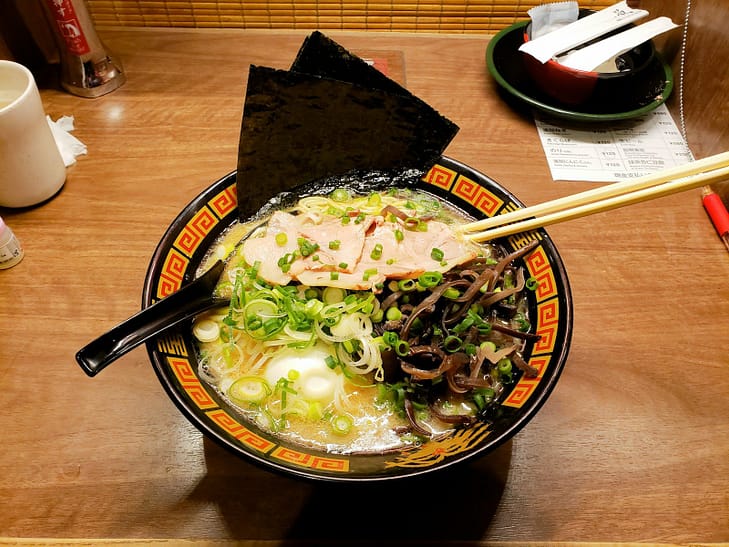
Incorporating these practices into your life does not require drastic changes. Research supports three core routines that help activate your body’s self-cleaning and renewal systems.
1. Practice Intermittent Fasting
Intermittent fasting involves confining your meals to a specific window of time each day, giving your body a longer period to rest and repair. This is a common practice for older generations in Japan. Dr. Takayuki Teruya’s research shows that fasting can beneficially alter blood chemistry, noting, “Fasting turns on new pathways that help cells repair and may slow aging.”
- How to start: Begin with a simple 12-hour overnight fast. If you finish dinner at 7 PM, wait until 7 AM for your next meal. You can drink water or herbal tea during the fast.
- Benefits: Fasting encourages your body to switch from burning sugar to burning fat for energy, enhances stress resilience, and reduces inflammation.
Always talk to your doctor before changing your eating times, especially if you have an underlying health condition.
2. Eat to 80% Full (Hara Hachi Bu)
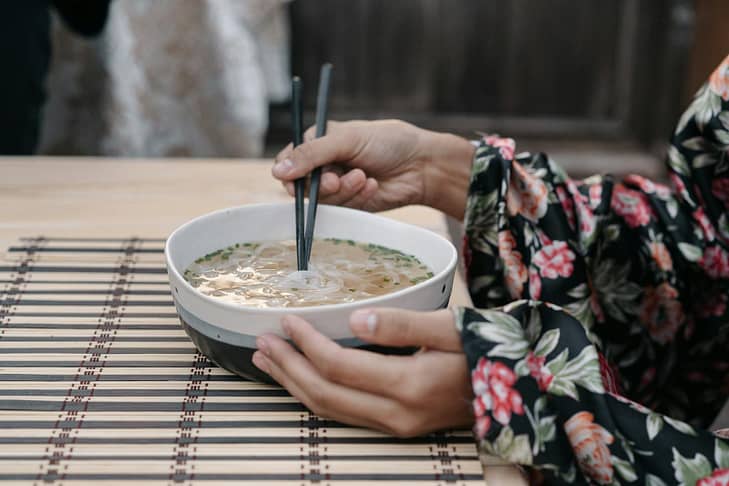
“Hara hachi bu” is a well-known phrase from Okinawa, a region famous for its long-living residents. It means to stop eating when you feel about 80% full. This practice of mild calorie restriction helps prevent overeating, supports stable blood sugar, and is linked to longevity.
Dr. Shigeaki Hinohara, who lived to be 105, was a strong advocate for these habits. His advice was simple: “Eat until you’re 80% full, move daily, and avoid extra sugar.”
- How to start: Eat slowly and without distractions like your phone or TV. Use smaller plates and put your utensils down between bites to better notice your body’s fullness signals. The goal is to feel satisfied, not stuffed.
3. Adopt Autophagy-Supportive Eating Patterns
What you eat is just as important as when you eat. The following patterns are recommended by doctors like Yumi Ishihara and Hiromi Shinya to support gut health and cellular repair.
- Start your day gently. Begin with two glasses of water, as advised by Dr. Shinya, to hydrate and prepare your digestive system. You can also have fresh carrot or apple juice. If you do, wait 10–20 minutes before eating solid food.
- Consider a modified fast. Dr. Ishihara suggests a pattern of a light breakfast, skipping lunch, and having one main, nutrient-dense meal. During the day, she recommends black tea with a little black sugar and ginger, which provides antioxidants and minerals without a large caloric load. “Most people overeat,” Dr. Ishihara notes. “Eating less can help you stay healthy.” You can learn more at the Ishihara Clinic.
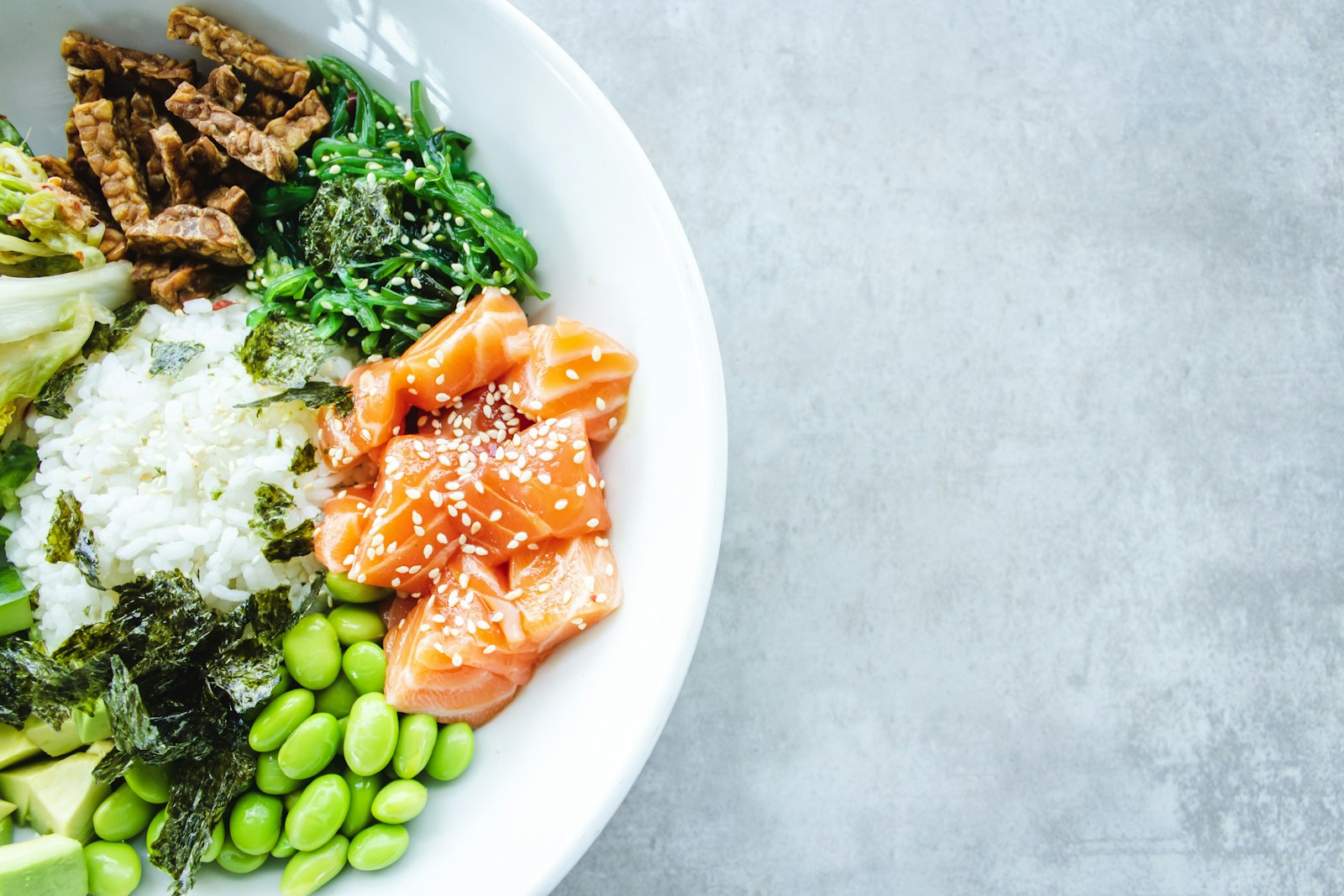
- Make your main meal plant-focused. Fill your plate with fresh vegetables, leafy greens, seaweed, and fermented foods like pickles. Add a serving of fish or plant-based protein like tofu, along with whole grains like brown rice or barley.
- Prioritize gut health. Dr. Hiromi Shinya emphasizes enzyme-rich foods. Raw vegetables, fruit, and fermented foods support a healthy gut microbiome and reduce inflammation. Learn more about Dr. Shinya’s method.
- Drink green tea. Japanese green tea is rich in antioxidants called catechins that help protect cells from damage.
Foods to Limit
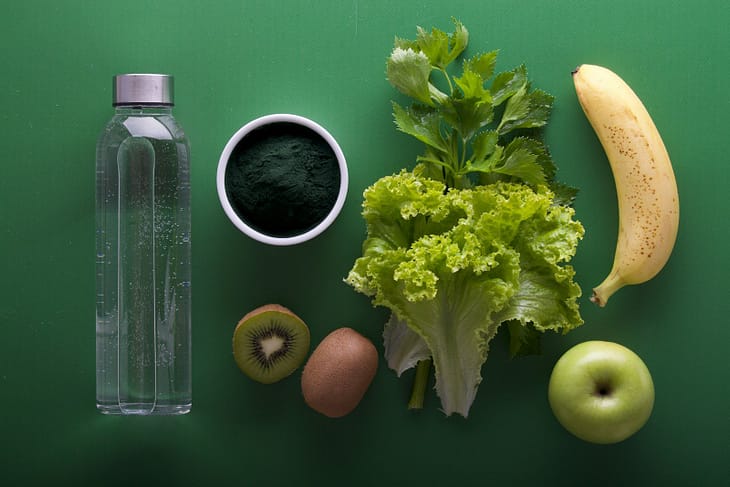
All of these experts agree that highly processed foods interfere with the body’s ability to repair itself by causing inflammation and blood sugar spikes. For better health, limit or avoid:
- Sweet snacks, desserts, and soft drinks
- Foods made with white flour
- Added sugars
- Processed meats
- Artificial colors, flavors, and preservatives
Frequently Asked Questions
What is autophagy?
Autophagy, which means "self-eating," is your body's natural process for cleaning out damaged cells and toxins. It helps your body regenerate newer, healthier cells and is essential for fighting disease and slowing the aging process. The process was detailed by Nobel laureate Dr. Yoshinori Ohsumi.
What does "hara hachi bu" mean?
It's a Japanese term, particularly from Okinawa, that advises people to stop eating when they are 80% full. It is a form of mindful eating and caloric restriction that has been linked to the exceptional longevity of Okinawans.
Is intermittent fasting safe for everyone?
While intermittent fasting is safe for many people, it is not suitable for everyone. Individuals who are pregnant, breastfeeding, have a history of eating disorders, or live with certain medical conditions like diabetes should consult their doctor before starting a fasting regimen.
Do I have to eat Japanese food?
No. While this advice is inspired by Japanese traditions, the principles are universal. The focus is on a whole-foods, plant-forward diet, mindful eating, and meal timing, which can be adapted to any type of cuisine.
The Bottom Line
A long and healthy life doesn't have to be complicated. By incorporating simple, evidence-based habits like intermittent fasting, mindful eating, and prioritizing whole plant foods, you can support your body’s innate ability to stay well. These small, consistent choices—rooted in both tradition and modern research—are the foundation of lasting wellness.