Hydration Strategies for Healthy Fasting
Practical, evidence-respecting tips to stay hydrated during Ramadan, intermittent fasting, or any fast—fluids, electrolytes, foods, tracking tools, and recipes.
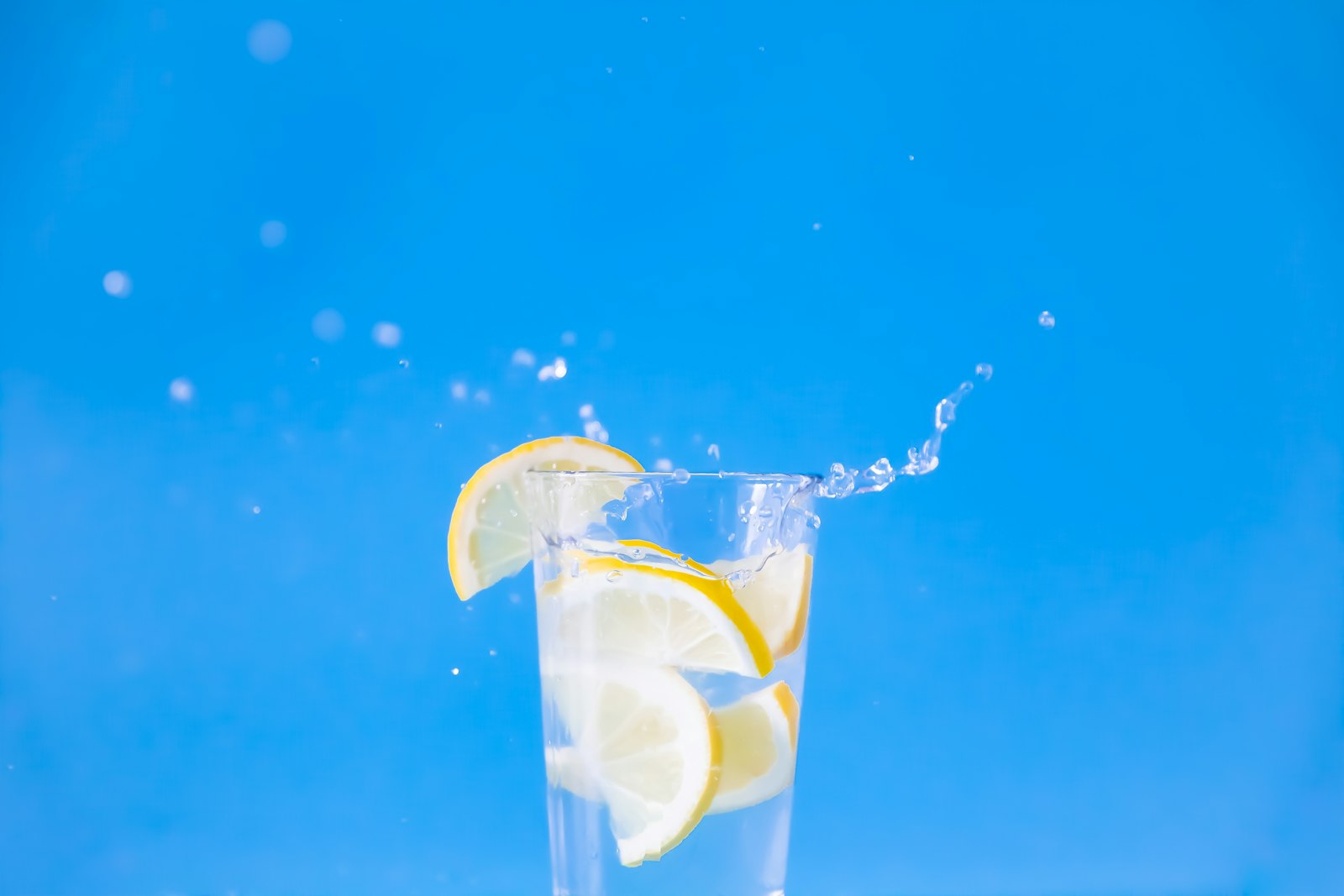
Fasting changes how your body holds and uses water. When food and drink are restricted for hours at a time, small planning mistakes can lead to fatigue, headaches, or muscle cramps. The good news is that simple routines, electrolyte checks, and hydrating foods make a big difference.
Below you’ll find clear, practical guidance on why hydration matters during fasting, common challenges, alternatives to plain water, electrolyte basics, tracking methods, and tools to help you stay balanced and alert.
The importance of staying hydrated during fasting
Water is essential for multiple core functions: regulating body temperature, supporting digestion, and enabling mental clarity. During fasting, reduced food and fluid intake alters those systems. Dehydration can impair the body’s cooling mechanisms, increase fatigue and brain fog, and make digestion less efficient. Keeping fluid balance supports organs such as the heart, lungs, liver, and kidneys so they can function optimally throughout the fasting period.
Benefits of drinking water while fasting
- Maintains hydration: Water replenishes fluids lost through sweating, breathing, and urine production, helping the body function at its best.
- Supports detoxification: Drinking water aids the body’s elimination processes by helping flush waste products and supporting kidney function.
- Promotes weight loss: Water has zero calories and can help suppress appetite, which may make adherence to reduced-calorie eating windows easier. Staying hydrated can also support metabolic processes.
- Improves digestion: Adequate fluids help break down food and promote regular bowel movements, reducing constipation and bloating.
- Boosts energy levels: Dehydration contributes to fatigue; drinking water helps maintain alertness and physical energy.
- Enhances mental clarity: The brain needs hydration to perform well. Keeping fluids up supports focus and concentration.
- Supports organ function: Water is essential for the heart, lungs, liver, kidneys, and other organs to perform their roles effectively.
Common challenges in staying hydrated during fasting
Many people find it hard to maintain hydration during fasting. The most common obstacles include:
- Reduced thirst sensation: Thirst cues can be muted during fasting. Relying solely on thirst may result in under-drinking.
- Limited access to water: Certain fasts restrict drinking during specific hours, which makes timing and planning important.
- Lack of variety: Plain water can feel monotonous, which reduces intake for some people.
- Dehydration from caffeine and sugary drinks: Caffeine and sugary beverages may increase fluid loss and can worsen dehydration if relied on during non-fasting periods.
- Physical activity and sweating: Exercise during fasting increases fluid and electrolyte losses and raises hydration needs.
Practical tips and routines for staying hydrated
- Establish a water-drinking routine: Schedule fluids during non-fasting hours rather than waiting to feel thirsty. Setting reminders or using an app can help.
- Start and end your day with water: Drink a glass before your fasting window begins and another when you break the fast to kickstart and replenish hydration.
- Break your fast with hydrating foods: Choose watermelon, cucumbers, oranges, and tomatoes at the meal that ends your fast; these foods have high water content and add fluids as well as nutrients.
- Keep a water bottle handy: Carry a bottle with measurements to make tracking simpler and consumption more consistent.
- Infuse your water: Add fruit slices, herbs, or cucumber to improve flavor without adding sugar.
- Monitor urine color: Aim for pale yellow urine as a practical indicator of adequate hydration; darker urine suggests you need more fluid.
- Avoid excess caffeine and sugary drinks: These can increase fluid losses. Replace them with water, herbal teas, or coconut water during non-fasting hours.
- Use hydrating beverages during non-fasting hours: Coconut water, herbal teas, and freshly squeezed juices can contribute to overall fluid intake when used in moderation.

Hydration alternatives and what they offer
Water should remain the primary source of fluids. Still, alternatives add variety and, in some cases, important electrolytes:
- Coconut water: A natural source of potassium, sodium, magnesium, and calcium. Choose plain coconut water without added sugars.
- Herbal teas: Chamomile, peppermint, or caffeine-free blends provide fluid and may support digestion or relaxation.
- Infused water: Flavor water with lemon and mint, strawberry and basil, or cucumber slices to encourage intake.
- Homemade fruit juices: Freshly squeezed juices hydrate and provide nutrients, but consume them in moderation because of natural sugars and calories.
- Broths and soups: Clear vegetable broths or bone broths supply fluids and electrolytes and can be comforting, especially in cooler weather.
Foods that help with hydration
Incorporating hydrating foods into non-fasting meals boosts fluid intake and supplies vitamins and minerals. Useful choices include:
- Watermelon — high water content and vitamins.
- Cucumbers — over 95% water, low in calories, refreshing.
- Oranges — juicy, provide vitamin C and fluids.
- Tomatoes — hydrating and rich in antioxidants.
- Celery — crunchy, hydrating, and a low-calorie source of fiber.
- Berries — hydrating, antioxidant-rich, and versatile.
- Leafy greens — lettuce, spinach, and kale have high water content and micronutrients.
The role of electrolytes
What are electrolytes?
Electrolytes are minerals that carry an electric charge when dissolved in water. Key electrolytes include sodium, potassium, calcium, magnesium, chloride, and phosphate. They regulate fluid balance, nerve impulses, muscle contractions, and pH balance by controlling the movement of water into and out of cells.
Common electrolytes and their functions
- Sodium: Major extracellular electrolyte; important for fluid balance, nerve function, and muscle contractions.
- Potassium: Primary intracellular electrolyte; essential for fluid balance, nerve impulses, and muscle function.
- Calcium: Important for bones, muscle function, blood clotting, and nerve transmission.
- Magnesium: Involved in hundreds of biochemical reactions including energy production and muscle and nerve function.
- Chloride: Works with sodium to maintain fluid balance and is necessary for stomach acid production.
- Phosphate: Needed for energy production, bone health, and pH balance.
Electrolyte imbalance symptoms during fasting
Signs of an electrolyte imbalance can include muscle cramps, fatigue, dizziness, headaches, and nausea. These symptoms indicate the need to reassess fluid and mineral intake during non-fasting hours.
Sources of electrolytes
- Regular water: Contains trace electrolytes but may not be sufficient alone if losses are high.
- Coconut water: A natural beverage containing potassium, sodium, magnesium, and calcium.
- Sports drinks: Formulated to replace sodium and potassium lost through sweat, though many contain added sugars.
- Fruits and vegetables: Bananas, oranges, spinach, and avocados supply potassium and magnesium.
- Broths and soups: Provide sodium and other minerals from bones and vegetables.
Electrolyte supplements and recipes
Supplement options include powders, tablets, and capsules. Choose products without added sugars or unnecessary additives, and those that contain a balanced spectrum of sodium, potassium, calcium, and magnesium. If you prefer whole-food approaches, try these simple recipes:
- Electrolyte smoothie: Blend coconut water, a banana, spinach, and a pinch of sea salt.
- Homemade electrolyte popsicles: Mix coconut water, fresh fruit juice, and a pinch of Himalayan salt; freeze in molds.
- Electrolyte-rich salad: Combine leafy greens, avocado, cucumber, and cherry tomatoes; dress with lemon and olive oil.
How to track your hydration during fasting
General guidance like "eight glasses a day" can be a starting point, but hydration needs vary by age, weight, activity level, and climate. Use these practical markers and tools to tailor intake:
- Listen to your body: Thirst is a signal to drink, but during fasting set a routine that meets needs rather than only responding to thirst.
- Urine color: Clear or light yellow urine generally indicates adequate hydration; dark yellow or amber suggests dehydration.
- Common dehydration signs: Fatigue, dry mouth, dark urine, headaches, dizziness, and muscle cramps should prompt rehydration during non-fasting hours.
Practical tracking tips
- Set daily water goals: Define a target in liters or number of glasses to meet during non-fasting hours.
- Use a measured water bottle: Bottles with volume markings make it easy to see progress.
- Create a drinking schedule: Distribute fluid intake evenly across available hours.
- Try hydration reminder apps: Apps can prompt you to drink if you tend to forget.
Other ways to monitor hydration
- Weigh yourself: Short-term weight changes before and after fasting can reflect fluid loss; large drops often mean water loss.
- Skin turgor test: Pinch skin on the arm or abdomen; if it returns slowly to position, hydration may be low.
- Hydration urine tests: Over-the-counter tests can analyze urine concentration and give objective feedback.
Hydration apps and devices
Apps and smart bottles can make hydration easier to track. Examples referenced by many fasters include:
- WaterMinder: An app to set goals, log intake, and receive reminders.
- HidrateSpark: A smart water bottle that syncs to an app and provides reminders and personalized goals based on activity and local weather.
- Fitbit: Fitness trackers with water logging and reminder features.
Frequently asked questions
Can I drink anything besides water while fasting?
During the fasting window when fluids are restricted, you should follow the rules of your specific fast. In non-fasting hours, water should be primary, and alternatives like coconut water, herbal teas, broths, and fresh juices can be used in moderation.
How much water should I drink while fasting?
Needs vary. Use a daily goal that accounts for your weight, activity level, and climate. Monitor urine color and symptoms. Many people use a measured bottle and aim to meet a liter-based target during non-fasting hours.
Are electrolyte supplements necessary?
Not for everyone. If you experience muscle cramps, dizziness, or prolonged fatigue, or you sweat heavily during fasting, an electrolyte supplement or electrolyte-rich beverages can help. Choose products without added sugars and consult a healthcare professional if you have medical conditions.
Do ketones increase water loss?
When the body uses stored fat for energy, it produces ketones. Ketone excretion through urine and breath can increase water loss. That’s one reason to pay attention to fluid and electrolyte intake during fasting.
The bottom line
Staying hydrated while fasting is manageable with planning. Prioritize water, add electrolyte-rich foods and beverages during non-fasting hours, set a drinking routine, and use simple measures like urine color and measured bottles to stay on track. If you experience persistent symptoms such as severe dizziness, fainting, or ongoing cramps, seek medical advice.
We’d love to hear your experience with hydration while fasting. Did a particular tip help you? Leave a comment or join our YouTube community for more practical guidance. For a deeper look at fasting patterns, you can also read "The Incredible Benefits of Fasting: What It Does for Your Body and Why 16 Hours is the Magic Number" on our site.